


Lost Coast Plant Therapy Controls All Types of Aphids
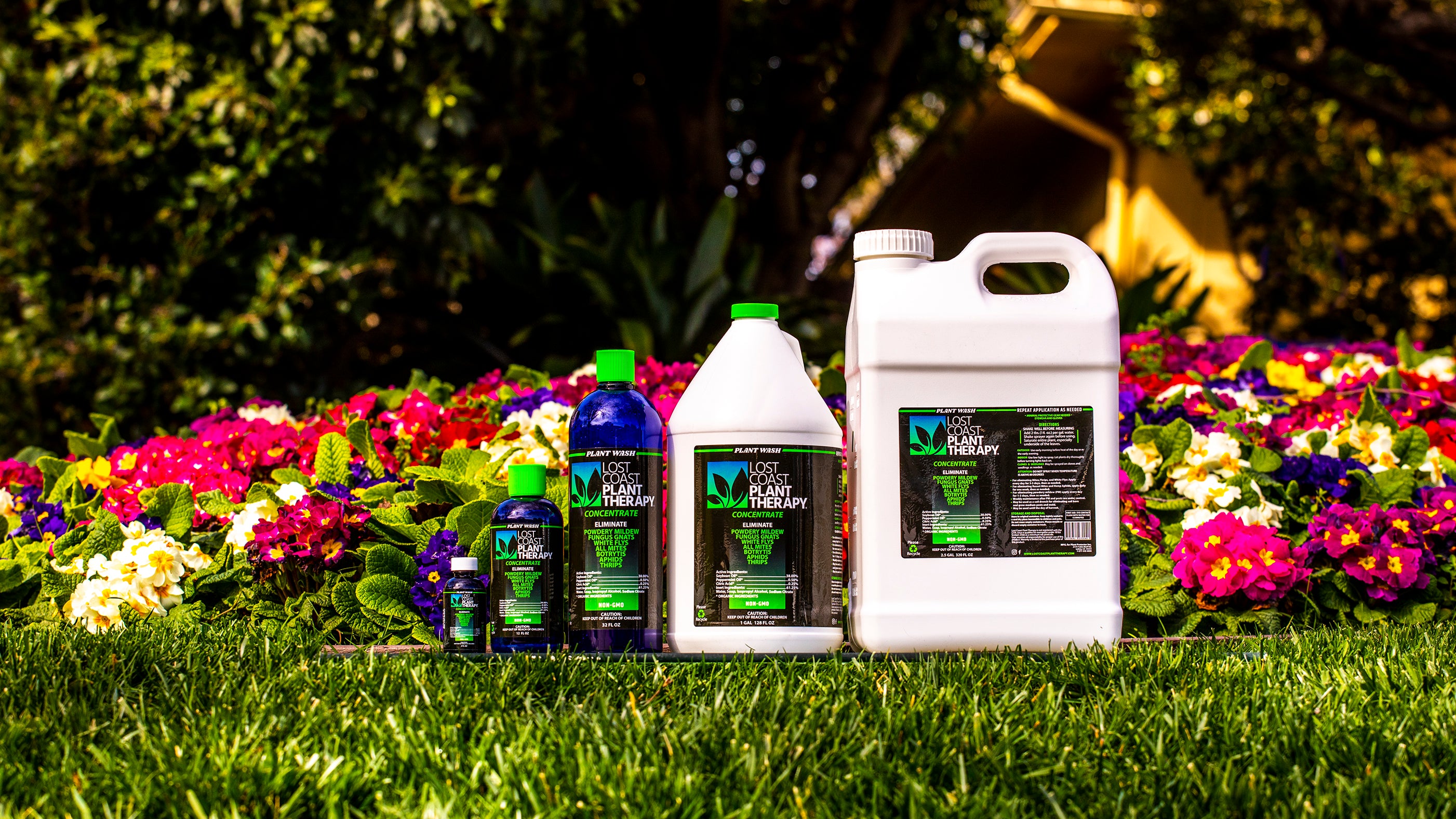
Lost Coast Plant Therapy is a minimum risk pesticide made with natural and organic ingredients. It controls aphids by contact, coating soft-bodied insects and causing dehydration and suffocation while disrupting thoracic, metabolic, and exoskeleton function.
Works on all aphids (green, black, melon, cabbage, woolly, root aphids, & more)
Safe for food and flowering plants when used as directed
Effective indoors, outdoors, and in greenhouses

Black Aphids
Black Aphids
Black aphids form dense, dark colonies along stems and buds of beans, flowers, and ornamental plants. Their feeding causes curled leaves, slowed growth, and weakened stems. Because they multiply quickly, early control is essential to prevent heavy infestations.

Oleander Aphids
Oleander Aphids
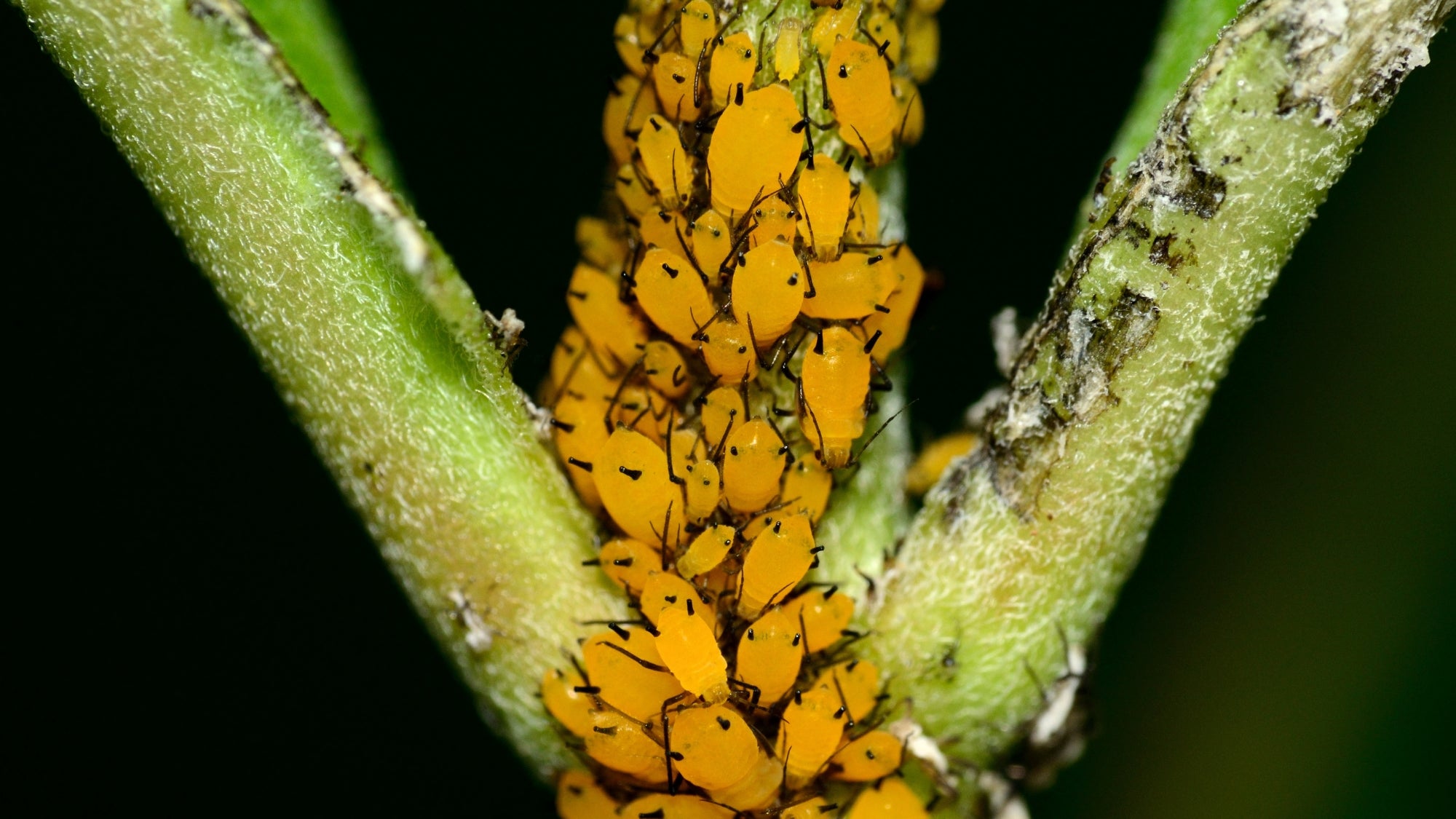
Oleander aphids are bright yellow with black legs and commonly attack milkweed and flowering ornamentals. They cluster tightly along stems and new growth, producing sticky honeydew that encourages mold buildup and weakens plants over time.

Woolly Aphids
Woolly Aphids
Woolly aphids appear as white, cotton-like masses on branches and woody stems. Beneath their waxy coating, they feed on plant sap, stressing trees and shrubs. Infestations can go unnoticed until visible decline or branch damage occurs.

Root Aphids
Root Aphids
Root aphids feed below the soil surface, attacking root systems rather than foliage. Infested plants may appear stunted, yellowed, or slow-growing despite proper care, making early identification especially important.

Green Peach Aphids
Green Peach Aphids
Green peach aphids can infest vegetables, herbs, ornamental plants, and medicinal flowers. Pale green and soft-bodied, they cluster on tender new growth, reproducing rapidly and spreading plant viruses.

Cabbage Aphids
Cabbage Aphids
Cabbage aphids are gray-green with a powdery appearance and commonly infest kale, broccoli, cabbage, and other leafy vegetables. They hide deep within foliage folds, making thorough spray coverage essential for effective control and preventing rapid population growth.

Potato Aphids
Potato Aphids
Potato aphids are larger and more elongated than many species, targeting tomatoes, peppers, vegetables, and flowers. Feeding along stems and leaf veins, they cause yellowing, distortion, and reduced plant vigor as populations increase.

Melon Aphids
Melon Aphids
Melon aphids vary from light to dark green and attack cucumbers, squash, ornamental plants, and medicinal flowers. They reproduce rapidly in warm conditions and can spread plant viruses while weakening new growth and causing sticky residue buildup.

Aphids on Roses
Aphids are especially attracted to rose buds and tender new shoots. They cluster around developing blooms, feeding on sap before flowers open. Infested roses often show curled leaves, distorted buds, and sticky residue that attracts mold.
Because rose growth is soft and nutrient-rich, colonies can expand quickly during warm weather. Regular inspection of new growth and early contact control prevents bud damage and protects bloom quality throughout the season.

Aphids on Tomatoes
Tomato plants commonly attract green peach, potato, and melon aphids. Colonies form along leaf undersides and stems, causing yellowing, curled foliage, and reduced vigor. Aphids may also transmit plant viruses that affect fruit production.
Since tomatoes grow in warm conditions, infestations can escalate quickly if untreated. Thorough coverage of stems and leaf undersides is essential to interrupt reproduction and protect plant health.

Aphids on Medicinal Plants
Medicinal flowering plants are highly vulnerable during early vegetative growth and flower formation. Aphids hide within dense foliage and developing buds, feeding on sap and reducing plant vitality.
Infestations may lead to sticky residue, mold buildup, and weakened stems. Because medicinal plants are often grown intensively, close monitoring and consistent contact treatments help prevent colony expansion and protect plant quality throughout the growth cycle.

Aphids on Houseplants
Indoor plants provide a stable, protected environment where aphids can reproduce year-round. They often hide under leaves or along soft stems, going unnoticed until leaves curl or feel sticky.
Without natural predators indoors, populations can build quickly. Early detection and full leaf coverage, especially beneath foliage, are key to restoring plant health and preventing spread to nearby houseplants.

Lost Coast Plant Therapy
Lost Coast Plant Therapy works on contact so complete coverage is essential to disrupt active infestations and break their rapid reproduction cycle. Just shake, mix & spray!
1. Shake concentrate well before measuring.
2. Mix 1–3 fl oz of concentrate per gallon of water.
3. Saturate entire plant, especially undersides of leaves and stems.
The spray must directly coat the aphids in order to control them. If you have root aphids, our product can also be used a soil drench to reach aphids feeding beneath the soil surface.
For heavy infestations, you can boost the formula by adding 1 oz of isopropyl alcohol per gallon along with 1–3 oz of Lost Coast Plant Therapy concentrate.
Understanding the Aphid Life Cycle
Aphids are among the fastest-reproducing garden pests. Their ability to multiply without mating and spread between plants makes early control critical for protecting vegetables, flowers, and greenhouse crops.
7–10 Days
Aphids can reach reproductive maturity in as little as one week.
80+ Offspring
One female aphid can produce dozens of live young without mating.
Multiple Generations
Several overlapping generations develop during a single growing season.
Winged Spread
Crowded colonies produce winged aphids that spread to new plants.

Where Do Aphids Come From?
Aphids are commonly introduced by wind currents carrying winged adults from nearby plants. Outdoors, their eggs can overwinter on plant debris and hatch when temperatures rise.
Indoors, infestations often begin when new houseplants, nursery plants, clones, or cuttings bring aphids into the growing space.
Why Are There Ants on My Plants?
If you see ants on your plants, aphids may not be far behind. Ants and aphids have a mutual relationship. Aphids produce honeydew, a sugary substance that ants feed on.
In return, ants protect aphids from natural predators and may even move them to fresh growth, where sap is easier to access.

Green Peach Aphids
Green peach aphids are among the most adaptable aphid species, capable of infesting a wide range of host plants throughout the growing season. Unlike some aphids that prefer one crop, this species readily moves between vegetables, herbs, ornamentals, and medicinal flowers.
They are especially active in mild temperatures and can reproduce without mating, accelerating population growth. Because they are known vectors of plant viruses, early monitoring is critical in preventing long-term plant stress.

Black Aphids
Black aphids are easily recognized by their dark coloration and tendency to gather in dense clusters along stems and buds. They are particularly common on beans and flowering ornamentals during spring and early summer.
Rapid colony formation can quickly overwhelm young plants, which is why regularly inspecting new growth is so important for early intervention. This pest is also known to attract ants.

Oleander Aphids
Oleander aphids are distinctive for their bright yellow bodies and black appendages, making infestations highly visible. They strongly prefer milkweed and related ornamental plants and often remain concentrated on a single host.
Unlike more mobile species, they tend to stay tightly grouped along stems. Because they specialize on specific plants, infestations may appear suddenly and intensely.

Woolly Aphids
Woolly aphids differ from most aphid species due to the white, waxy filaments that cover their bodies. This protective coating helps shield them from environmental stress.
They are most often found on woody trees and shrubs, particularly around pruning wounds or branch joints. Because their colonies blend into bark texture, infestations may be overlooked until branch swelling or decline becomes visible.

Cabbage Aphids
Cabbage aphids are specialized feeders on brassica crops such as kale, cabbage, broccoli, and cauliflower. Their gray-green bodies blend easily with foliage, allowing populations to expand unnoticed within leaf folds.
Unlike more mobile species, they often remain deep inside plant heads, making them difficult to reach. Infestations tend to increase in cooler seasons, especially during fall plantings, requiring thorough and repeated inspection of inner leaves.

Potato Aphids
Potato aphids can vary in color from light green to pink, making them easy to mistake for other aphid species at first glance. They prefer solanaceous crops such as tomatoes and peppers and are often found feeding along major leaf veins, where they pierce plant tissue and draw out sap.
Warm weather and dense plant growth create ideal conditions for colony development, and populations can expand rapidly once established.

Melon Aphids
Melon aphids thrive in warm climates and are especially problematic in greenhouses and protected growing environments. They commonly infest cucumbers, squash, and other cucurbits, as well as ornamental and medicinal flowers.
Their coloration can vary, which sometimes makes identification confusing. High humidity and crowded plant spacing can accelerate outbreaks, making airflow and early monitoring important preventative measures.

Root Aphids
Root aphids differ from most aphid species because they feed beneath the soil surface rather than on leaves and stems. Instead of visible clusters on foliage, infestations develop around root systems, where they extract nutrients and reduce overall plant vigor.
Plants affected by root aphids often appear stunted, yellowed, or slow to grow despite proper watering and feeding. Because there are no visible insects above ground, infestations are frequently mistaken for nutrient deficiencies.
Common Signs of an Aphid Infestation
Aphids are often first discovered through plant symptoms, not by spotting the insects themselves.
If you’re seeing sticky leaves, shiny residue, black mold, curling growth, or tiny green bugs on plants, these are common early warning signs of an aphid infestation.

Sticky Residue on Leaves (Honeydew)
Sticky Residue on Leaves (Honeydew)
If your plant feels shiny or sticky, aphids may be feeding above. As they extract sap, they excrete a sugary substance called honeydew. This residue coats leaves, attracts ants, and creates ideal conditions for black mold to develop. Sticky leaves are one of the earliest and most searched signs of aphid problems.

Black Mold on Leaves (Sooty Mold)
Black Mold on Leaves (Sooty Mold)
Black, powdery mold forming on leaves is often a secondary issue caused by aphid honeydew. This mold blocks sunlight and reduces photosynthesis, stressing the plant further. If you’re seeing black mold after noticing sticky residue, aphids are often the underlying cause.

Curled or Twisted New Growth
Curled or Twisted New Growth
Aphids target tender new growth. Their feeding disrupts normal development, causing leaves to curl upward, twist, or appear distorted. Curled leaves on roses, vegetables, or flowers are commonly linked to aphid activity on the underside.

Clusters of Aphids Under Leaves
Clusters of Aphids Under Leaves
Tiny green, black, yellow, or gray insects hiding beneath leaves or along stems are classic signs of aphid colonies. If you notice small insects clustered under leaves, along stems, or on tender new growth, you are likely dealing with aphids feeding in protected areas of the plant.
FAQ’s about Aphids
How do you get rid of aphids on plants?
How do you get rid of aphids on plants?
The key to getting rid of aphids is acting early and spraying thoroughly. Aphids reproduce quickly so even a small cluster can turn into a larger infestation in just days. When you apply our Natural Plant Protector, make sure to directly coat the aphids to control active populations. Take your time and cover the tops and undersides of leaves, stems, and new growth where they like to gather.
See more on how to get rid of aphids here.
Are aphids harmful to plants?
Are aphids harmful to plants?
Yes. Aphids weaken plants by feeding on sap, reducing vigor, distorting growth, and spreading plant viruses. Heavy infestations can significantly reduce plant health and productivity.
Do aphids kill plants?
Do aphids kill plants?
Severe infestations can cause major stress and decline, especially in young or already weakened plants. While they may not immediately kill mature plants, they can reduce growth and increase vulnerability to disease.
Are aphids bad for vegetables?
Are aphids bad for vegetables?
Yes. Aphids feed on vegetable crops like tomatoes, peppers, kale, and cucumbers, reducing yield and spreading plant viruses. Early control protects harvest quality and plant health.
Do aphids bite humans or pets?
Do aphids bite humans or pets?
No. Aphids feed exclusively on plant sap and do not bite people or pets.
How fast do aphids multiply?
How fast do aphids multiply?
Aphids reproduce extremely quickly. In warm conditions, populations can double in just a few days, which is why early detection is critical.
Do aphids live in soil?
Do aphids live in soil?
Most aphids feed above ground, but certain species such as root aphids live below the soil surface and attack plant roots directly.
Will aphids go away on their own?
Will aphids go away on their own?
Outdoors, natural predators may reduce small populations. However, aphids reproduce rapidly, and infestations often persist without intervention. Indoors, where natural predators are absent, aphid populations typically continue to grow until treated.
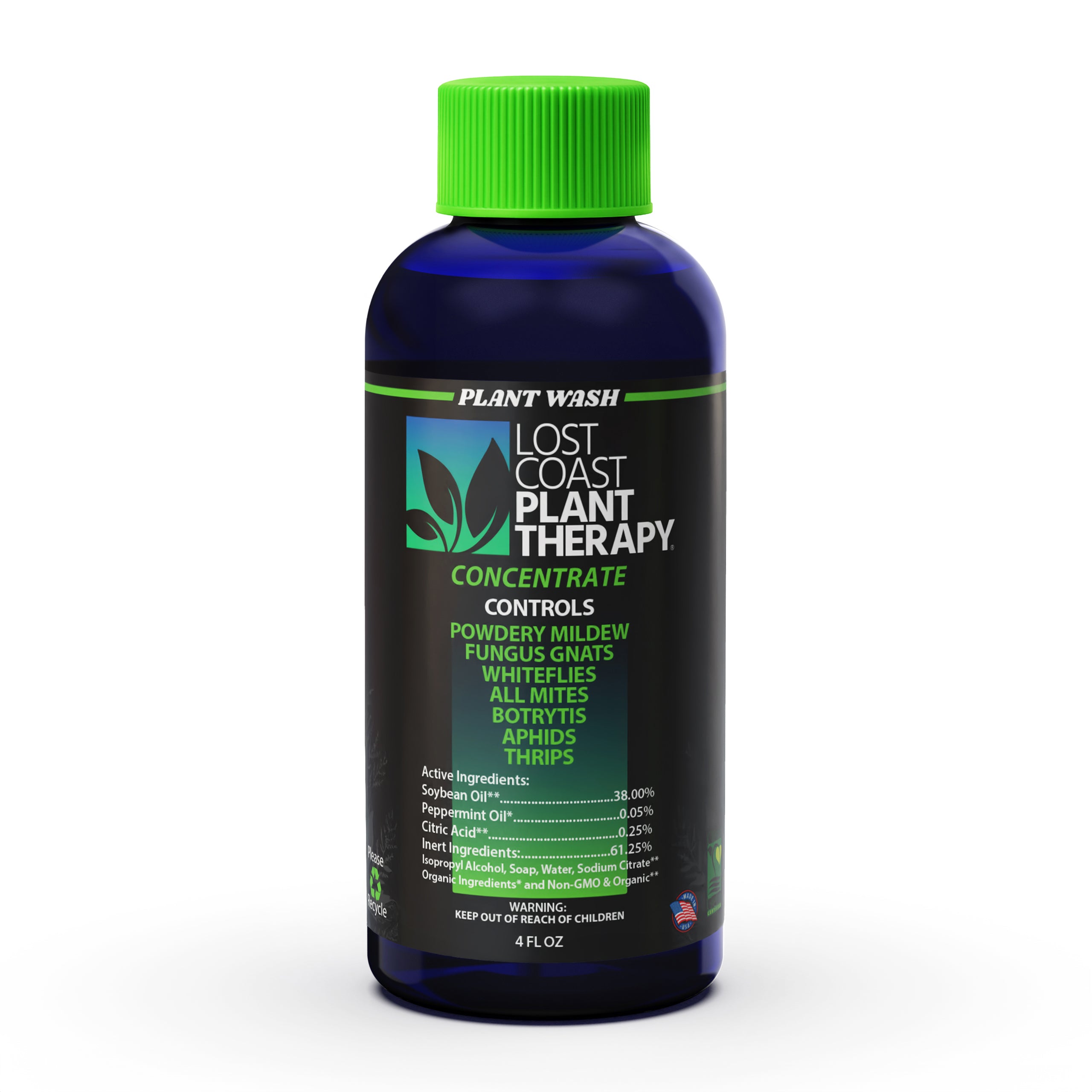
Type: Natural 3-in-1 Pest Control
4 oz Bottle
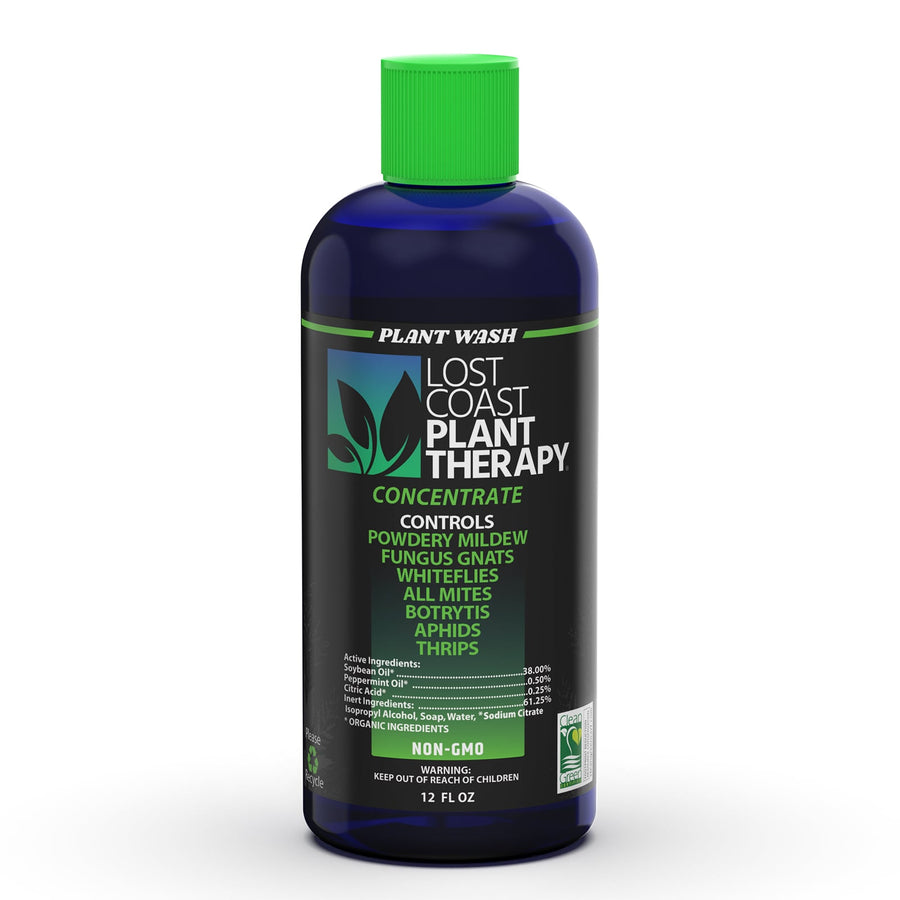
Type: Natural 3-in-1 Pest Control
12oz Bottle
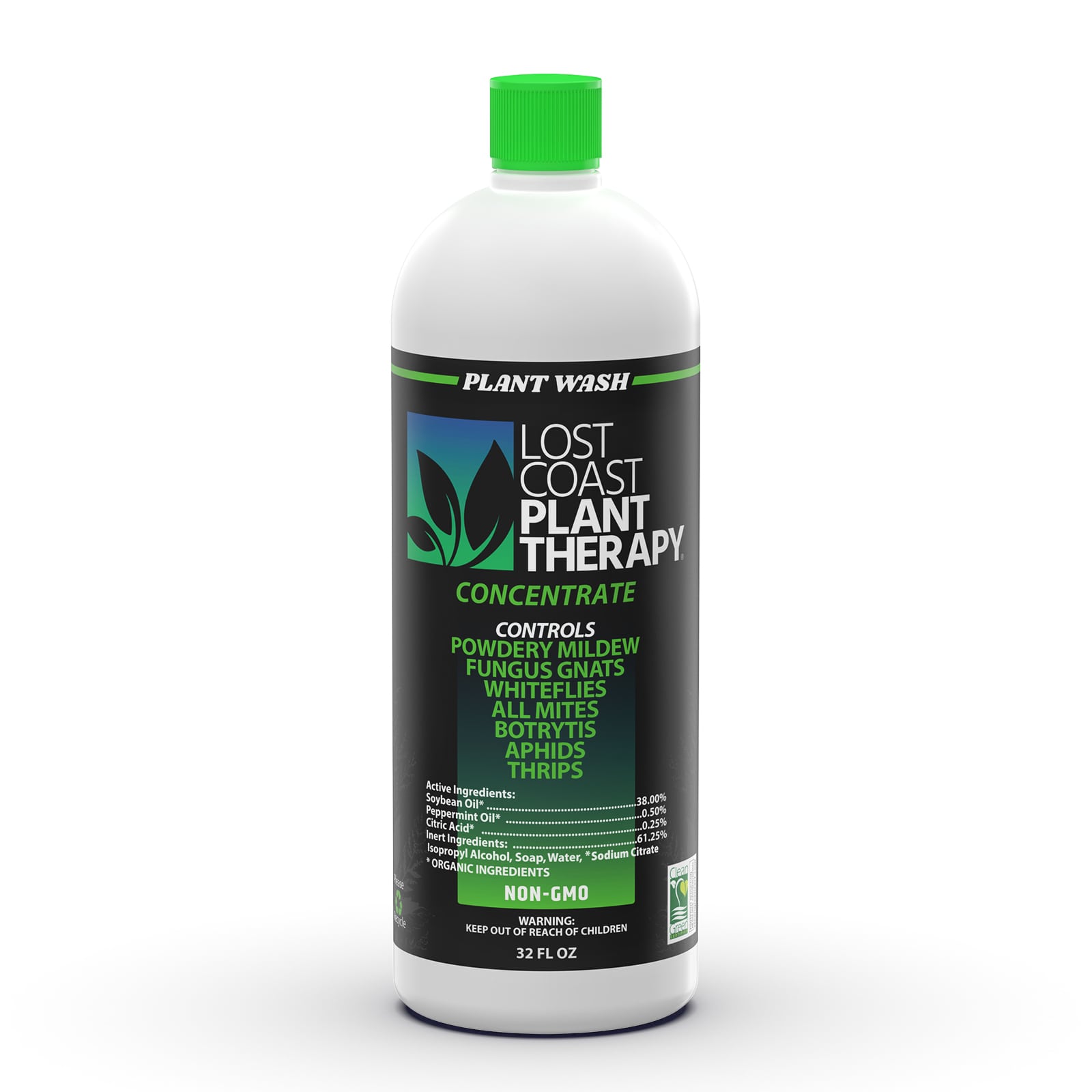
Type: Natural 3-in-1 Pest Control
32oz Bottle
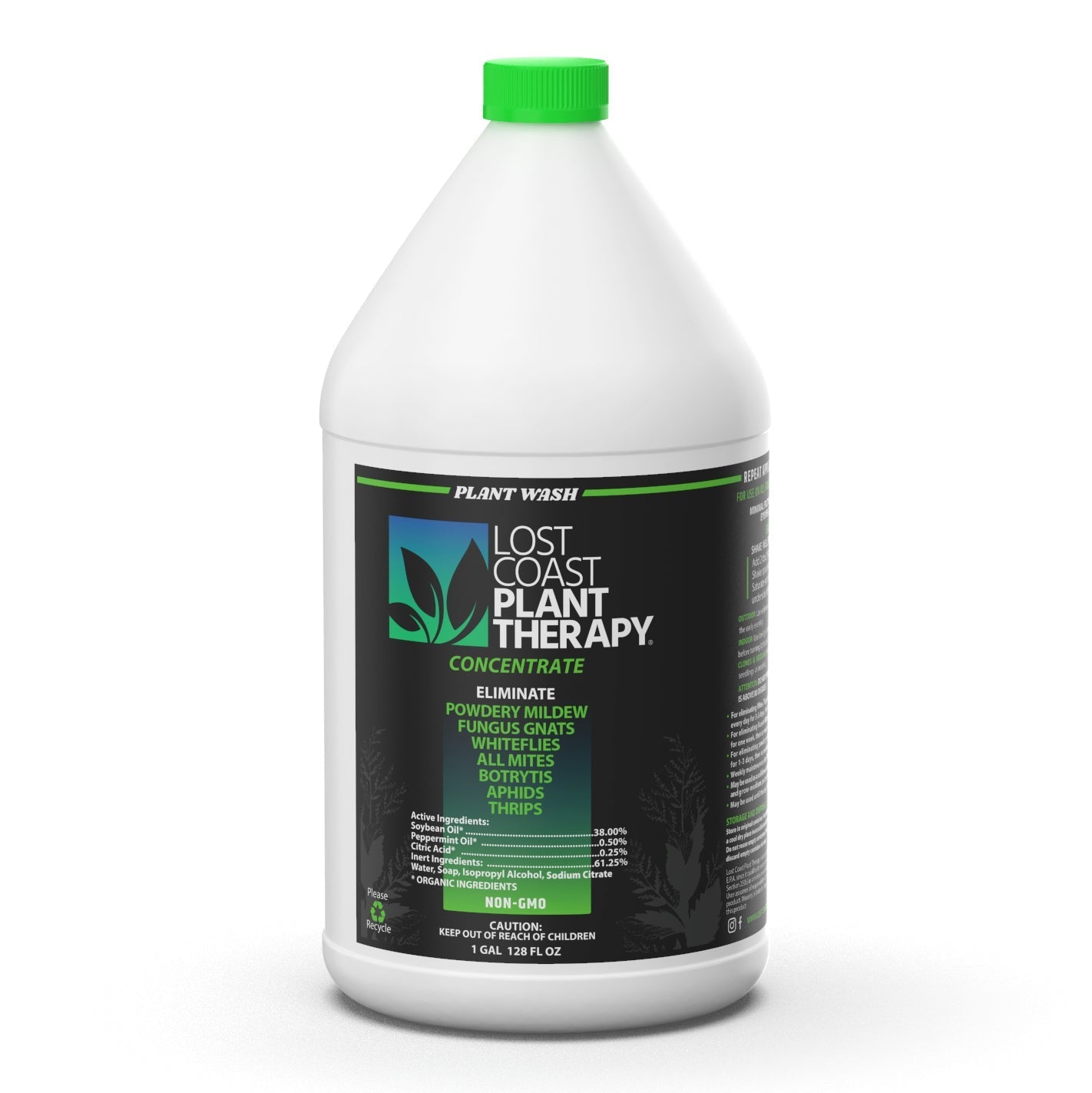
Type: Natural 3-in-1 Pest Control