


Common Signs of Botrytis (Gray Mold)
Botrytis is often first identified by soft rot and fuzzy gray mold forming on leaves, stems, flowers, or fruit. If you’re seeing collapsing plant tissue, gray dust-like growth, or rapid decay in humid conditions, botrytis may be active.

Gray Fuzzy Mold on Plant Surfaces
Gray Fuzzy Mold on Plant Surfaces
Botrytis produces a distinctive gray, fuzzy fungal growth on infected leaves, stems, flowers, and fruit. This dusty mold releases spores easily when disturbed, allowing the infection to spread quickly between nearby plants.

Soft Rot and Collapsing Tissue
Soft Rot and Collapsing Tissue
Infected plant tissue often becomes soft, water-soaked, and mushy before collapsing. Buds, flowers, and fruit are especially vulnerable, and affected areas may rapidly decay under humid conditions.

Brown Spots That Expand Quickly
Brown Spots That Expand Quickly
Botrytis often begins as small brown or tan spots on leaves or petals. These lesions expand rapidly, especially in cool, humid environments, eventually leading to widespread tissue damage and mold development.

Mold Developing Inside Buds
Mold Developing Inside Buds
Botrytis commonly develops in dense canopies, inside flowers, or within tight plant structures where airflow is limited. Infections may remain hidden until significant rot or mold becomes visible.
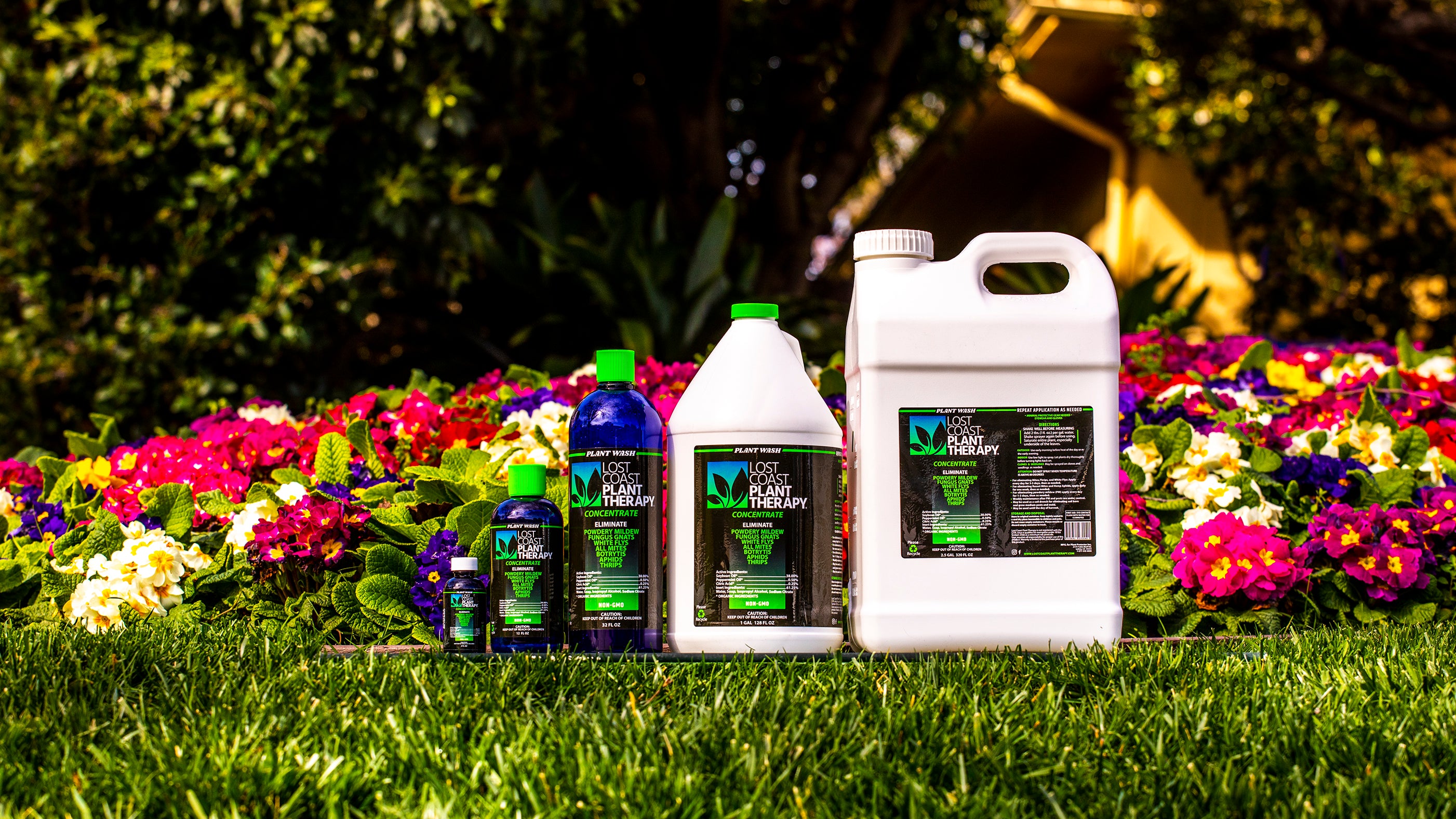
Lost Coast Plant Therapy Controls Botrytis (Gray Mold)
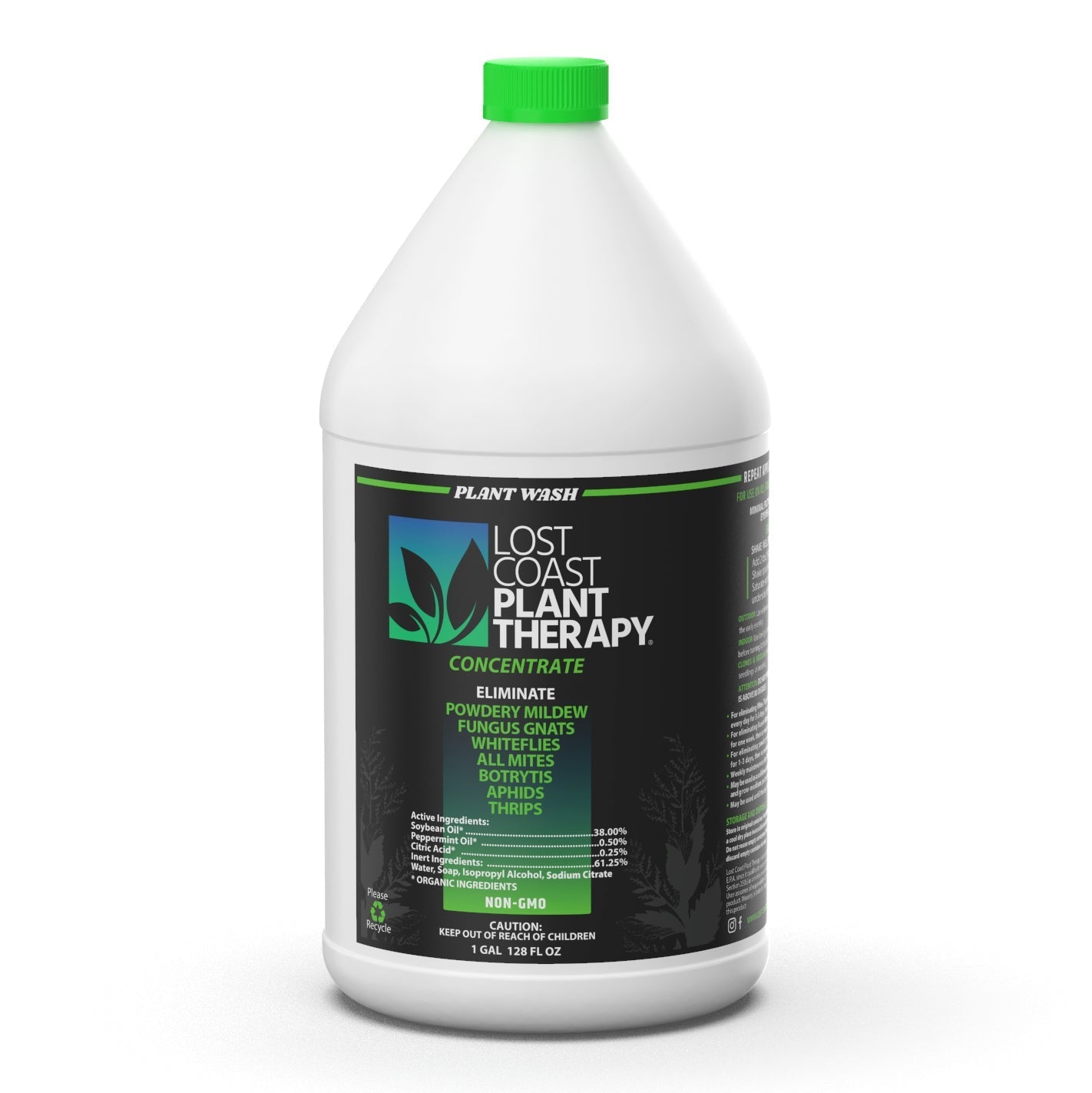
Lost Coast Plant Therapy is a minimum risk pesticide made with natural and organic ingredients. It works on contact to help control active botrytis on plant surfaces by disrupting fungal growth and reducing spread.
Controls botrytis on vegetables, ornamentals, flowering plants, and greenhouse crops
Safe for food and flowering plants when used as directed
Effective indoors, outdoors, and in greenhouses

What Is Botrytis (Gray Mold)?
Botrytis, commonly known as gray mold, is a fungal disease caused by Botrytis cinerea. It affects a wide range of plants including vegetables, ornamentals, fruiting crops, and flowering plants.
Unlike many surface-level fungi, botrytis infects plant tissue directly, causing rot, decay, and rapid breakdown of leaves, stems, buds, and fruit. It thrives in cool temperatures, high humidity, and areas with poor airflow.
Because botrytis spreads through airborne spores and thrives in moisture, thorough coverage and early treatment are essential for effective control.

Botrytis Bud Rot
Botrytis is one of the most destructive diseases in hemp cultivation, where it is commonly called bud rot. Dense flower structures trap moisture and limit airflow, creating ideal conditions for infection to develop from the inside out, often before any visible symptoms appear on the surface.
Early signs include softened or discolored buds, browning between the calyx layers, and gray or white growth beginning inside the bud structure. By the time gray mold becomes visible on the outside, the infection has already spread through surrounding tissue. Detection and consistent treatment coverage are critical during flowering and late flower stages.

Botrytis on Strawberries
Botrytis commonly infects strawberries during the ripening stage, particularly under cool, wet conditions that favor fungal development. Infection usually begins on ripe or overripe fruit, where small, soft brown spots quickly expand and develop into the characteristic fuzzy gray mold. Strawberries have delicate skin and retain surface moisture easily, so the disease can spread rapidly across fruit and between neighboring berries.
Infections often intensify during harvest periods when humidity is high and fruit is handled frequently. Even when symptoms appear minimal in the field, botrytis can continue developing after harvest.

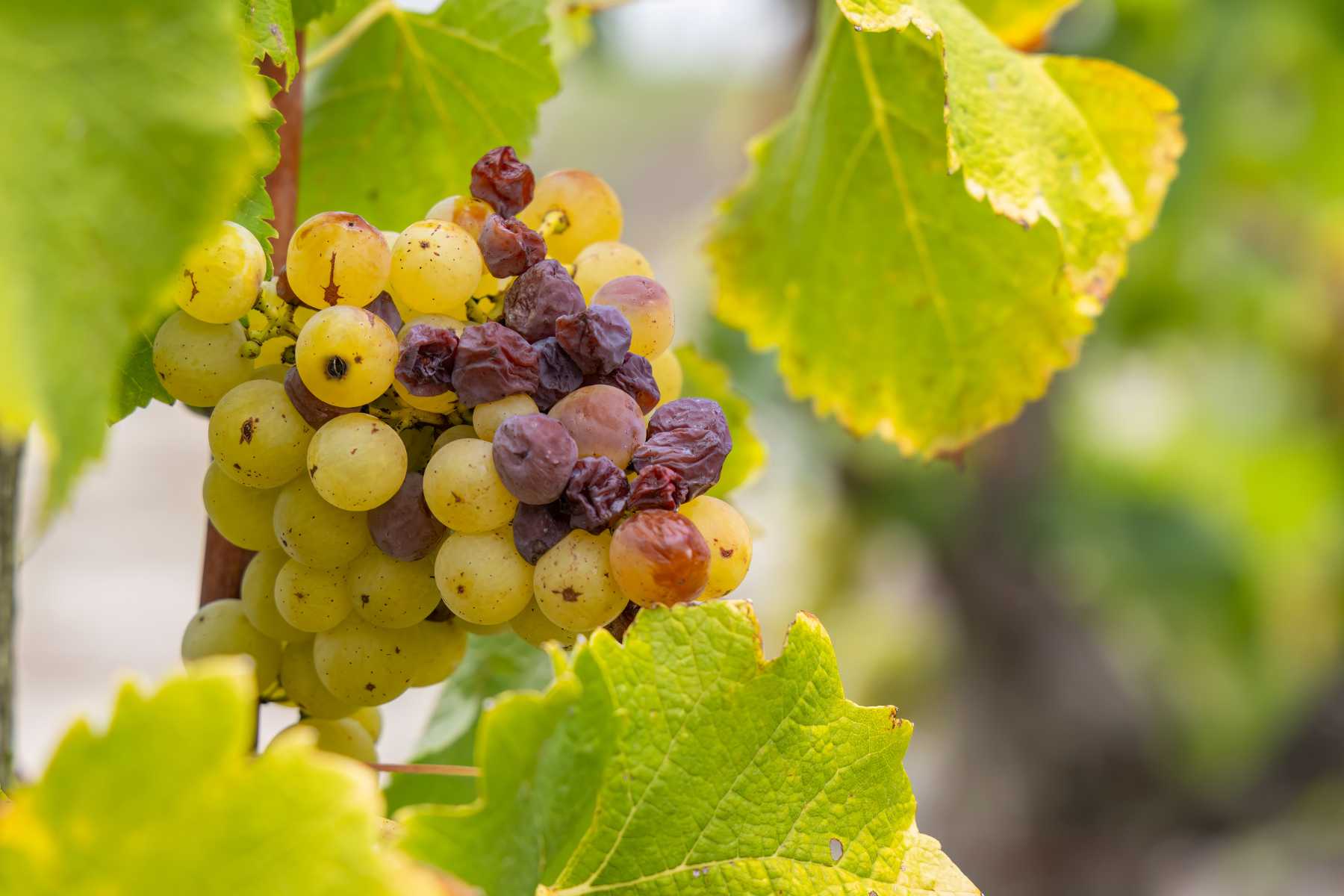
Botrytis on Grapes (Bunch Rot)
Botrytis on grapes, commonly known as bunch rot, develops within tightly packed clusters where berries trap moisture and restrict airflow. These conditions create an ideal environment for fungal growth, allowing infections to establish quickly, often without immediate visible symptoms. Early stages may begin inside the cluster, making detection difficult until decay becomes more advanced.
As infected berries break down, they release moisture and spores that spread to surrounding fruit, accelerating cluster-wide infection. This chain reaction can cause rapid crop loss, especially in humid conditions.

Lost Coast Plant Therapy
Lost Coast Plant Therapy works on contact, so complete and thorough coverage is essential to control active botrytis infections. Because gray mold can develop deep within plant tissue and dense growth, careful saturation of affected areas is critical. Just shake, mix & spray!
1. Shake concentrate well before measuring.
2. Mix 1–3 fl oz of concentrate per gallon of water.
3. Saturate leaves, stems, buds, and affected plant surfaces thoroughly.
The spray must directly coat fungal growth to be effective. Remove heavily infected plant material when possible and repeat applications to reduce spore spread and reinfection pressure.
For heavy infestations, you can boost the formula by adding 1 oz of isopropyl alcohol per gallon along with 1–3 oz of Lost Coast Plant Therapy concentrate.
The Botrytis Life Cycle
Botrytis spreads through airborne spores that infect plant tissue under favorable conditions. Once established, it can reproduce rapidly and reinfect nearby plants.
Spores Land on Plant Surfaces
Airborne spores settle on leaves, buds, and plant debris
Moist Conditions Help
Spores germinate when humidity and moisture are present
Tissue Breakdown
Fungus spreads through plant tissue, causing rot and mold
Spore Release and Spread
Gray mold releases spores that spread to new plants

Where Does Botrytis Come From?
Botrytis spores are naturally present in the environment and can be introduced through air movement, contaminated tools, plant debris, or infected plant material. Spores overwinter on dead plant tissue and become active when moisture and humidity increase.
In greenhouses and indoor grow environments, spores can circulate continuously in enclosed air, allowing infections to spread quickly between plants if conditions remain favorable.

Where Botrytis Spreads
Botrytis spreads aggressively in environments where moisture, high humidity, and limited airflow persist for extended periods. This includes greenhouses, indoor grow operations, and densely planted outdoor crops where condensation and poor air circulation create ideal conditions for fungal development.
Enclosed environments are particularly vulnerable because spores can continuously circulate and reinfect plant surfaces. Maintaining proper spacing, controlling humidity, and applying early treatment are key to preventing widespread outbreaks and preserving crop quality.

What Conditions Cause Botrytis to Spread?
Botrytis thrives in a specific window of cool temperatures and high humidity. Spores germinate most readily between 60–75°F (15–24°C) when relative humidity is above 85–90%. This is why gray mold outbreaks are most common in spring, during late outdoor harvest seasons, and inside enclosed growing spaces where moisture builds overnight.
Hot, dry conditions above 85°F typically slow or stop active botrytis growth. But spores remain viable in debris and on plant surfaces and can resume spreading once moisture returns. Poor airflow, overhead watering, dense canopy growth, and cool nighttime temperature swings all create the localized humidity pockets where botrytis takes hold first.
Botrytis vs. Powdery Mildew vs. Downy Mildew
Botrytis is often confused with powdery mildew and downy mildew, but these are separate fungal diseases with distinct characteristics and growth patterns. While mildew diseases tend to remain on leaf surfaces, botrytis causes soft rot and fuzzy gray mold that breaks down plant tissue and spreads rapidly in humid conditions.

Botrytis vs Powdery Mildew
Botrytis vs Powdery Mildew
Powdery mildew appears as a white, powdery coating on leaf surfaces and does not typically cause rapid tissue decay. Botrytis, by contrast, causes soft rot and gray fuzzy mold, often starting on buds, flowers, or damaged tissue.

Botrytis vs Downy Mildew
Botrytis vs Downy Mildew
Downy mildew creates yellow patches on the tops of leaves and fuzzy gray or purple growth underneath. Botrytis causes widespread rot and fuzzy gray mold that spreads through plant tissue, especially in wet conditions.

Where Botrytis Starts First
Where Botrytis Starts First
Botrytis often begins in dense, moist areas such as inside buds, flower clusters, or tight canopy growth where airflow is limited and moisture remains trapped.

Active Botrytis Signs
Active Botrytis Signs
Active botrytis releases visible clouds of spores when disturbed. Rapidly expanding soft rot and gray mold growth within 24–48 hours are strong indicators the infection is spreading.
FAQ’s about Botrytis
What is gray mold on plants?
What is gray mold on plants?
Gray mold is another name for botrytis, a fungal disease caused by Botrytis cinerea. It appears as fuzzy gray growth on leaves, stems, flowers, and fruit, and spreads rapidly in cool, humid conditions where airflow is limited.
Is botrytis the same as bud rot?
Is botrytis the same as bud rot?
Yes. botrytis is commonly called bud rot because it infects dense flower structures from the inside out. The same fungus, Botrytis cinerea, also causes gray mold on strawberries, grapes, tomatoes, ornamentals, and hundreds of other plant species under the same conditions.
Does botrytis spread to other plants?
Does botrytis spread to other plants?
Yes. Botrytis spreads through airborne spores that are easily disturbed and carried by air movement, water splash, and handling. In greenhouses or enclosed grow spaces, removing infected material carefully, without disturbing it, helps reduce the spread of spores to nearby plants.
Can botrytis be stopped once it starts?
Can botrytis be stopped once it starts?
Yes, but early intervention is critical. Removing infected material, improving airflow, and applying Lost Coast Plant Therapy can help control the spread.
How do you know if botrytis is actively spreading?
How do you know if botrytis is actively spreading?
If you gently disturb gray mold on a plant surface and see a visible puff of dusty spores release into the air, the infection is actively sporulating and spreading. Rapidly expanding soft rot, new spots appearing on nearby tissue, and fuzzy gray growth increasing in size over one to two days are all signs of active spread.
How do you get rid of botrytis (gray mold)?
How do you get rid of botrytis (gray mold)?
To get rid of botrytis, remove infected plant material, improve airflow, and reduce humidity. Apply treatment of Lost Coast Plant Therapy with thorough coverage to affected areas and repeat as needed to prevent spores from spreading and reinfecting nearby plants.
What temperature does botrytis grow at?
What temperature does botrytis grow at?
Botrytis is most active between 60–75°F (15–24°C) with humidity above 85%. This is why outbreaks are common in spring, in late-season outdoor gardens, and in enclosed spaces that stay cool and damp overnight. Hot, dry conditions above 85°F typically slow or stop active growth, though spores can remain viable and resume spreading when moisture returns.
Can you eat fruit with botrytis on it?
Can you eat fruit with botrytis on it?
Fruit with active botrytis should generally not be consumed. The exception is in wine production, where a controlled form called noble rot is intentionally used on certain grapes to concentrate sugars. Outside of that specific context, gray mold on strawberries, tomatoes, or other produce indicates tissue breakdown and decay.
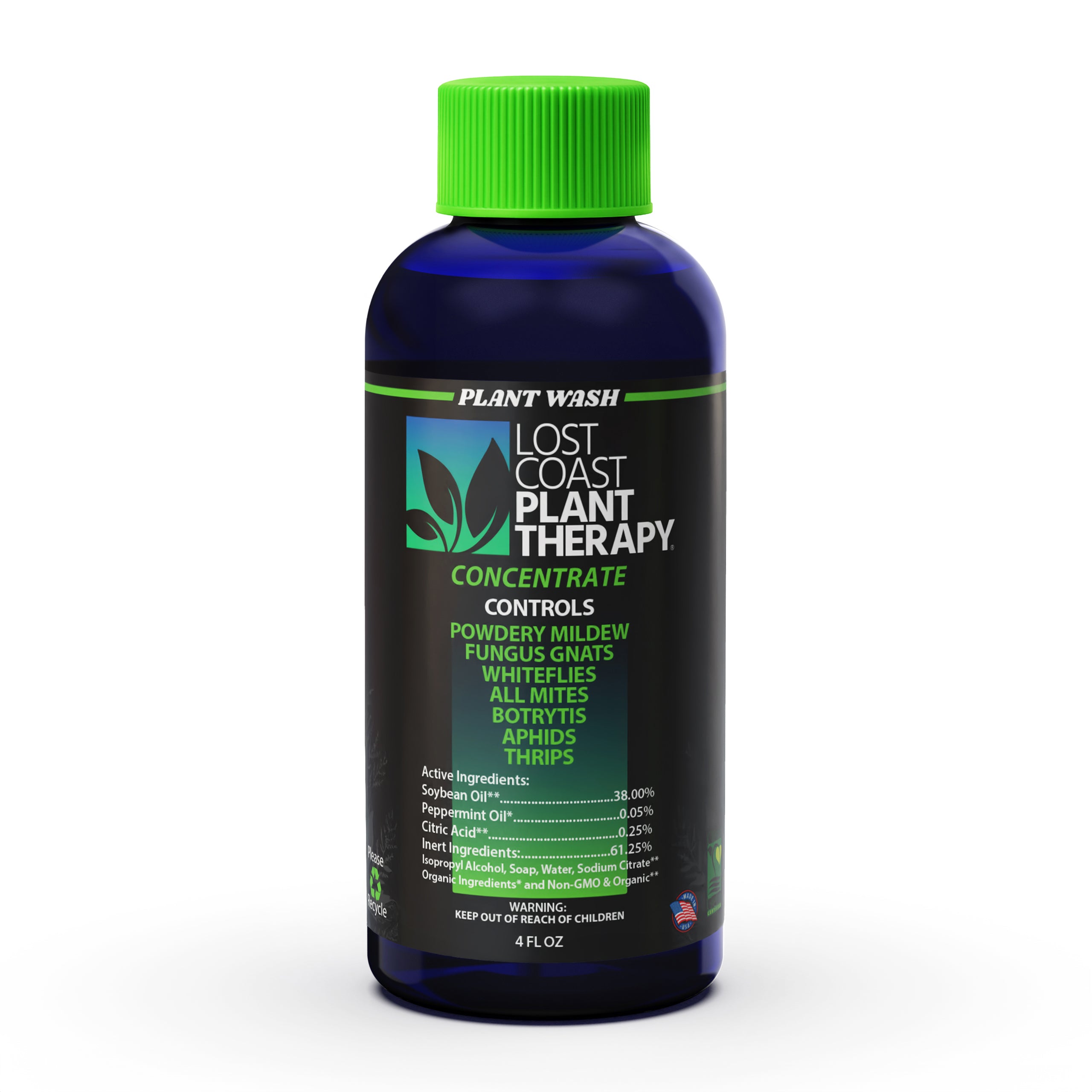
Type: Natural 3-in-1 Pest Control
4 oz Bottle

Type: Natural 3-in-1 Pest Control
12oz Bottle
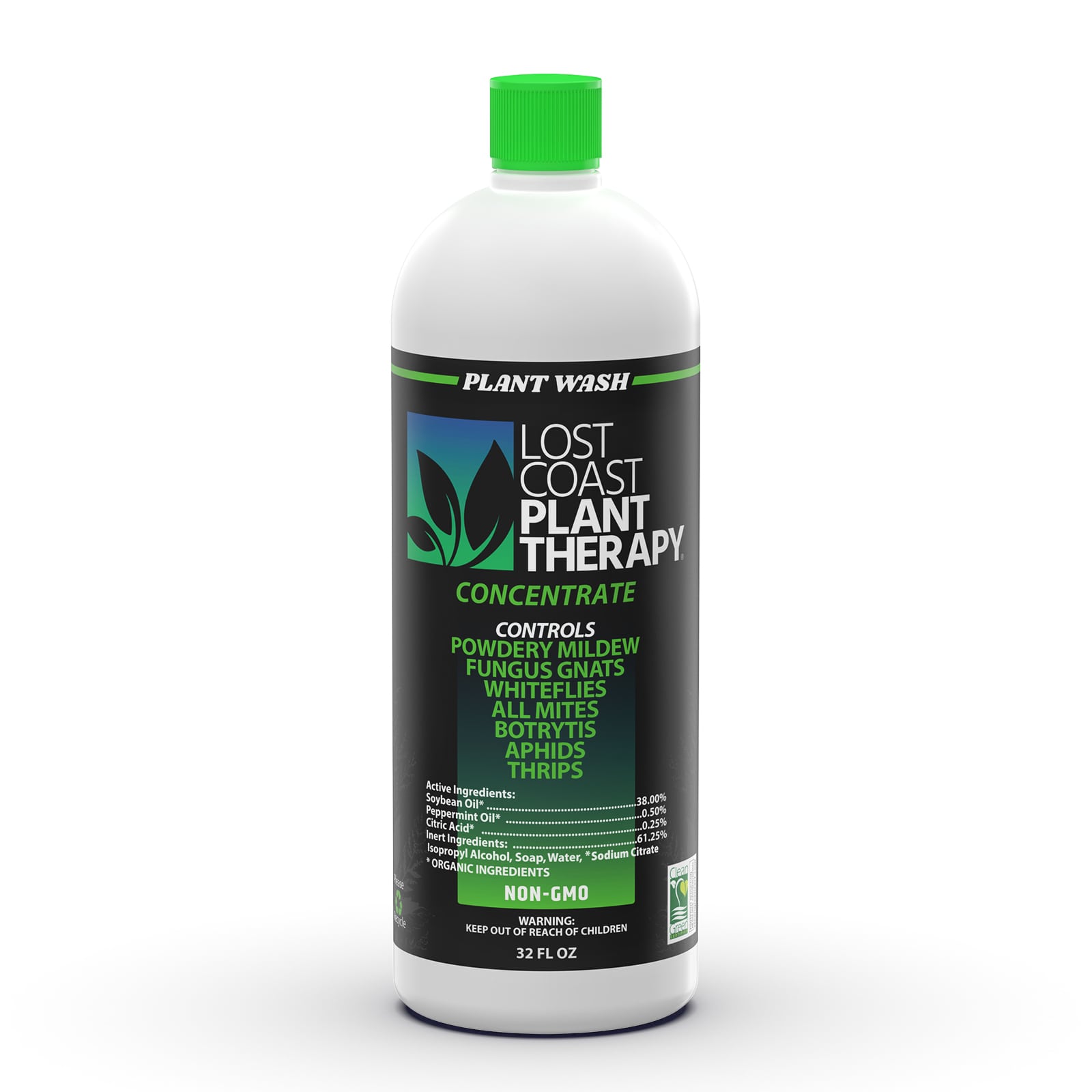
Type: Natural 3-in-1 Pest Control
32oz Bottle
Type: Natural 3-in-1 Pest Control