
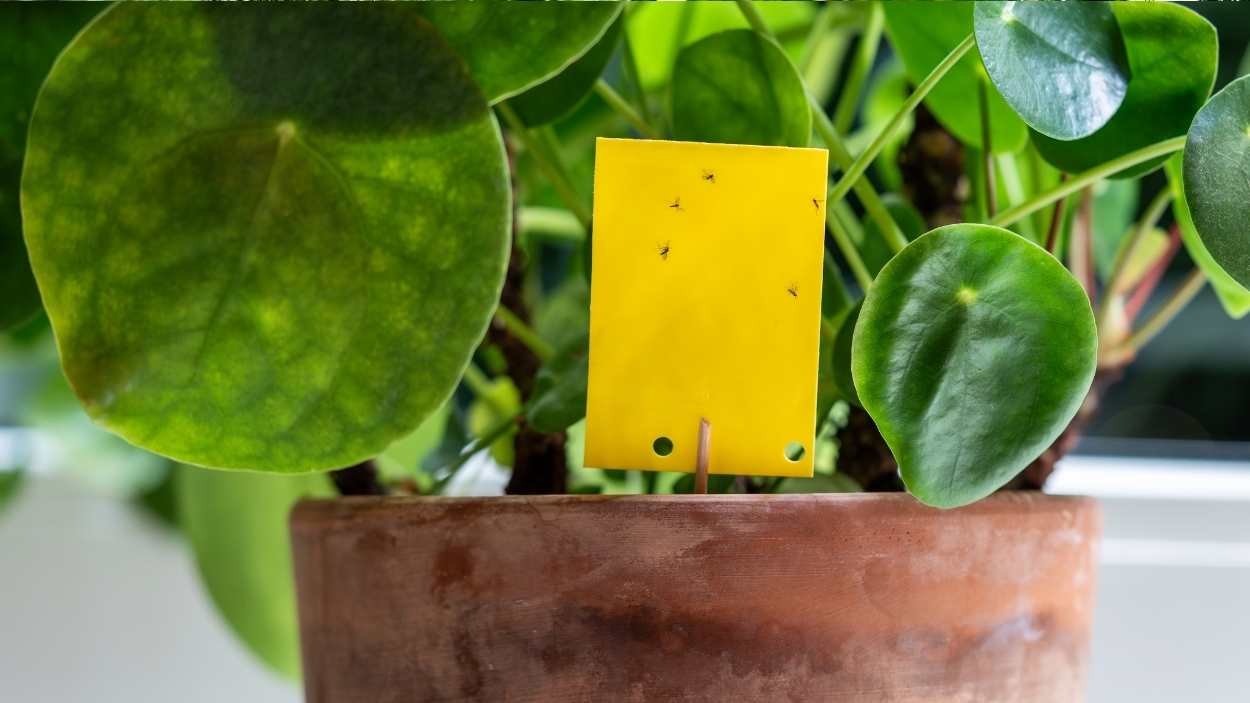


Common Signs of a Fungus Gnat Infestation
Fungus gnats are usually discovered by what’s happening in the soil. If you’re noticing tiny black flies around your plants or clear worms in damp potting mix, these are the most common warning signs of fungus gnat activity.

Flies Hovering Near Soil
Flies Hovering Near Soil
If small black flies lift off when you water or move a plant, fungus gnats are likely breeding in the soil. Adults are weak fliers but hover persistently near the surface, especially in damp, overwatered pots.

Soil That Smells Musty
Soil That Smells Musty
Fungus gnats thrive in overly moist, organic-rich soil that never fully dries. If your potting mix remains wet for days and attracts small flies, excess moisture is likely supporting an active breeding cycle.

Larvae in Soil
Larvae in Soil
Fungus gnat larvae live in moist potting mix and appear as tiny, translucent worms with dark heads. They feed on organic matter and fine roots beneath the surface, often going unnoticed until plant health declines.

Yellowing or Stunted Growth
Yellowing or Stunted Growth
When larvae feed on tender roots, plants may struggle to absorb water and nutrients. This can lead to slow growth, drooping, yellowing leaves, and weakened seedlings, especially in consistently wet soil conditions.
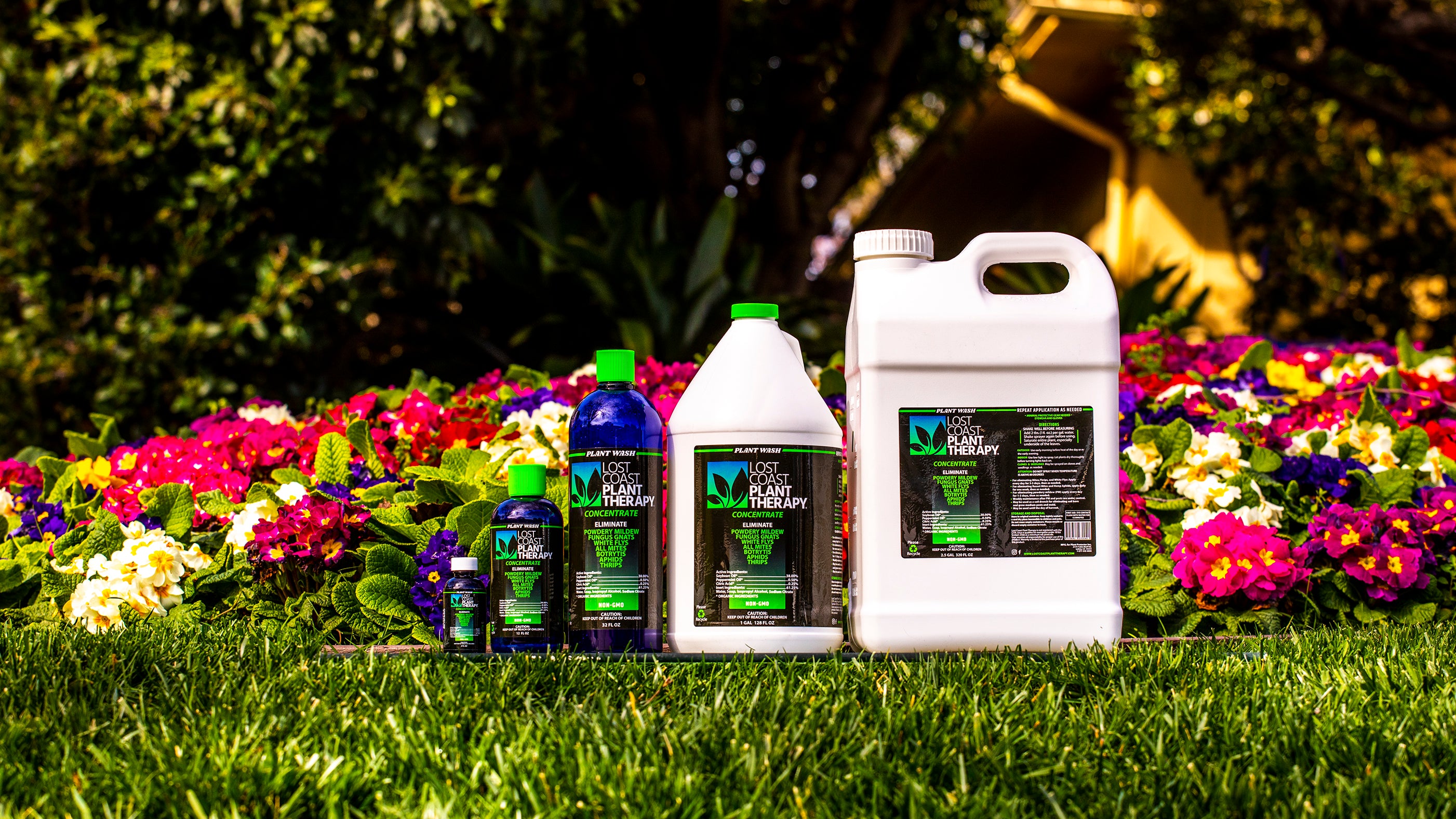
Lost Coast Plant Therapy Controls Fungus Gnats
Lost Coast Plant Therapy is a minimum risk pesticide made with natural and organic ingredients. It controls adult fungus gnats on contact, coating soft-bodied insects and causing dehydration and suffocation while disrupting thoracic, metabolic, and exoskeleton function when applied to soil surfaces and plant foliage.

Fungus Gnats in Houseplants
Fungus gnats are one of the most common indoor plant pests. Houseplants grown in decorative containers often retain moisture longer than outdoor soil, creating ideal breeding conditions.
When potting mix stays damp, eggs hatch quickly and larvae begin feeding on fine roots. Without natural predators indoors, populations can expand year-round. Repeated overwatering is the primary trigger behind most indoor fungus gnat infestations.

Fungus Gnats in Seedlings
Seedlings are especially vulnerable to fungus gnat damage because their root systems are delicate and undeveloped. Larvae feeding beneath the soil surface can stunt growth, reduce nutrient uptake, and even cause sudden collapse in young plants.
Seed-starting trays and humidity domes often trap moisture, accelerating breeding cycles. If tiny flies appear around propagation trays, inspect the soil immediately for clear larvae with black heads.

Fungus Gnats in Greenhouses
Greenhouses provide the perfect environment for fungus gnats to reproduce continuously. Warm temperatures, high humidity, and consistent irrigation create stable breeding conditions.
Adults move easily between plant rows, while larvae remain hidden in moist soil beneath crops. Because life stages overlap, infestations can persist without visible warning. Routine monitoring of soil moisture and early intervention are critical in greenhouse production systems.

Fungus Gnats in Hydroponics
Fungus gnats can also develop in hydroponic systems, particularly when organic debris accumulates in grow media. Rockwool, coco coir, and other moisture-retaining substrates provide egg-laying sites if kept overly saturated.
Larvae may feed on root hairs and organic buildup around the root zone. In recirculating systems, stable warmth and moisture allow rapid reproduction if environmental conditions remain unchecked.

Fungus Gnats in Commercial Grow Rooms
Commercial grow rooms often experience fungus gnat pressure due to frequent watering, dense plant spacing, and controlled climate conditions. Adults are attracted to consistently moist media and can spread quickly between containers.
Because operations run year-round, reproduction never truly stops without intervention. Managing moisture levels and disrupting breeding cycles is essential to prevent population buildup in professional production environments.

Lost Coast Plant Therapy
Lost Coast Plant Therapy works on contact, so thorough coverage of soil surfaces and lower plant areas is essential to control active fungus gnat infestations.
Just shake, mix & spray!
1. Shake concentrate well before measuring.
2. Mix 1–3 fl oz of concentrate per gallon of water.
3. Thoroughly spray the soil surface, container edges, and lower stems.
The spray must directly coat adult fungus gnats to control them. Because larvae develop in moist soil, consistent surface treatment combined with proper watering practices helps disrupt the breeding cycle.
For heavy infestations, you can boost the formula by adding 1 oz of isopropyl alcohol per gallon along with 1–3 oz of Lost Coast Plant Therapy concentrate.

Treating Fungus Gnats at the Soil Level
Because fungus gnat larvae develop in moist potting mix, treating only flying adults may not fully interrupt the breeding cycle. In addition to surface spraying, Lost Coast Plant Therapy may be used as a soil drench in conjunction with spraying.
To use as a drench, mix according to label directions and apply evenly through the growing medium. Proper drainage and allowing soil to dry between waterings remain essential for long-term control.
Fungus Gnat Life Cycle
Fungus gnats reproduce quickly in consistently moist potting mix. Unlike leaf-feeding pests, their entire life cycle revolves around the soil surface and root zone. If moisture remains constant, new adults can emerge continuously.
Eggs in Moist Soil
Females lay eggs directly in damp potting mix.
Larvae Feed on Fine Roots
Clear larvae consume organic matter and roots.
Pupate in the Soil Surface
Larvae develop into adults within the potting mix.
Adults Emerge Quickly
New adults lay eggs in moist soil within days.

Where Do Fungus Gnats Come From?
Fungus gnats are almost always linked to excess moisture. Overwatering and poor drainage create ideal breeding conditions in organic-rich potting mix. Eggs and larvae thrive in soil that stays damp for extended periods.
They’re also commonly introduced through infested nursery plants, contaminated potting soil, or greenhouse environments where humidity stays high.
Standing water in saucers or nearby trays can further support population growth.

Indoor vs Outdoor Fungus Gnats
Indoors, there are no natural predators to keep populations in check. Warm temperatures and consistently moist soil allow year-round breeding, especially in houseplants. This is why small indoor infestations can expand quickly.
Outdoors, airflow, natural drying cycles, and beneficial insects help reduce populations naturally. Fungus gnats are far more persistent indoors than outdoors.
Fungus Gnats vs Fruit Flies
Many people confuse fungus gnats with fruit flies. While both are small flying insects, they breed in completely different environments and require different control strategies.
Identifying where they gather and how they look is the fastest way to determine which pest you’re dealing with.

Fungus Gnats = Found Near Soil
Fungus Gnats = Found Near Soil
Fungus gnats hover around plant pots and moist soil. They lift off when plants are watered or disturbed and rarely gather around food sources. If the insects stay near houseplants, breeding is likely happening in the potting mix.

Fruit Flies = Found Near Food
Fruit Flies = Found Near Food
Fruit flies gather around ripening fruit, drains, trash cans, and kitchen surfaces. They are attracted to fermentation and organic food waste, not potting soil. If flies are clustering near produce, the source is likely kitchen-related.

Fungus Gnats = Slender
Fungus Gnats = Slender
Fungus gnats have narrow bodies, long legs, and a mosquito-like appearance. They move lightly and hover weakly near soil surfaces. Their darker color and delicate build distinguish them from fruit flies at close inspection.

Fruit Flies = Rounder and Tan
Fruit Flies = Rounder and Tan
Fruit flies are smaller, rounder, and often tan or light brown. They have shorter legs and move more quickly around food surfaces. Unlike fungus gnats, they are rarely seen hovering above plant pots.
FAQ’s about Fungus Gnats
How do you get rid of fungus gnats fast?
How do you get rid of fungus gnats fast?
The fastest way to reduce fungus gnats is to let the top layer of soil dry between waterings and treat the soil surface to control adult gnats. Because they breed in moist potting mix, reducing excess moisture immediately slows reproduction while contact control reduces flying adults.
See more on how to get rid of fungus gnats here.
Do fungus gnats go away on their own?
Do fungus gnats go away on their own?
Small populations may decline if soil dries out completely. However, if moisture remains consistent, fungus gnats will continue reproducing. Indoors, where conditions stay warm and stable, infestations rarely disappear without correcting watering practices and interrupting the breeding cycle.
Why do fungus gnats keep coming back?
Why do fungus gnats keep coming back?
Fungus gnats return when soil stays damp. Eggs and larvae develop below the surface, so even if adults are reduced, new gnats can emerge days later. Without addressing moisture levels and the soil stage of their life cycle, reinfestation is common.
Are fungus gnats harmful to plants?
Are fungus gnats harmful to plants?
Adult fungus gnats are mostly a nuisance, but larvae can damage roots. In seedlings and young plants, root feeding can cause yellowing, slow growth, or sudden decline. Mature plants tolerate minor feeding better, but heavy infestations can weaken overall plant health.
What kills fungus gnats instantly?
What kills fungus gnats instantly?
Only direct contact treatments reduce adult gnats immediately. However, killing adults alone does not stop the life cycle. Long-term control requires disrupting breeding conditions in the soil and reducing excess moisture.
Do fungus gnats live in soil?
Do fungus gnats live in soil?
Yes. Eggs, larvae, and pupae develop in moist potting mix. The soil is the center of their life cycle. Adults emerge from the surface and lay new eggs in damp areas, continuing the cycle.
How do fungus gnats spread?
How do fungus gnats spread?
Fungus gnats spread through infested potting soil, nursery plants, and by flying between nearby containers. In greenhouses and indoor grow spaces, adults move easily from plant to plant.
What plants attract fungus gnats?
What plants attract fungus gnats?
Fungus gnats are not attracted to specific plant species. They are attracted to moisture and organic-rich soil. Overwatered houseplants, seedlings, and greenhouse crops are most at risk.
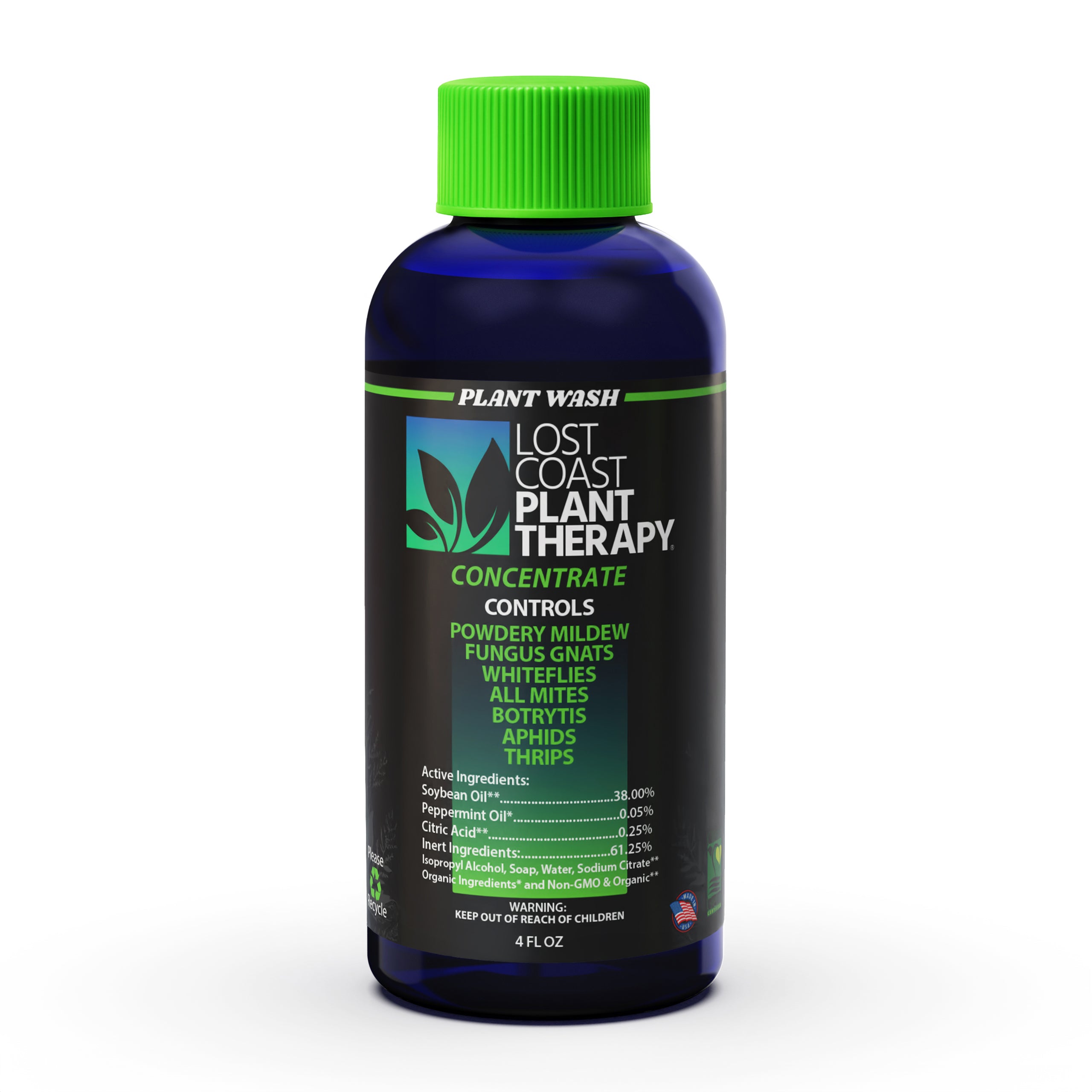
Type: Natural 3-in-1 Pest Control
4 oz Bottle
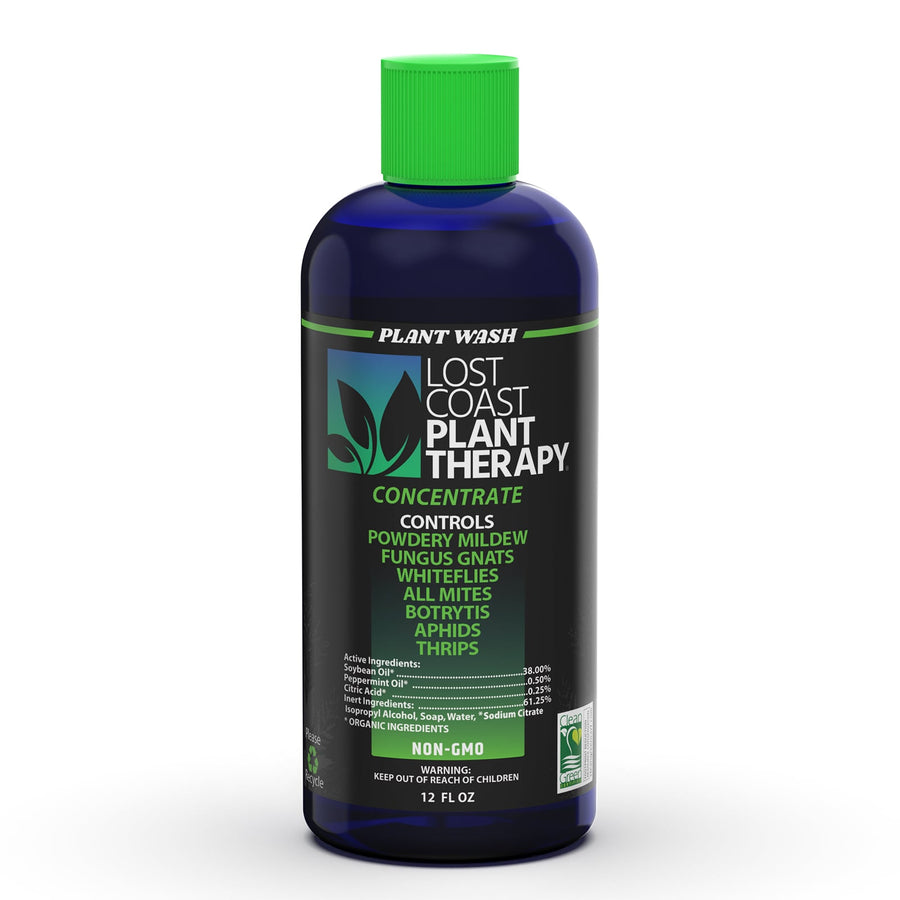
Type: Natural 3-in-1 Pest Control
12oz Bottle
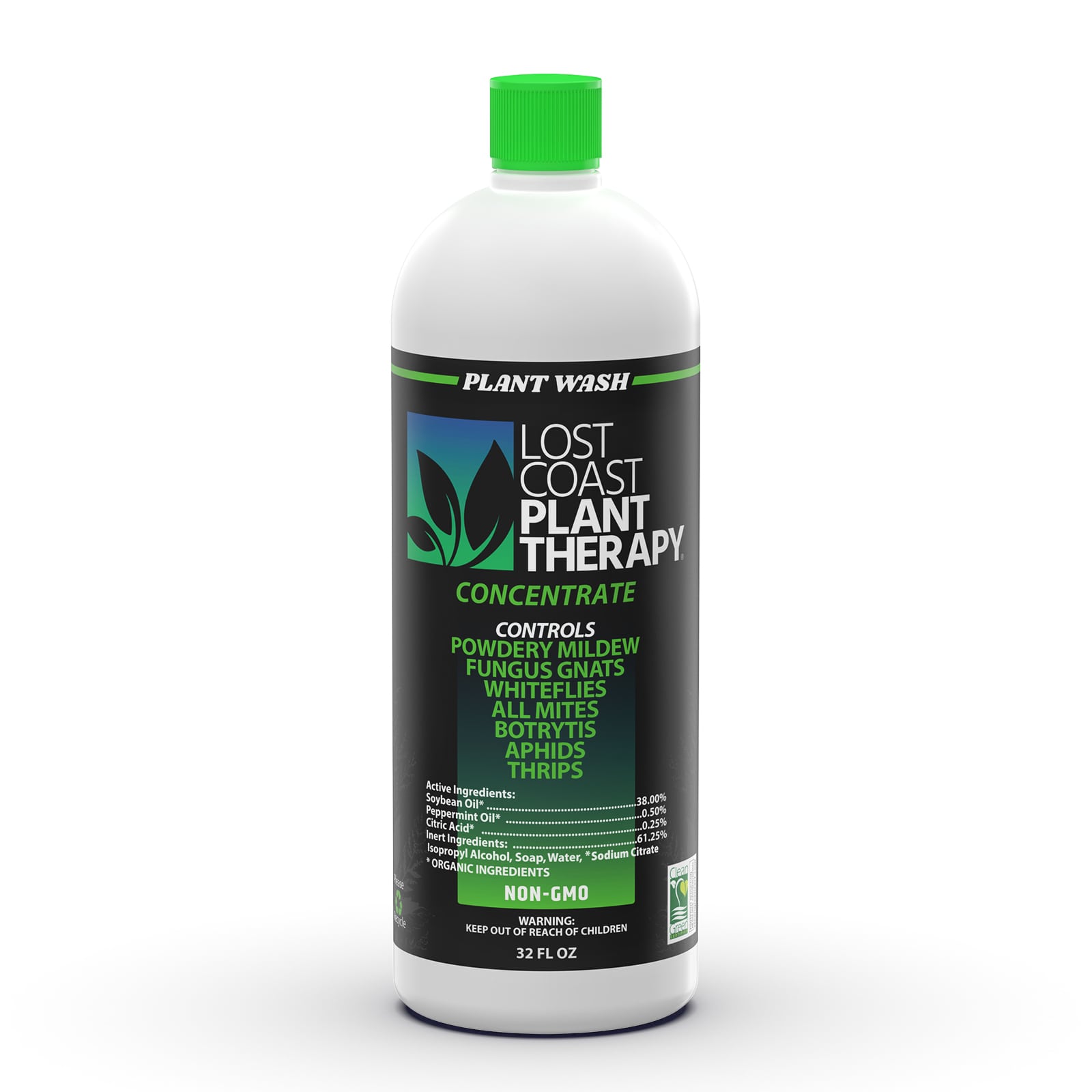
Type: Natural 3-in-1 Pest Control
32oz Bottle
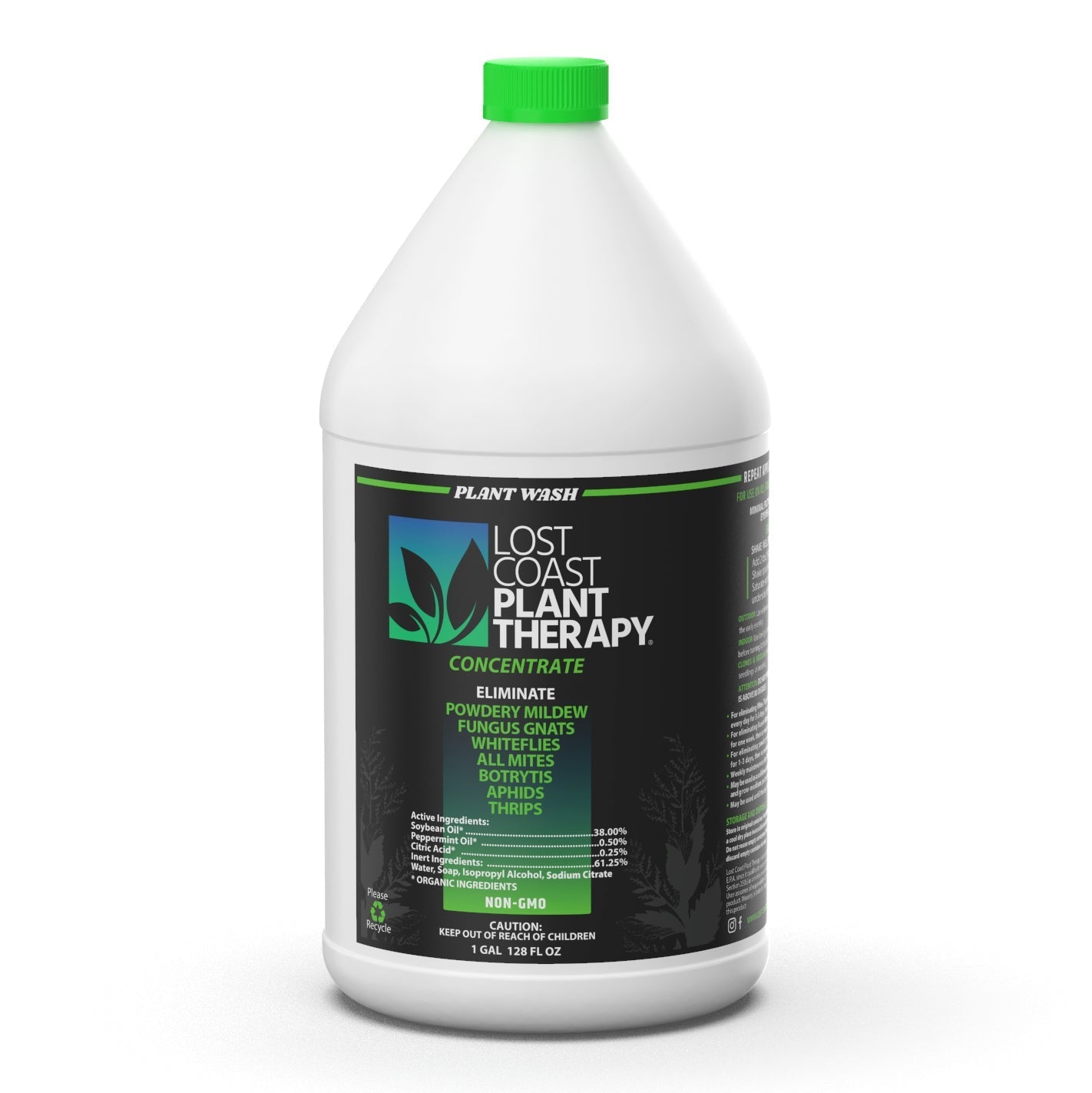
Type: Natural 3-in-1 Pest Control