


Common Signs of a Leafhopper Infestation
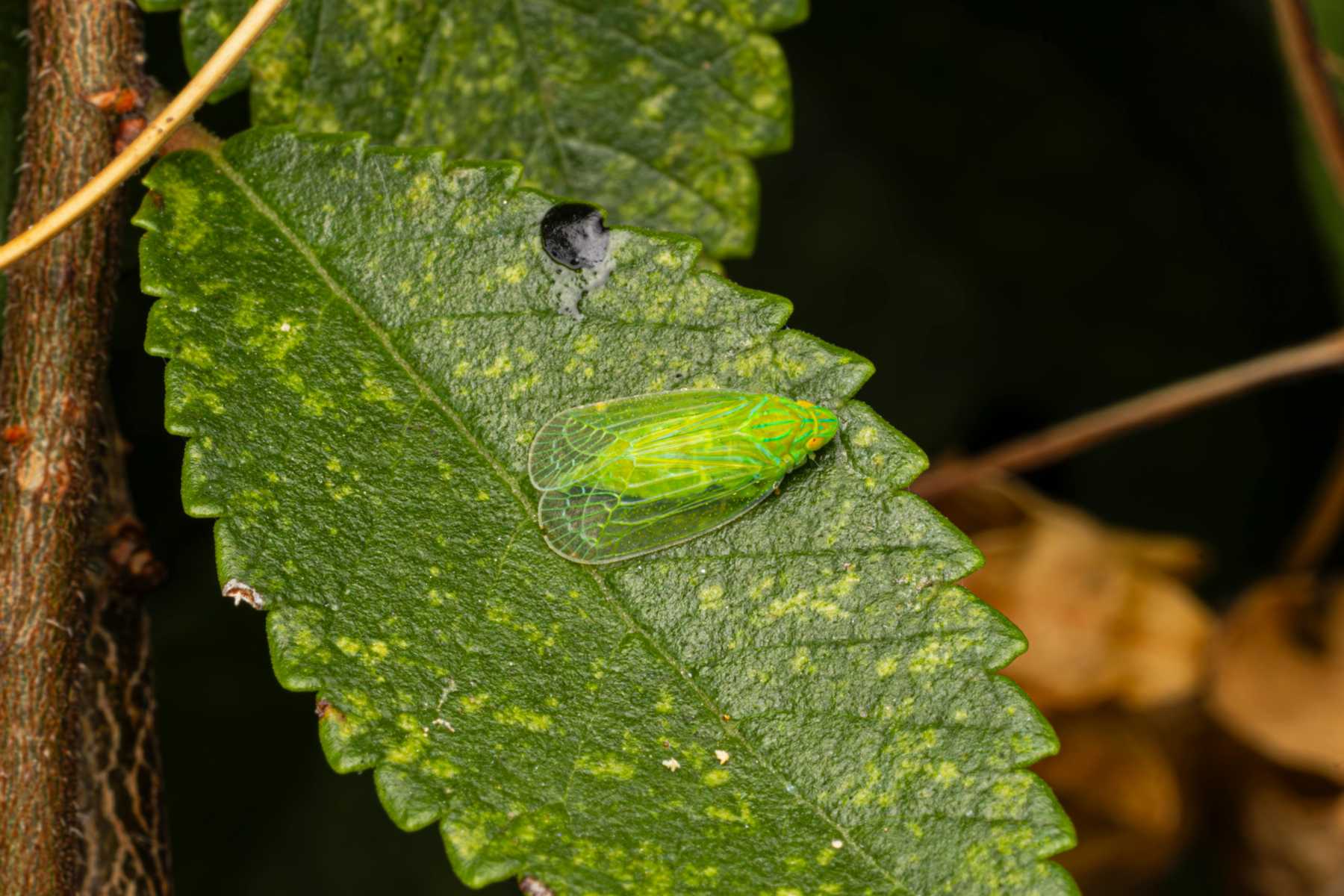
Leafhoppers are often identified by plant damage and movement rather than visible colonies. If you’re seeing yellow speckling, leaf damage, or small insects jumping when disturbed, leafhoppers may already be active.

Yellow or White Speckling on Leaves
Yellow or White Speckling on Leaves
Leafhoppers pierce plant cells and feed on sap, causing small yellow or white spots known as stippling. As feeding continues, leaves may appear faded, spotted, or stressed.

Leaf Edges Turning Brown (Hopper Burn)
Leaf Edges Turning Brown (Hopper Burn)
Prolonged feeding can cause leaf edges to yellow, curl, or turn brown, a condition known as hopper burn. This damage reduces photosynthesis and weakens plant health.

Small Insects Jumping When Disturbed
Small Insects Jumping When Disturbed
Leafhoppers are fast-moving and will jump or fly when plants are touched. Many growers first notice them when brushing foliage and seeing small insects scatter quickly.

Reduced Plant Vigor and Growth
Reduced Plant Vigor and Growth
Heavy infestations can weaken plants over time, leading to slower growth, reduced yields, and overall decline in plant health.
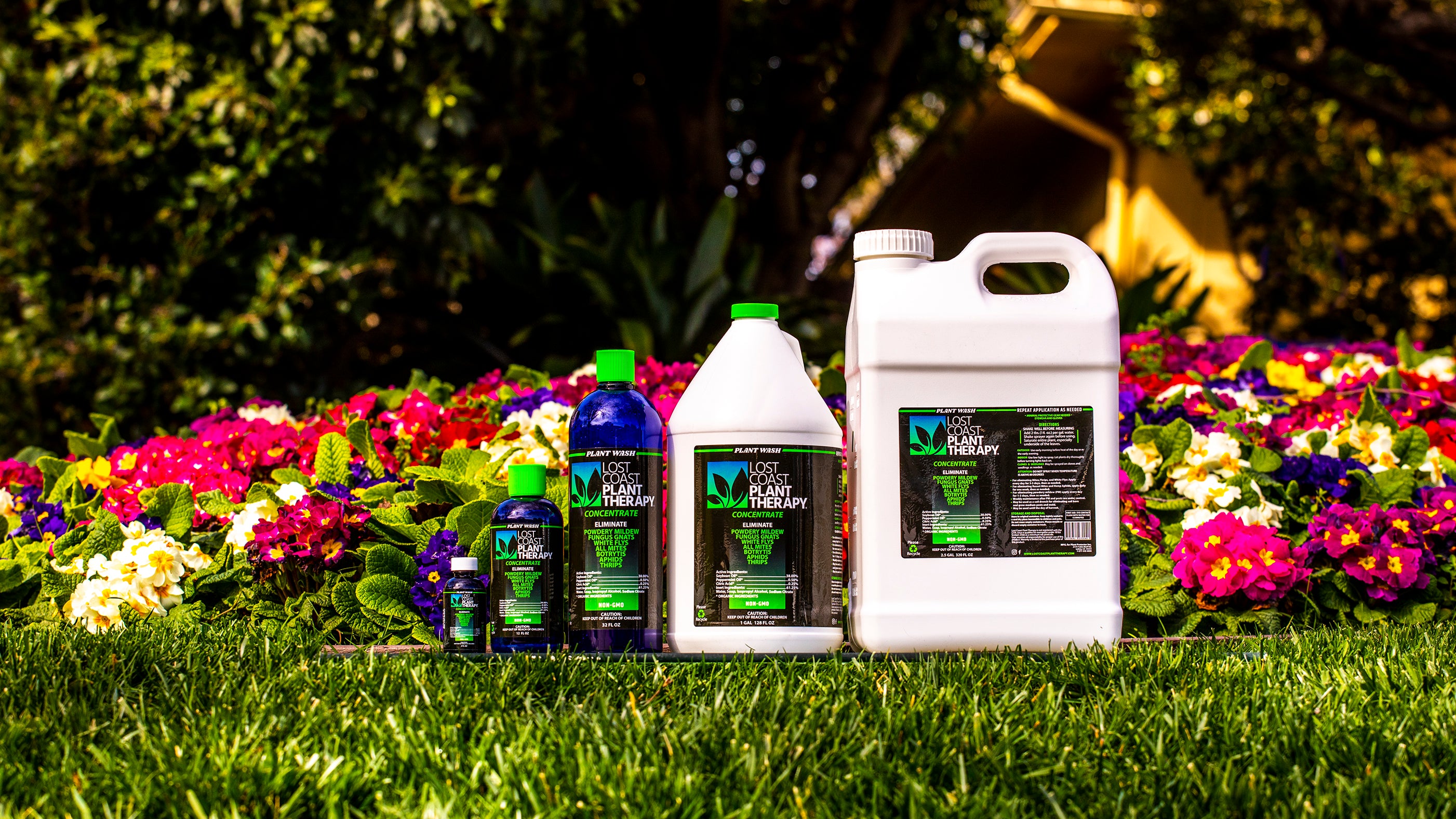
Lost Coast Plant Therapy Controls Leafhoppers
Lost Coast Plant Therapy is a minimum risk pesticide made with natural and organic ingredients. It works on contact to help control active leafhopper infestations by coating soft-bodied insects and causing dehydration and suffocation while disrupting thoracic, metabolic, and exoskeleton function.
Controls leafhoppers on houseplants, ornamentals, citrus, and greenhouse crops
Safe for food and flowering plants when used as directed
Effective indoors, outdoors, and in greenhouses

What Are Leafhoppers?
Leafhoppers are small, wedge-shaped insects that feed on plant sap by piercing leaf tissue and extracting cell contents. They are highly mobile and will jump or fly when disturbed, which makes them harder to detect than slower-moving pests like aphids.
Leafhoppers commonly infest vegetables, field crops, ornamental plants, and greenhouse production systems. Some species are also known to transmit plant diseases, making early detection and control especially important in both home gardens and commercial agriculture.

Where Do Leafhoppers Come From?
Leafhoppers are commonly introduced into gardens and growing areas through wind movement, migration from nearby fields, or infested plants.
In agricultural and garden settings, populations often build on nearby host plants before spreading to crops. In greenhouses, leafhoppers are typically introduced through incoming plant material or ventilation systems. Once present, their ability to jump and fly allows them to spread quickly between plants, especially during warm growing conditions when reproduction accelerates.

Lost Coast Plant Therapy
Lost Coast Plant Therapy works on contact, so complete and thorough coverage is essential to control active leafhopper infestations. Just shake, mix & spray!
1. Shake concentrate well before measuring.
2. Mix 1–3 fl oz of concentrate per gallon of water.
3. Saturate the entire plant, especially stems, leaf joints, undersides, and visible white clusters.
The spray must directly coat eggs and nymphs in order to control them. Repeat applications are necessary to interrupt the life cycle and reduce re-emerging populations.
For heavy infestations, you can boost the formula by adding 1 oz of isopropyl alcohol per gallon along with 1–3 oz of Lost Coast Plant Therapy concentrate.

Leafhoppers and Aster Yellows Disease
Aster yellows is one of the most damaging plant diseases spread by leafhoppers, particularly the aster leafhopper. It affects a wide range of plants including carrots, lettuce, celery, potatoes, and many ornamental flowers, especially those in the daisy family such as marigolds, zinnias, coneflowers, and asters.
The disease is caused by a phytoplasma, a bacterium-like organism, that leafhoppers pick up by feeding on infected plants and then transmit to healthy ones. Once a plant is infected, it cannot recover and should be removed to prevent further spread.
Controlling leafhopper populations before and during the growing season is the primary way to reduce aster yellows risk.

Grape Leafhoppers and Pierce's Disease
Beyond direct feeding damage, certain leafhopper species carry and transmit Xylella fastidiosa, the bacterium responsible for Pierce's disease of grapevine. Pierce's disease is fatal to grapevines and has no cure. Infected vines decline progressively and cannot recover, making early intervention the only effective strategy.
Because Lost Coast Plant Therapy works on contact and is most effective against nymphs and soft-bodied early stages, targeting leafhopper populations early, before they mature and become highly mobile, gives you the best window for control and reduces the opportunity for disease transmission between plants.
The Leafhopper Life Cycle
Leafhoppers reproduce quickly and develop through stages that allow populations to expand rapidly during the growing season.
Eggs Inserted into Plant Tissue
Females lay eggs inside leaves and stems
Nymphs Feed on Leaves
Young leafhoppers begin feeding immediately
Adults Become Highly Mobile
Adults jump or fly between plants
Multiple Generations Develop
Populations increase rapidly in warm conditions

Leafhoppers on Vegetables (Beans, Potatoes, Tomatoes)
Leafhoppers are a common pest on vegetables such as beans, potatoes, tomatoes, and leafy greens. They feed directly on leaf tissue, causing yellow speckling, stippling, and reduced plant vigor. One of the most recognized symptoms is hopper burn, where leaf edges turn yellow, then brown and crispy.
Because leafhoppers target actively growing crops, infestations can reduce yield and slow plant development.

Leafhoppers on Grapes and Vine Crops
Leafhoppers are a major pest in vineyards and on grapevines, where they feed on leaf surfaces and reduce photosynthesis. Damage appears as pale yellow stippling that can spread across entire leaves, eventually leading to leaf drop in severe infestations.
Grapevines are especially vulnerable because leaf damage directly impacts sugar production and fruit development. In commercial and backyard vineyards, early detection and control are essential to maintain plant health and crop quality.

Leafhoppers in Field Crops
Leafhoppers are well known in field crops such as alfalfa, beans, and other row crops, where they can cause widespread damage across large planting areas. Feeding reduces plant vigor, stunts growth, and lowers yield.
In crops like alfalfa, leafhopper feeding can significantly reduce nutritional quality and harvest value. Because populations can migrate in large numbers, infestations may appear suddenly and spread rapidly across fields if not managed early.

Leafhoppers in Greenhouses
Greenhouses provide favorable conditions for leafhoppers due to stable temperatures and continuous plant growth. Once introduced, they can reproduce quickly and spread between crops.
Because leafhoppers are highly mobile and do not cluster visibly, infestations often go unnoticed until leaf damage becomes widespread.
Dense plant spacing and overlapping foliage can allow populations to build quickly. Regular monitoring and thorough treatment coverage are essential to prevent long-term plant stress and crop loss.
Why Leafhoppers Are Hard to Control
Leafhoppers are difficult to manage due to their mobility, rapid reproduction, and ability to spread quickly between plants. Thorough coverage with Lost Coast Plant Therapy helps control soft-bodied nymphs before they mature.

They Move Quickly Between Plants
They Move Quickly Between Plants
Leafhoppers can jump or fly short distances when disturbed, allowing them to spread rapidly across garden beds and nearby plants.

Eggs Are Hidden in Plant Tissue
Eggs Are Hidden in Plant Tissue
Leafhopper eggs are inserted directly into leaves and stems, where they are protected from surface treatments. As eggs hatch, newly emerged nymphs become exposed and can be controlled with Lost Coast Plant Therapy.

Nymphs Are the Most Vulnerable Stage
Nymphs Are the Most Vulnerable Stage
Young leafhopper nymphs are soft-bodied and begin feeding immediately after hatching. Applying Lost Coast Plant Therapy during this stage helps control populations before insects mature into fast-moving adults.

They Reinfest from Nearby Plants
They Reinfest from Nearby Plants
Leafhoppers often migrate from surrounding vegetation, weeds, or nearby crops, reintroducing infestations even after treatment. Consistent applications targeting active nymphs help reduce reinfestation and population buildup.
FAQ’s about Leafhoppers
Are leafhoppers harmful to plants?
Are leafhoppers harmful to plants?
Yes. Leafhoppers damage plants by piercing leaf tissue and feeding on sap, which causes stippling, yellowing, and reduced photosynthesis. Over time, this weakens plant vigor and slows growth. Some species can also transmit plant diseases, making them especially harmful in vegetable crops, vineyards, and field production systems where infestations can impact yield and plant health.
What damage do leafhoppers cause to plants?
What damage do leafhoppers cause to plants?
Leafhoppers cause damage by feeding on individual plant cells, resulting in small yellow or white spots known as stippling. As feeding continues, leaves may turn pale, develop brown edges (hopper burn), curl, or dry out. This damage reduces photosynthesis and can weaken plant structure, leading to slower growth and reduced crop yields.
What is aster yellows disease?
What is aster yellows disease?
Aster yellows is an incurable plant disease spread by the aster leafhopper that affects carrots, lettuce, celery, potatoes, and many flowering ornamentals. Infected plants show yellowing of new growth, distorted leaves, stunted development, and abnormal or misshapen flowers. There is no treatment once a plant is infected, removal is the only option. Controlling leafhopper populations is the most effective way to reduce the risk of transmission.
Why are my leaves turning yellow with tiny spots?
Why are my leaves turning yellow with tiny spots?
Leaves with small yellow or white speckles are often a sign of leafhopper feeding. These insects pierce leaf cells and remove contents, leaving behind visible stippling patterns. If this damage progresses, leaves may become discolored, develop brown edges, and lose vitality, especially during warm growing conditions when populations increase.
Why do leafhoppers keep coming back after treatment?
Why do leafhoppers keep coming back after treatment?
Leafhoppers often return because eggs are inserted directly into plant tissue and are not affected by surface treatments. Newly hatched nymphs can quickly begin feeding and rebuild populations. In addition, nearby vegetation or outdoor populations can continuously reintroduce leafhoppers, making repeat applications and monitoring essential.
How do you get rid of leafhoppers on plants?
How do you get rid of leafhoppers on plants?
To get rid of leafhoppers, apply Lost Coast Plant Therapy with thorough coverage across leaf surfaces and undersides where feeding occurs. Because they are mobile and reproduce quickly, repeat applications are necessary to interrupt the life cycle. Targeting early stages and maintaining consistent coverage significantly improves control effectiveness.
Do leafhoppers spread disease?
Do leafhoppers spread disease?
Yes. Several leafhopper species are significant disease vectors. The aster leafhopper spreads aster yellows, which is fatal to many vegetable and ornamental plants. The glassy-winged sharpshooter vectors Pierce's disease in grapevines. The beet leafhopper spreads curly top virus to beans, tomatoes, peppers, and beets. Because these diseases are incurable, keeping leafhopper populations low is the most important preventive measure.
What is hopper burn on plants?
What is hopper burn on plants?
Hopper burn is a condition caused by prolonged leafhopper feeding, where leaf edges turn yellow, then brown, and eventually dry out. This damage reduces photosynthesis and weakens the plant. It is most commonly seen on crops like beans, potatoes, and alfalfa during active infestations.
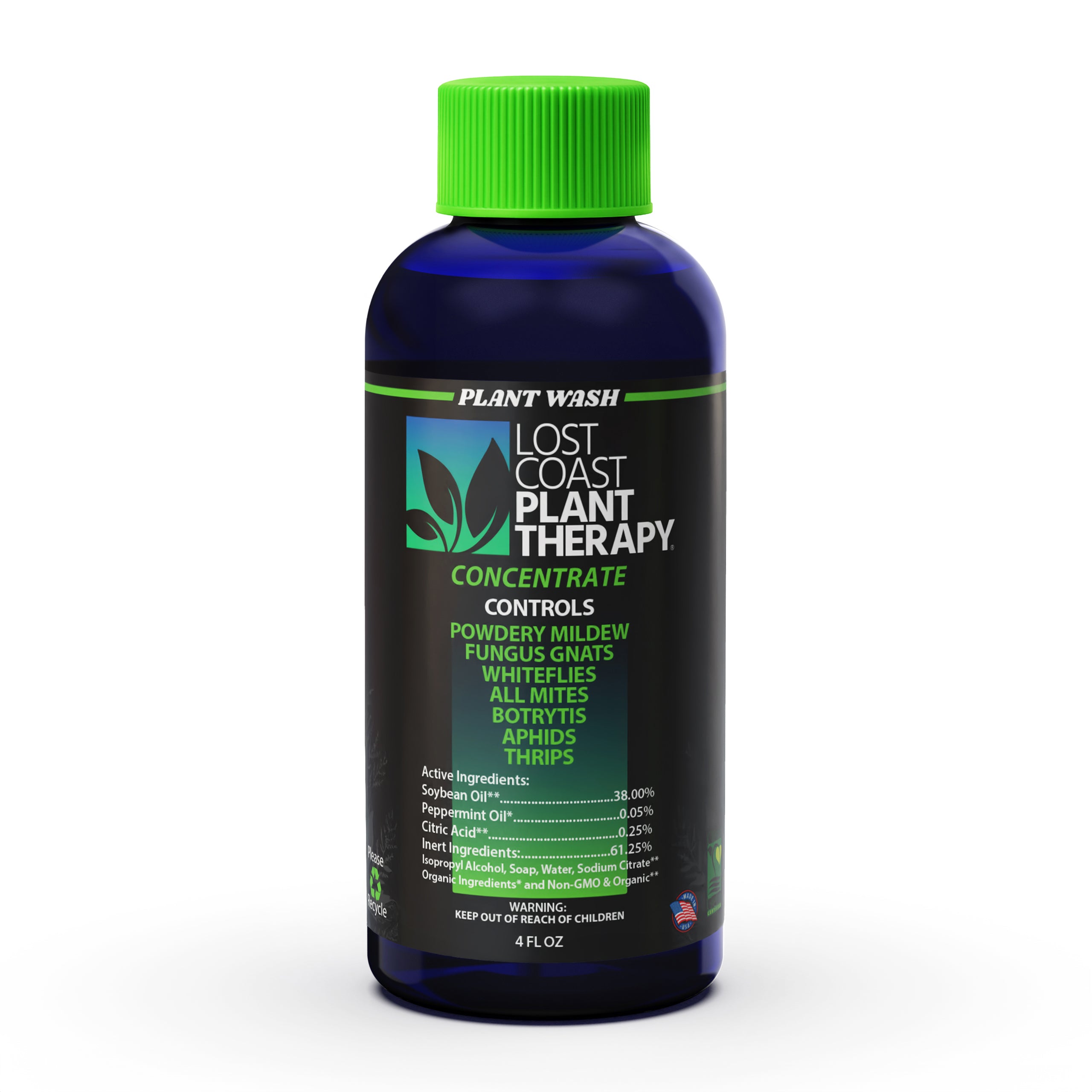
Type: Natural 3-in-1 Pest Control
4 oz Bottle
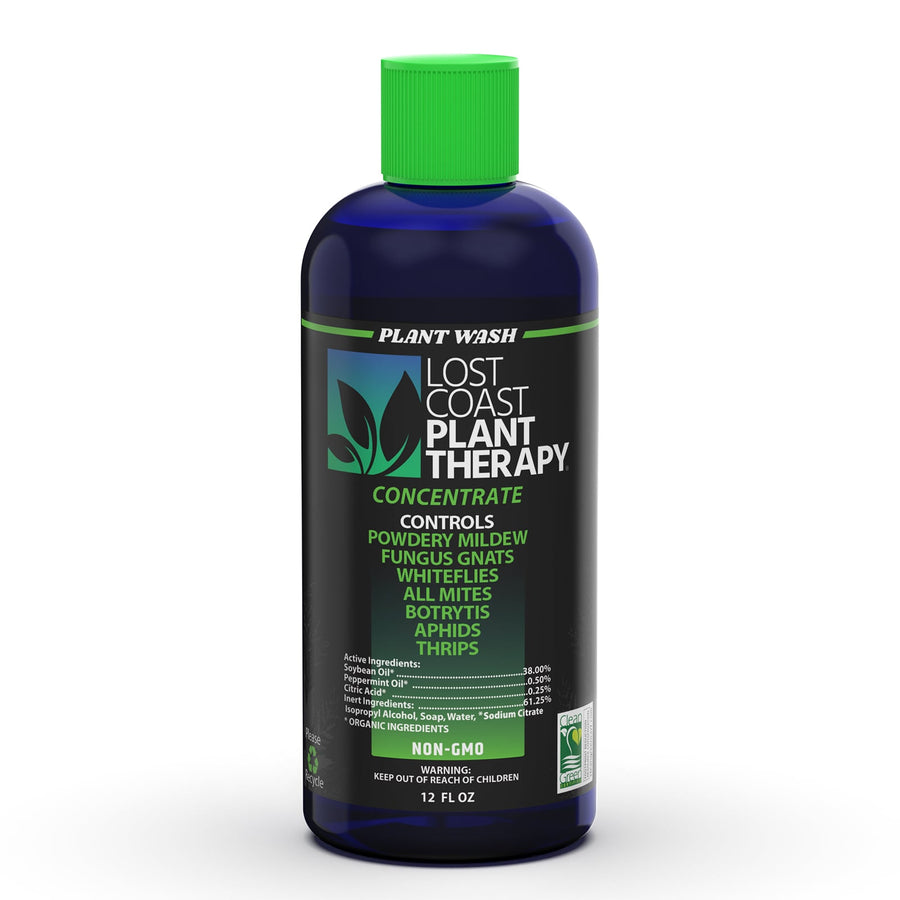
Type: Natural 3-in-1 Pest Control
12oz Bottle
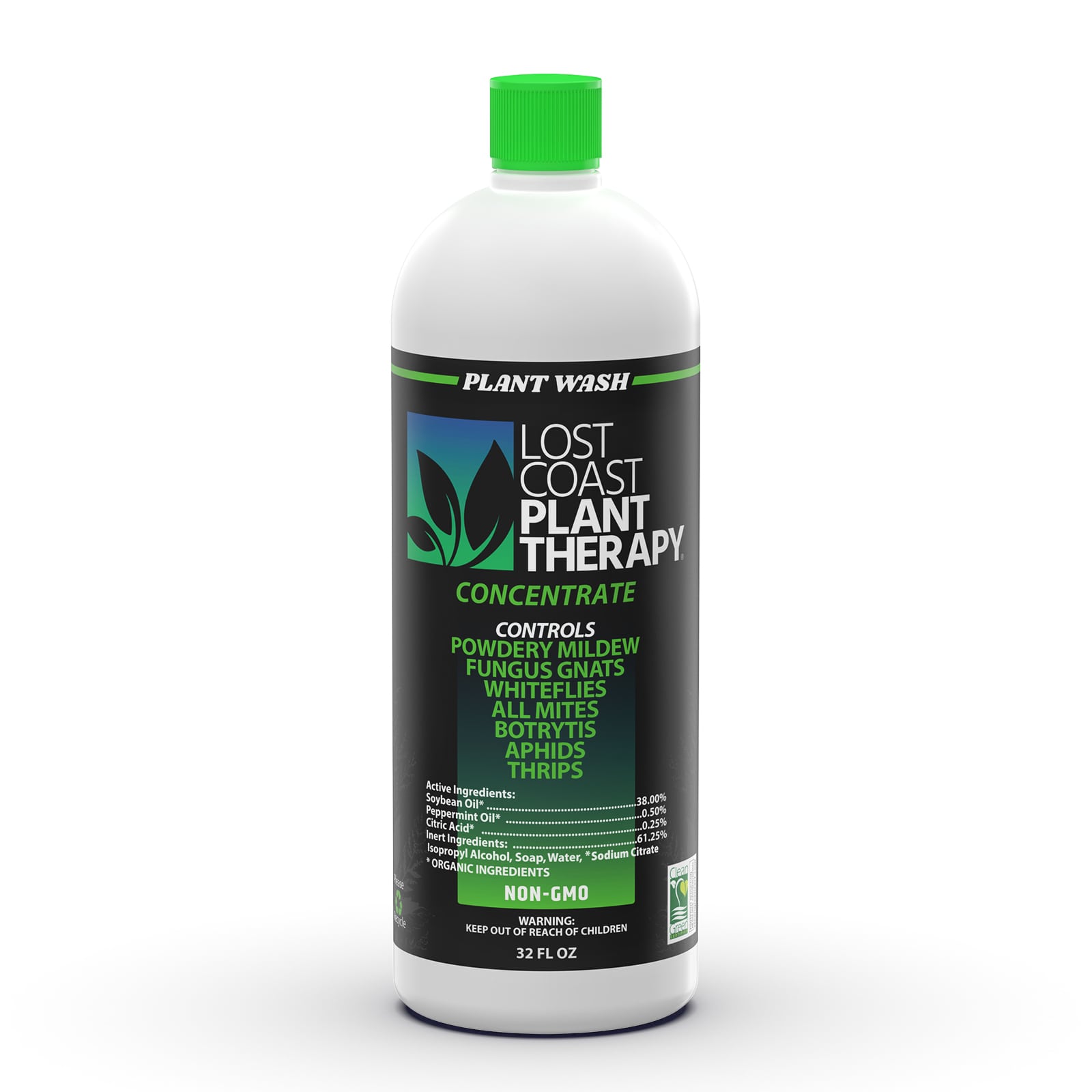
Type: Natural 3-in-1 Pest Control
32oz Bottle
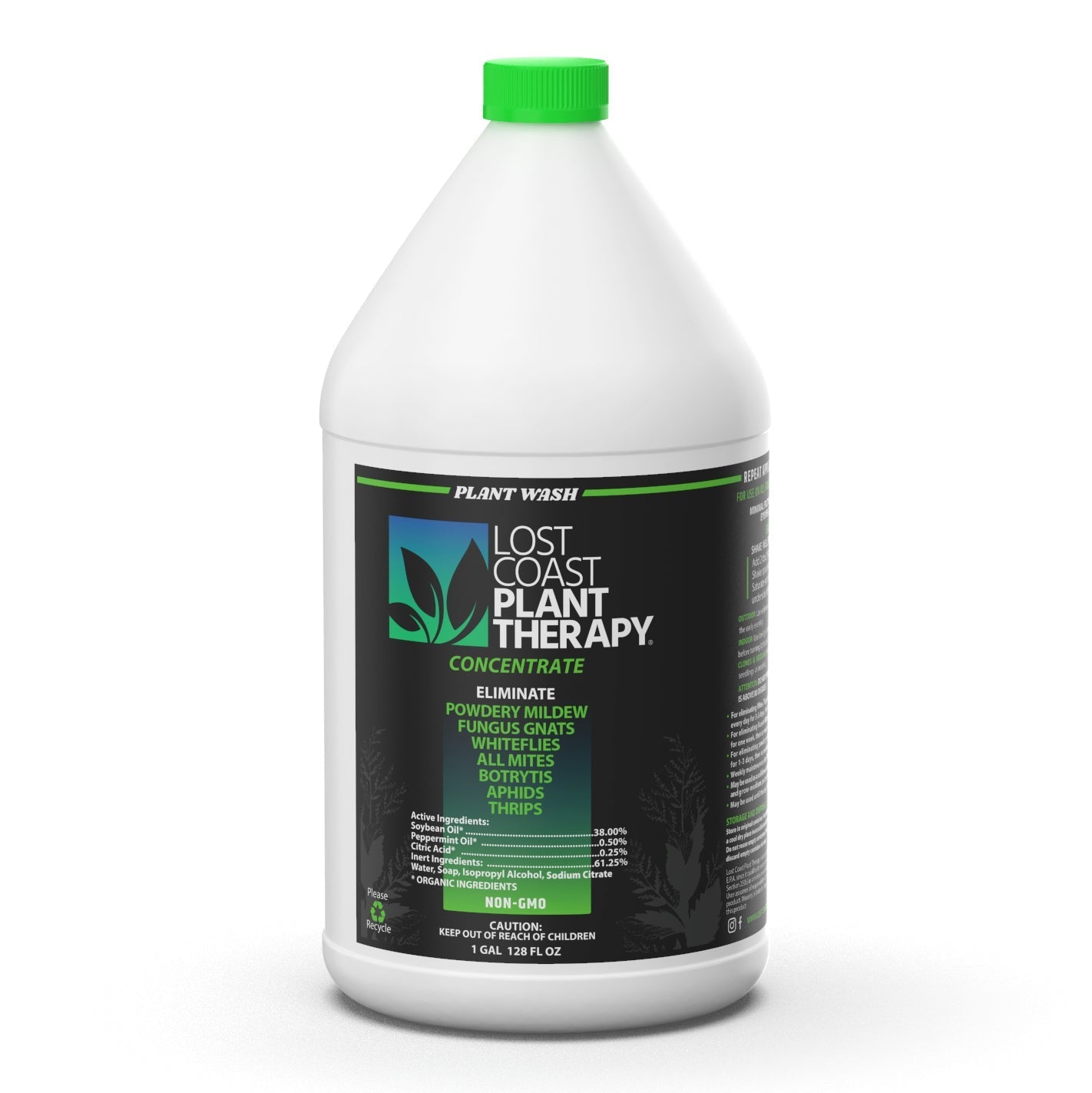
Type: Natural 3-in-1 Pest Control