


Common Signs of a Mealybug Infestation
Mealybugs are often identified by the white, cotton-like residue they leave behind on stems, leaf joints, and tender growth. If you’re seeing sticky leaves, white fuzzy clusters, or slowed plant growth, mealybugs may be active.

White Cotton-Like Clusters on Plants
White Cotton-Like Clusters on Plants
Mealybugs are commonly recognized by their white, waxy, cotton-like appearance. They cluster around stems, leaf nodes, undersides of leaves, and new growth, often hiding in protected areas where infestations can build before being noticed.

Sticky Leaves & Shiny Residue
Sticky Leaves & Shiny Residue
As mealybugs feed on plant sap, they excrete honeydew, a sugary residue that coats leaves and stems. This sticky buildup can attract ants and lead to black sooty mold forming on plant surfaces over time.

Stunted Growth and Yellowing Leaves
Stunted Growth and Yellowing Leaves
Heavy mealybug feeding weakens plants by draining sap from stems, leaves, and developing growth. Infested plants may appear slow-growing, wilted, yellowed, or generally unhealthy even when watering and fertilization seem normal.

White Bugs Hiding in Leaf Joints
White Bugs Hiding in Leaf Joints
Mealybugs often gather in tight crevices where leaves meet stems or where branches divide. These hidden pockets protect them from casual inspection and allow colonies to expand in places many growers fail to spray thoroughly.
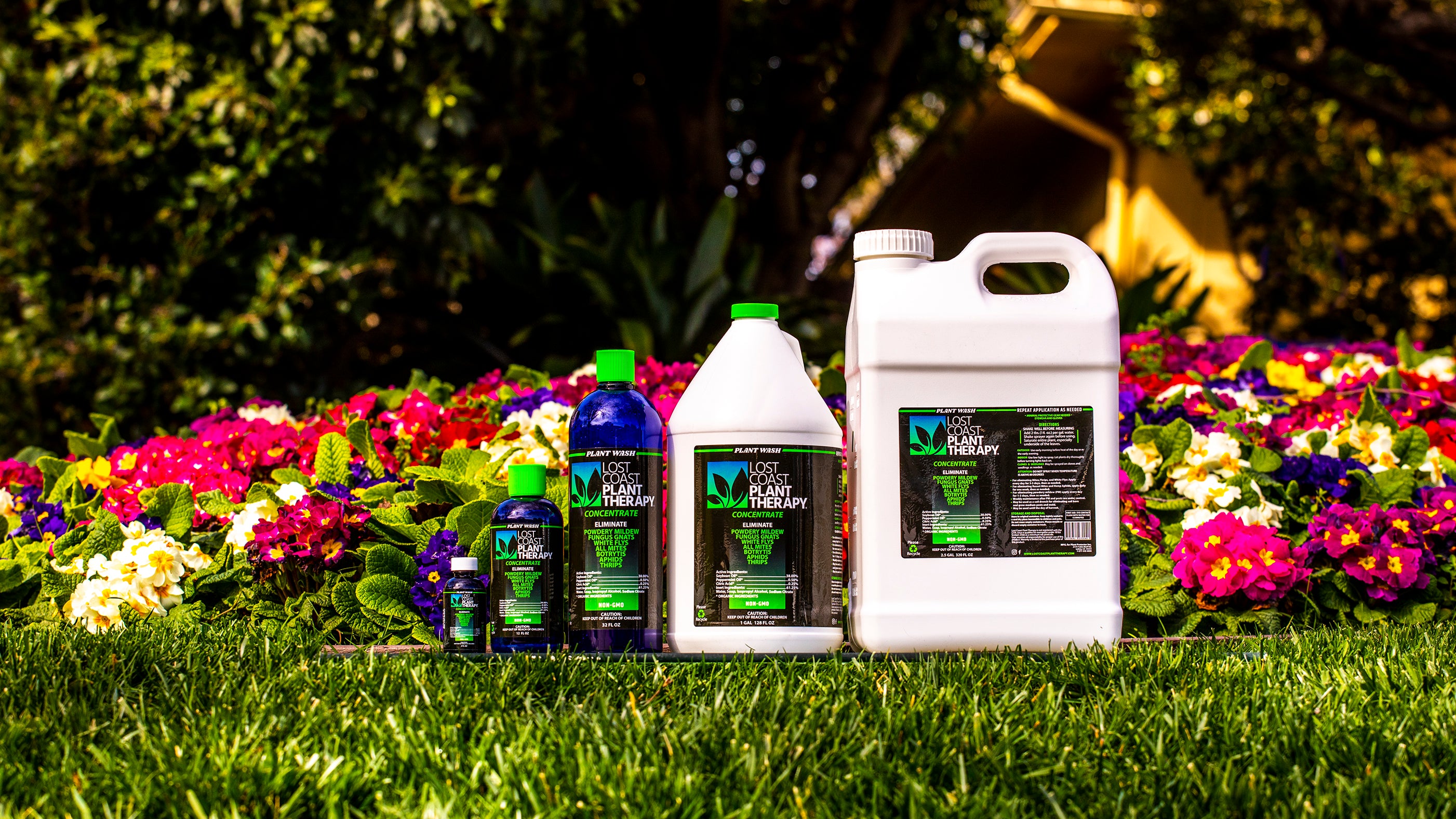
Lost Coast Plant Therapy Controls Mealybugs
Lost Coast Plant Therapy is a minimum risk pesticide made with natural and organic ingredients. It controls mealybugs on contact by coating soft-bodied insects and causing dehydration and suffocation while disrupting thoracic, metabolic, and exoskeleton function.

Where Do Mealybugs Come From?
Mealybugs are most commonly introduced through infested nursery plants, houseplants, cuttings, or clones. Indoors, they spread easily between nearby plants when foliage touches or when infested plants are brought into enclosed spaces.
Outdoors and in greenhouses, ants may protect mealybugs in exchange for honeydew, helping colonies survive and spread to fresh growth. Because eggs and crawlers can hide in tight crevices, small infestations can often be missed.

Mealybugs on Houseplants
Mealybugs are one of the most common indoor plant pests, especially on tropical foliage, succulents, orchids, hoyas, ficus, and decorative houseplants. They thrive indoors because stable temperatures, close plant spacing, and the absence of natural predators allow populations to expand quietly.
Infestations often begin in leaf joints, stem nodes, and undersides of leaves. If left untreated, sticky honeydew, yellowing leaves, and plant decline usually follow.

Mealybugs in Greenhouses
Greenhouses create ideal conditions for mealybug infestations because temperatures remain stable and plants are often closely spaced. Once introduced, mealybugs can spread from crop to crop while remaining hidden in stems, branch joints, and protected canopy areas.
Consistent scouting and complete spray coverage are essential to prevent widespread plant stress and reinfestation.

Mealybugs on Flowering Plants
Mealybugs commonly infest ornamentals and flowering plants where they feed on tender stems, buds, and new growth. Repeated sap loss weakens vigor, reduces bloom quality, and leaves sticky residue that attracts mold and ants.
Ornamental plants often have dense branching and protected growth points so infestations can expand in hidden areas before visible decline is obvious. Early inspection of buds, leaf nodes, and stems is key to maintaining plant quality.

Lost Coast Plant Therapy
Lost Coast Plant Therapy works on contact, so complete and thorough coverage is essential to control active mealybug infestations. Just shake, mix & spray!
1. Shake concentrate well before measuring.
2. Mix 1–3 fl oz of concentrate per gallon of water.
3. Saturate the entire plant, especially stems, leaf joints, undersides, and visible white clusters.
The spray must directly coat mealybugs to control them. Because eggs and hidden crawlers may remain protected in tight plant structures, repeat applications are often necessary to interrupt the infestation cycle.
For heavy infestations, you can boost the formula by adding 1 oz of isopropyl alcohol per gallon along with 1–3 oz of Lost Coast Plant Therapy concentrate.
The Mealybug Life Cycle
Mealybugs reproduce in hidden plant areas, which makes infestations difficult to eliminate without repeated inspection and thorough coverage. After eggs hatch, crawlers move to new feeding sites and begin forming new colonies.
Hidden Eggs
Females lay eggs in white waxy sacs protected on plant surfaces.
Crawlers Spread to New Growth
Young mealybugs move to fresh feeding sites and begin colonizing.
Nymphs Feed on Plant Sap
Developing stages weaken plants and produce sticky honeydew residue.
Adults Expand Hidden Colonies
Mature mealybugs remain in crevices and continue reproducing.

Common Types of Mealybugs
Several mealybug species commonly infest houseplants, ornamentals, and greenhouse crops, each with slightly different habits but similar plant damage. Citrus mealybugs are among the most widespread, clustering on stems, leaf nodes, and new growth.
Longtailed mealybugs are recognized by the waxy filaments extending from the rear of the body and often gather along stems and undersides of leaves. Root mealybugs remain hidden below the soil surface, where they feed on roots and cause stunting, yellowing, and slow decline without obvious white cottony buildup above ground.

Why Mealybugs Keep Coming Back
Mealybugs often return because colonies remain hidden in places that are easy to miss during treatment. Leaf joints, dense branching, crown growth, roots, and undersides of leaves can shelter eggs, crawlers, and adults from incomplete spray coverage.
Ant activity can also contribute to recurring infestations by protecting mealybugs and moving them to fresh growth. Without repeat treatment and careful inspection of hidden sites, populations can rebound even after visible white clusters appear reduced.
How to Tell the Difference Between Mealybugs and Scale
Mealybugs and scale insects are both sap-sucking pests, but they look and behave differently. If you are seeing white fuzzy bugs, sticky leaves, or raised bumps on stems, these differences can help identify the pest correctly.

White Cotton vs Hard Shell
White Cotton vs Hard Shell
Mealybugs appear white, soft, and cotton-like. Scale insects usually look like small brown, tan, or gray bumps with a harder shell attached tightly to stems or leaves.

Visible Movement vs Fixed Bumps
Visible Movement vs Fixed Bumps
Mealybugs can move, especially in the crawler stage, and often cluster in leaf joints. Scale insects are usually more fixed in place and appear like part of the plant surface.

Cottony Clusters vs Smooth Discs
Cottony Clusters vs Smooth Discs
Mealybugs gather in fuzzy white colonies on stems and nodes. Scale insects appear as flatter or dome-shaped discs without the obvious cottony residue seen in mealybug infestations.

Honeydew and Mold on Both
Honeydew and Mold on Both
Both mealybugs and some soft scale species produce sticky honeydew that can lead to black sooty mold. Body texture and appearance are usually the easiest way to tell them apart.
FAQ’s about Mealybugs
Are mealybugs harmful to plants?
Are mealybugs harmful to plants?
Yes. Mealybugs weaken plants by feeding on sap, reducing vigor, slowing growth, and causing yellowing or distorted development. Heavy infestations also leave sticky honeydew that encourages mold buildup and further stresses plant health.
Why do mealybugs keep coming back?
Why do mealybugs keep coming back?
Mealybugs often return because eggs and hidden colonies remain tucked inside leaf joints, stem crevices, roots, or dense plant structures. Incomplete coverage allows populations to rebound even after visible clusters are reduced.
What do mealybugs look like?
What do mealybugs look like?
Mealybugs look like tiny white, soft-bodied insects covered in a waxy, cotton-like coating. They often appear as fuzzy white clusters on stems, leaf joints, undersides of leaves, and new growth.
Are mealybugs the same as scale?
Are mealybugs the same as scale?
No. Mealybugs are soft, white, and cottony, while scale insects typically appear as harder brown or tan bumps attached tightly to plant surfaces. Both are sap-sucking pests, but their appearance differs clearly.
Do mealybugs live in soil?
Do mealybugs live in soil?
Most mealybugs feed above ground on stems and leaves, but root mealybugs live below the soil surface and attack the root zone. Hidden root infestations can cause stunting and decline without obvious foliar pests.
How do mealybugs spread?
How do mealybugs spread?
Mealybugs spread through infested nursery plants, houseplants, cuttings, clones, tools, and plant-to-plant contact. Indoors and in greenhouses, nearby plants can become infested quickly when colonies are not caught early.
Can mealybugs go away on their own?
Can mealybugs go away on their own?
Small outdoor infestations may decline with predator pressure, but indoor and greenhouse infestations rarely disappear without intervention. Stable growing conditions allow colonies to persist and expand over time.
How long does it take to get rid of mealybugs?
How long does it take to get rid of mealybugs?
Visible populations can decline quickly with direct contact treatment, but complete control usually requires repeat applications and careful inspection of hidden areas where eggs and crawlers may remain protected.
See more on how to get rid of mealybugs here.
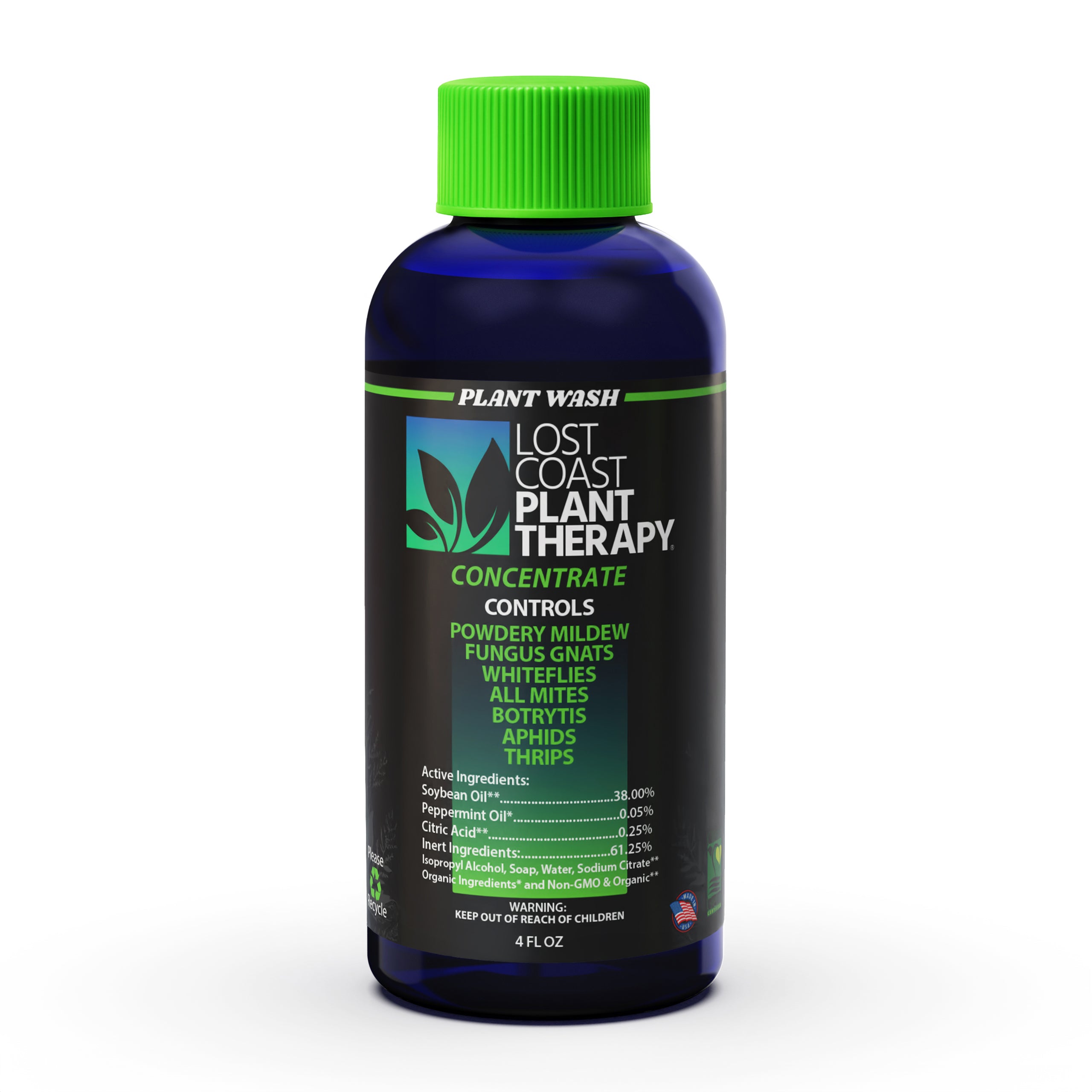
Type: Natural 3-in-1 Pesticide
4 oz Bottle
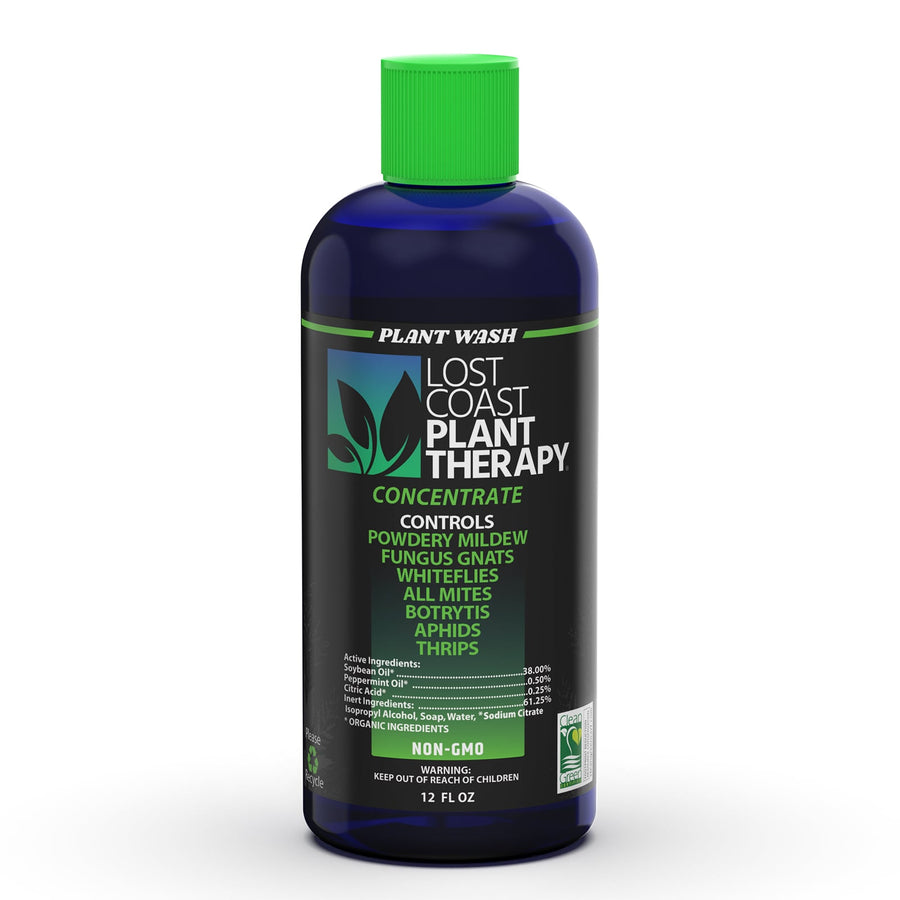
Type: Natural 3-in-1 Pesticide
12oz Bottle
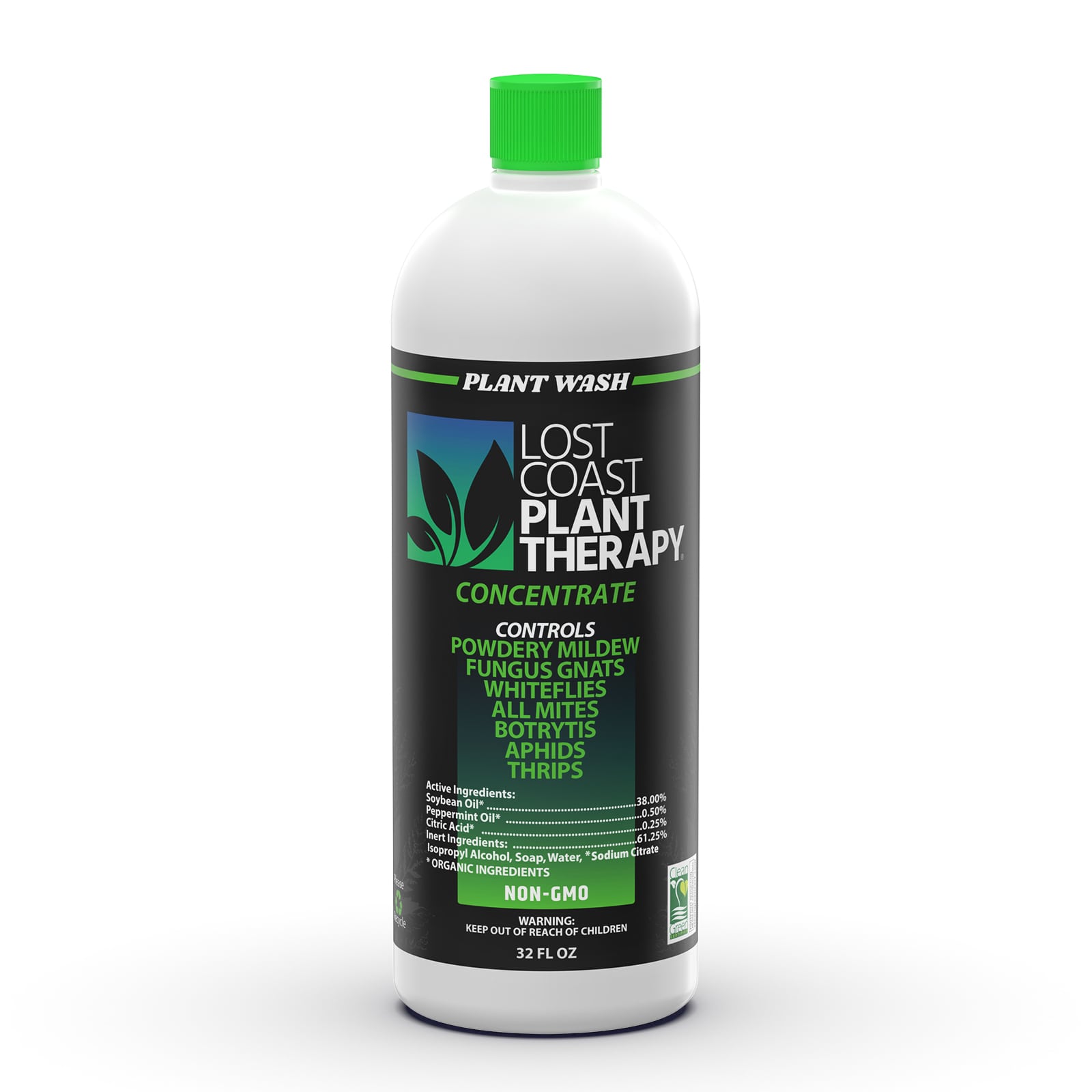
Type: Natural 3-in-1 Pesticide
32oz Bottle
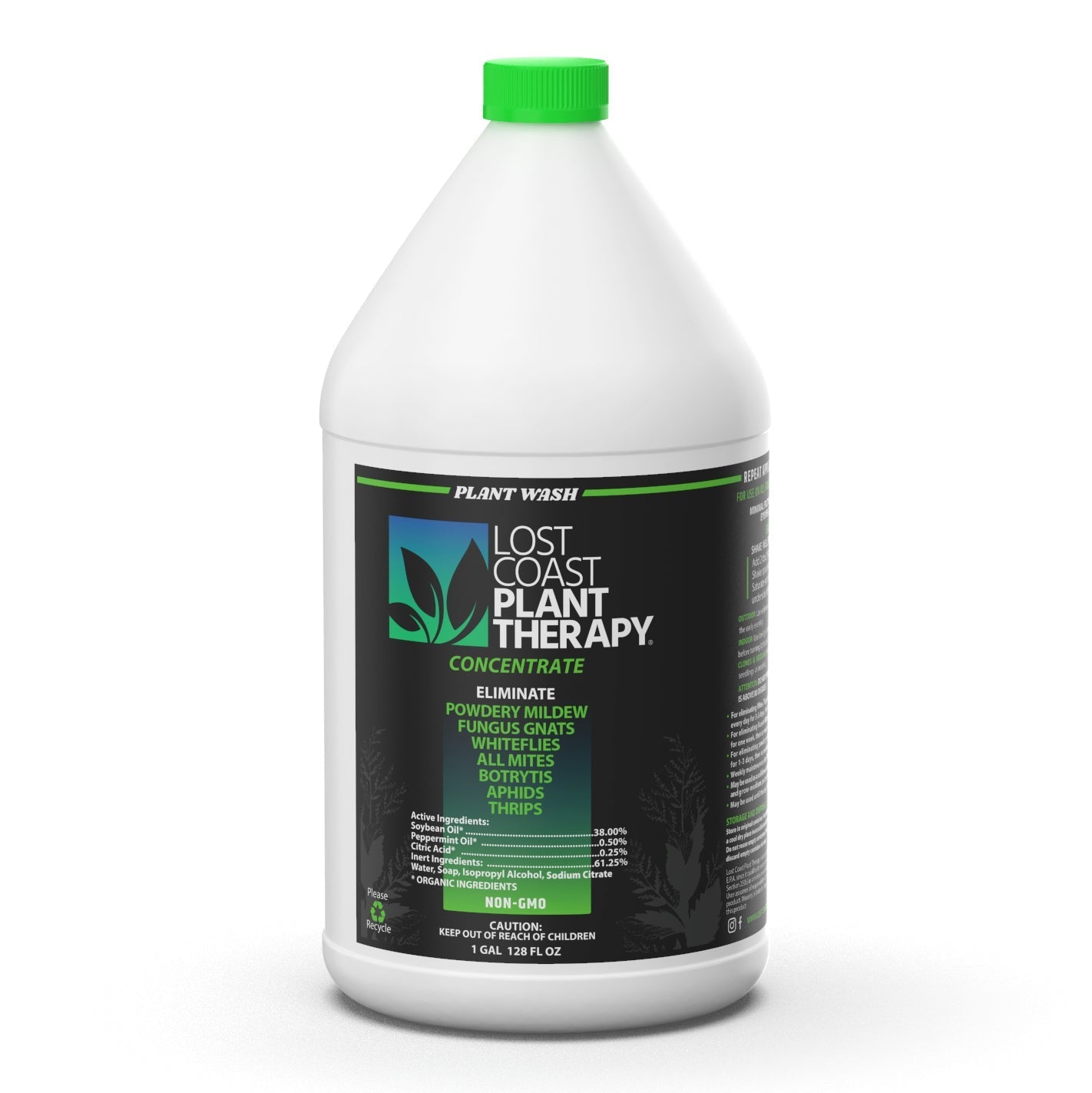
Type: Natural 3-in-1 Pesticide