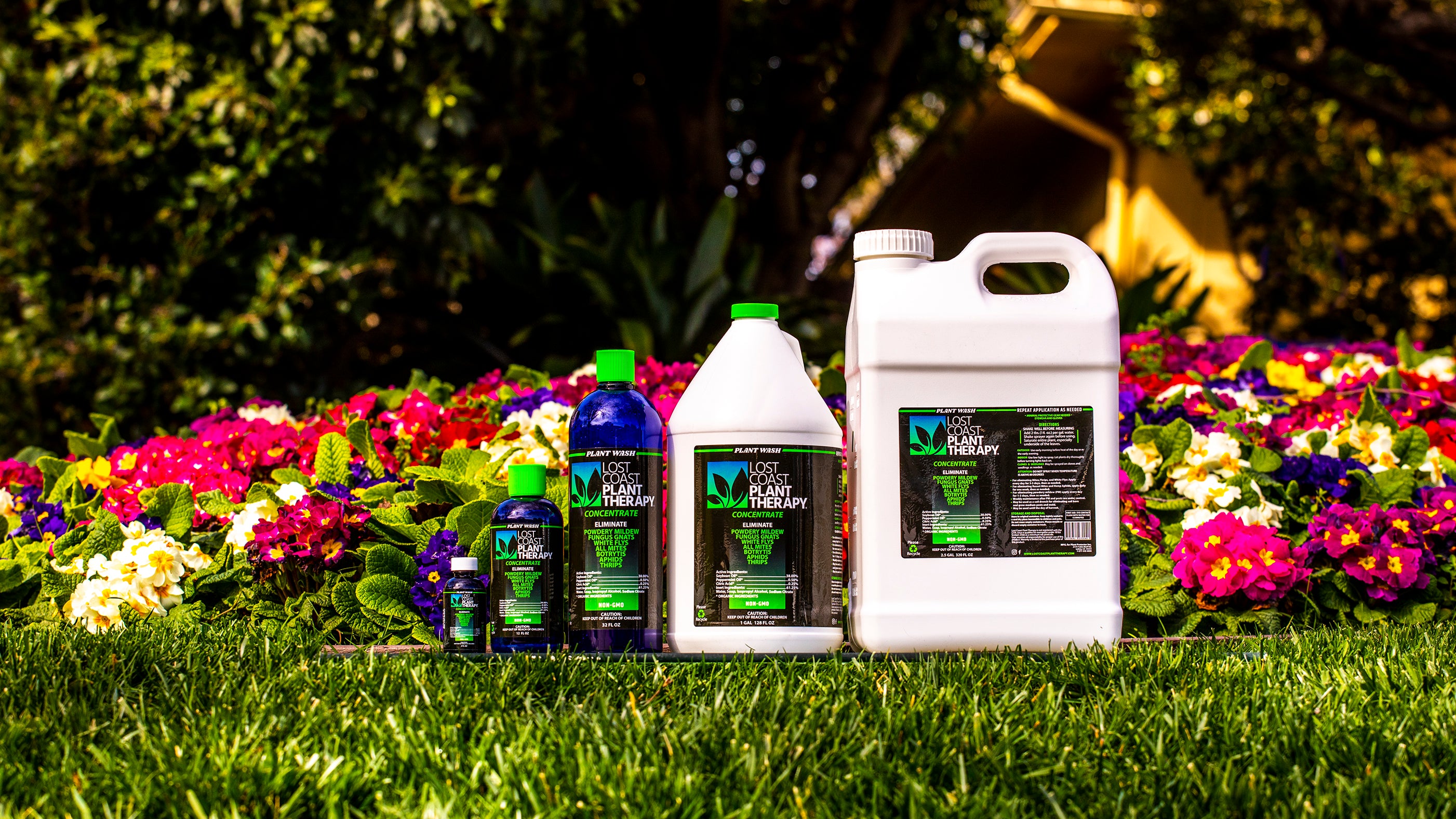



Lost Coast Plant Therapy demonstrated 99% efficacy against powdery mildew in greenhouse trials on hemp, tomato, and melon.
Lost Coast Plant Therapy is a minimum risk pesticide made with natural and organic ingredients. It works by contact to help control active powdery mildew on plant surfaces.
Controls powdery mildew on vegetables, ornamentals, and flowering plants
Safe for food and flowering plants when used as directed
Effective indoors, outdoors and in greenhouses
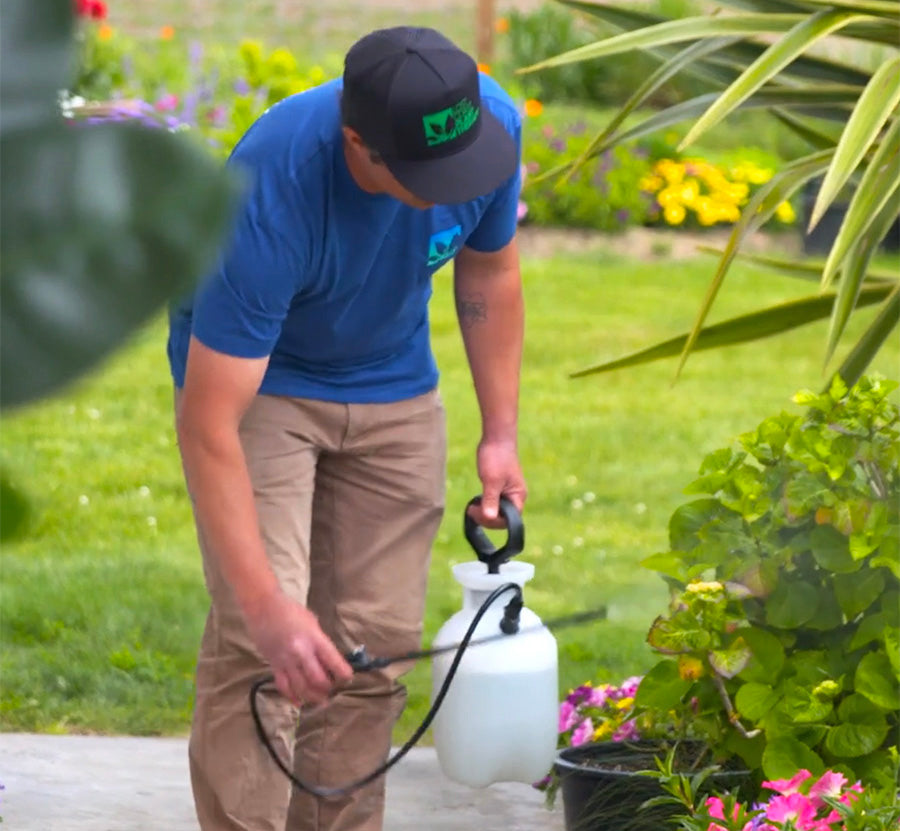
Lost Coast Plant Therapy
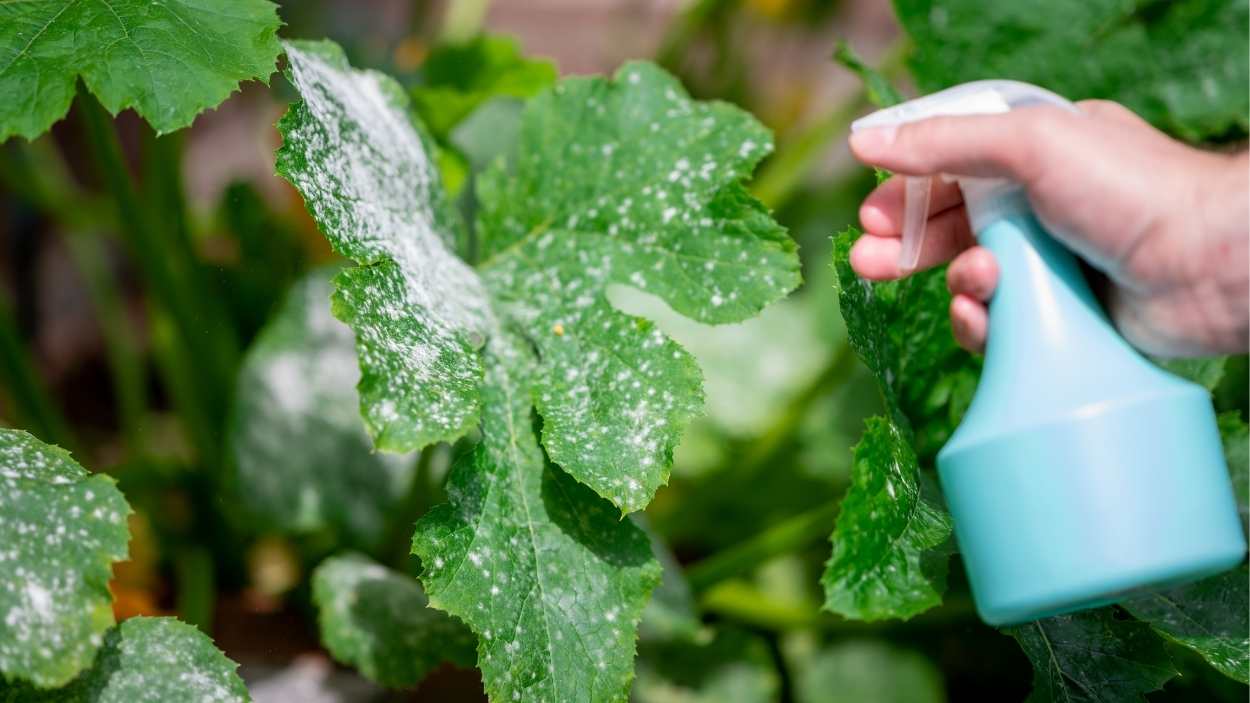
Lost Coast Plant Therapy works on contact to control active powdery mildew infections by washing away visible fungal growth and disrupting spore development on plant surfaces. Just shake, mix & spray!
1. Shake concentrate well before measuring.
2. Mix 1–3 fl oz per gallon of water.
3. Thoroughly saturate leaves, stems, and affected areas, including undersides.
Complete plant coverage is essential. Repeat applications every few days help reduce spore regrowth and prevent reinfection.
For heavy fungal pressure, add 1 oz isopropyl alcohol per gallon with 1–3 oz Lost Coast Plant Therapy and apply more frequently until mildew is no longer visible.

Proven 99% Efficacy Against Active Powdery Mildew
Lost Coast Plant Therapy was evaluated in controlled greenhouse trials conducted in collaboration with Cornell University’s College of Agriculture and Life Sciences (CALS).
Across multiple crops including hemp, tomato, and melon, treatments were applied to plants with active powdery mildew infections. Results demonstrated up to 99% efficacy under greenhouse conditions.
These findings support Lost Coast Plant Therapy as an effective minimum-risk solution for greenhouse, commercial, and home growers managing active powdery mildew outbreaks.
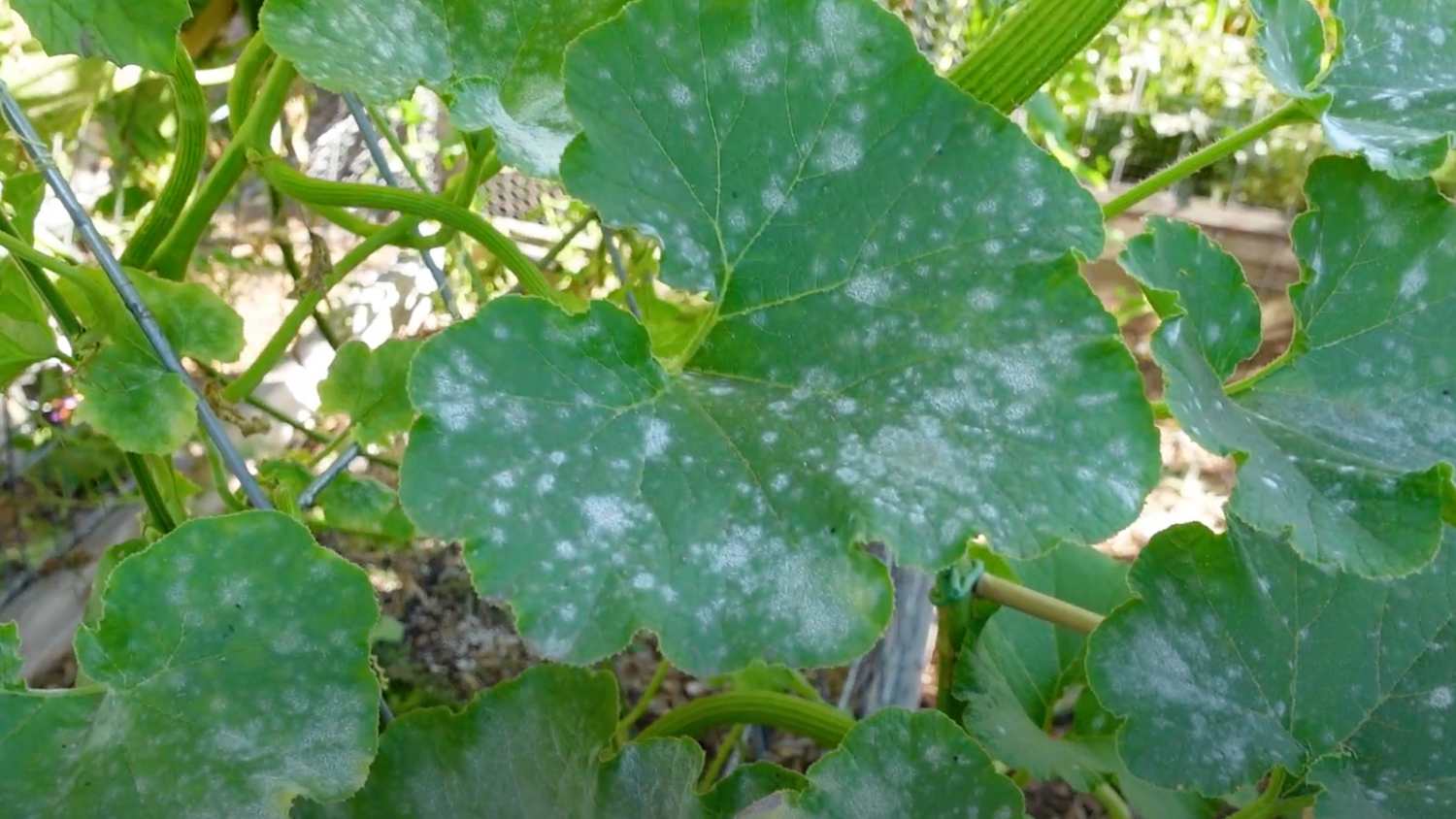
Before: Severe powdery mildew infestation.
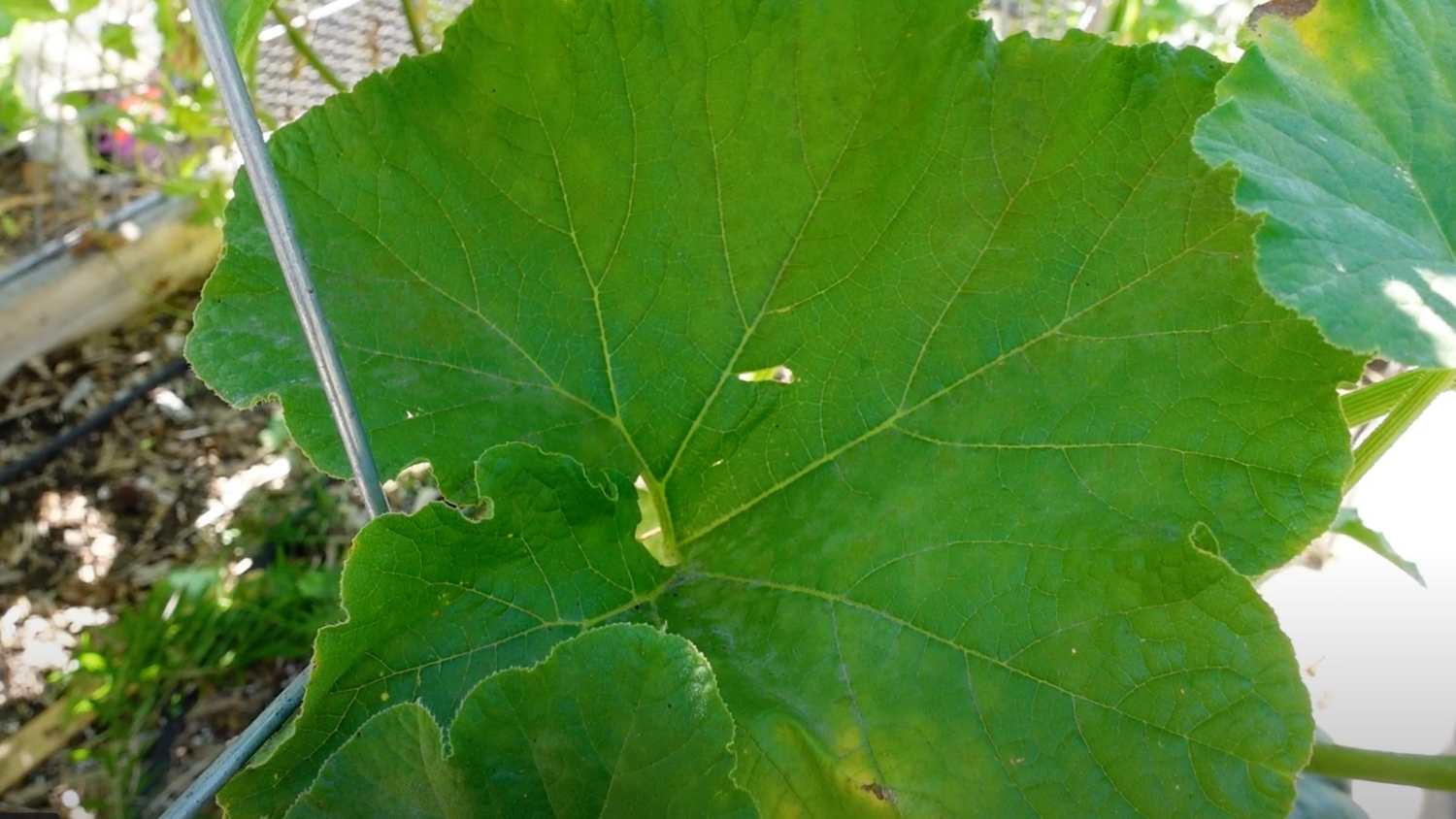
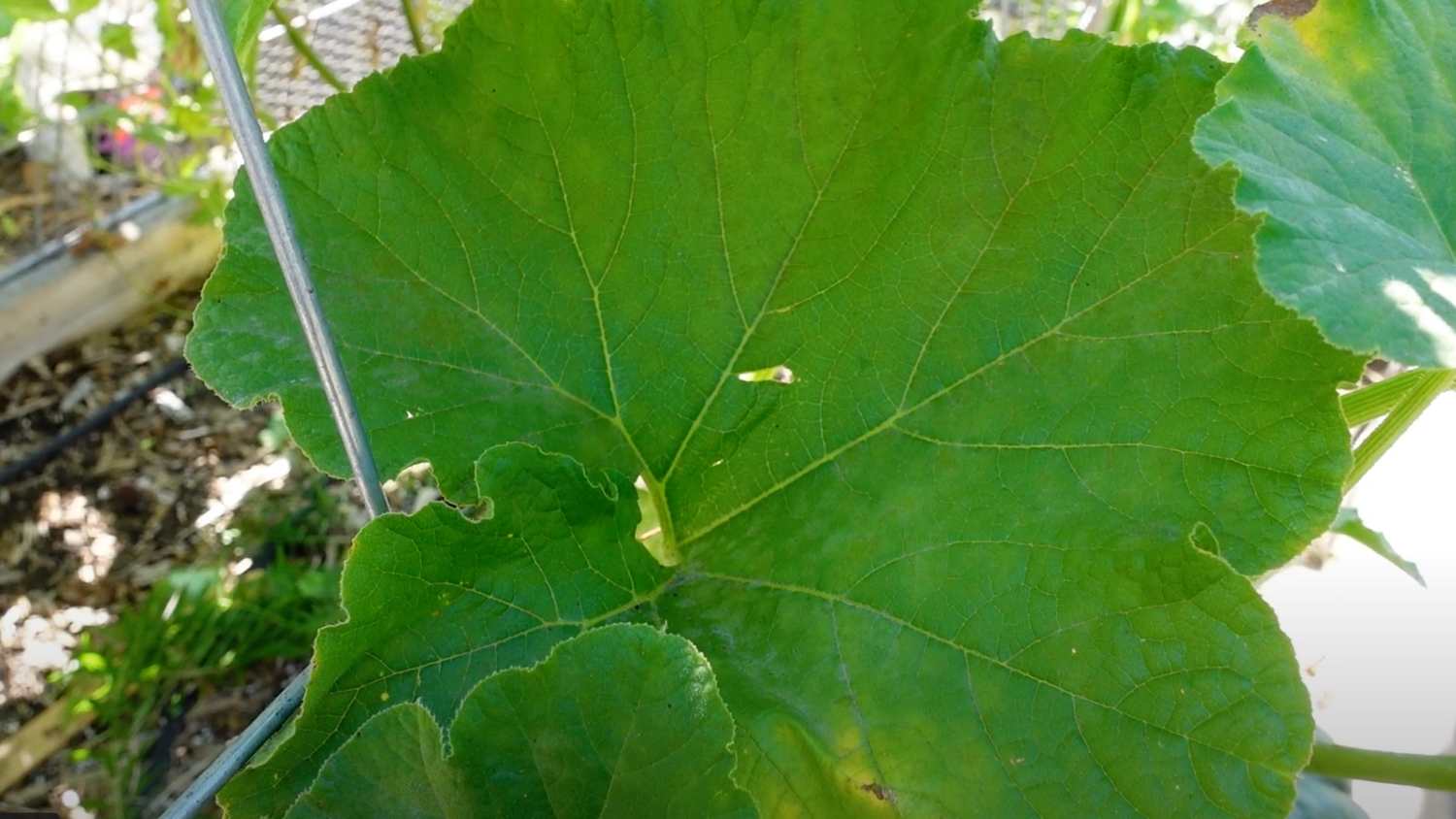
After: Results after 3 applications of Lost Coast Plant Therapy foliar spray.
Early Signs of Powdery Mildew
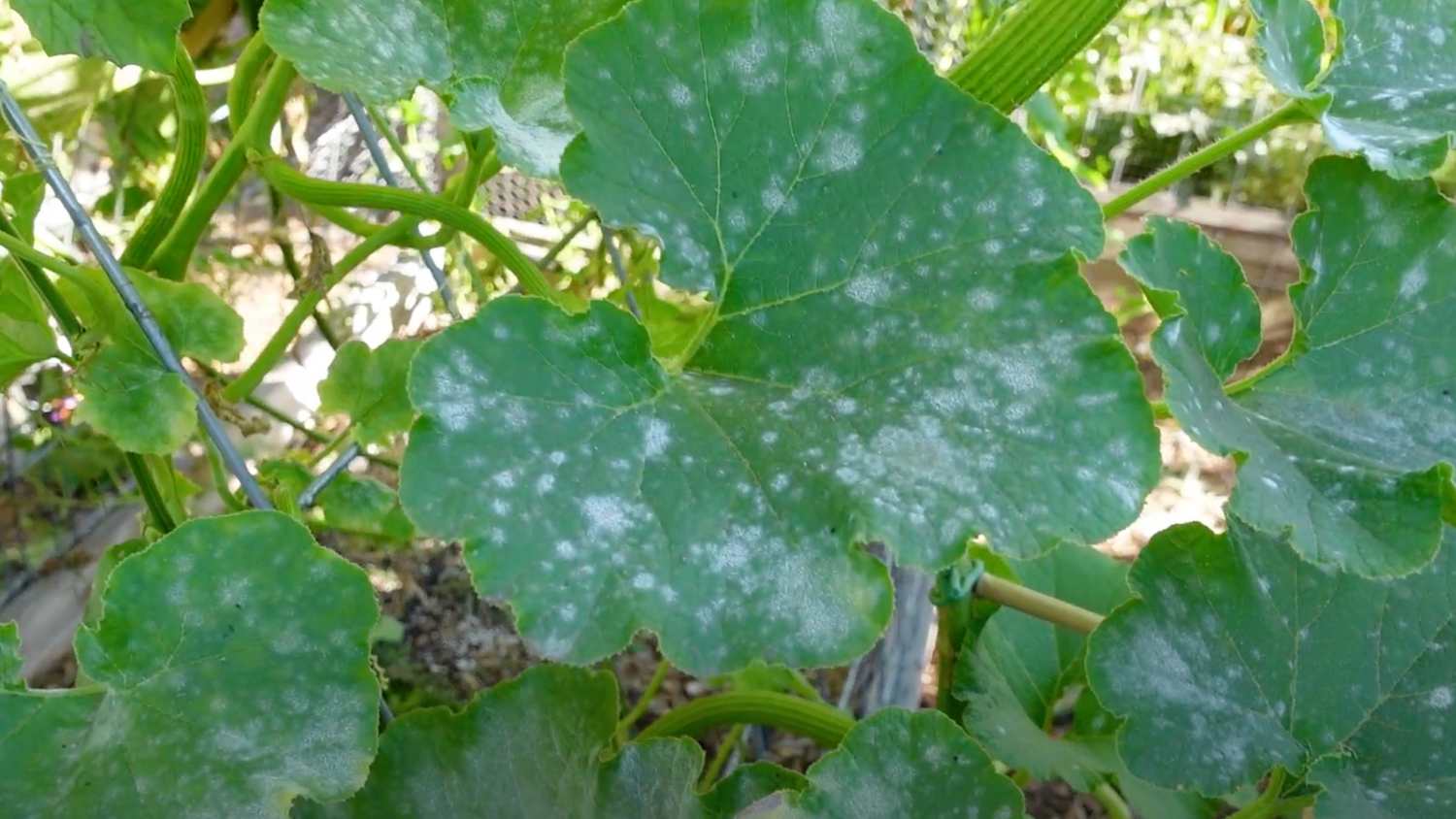
Early signs of powdery mildew include white powdery spots on leaves, curling or distorted foliage, fungal growth on stems and buds, and yellowing with premature leaf drop. Identifying symptoms early helps prevent spread, protect plant health, and reduce crop damage in humid conditions.

White Powder on Leaves
White Powder on Leaves
Powdery mildew first appears as small white or gray patches on upper leaf surfaces. These spots expand into a fine powdery coating that resembles flour or dust. Early treatment prevents rapid spread across the plant.

Leaves Curling or Distorting
Leaves Curling or Distorting
Infected leaves may curl upward, twist, or appear puckered as fungal growth spreads. Distortion often follows the appearance of white patches and signals that the infection is advancing.

Powdery Growth on Stems & Buds
Powdery Growth on Stems & Buds
As infections worsen, the fungus spreads beyond leaves to stems, buds, and flowers. Bud infections can reduce bloom quality and affect overall plant health.

Yellowing and Leaf Drop
Yellowing and Leaf Drop
Advanced powdery mildew reduces photosynthesis, causing leaves to yellow, weaken, and drop early. Prolonged infection stresses the plant and impacts yield.

What Is Powdery Mildew?
Powdery mildew is a fungal plant disease that appears as a white or gray powdery coating on leaves, stems, and flowers. Unlike many fungal diseases, powdery mildew does not require standing water to spread.
It thrives in warm days, cool nights, high humidity, and poor airflow.
Powdery mildew spores spread through air movement, plant contact, and contaminated tools. If left untreated, it reduces photosynthesis, weakens plant tissue, and impacts flowering and yield.

Why Powdery Mildew Spreads So Quickly
Powdery mildew spreads through airborne spores that travel easily between plants. Warm days combined with cool, humid nights create ideal infection conditions. Crowded plant spacing, poor airflow, and shade increase susceptibility.
Unlike many fungal diseases, powdery mildew does not require wet leaves to germinate. High humidity alone is often enough.
Where Does Powdery Mildew Come From?
Spores overwinter on plant debris, soil surfaces, and nearby infected plants. Wind disperses them across gardens and greenhouses. Indoor grow spaces can harbor spores in enclosed air if infected plant material is present.

Powdery Mildew vs Downy Mildew
Powdery mildew appears as a white, dust-like fungal coating on the surface of leaves, stems, and buds. Downy mildew causes yellow or pale spots on upper leaf surfaces with fuzzy gray or purple growth underneath.
Powdery mildew thrives in warm, humid conditions without requiring wet leaves, while downy mildew spreads in cooler temperatures with prolonged leaf moisture.
Proper identification is critical because powdery and downy mildew require different management strategies.
Powdery Mildew Life Cycle
Powdery mildew spreads through microscopic airborne spores that infect plant tissue and rapidly reproduce under favorable conditions.
Spores Land on Leaves
Airborne spores settle on plant surfaces.
Rapid Surface Growth
Fungal threads spread across leaf tissue.
Spore Production
New spores form within days in humidity.
Reinfection Cycle
Air movement spreads spores to nearby plants.

Powdery Mildew in Grow Rooms and Medicinal Plants
Powdery mildew spreads rapidly in indoor grow rooms where stable temperatures, dense canopies, and controlled humidity create ideal fungal conditions. Medicinal and specialty flowering crops are especially vulnerable during vegetative and bloom stages.
Early detection and full foliar coverage are essential since spores circulate through enclosed air systems. Maintaining airflow, reducing canopy density, and implementing consistent treatment protocols help prevent widespread infection in high-value indoor crops.

Powdery Mildew During Flowering
Powdery mildew during flowering poses serious risk because fungal spores can spread into developing buds and reduce crop quality. Infected flowers may experience reduced vigor, discoloration, or yield loss if not treated early.
Warm days and humid nights increase infection pressure during bloom stages. Immediate treatment with full surface saturation is critical, as overlapping leaves and dense canopies can shelter spores and allow reinfection to occur.

Powdery Mildew in Greenhouses
Greenhouse environments often accelerate powdery mildew outbreaks due to high humidity, dense plant spacing, and limited airflow. Unlike many fungal diseases, powdery mildew does not require wet leaves, making enclosed grow spaces especially vulnerable.
Once airborne spores establish, infection can spread quickly between crops. Routine monitoring, humidity management, and complete foliar coverage during treatment are essential to prevent widespread fungal pressure in commercial and indoor growing environments.

Powdery Mildew on Roses
Powdery mildew on roses appears as white, powdery fungal growth on leaves, stems, and developing buds. Infected foliage may curl, distort, or fail to open properly, reducing bloom quality and ornamental value. Warm days followed by cool, humid nights increase infection risk in home gardens and landscapes.
Early identification, improved airflow, and thorough foliar treatment help protect rose bushes and prevent the fungal disease from spreading across nearby plants.

Powdery Mildew on Cucumbers & Squash
Powdery mildew commonly affects cucumbers, squash, zucchini, and other cucurbits during mid to late summer. The white fungal coating spreads rapidly across large leaf surfaces, and untreated infections can quickly weaken entire plants, reducing photosynthesis and limiting fruit production.
Detection, proper plant spacing, and repeat foliar applications are essential to maintain healthy vines and prevent widespread fungal pressure in vegetable gardens.
How to Prevent Powdery Mildew
Powdery mildew prevention focuses on airflow, humidity control, and early intervention.
Improve air circulation between plants, avoid overcrowding, and remove infected plant debris promptly. Prune dense growth to reduce moisture buildup and increase light penetration. Monitor plants during warm days and humid nights when fungal spores spread most rapidly.
Preventative foliar applications with Lost Coast Plant Therapy during high-risk conditions can reduce spore establishment and help protect new growth from infection.

Improve Airflow
Improve Airflow
Powdery mildew spreads rapidly in areas with poor air circulation. Increase spacing between plants and use pruning to open dense canopies. Proper ventilation reduces humidity pockets that allow fungal spores to settle and reproduce on leaf surfaces.

Reduce Plant Crowding
Reduce Plant Crowding
Overcrowded plants trap humidity and limit light exposure, creating ideal conditions for powdery mildew development. Thin dense growth and avoid tight spacing in gardens or greenhouses. Better plant structure improves drying time and reduces fungal pressure.

Remove Infected Material
Remove Infected Material
Spores can remain on fallen leaves and infected stems. Promptly remove and discard contaminated plant material to reduce spore reservoirs. Cleaning tools after pruning also helps prevent spreading fungal spores between plants.

Apply Preventative Treatments
Apply Preventative Treatments
During warm, humid conditions, preventative foliar applications help reduce spore establishment before visible infection appears. Early protective treatment is more effective than reacting to widespread fungal growth. Regular monitoring supports long-term disease management.
Powdery Mildew FAQ
What causes powdery mildew?
What causes powdery mildew?
Powdery mildew is caused by airborne fungal spores that land on plant surfaces and begin growing under favorable conditions. Warm days, cool humid nights, poor airflow, and overcrowded plants increase infection risk. Unlike many fungal diseases, powdery mildew does not require standing water to germinate or spread.
What gets rid of powdery mildew instantly?
What gets rid of powdery mildew instantly?
Contact-based treatments can rapidly reduce visible powdery mildew by removing fungal growth from plant surfaces. However, complete suppression requires repeat applications and thorough coverage, including leaf undersides, to interrupt ongoing spore development.
Learn more about how to get rid of powdery mildew here.
Does powdery mildew spread to other plants?
Does powdery mildew spread to other plants?
Yes. Powdery mildew spreads rapidly through microscopic airborne spores. Wind, air circulation systems, plant contact, and even handling infected foliage can transfer spores to nearby plants. Once established, infection can move quickly through gardens, greenhouses, and indoor grow spaces.
Is powdery mildew harmful to people?
Is powdery mildew harmful to people?
Powdery mildew is a plant disease and does not infect humans and pets. However, heavy spore presence may cause mild respiratory irritation in sensitive individuals. While infected fruits or vegetables are not toxic, visibly infected plant material is typically removed to maintain crop quality.
Will powdery mildew go away on its own?
Will powdery mildew go away on its own?
Powdery mildew does not typically resolve without intervention. While environmental shifts may slow fungal growth, spores often remain present and can reinfect plants when conditions improve. Early treatment and environmental control are important to prevent recurring outbreaks.
Can you wash powdery mildew off?
Can you wash powdery mildew off?
Water alone may temporarily reduce visible fungal coating, but it does not eliminate spores or stop reinfection. Effective control requires thorough coverage with an appropriate foliar treatment to remove active growth and disrupt the spore cycle.
Can powdery mildew return after treatment?
Can powdery mildew return after treatment?
Yes. Powdery mildew can return if environmental conditions remain favorable or if spores persist on nearby plant material. Repeat applications of Lost Coast Plant Therapy, improved airflow, and preventative monitoring help reduce the risk of reinfection and recurring fungal outbreaks.
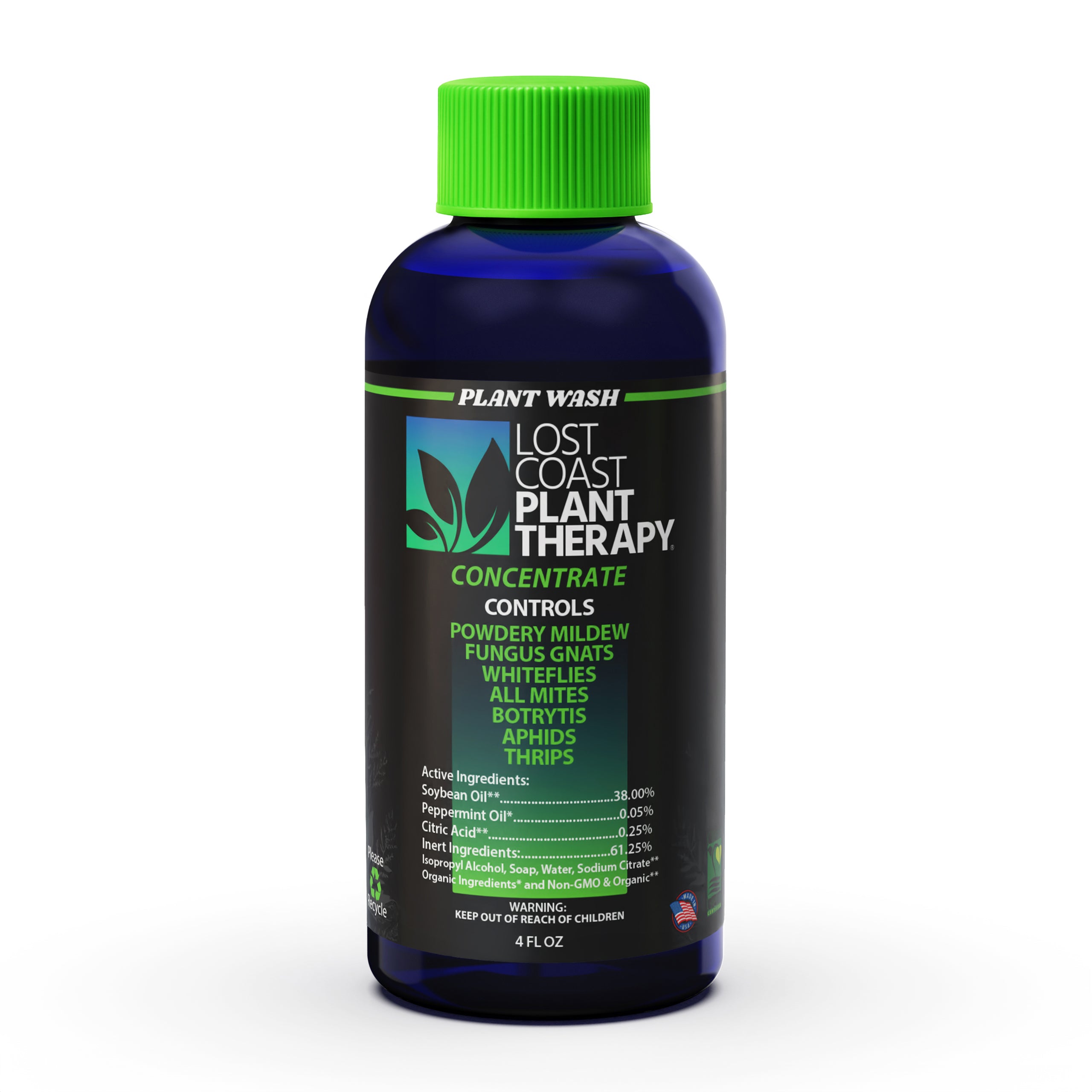
Type: Natural 3-in-1 Pest Control
4 oz Bottle
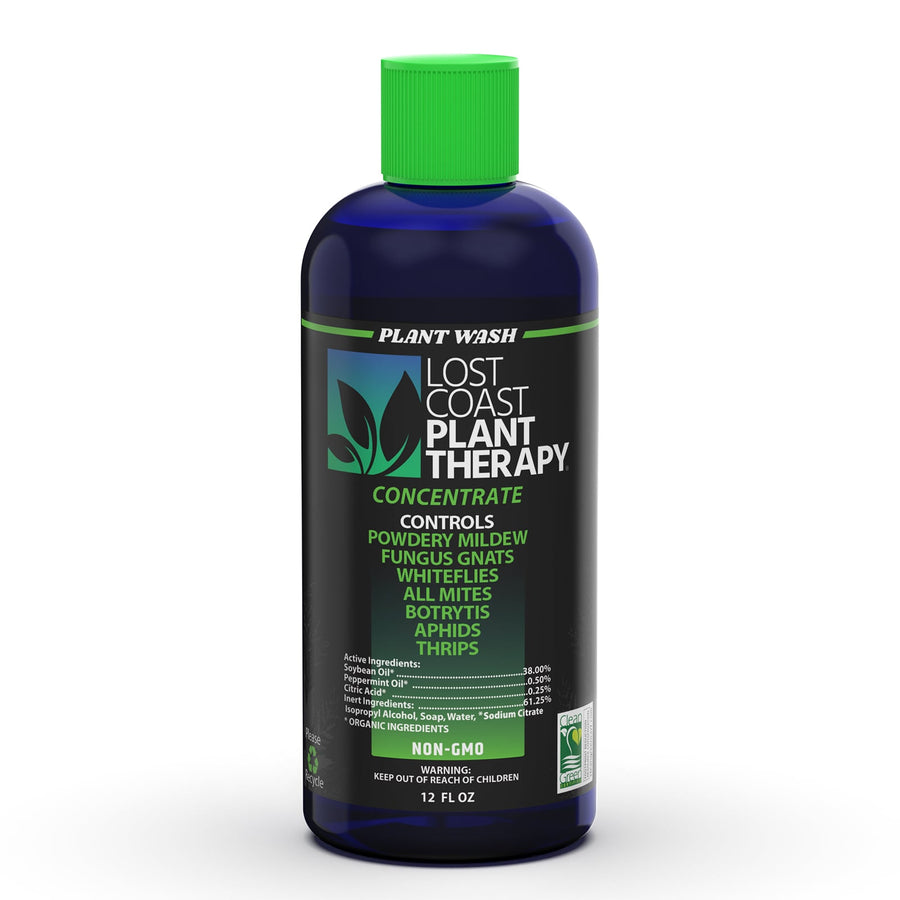
Type: Natural 3-in-1 Pest Control
12oz Bottle
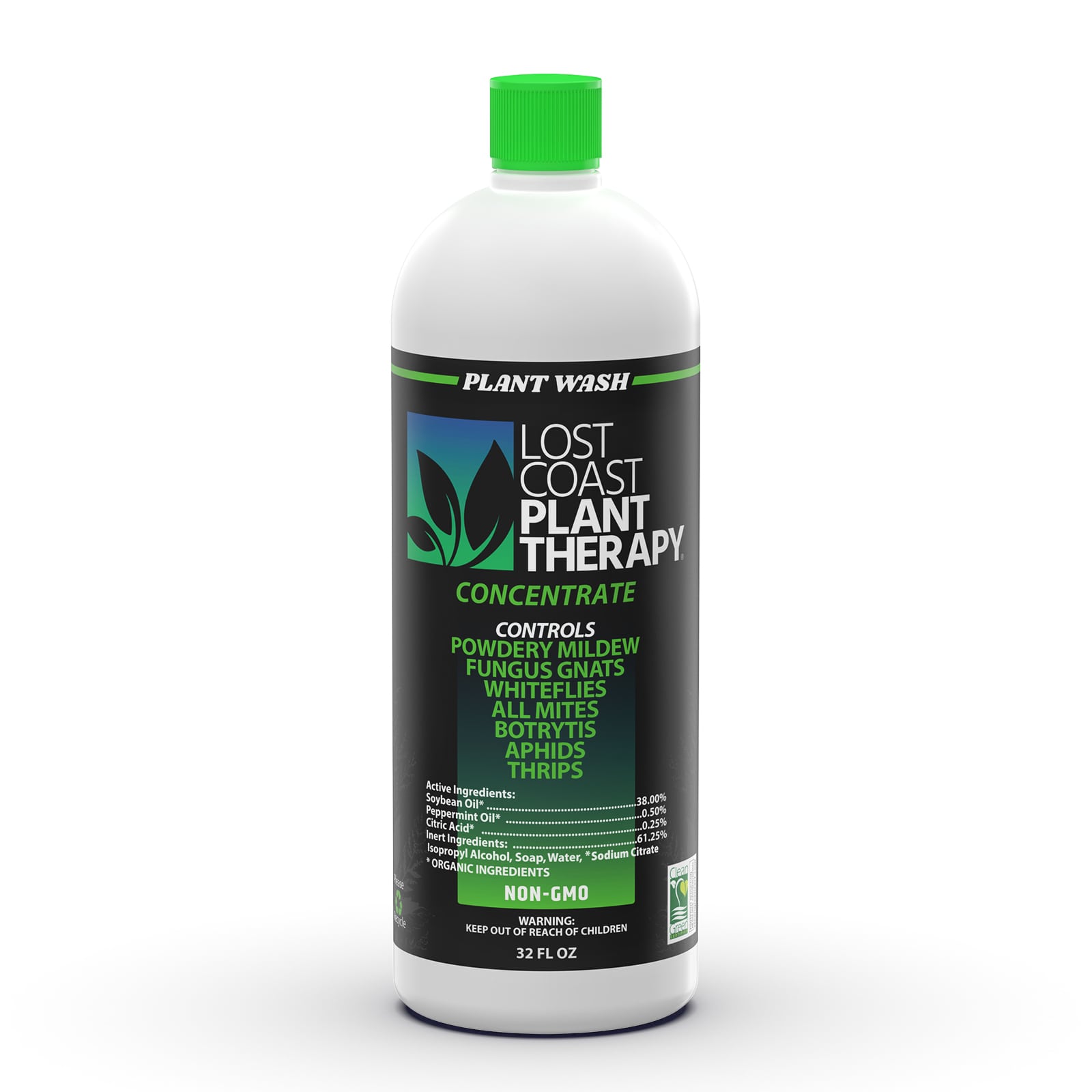
Type: Natural 3-in-1 Pest Control
32oz Bottle
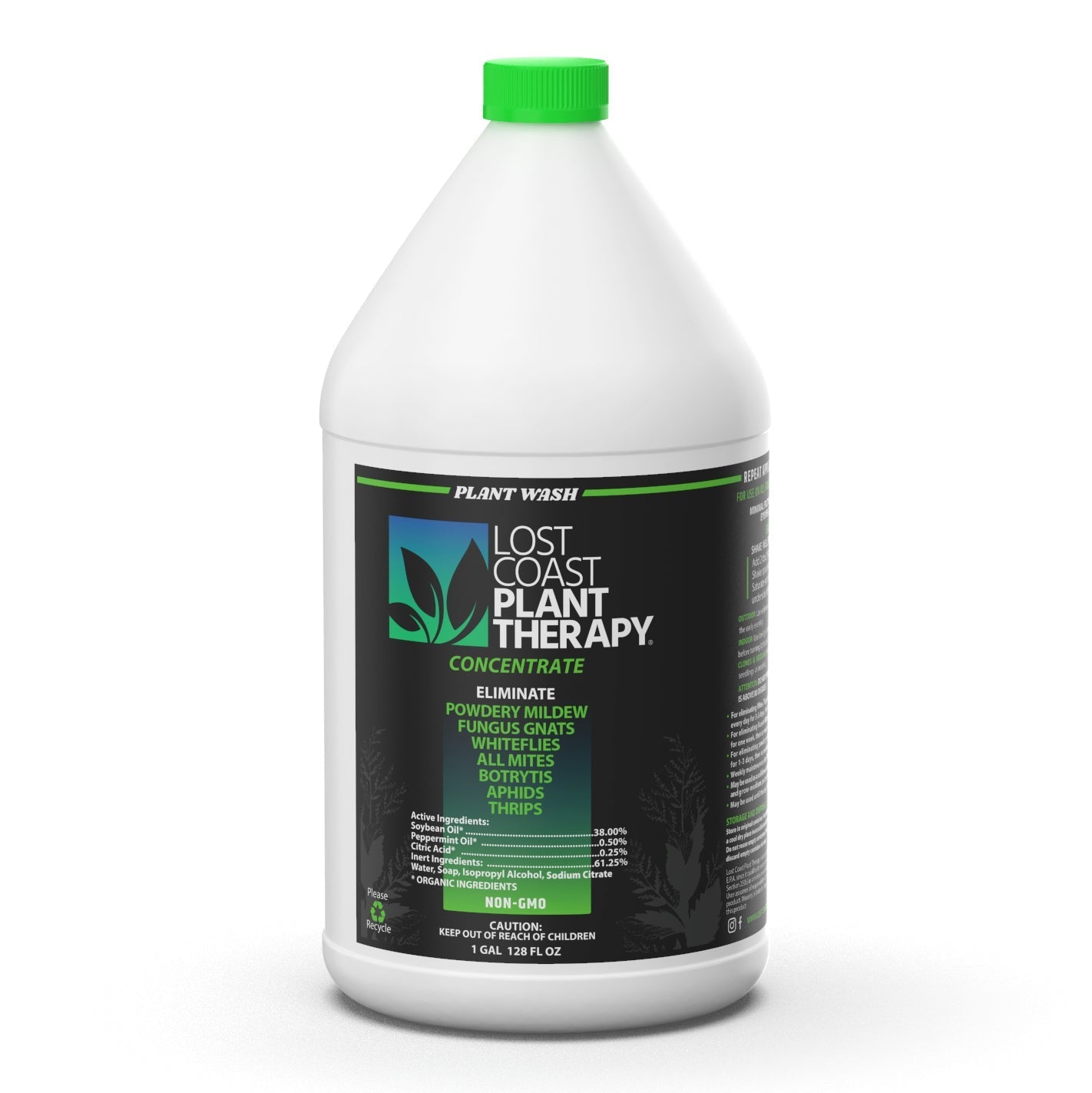
Type: Natural 3-in-1 Pest Control