


Common Signs of a Psyllid Infestation
Psyllids are often identified by distorted plant growth and sticky residue. If you’re seeing curled leaves, stunted growth, or tiny jumping insects when disturbed, psyllids may already be active.

Curled or Distorted New Growth
Curled or Distorted New Growth
Psyllids feed on tender new growth, causing leaves to curl, twist, or become misshapen. Damage is often concentrated at growing tips, where feeding disrupts normal plant development and leads to visible distortion.

Tiny Jumping Insects
Tiny Jumping Insects
Adult psyllids resemble small cicadas and will jump or fly when disturbed. Many growers first notice them when brushing foliage and seeing tiny insects quickly scatter from leaves.

Sticky Residue on Leaves
Sticky Residue on Leaves
As psyllids feed on plant sap, they produce honeydew that coats leaves and stems. This sticky residue can attract ants and lead to black sooty mold forming on plant surfaces over time.

Stunted or Weak Plant Growth
Stunted or Weak Plant Growth
Heavy feeding by psyllids can reduce plant vigor, slow growth, and weaken developing shoots. Over time, plants may appear unhealthy even when watering and nutrients are adequate.
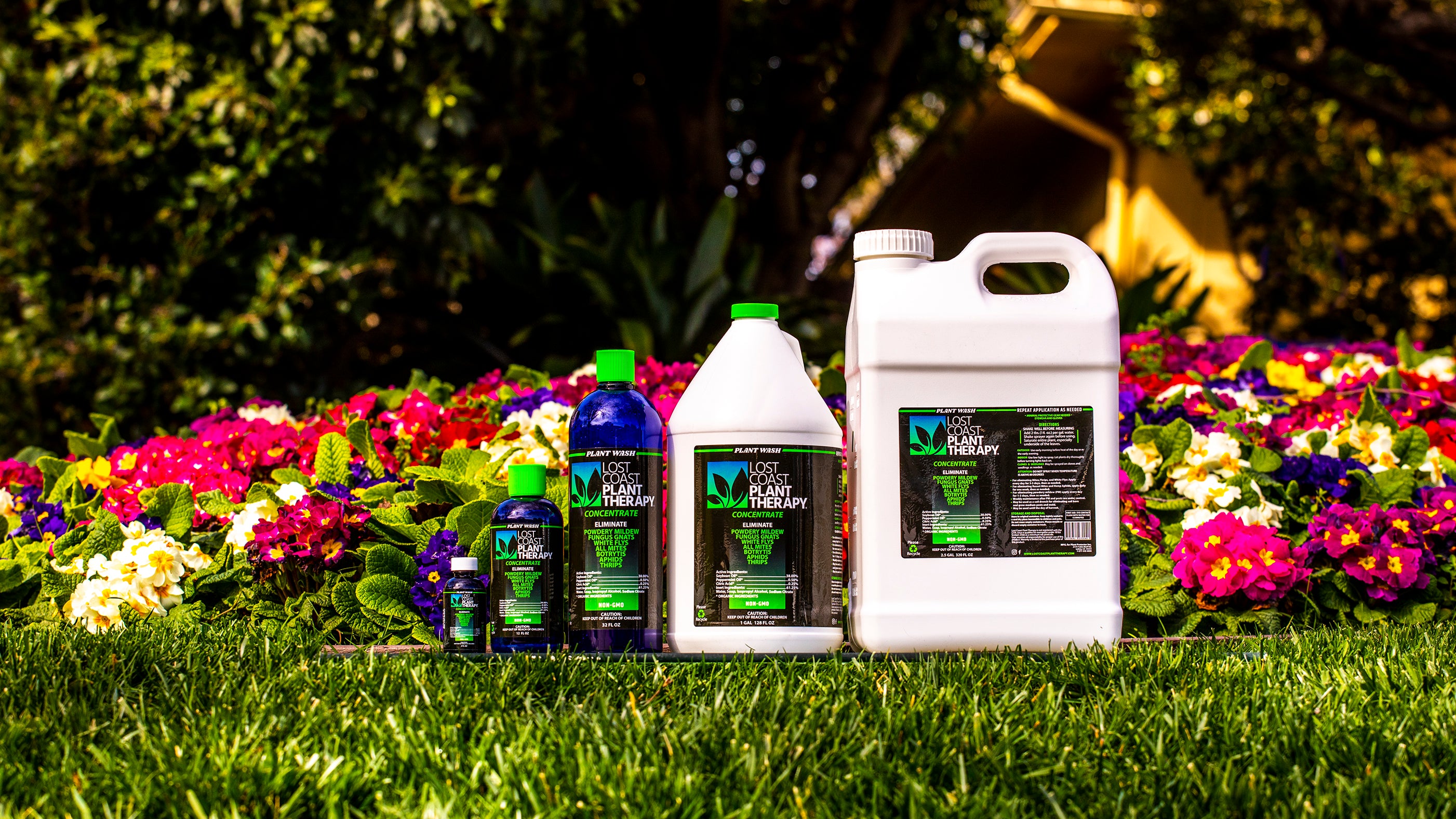
Lost Coast Plant Therapy Controls Psyllids
Lost Coast Plant Therapy is a minimum risk pesticide made with natural and organic ingredients. It works on contact to help control active psyllid infestations by coating soft-bodied insects and causing dehydration and suffocation while disrupting thoracic, metabolic, and exoskeleton function.
Controls psyllids on vegetables, ornamentals, citrus, and greenhouse crops
Safe for food and flowering plants when used as directed
Effective indoors, outdoors, and in greenhouses

What Are Psyllids?
Psyllids, often called jumping plant lice, are small sap-sucking insects that feed on plant tissue and damage tender new growth. They resemble tiny cicadas and are highly mobile, especially in the adult stage, jumping or flying when disturbed.
They commonly infest vegetables, ornamental plants, citrus trees, and greenhouse crops. Psyllids target young shoots and developing leaves, where feeding causes curling, distortion, and reduced plant vigor. Because they reproduce quickly and multiple generations can develop in a single season, infestations can spread rapidly and lead to widespread plant stress if not controlled early.

What Are Lerps?
Some psyllid species produce small, white, waxy or crystallized coverings called lerps over themselves as they feed. Lerps are made from solidified honeydew secretions and are used as a protective shelter by nymphs while they develop on plant surfaces.
If you're seeing small white waxy caps, crusty deposits, or sugar-like crystals attached to leaves , especially on eucalyptus, acacia, or ornamental trees, lerp-forming psyllids are likely the cause. The lerps themselves are not harmful, but the feeding beneath them weakens plant tissue and can cause leaf discoloration, curling, and early leaf drop.

Lost Coast Plant Therapy
Lost Coast Plant Therapy works on contact, so complete and thorough coverage is essential to control active psyllid infestations. Just shake, mix & spray!
1. Shake concentrate well before measuring.
2. Mix 1–3 fl oz of concentrate per gallon of water.
3. Saturate new growth, stems, and leaf undersides thoroughly.
The spray must directly coat psyllids to be effective. Because eggs and developing stages remain on plant surfaces, repeat applications are necessary to interrupt the life cycle and reduce re-emerging populations.
For heavy infestations, you can boost the formula by adding 1 oz of isopropyl alcohol per gallon along with 1–3 oz of Lost Coast Plant Therapy concentrate.
The Psyllid Life Cycle
Psyllids reproduce quickly and develop through stages that allow populations to expand rapidly when conditions are favorable. Eggs are typically laid on new growth, where developing insects begin feeding immediately.
Eggs Laid on New Growth
Females deposit eggs along leaf edges and stems
Nymphs Feed on Sap
Young psyllids feed on tender plant tissue
Adults Become Mobile
Winged adults jump or fly between plants
Rapid Reproduction Cycle
Multiple generations develop during growing seasons

Asian Citrus Psyllid and Citrus Greening Disease
The Asian citrus psyllid is one of the most destructive citrus pests in the United States because it vectors huanglongbing, commonly known as citrus greening disease or HLB, a bacterial infection that has no cure and is fatal to citrus trees. Once a tree is infected, it cannot recover.
What makes the Asian citrus psyllid uniquely dangerous isn't just the feeding damage, it's that even brief feeding by an infected psyllid is enough to introduce the disease. Nymphs are identifiable by the distinctive waxy, white tubular secretions they produce on shoot tips, and by their characteristic J-shaped or curved posture while feeding on developing leaves.

Tomato Potato Psyllid
The tomato potato psyllid (TPP) is a serious pest affecting vegetable crops including tomatoes, peppers, potatoes, and eggplant. Beyond direct feeding damage, this species spreads a bacterial pathogen that causes psyllid yellows, a disease that causes stunted growth, yellowing of lower leaves, upward leaf rolling, and reduced fruit production.
Because psyllid yellows symptoms can resemble nutrient deficiencies or other plant disorders, infestations are sometimes misdiagnosed until populations are already established.
Controlling psyllid populations on vegetable crops before nymph stages develop fully is important because it limits both feeding damage and the opportunity for disease transmission.

Psyllids in Greenhouses
Greenhouses provide favorable conditions for psyllids due to stable temperatures, continuous plant growth, and limited environmental disruption. Once introduced, psyllids can reproduce quickly and spread between plants in enclosed spaces.
Regular inspection of new growth, combined with thorough treatment coverage, is essential to prevent population buildup and long-term plant stress.

Psyllids on Houseplants
Psyllids are less common indoors than pests like aphids or fungus gnats, but they can still infest houseplants when introduced through outdoor plants or infested nursery stock.
Indoor environments lack natural predators and maintain stable temperatures, aiding small infestations to expand quickly. Sticky residue, misshapen leaves, and slowed growth are common early signs. Without treatment, psyllids can spread to nearby houseplants and continue reproducing on fresh growth.
Why Psyllids Cause Serious Plant Damage
Psyllids target new growth and disrupt normal plant development. Early treatment with Lost Coast Plant Therapy targeting soft-bodied nymphs helps limit damage and reduce spread.

They Target New Growth
They Target New Growth
Psyllids concentrate on young shoots and developing leaves, where feeding disrupts normal growth and causes visible distortion. Treating early with Lost Coast Plant Therapy helps control nymphs before damage spreads across new growth.

Damage Affects Future Growth
Damage Affects Future Growth
Feeding by psyllids can permanently distort leaves and shoots as they develop, leading to curled or misshapen growth. Targeting soft-bodied nymphs with Lost Coast Plant Therapy helps control them.

Some Species Spread Plant Diseases
Some Species Spread Plant Diseases
Certain psyllids transmit plant diseases such as citrus greening and psyllid yellows, which can severely impact plant health. Controlling psyllid populations early helps reduce the risk of disease transmission.

Populations Build Quickly
Populations Build Quickly
Psyllids reproduce rapidly on fresh growth, allowing infestations to expand quickly if left untreated. Applying Lost Coast Plant Therapy to contact nymphs early helps control the population and reduce ongoing plant stress.
FAQ’s about Psyllids
Are psyllids harmful to plants?
Are psyllids harmful to plants?
Yes. Psyllids damage plants by feeding on sap from leaves and developing shoots, which causes leaf curling, distorted growth, and reduced plant vigor. Heavy infestations can weaken plants significantly over time. Some species, especially citrus psyllids, can also transmit plant diseases, making them particularly harmful in agricultural, greenhouse, and home growing environments.
Are psyllids the same as aphids?
Are psyllids the same as aphids?
No, though they look similar and both feed on sap. Psyllids are more mobile, adults jump and fly readily when disturbed, and are host-specific, meaning each species feeds on only one plant type or closely related plants. Aphids are slower-moving, cluster more visibly, and can feed across a much wider range of plants.
What is psyllid yellows?
What is psyllid yellows?
Psyllid yellows is a disease spread by the tomato potato psyllid that affects tomatoes, potatoes, peppers, and related crops. Infected plants show yellowing of lower leaves, upward rolling of foliage, stunted growth, and reduced yield. The disease is caused by a bacterium the psyllid transmits while feeding, and there is no cure once a plant is infected.
What do psyllids look like on plants?
What do psyllids look like on plants?
Psyllids are small, winged insects that resemble tiny cicadas or jumping aphids. Adults are highly mobile and will jump or fly when disturbed, while nymphs are smaller, flattened, and remain attached to leaf surfaces near new growth. They are often difficult to see until plants are disturbed or damage becomes visible.
Why do psyllids keep coming back after treatment?
Why do psyllids keep coming back after treatment?
Psyllids often return because eggs and nymphs remain on plant surfaces and are not fully eliminated during initial treatment. Adults can also re-enter from nearby plants or outdoor populations. Without repeat applications and consistent monitoring of new growth, populations can rebuild quickly and continue spreading.
How do you get rid of psyllids on plants?
How do you get rid of psyllids on plants?
To get rid of psyllids, you need thorough contact coverage of all plant surfaces, especially new growth and leaf undersides where they feed and lay eggs. Because they reproduce quickly, repeat applications are necessary to interrupt the life cycle and prevent reinfestation. Early detection and consistent treatment improve control success.
Do psyllids produce sticky residue on leaves?
Do psyllids produce sticky residue on leaves?
Yes. Psyllids produce honeydew as they feed on plant sap. This sticky residue can coat leaves and stems, attract ants, and create conditions for black sooty mold to develop. Sticky leaves are often one of the first noticeable signs of a psyllid infestation.
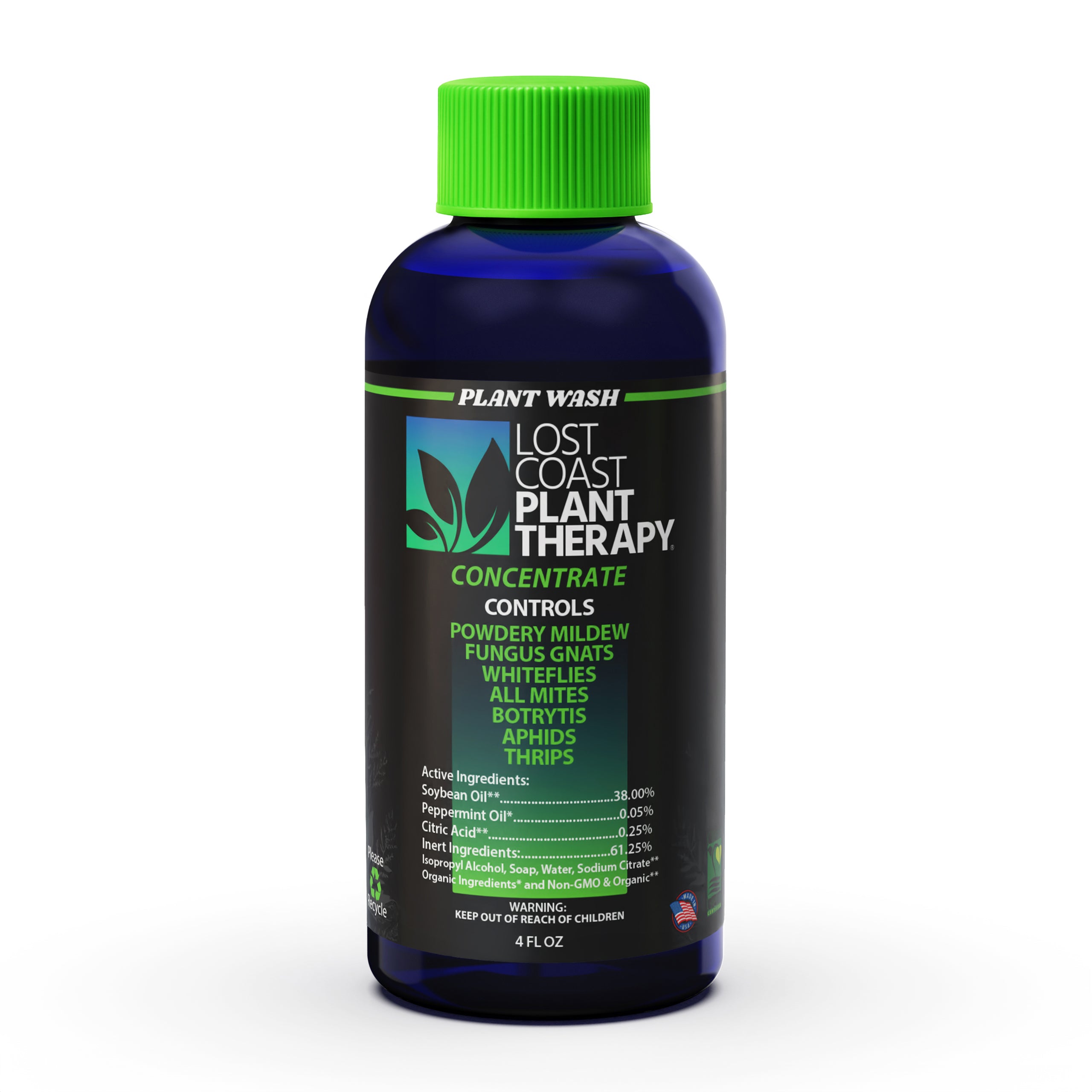
Type: Natural 3-in-1 Pesticide
4 oz Bottle
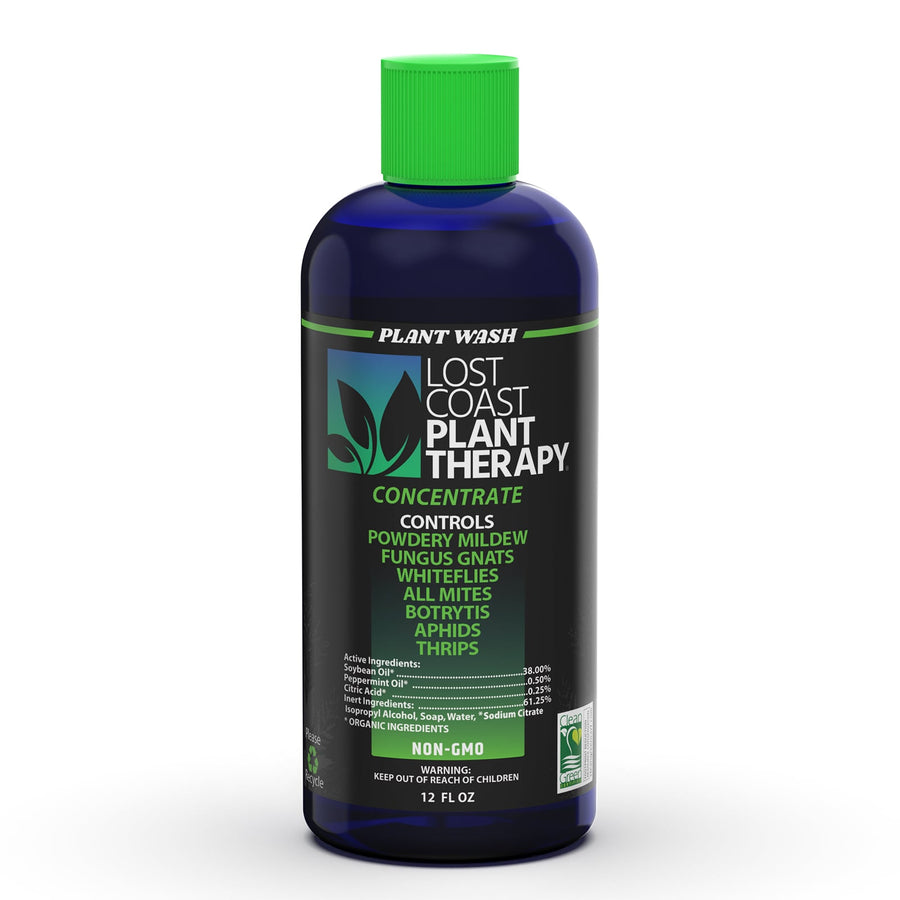
Type: Natural 3-in-1 Pesticide
12oz Bottle
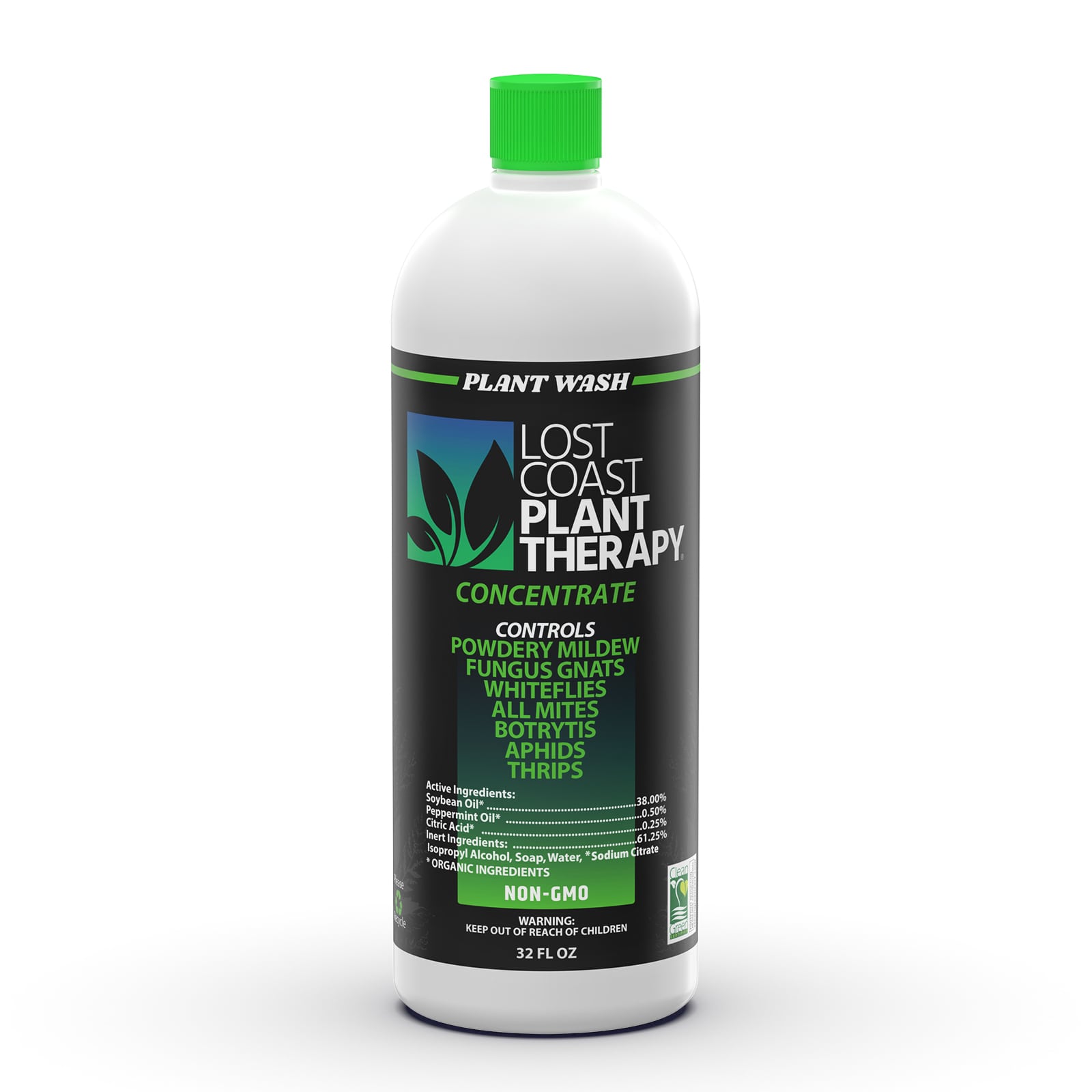
Type: Natural 3-in-1 Pesticide
32oz Bottle
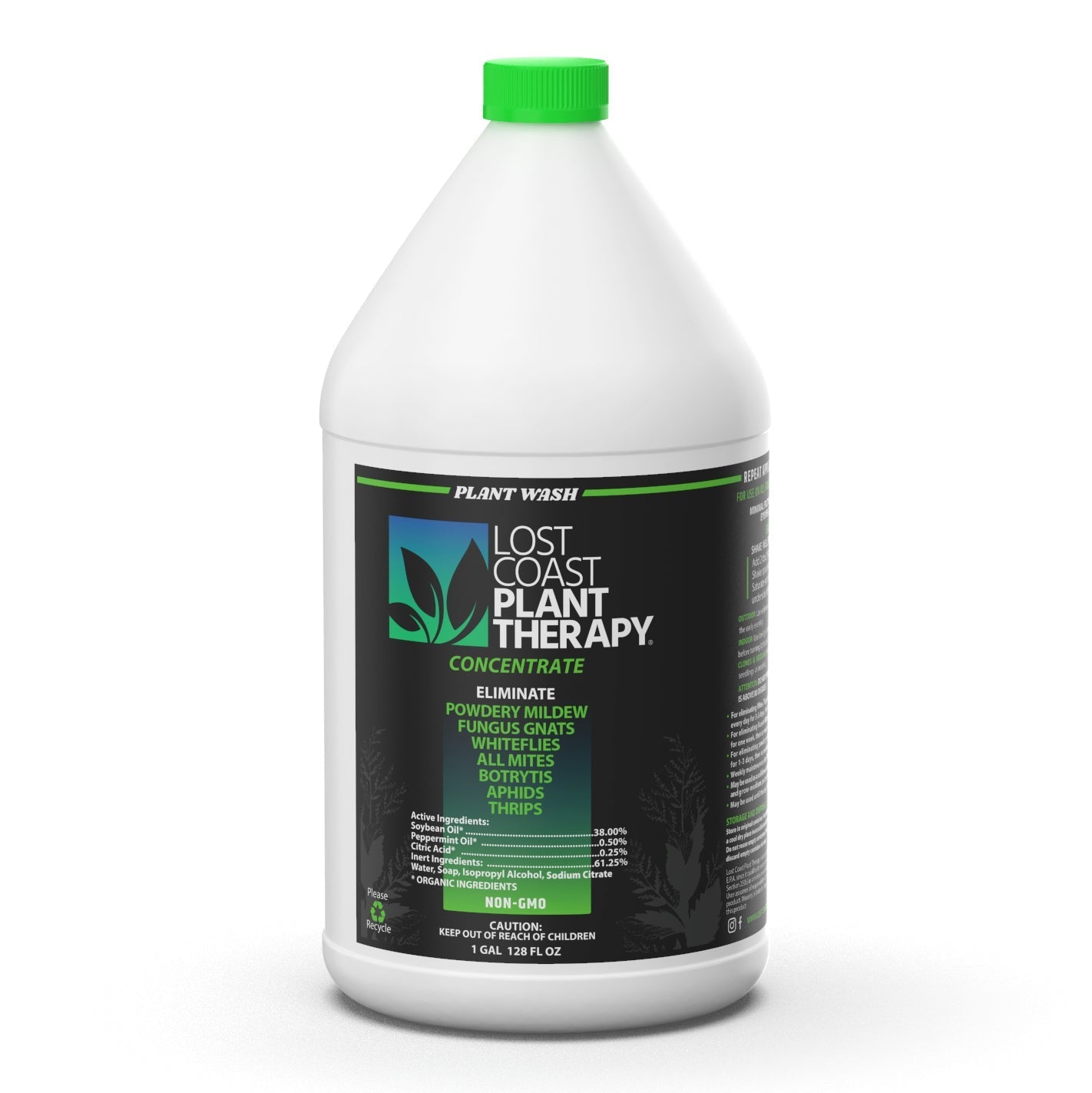
Type: Natural 3-in-1 Pesticide