


Common Signs of a Russet Mite Infestation
Russet mite damage often looks like nutrient deficiency, heat stress, or disease, which makes identification difficult.

Leaf Curling and Twisting
Leaf Curling and Twisting
Russet mites attack tender new growth, causing leaves to curl upward or twist unnaturally. Distortion often begins at the top of the plant and spreads as populations increase.

Bronzed or Russet-Colored Foliage
Bronzed or Russet-Colored Foliage
Feeding damage causes leaves and stems to develop a dull bronze, rusty, or sandpaper-like appearance. Affected foliage may feel rough rather than smooth.

Stunted Growth and Reduced Vigor
Stunted Growth and Reduced Vigor
Because russet mites target new growth, plants may become compact, stunted, or fail to develop normally. Internodes can shorten and overall growth slows significantly.

No Visible Webbing
No Visible Webbing
Unlike spider mites, russet mites do not produce silk webbing. The absence of webs combined with curling and bronzing often points toward russet mites rather than spider mites.
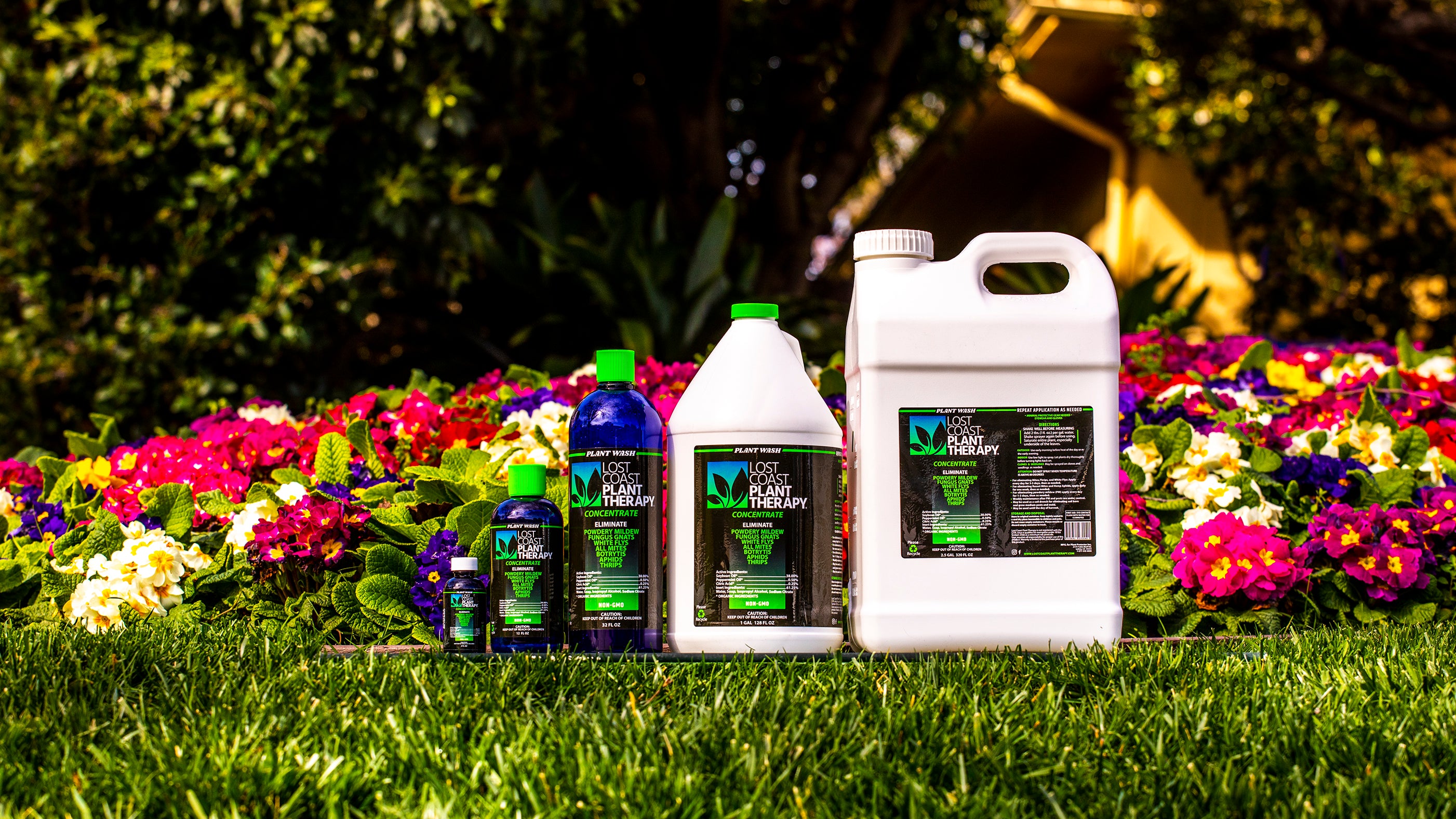
Lost Coast Plant Therapy is a minimum risk pesticide made with natural and organic ingredients. It controls russet mites on contact, coating soft-bodied mites and causing dehydration and suffocation while disrupting thoracic, metabolic, and exoskeleton function.

What Are Russet Mites?
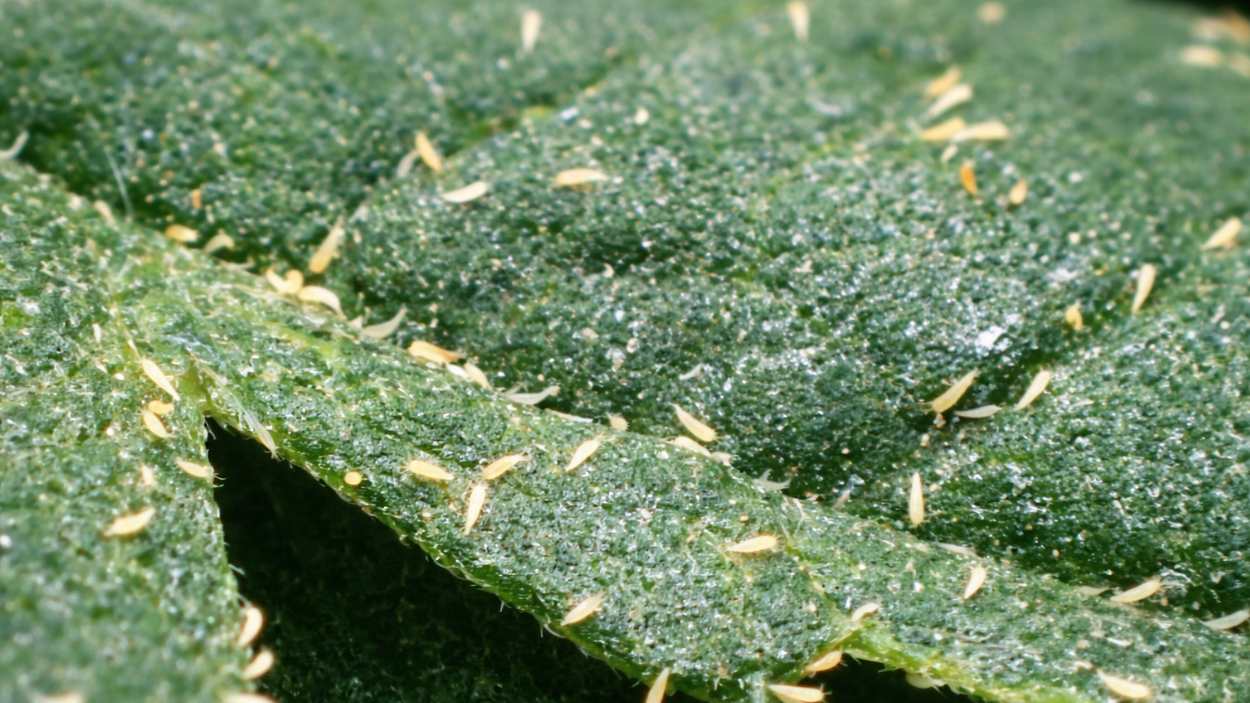
Russet mites are microscopic plant-feeding mites that damage crops by piercing leaf and stem cells and extracting internal plant fluids. They are typically cream, tan, yellow, or pinkish in color and have a narrow, wedge or torpedo shaped body. Unlike spider mites, they possess only two pairs of legs located near the head.
Russet mites damage plants by causing bronzing, brittleness, curling, and a rough, dirty-looking texture that often begins on lower leaves before progressing upward.
They thrive in hot, dry conditions and can spread quickly across tomatoes, vegetables, greenhouse crops, and ornamental plants.

How to Check for Russet Mites
Russet mites are nearly invisible to the naked eye. A 30x to 60x magnifying loupe or microscope is typically required to see adults and russet mite eggs clearly.
Inspect new growth, stems, and leaf edges first. Under magnification, russet mites appear elongated and cigar-shaped rather than round like spider mites. If leaves are curling and bronzing without webbing, magnification is strongly recommended.
Where Do Russet Mites Come From?
Russet mites are often introduced through infested nursery plants, clones, or plant cuttings. They can spread through direct plant contact, tools, or airflow in enclosed grow environments.

Lost Coast Plant Therapy
Lost Coast Plant Therapy works on contact, so thorough and consistent coverage is essential to control active russet mite infestations.
Just shake, mix & spray!
1. Shake concentrate well before measuring.
2. Mix 1–3 fl oz of concentrate per gallon of water.
3. Saturate entire plant, focusing on new growth, stems, and leaf surfaces.
The spray must directly coat russet mites to control active populations. Thorough and repeat coverage is essential to interrupt their life cycle and reduce re-emerging mite infestations.
For heavy infestations, you can boost the formula by adding 1 oz of isopropyl alcohol per gallon along with 1–3 oz of Lost Coast Plant Therapy concentrate.
The Russet Mite Life Cycle
Russet mites reproduce extremely quickly in warm, dry conditions. Because they are microscopic and concentrate on new growth, infestations can develop rapidly before visible leaf distortion and bronzing symptoms become severe.
Eggs Laid on New Growth
Deposited along stems and leaf surfaces.
Larvae Begin Feeding Quickly
Young mites pierce cells immediately after hatching.
Rapid Growth Stages
Multiple molts occur within days in warm temperatures.
Explosive Reproduction
Females multiply rapidly in heat-stressed plants.

Russet Mites on Tomatoes
Russet mites are particularly destructive on tomato plants and are one of the most common causes of unexplained leaf curling and bronzing in warm weather. Early signs include upward curling leaf edges, dull bronze discoloration on lower foliage, and a rough, sandpaper-like texture. As infestations worsen, stems may darken and appear hardened.
Severe outbreaks can reduce fruit production, stunt plant growth, and cause premature leaf drop. Because russet mite damage often mimics nutrient deficiency or heat stress, misdiagnosis is common without close inspection.

Russet Mites in Greenhouses and Grow Rooms
Controlled environments allow russet mites to reproduce continuously, especially under warm temperatures and stable lighting conditions. Species such as the hemp russet mite are highly host-specific and can severely impact medicinal flowering plants grown indoors.
Without natural predators and with limited airflow, populations expand rapidly and move plant to plant through close spacing. Routine inspection of new growth and early intervention are critical in enclosed production systems.
FAQ’s about Russet Mites
What are russet mites?
What are russet mites?
Russet mites are microscopic plant-feeding mites that damage crops by piercing surface cells and extracting fluids. They are much smaller than spider mites and usually require magnification to confirm. Because they target new growth first, damage often appears at the top of the plant before spreading.
Why do russet mites get worse in hot weather?
Why do russet mites get worse in hot weather?
Russet mite outbreaks often intensify during hot, dry conditions because heat accelerates their life cycle and reproduction rate. At the same time, high temperatures and low humidity weaken plant defenses, making crops more vulnerable to feeding damage. Tomatoes and greenhouse plants are especially susceptible during heat waves. If leaf curling and bronzing appear in extreme heat without visible webbing, russet mites are often the underlying cause.
Are russet mites the same as spider mites?
Are russet mites the same as spider mites?
No. Russet mites do not produce webbing and are elongated in shape rather than round. Spider mites create fine silk webs and cause stippling. Russet mites create uniform bronzing, curling, and rough leaf texture without visible webs.
Why are my tomato leaves curling with no webbing?
Why are my tomato leaves curling with no webbing?
Leaf curling combined with bronzing and rough texture but no webbing is a common sign of russet mites. They attack new growth and distort developing tissue, often during hot weather when symptoms can resemble heat stress.
Can russet mites kill plants?
Can russet mites kill plants?
Severe infestations can significantly weaken plants, reduce yield, stunt growth, and cause premature leaf drop. While plants may not die immediately, prolonged damage can lead to serious decline, especially in tomatoes and greenhouse crops.
Why are russet mites so hard to see?
Why are russet mites so hard to see?
Russet mites are extremely small and nearly invisible without magnification. Unlike spider mites, they do not create webbing, so infestations can progress undetected until visible leaf distortion appears.
How fast do russet mites spread?
How fast do russet mites spread?
Russet mites reproduce rapidly in warm conditions. Their life cycle can complete in days, allowing populations to build quickly during heat waves or in enclosed grow environments with stable temperatures.
Do russet mites live in soil?
Do russet mites live in soil?
Russet mites primarily live on plant surfaces, especially new growth and stems. They do not rely on soil for development like fungus gnats or thrips. However, they can move between closely spaced plants in greenhouses and grow rooms.
How do you control russet mites?
How do you control russet mites?
Because russet mites are microscopic and reproduce quickly, complete and thorough coverage is essential. Lost Coast Plant Therapy works on contact by coating and dehydrating soft-bodied pests. Repeat applications help interrupt their life cycle and reduce re-emerging populations.
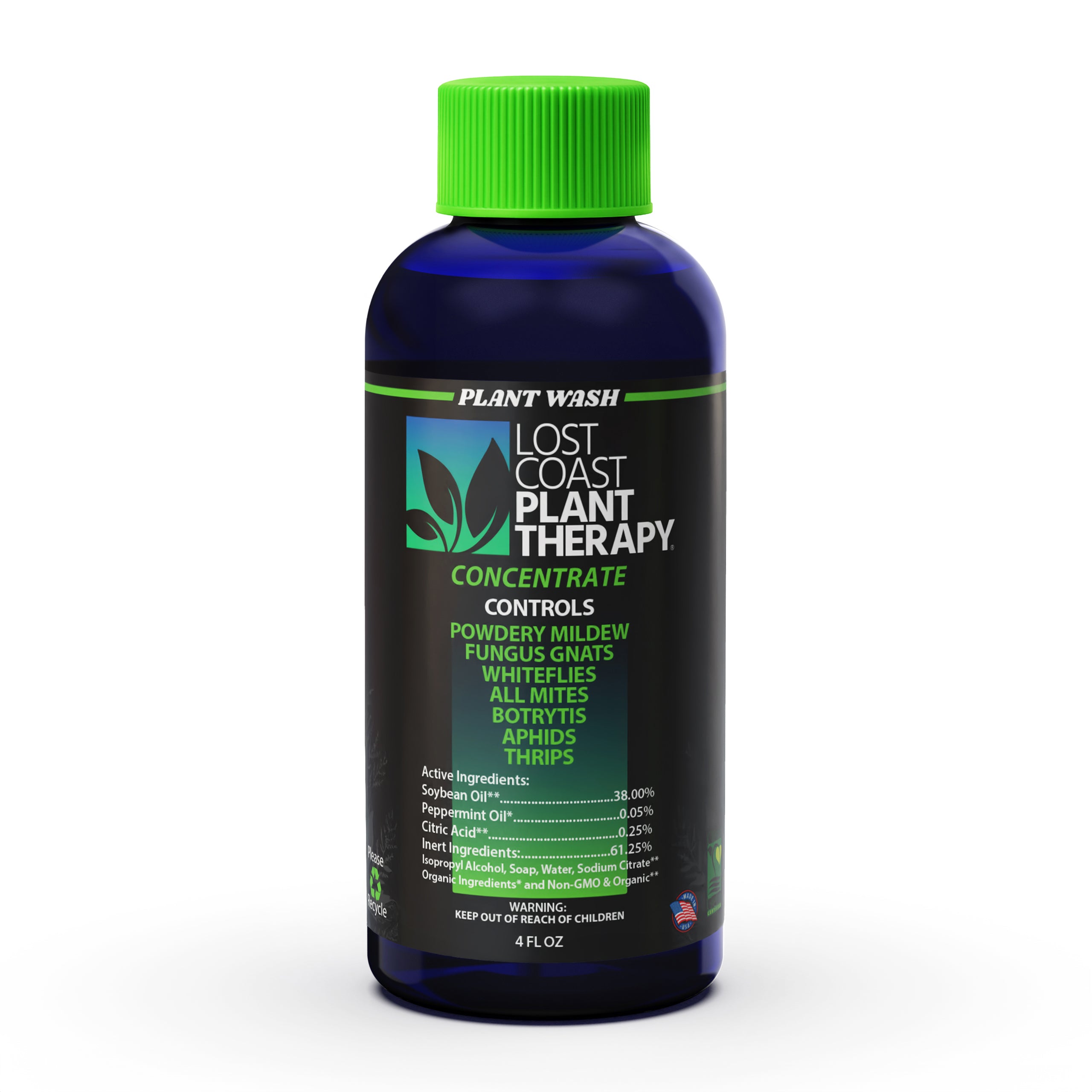
Type: Natural 3-in-1 Pest Control
4 oz Bottle

Type: Natural 3-in-1 Pest Control
12oz Bottle
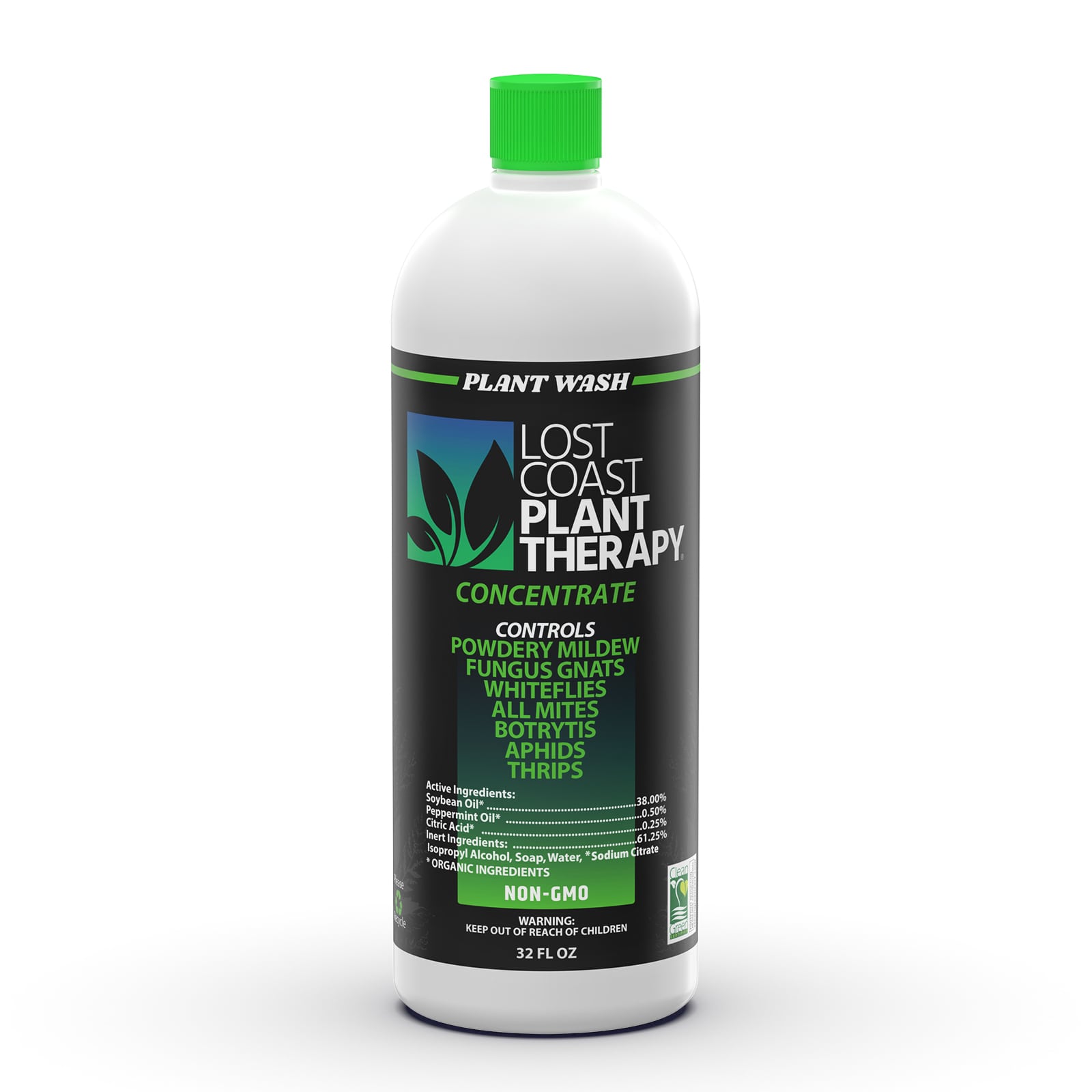
Type: Natural 3-in-1 Pest Control
32oz Bottle
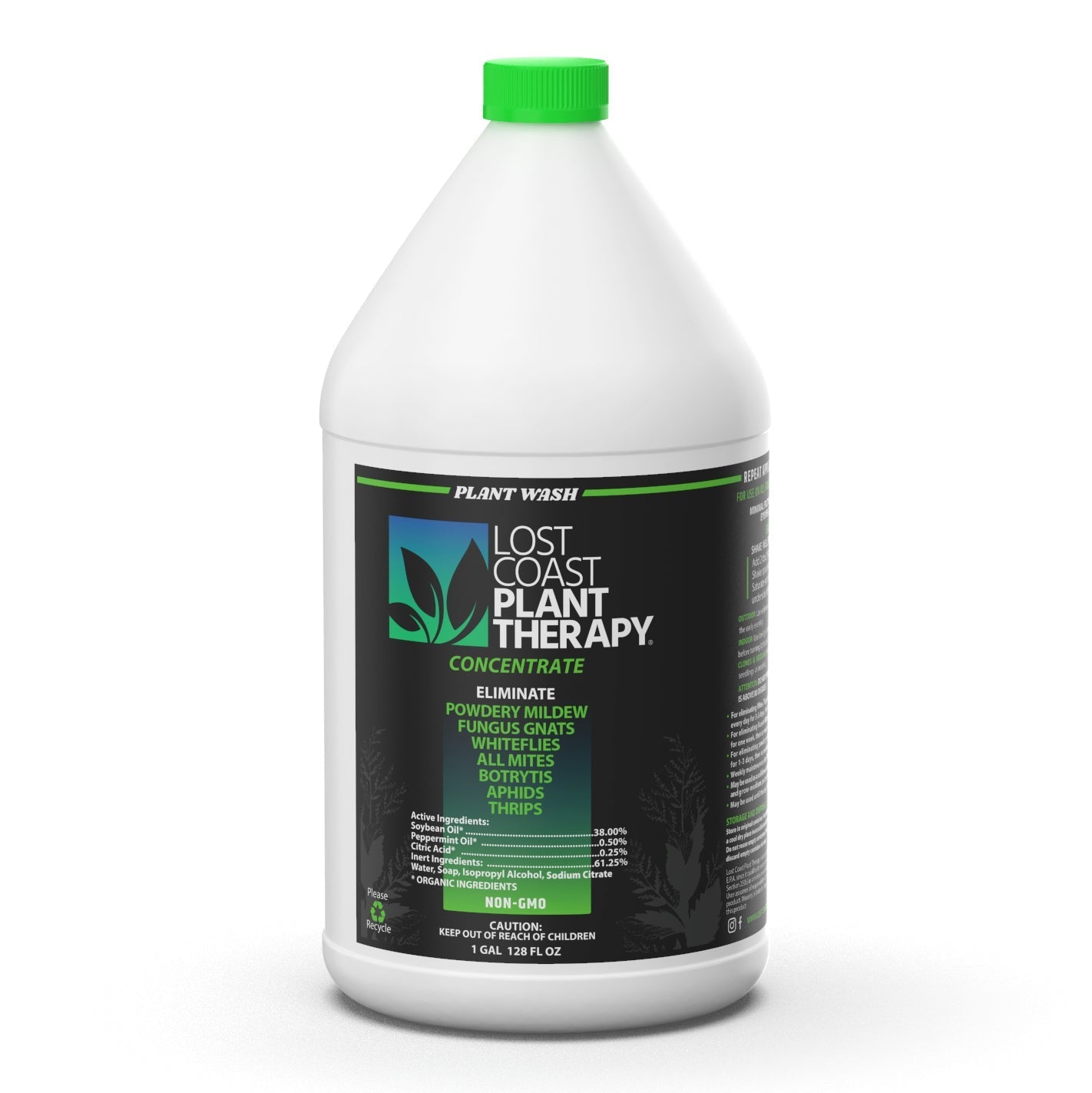
Type: Natural 3-in-1 Pest Control