


Common Signs of a Spider Mite Infestation
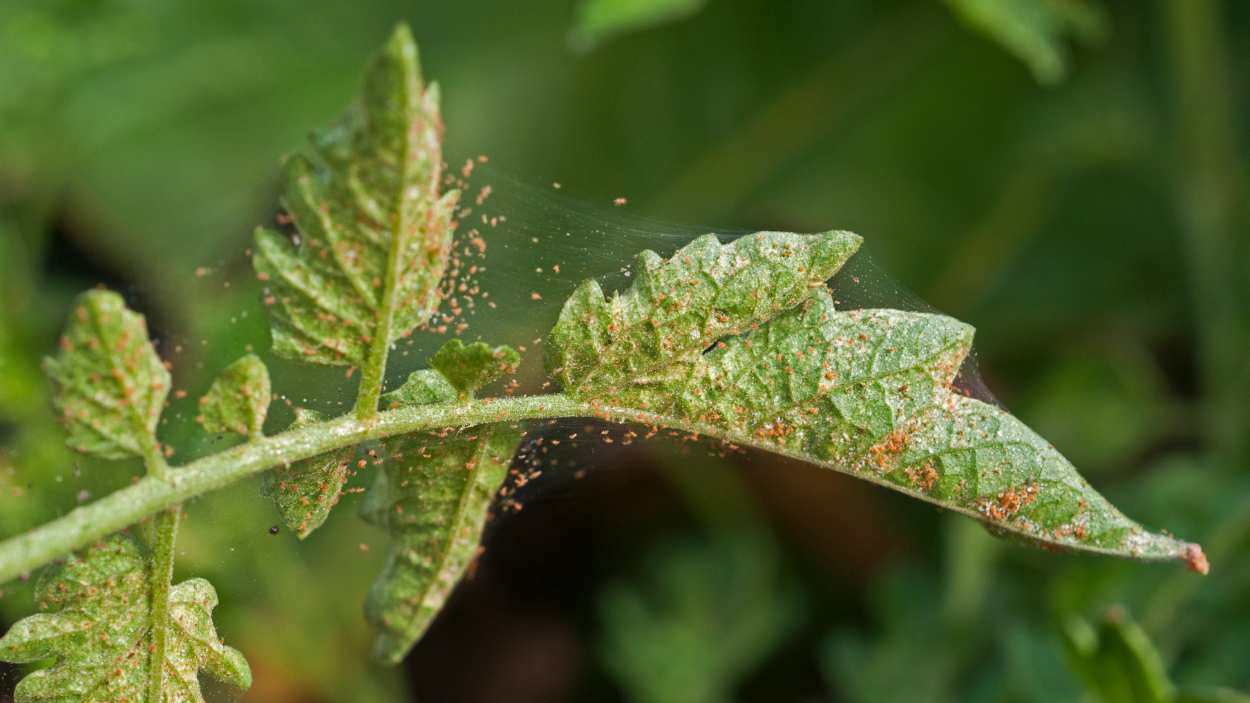
Spider mites are often identified by plant damage before the mites themselves are visible. If you’re seeing stippling, fine webbing, yellowing leaves, or dusty-looking foliage, spider mites may already be active.

White or Yellow Speckles on Leaves
White or Yellow Speckles on Leaves
Spider mites pierce individual plant cells, causing tiny white or yellow speckles known as stippling. As feeding continues, leaves may appear faded, dry, or sandblasted.

Fine Webbing on Leaves and Stems
Fine Webbing on Leaves and Stems
Unlike most pests, spider mites produce delicate silk webbing across leaves and stems. Webbing often appears between leaf veins or along growing tips. Visible webs usually indicate an established infestation.

Leaves Turning Bronze
Leaves Turning Bronze
As damage accumulates, leaves may shift from speckled to bronze, copper, or rust tones. This discoloration results from widespread cell collapse. Plants may look drought-stressed even when soil moisture is adequate.

Dusty Undersides of Leaves
Dusty Undersides of Leaves
Spider mites gather primarily on leaf undersides. Plants may appear dusty or gritty underneath, especially in warm conditions. Close inspection often reveals tiny moving dots rather than visible insects.
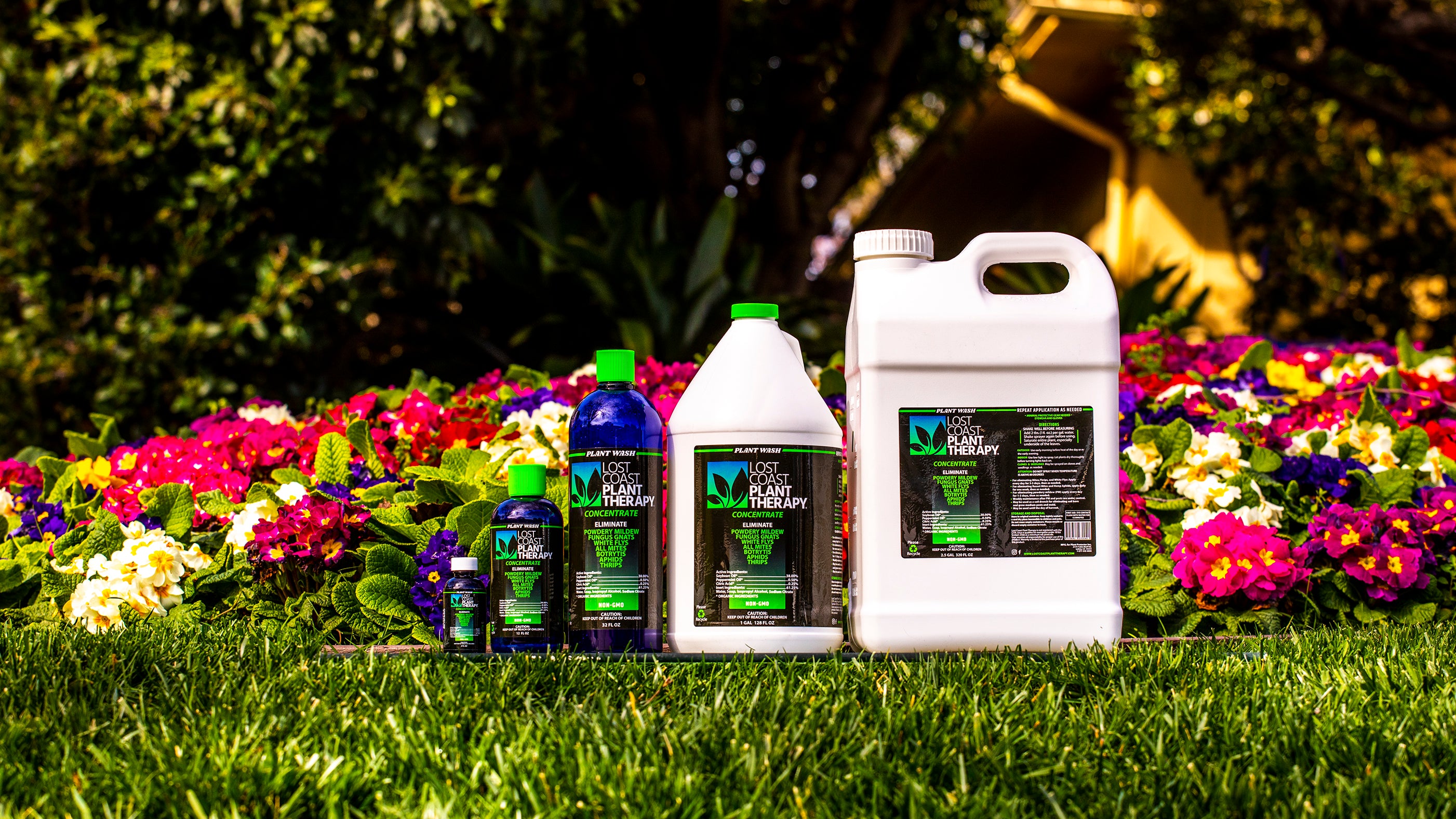
Lost Coast Plant Therapy is a minimum risk pesticide made with natural and organic ingredients. It works to control spider mites on contact, coating soft-bodied mites and causing dehydration and suffocation while disrupting thoracic, metabolic, and exoskeleton function.

What Are Spider Mites?
Spider mites are microscopic arachnid pests that damage plants by piercing leaf tissue and feeding on cell contents. They thrive in hot, dry conditions and spread quickly across vegetables, houseplants, ornamentals, and greenhouse crops.
How to Check for Spider Mites
One simple method is the white paper tap test. Hold a sheet of white paper beneath a leaf and gently tap the foliage. If tiny moving specks fall onto the paper and begin crawling, spider mites are likely present.
Always inspect the undersides of leaves where mites feed and lay eggs. Look for fine webbing along stems and leaf veins, as well as stippling or bronzing damage that appears before webbing becomes obvious.

The Two Spotted Spider Mite
Two-spotted spider mites are the most widespread and destructive spider mite species affecting tomatoes, beans, peppers, ornamental plants, houseplants, and greenhouse crops.
Recognized by two dark spots on their pale green, yellow, or reddish bodies, they feed on leaf undersides and cause stippling, bronzing, leaf drop, and fine silk webbing. Without early detection and consistent contact control, populations can escalate quickly and severely weaken plant health.

Spider Mites Indoors vs Outdoors
Indoors, natural predators are absent and dry air accelerates reproduction. Populations can build on leaf undersides until stippling and fine webbing become visible. Heated rooms and grow lights further speed up their life cycle.
Outdoors, beneficial insects, rainfall, and temperature fluctuations help suppress populations. However, extended heat waves and drought conditions can still trigger severe spider mite infestations on vegetables, ornamentals, and fruiting crops.

Lost Coast Plant Therapy
Lost Coast Plant Therapy works on contact, so complete and thorough coverage is essential to control active spider mite infestations.
1. Shake concentrate well before measuring.
2. Mix 1–3 fl oz of concentrate per gallon.
3. Saturate entire plant, especially undersides of leaves, stems, and along visible webbing.
The spray must directly coat spider mites to control them. Consistent and repeat applications help interrupt their life cycle and reduce re-emerging populations.
For heavy infestations, you can boost the formula by adding 1 oz of isopropyl alcohol per gallon along with 1–3 oz of Lost Coast Plant Therapy concentrate.
The Spider Mite Life Cycle
Spider mites reproduce rapidly in warm, dry conditions. Their short life cycle allows populations to explode within days, especially indoors or in greenhouses.
Eggs on Leaf Undersides
Laid along veins and protected by fine webbing.
Larvae Begin Feeding
Young mites pierce cells and start feeding quickly.
Multiple Nymph Stages
Several molting phases before reaching adulthood.
Adults Reproduce
Females lay dozens of eggs in warm weather.

Spider Mites on Outdoor Fruits and Vegetables
Outdoor vegetable plants such as beans, cucumbers, peppers, squash, and strawberries frequently experience spider mite outbreaks during extended heat waves. Leaves may appear drought-stressed, speckled, or bronze despite adequate watering.
Wind can carry mites between neighboring plants, accelerating field spread. Dry soil, plant stress, and prolonged summer heat significantly increase susceptibility to severe spider mite damage in backyard gardens and larger vegetable plots.

Spider Mites on Houseplants
Spider mites are one of the most common indoor plant pests, especially on tropical foliage and decorative houseplants. They thrive in warm, dry indoor air and can reproduce rapidly on ficus, palms, ivy, calatheas, and other broadleaf plants.
Early signs include fine stippling on leaves, faded or dull foliage, and subtle webbing along stems and leaf undersides. Because spider mites are microscopic, indoor infestations often go unnoticed until leaves turn bronze, dry out, or begin dropping prematurely.

Spider Mites in Greenhouses
Greenhouses create ideal conditions for spider mite infestations due to consistent warmth, intense light, and limited natural predators. Dense crop spacing allows mites to move rapidly between plants, especially in commercial vegetable and ornamental production systems.
Because multiple life stages overlap, populations can rebound quickly without thorough coverage. Under high light intensity and reduced airflow, outbreaks may escalate within days if not monitored closely.

Spider Mites on Tomatoes
Tomato plants are highly susceptible to spider mites, especially during hot, dry weather or in greenhouse tomato production. Mites feed on leaf undersides, causing speckled tomato leaves that gradually turn bronze, brittle, and stressed.
Severe infestations reduce photosynthesis, weaken plant vigor, and lower fruit yield. Fine webbing may develop between leaflets and stems as populations expand quickly in warm conditions, particularly during mid to late summer.
How to Tell the Difference Between Spider Mites and Thrips
Spider mites and thrips both cause leaf damage, but their feeding behavior and visible symptoms differ.

Webbing vs No Webbing
Webbing vs No Webbing
Spider mites produce fine silk webbing on leaves, stems, and growing tips. Thrips do not create webs. If you see delicate, dusty-looking webbing across foliage, spider mites are the likely cause of the damage.

Microscopic Mites vs Slender Insects
Microscopic Mites vs Slender Insects
Spider mites appear as extremely small moving dots, often red, brown, or pale in color. Thrips are narrow, elongated insects that move quickly and may fly when disturbed. Body shape is a key difference.

Speckling vs Silver Streaks
Speckling vs Silver Streaks
Spider mites cause uniform tiny white or yellow dots scattered across leaf surfaces. Thrips create elongated silver or bronze streaks from scraping plant tissue. Speckled leaves without streaking typically indicate spider mite feeding.

Bronzing Leaves vs Black Droppings
Bronzing Leaves vs Black Droppings
Spider mite damage causes leaves to turn bronze, rust-colored, or dry. Thrips leave tiny black droppings near feeding scars. Bronze discoloration without black specks is more commonly linked to spider mites.
FAQ’s about Spider Mites
How do you get rid of spider mites fast?
How do you get rid of spider mites fast?
To get rid of spider mites quickly, you must fully coat the undersides of leaves where mites and eggs are concentrated. Because they reproduce rapidly in warm, dry conditions, thorough coverage and repeat applications are essential. Increasing humidity and reducing plant stress also helps slow population growth.
Learn more about how to get rid of spider mites here.
Are red spider mites different from spider mites?
Are red spider mites different from spider mites?
Red spider mites are not a separate pest species in most cases. The term commonly refers to two-spotted spider mites when they appear red or rust-colored in hot, dry conditions. Despite the color change, their behavior, feeding damage, and control methods remain the same. Red spider mites still cause stippling, bronzing, and webbing and require thorough contact coverage to control active populations.
Where do spider mites come from?
Where do spider mites come from?
Spider mites are commonly introduced by wind currents, infested nursery plants, nearby landscape vegetation, or outdoor crops. Indoors, they often arrive on new houseplants, clones, or cuttings and can spread quickly between closely spaced plants.
Spider mite outbreaks are most common during summer or in heated indoor environments. Greenhouses, grow rooms, and dry household air provide ideal conditions for continuous reproduction, particularly when humidity is low and airflow is limited.
Do spider mites go away on their own?
Do spider mites go away on their own?
Spider mites rarely disappear without intervention. Outdoors, weather changes and beneficial insects may reduce small populations. Indoors, they typically continue multiplying because warm temperatures and dry air create ideal breeding conditions.
Why do spider mites keep coming back?
Why do spider mites keep coming back?
Spider mites lay microscopic eggs on leaf undersides. Even after visible mites are reduced, eggs can hatch within days. If coverage is incomplete or treatments are not repeated, populations rebound quickly.
What do spider mites look like?
What do spider mites look like?
Spider mites are extremely small and often appear as tiny moving dots. Depending on species and season, they may be red, brown, tan, or pale green. Fine webbing on leaves and stems is often easier to see than the mites themselves.
How can you tell if you have spider mites?
How can you tell if you have spider mites?
Early signs include tiny white or yellow speckles across leaves, bronzing foliage, and fine silk webbing between stems. Plants may look dry or stressed despite adequate watering. Webbing combined with stippling strongly indicates spider mite activity.
Are spider mites harmful to plants?
Are spider mites harmful to plants?
Yes. Spider mites pierce plant cells and extract contents, reducing photosynthesis and weakening overall plant health. Heavy infestations can cause leaf drop, stunted growth, reduced flowering, and lower fruit production.
Do spider mites live in soil?
Do spider mites live in soil?
Spider mites primarily live and feed on leaves, especially on undersides. They do not depend on soil for development. However, they may survive in plant debris or protected areas near infested plants.
How do spider mites spread?
How do spider mites spread?
Spider mites spread through wind currents, plant-to-plant contact, tools, and introducing infested nursery plants indoors. Because they are lightweight, even minor air movement can help them disperse to nearby plants.
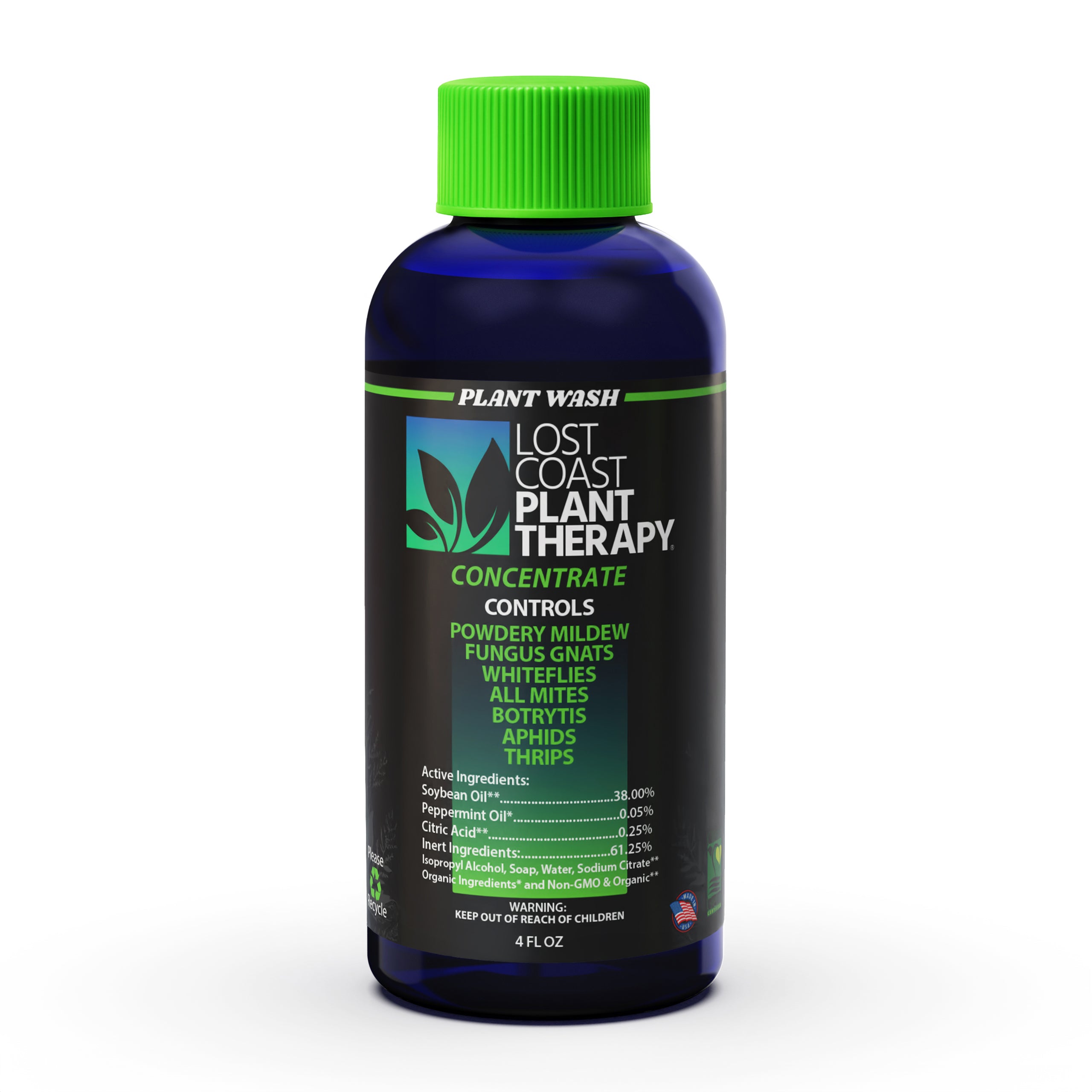
Type: Natural 3-in-1 Pest Control
4 oz Bottle

Type: Natural 3-in-1 Pest Control
12oz Bottle
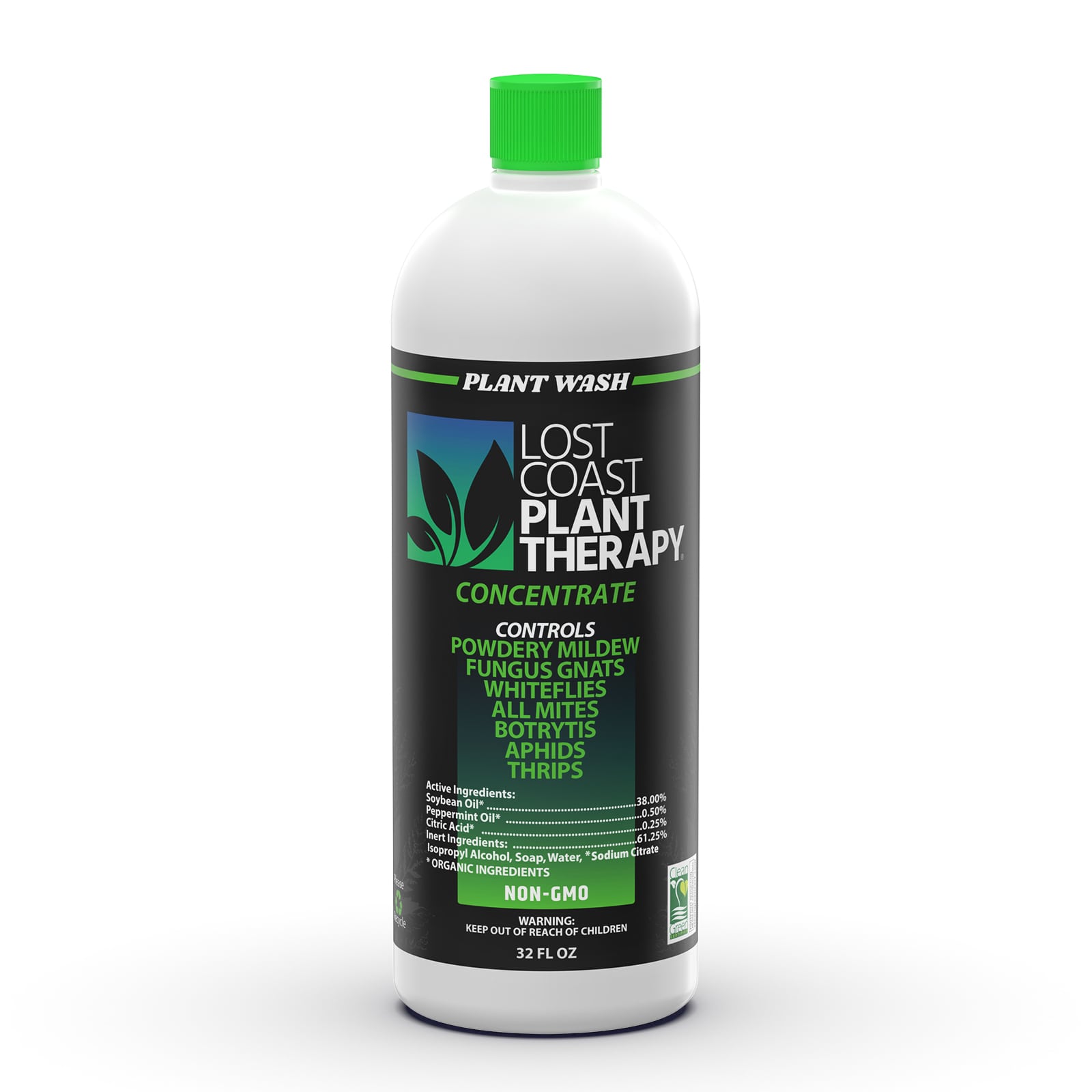
Type: Natural 3-in-1 Pest Control
32oz Bottle
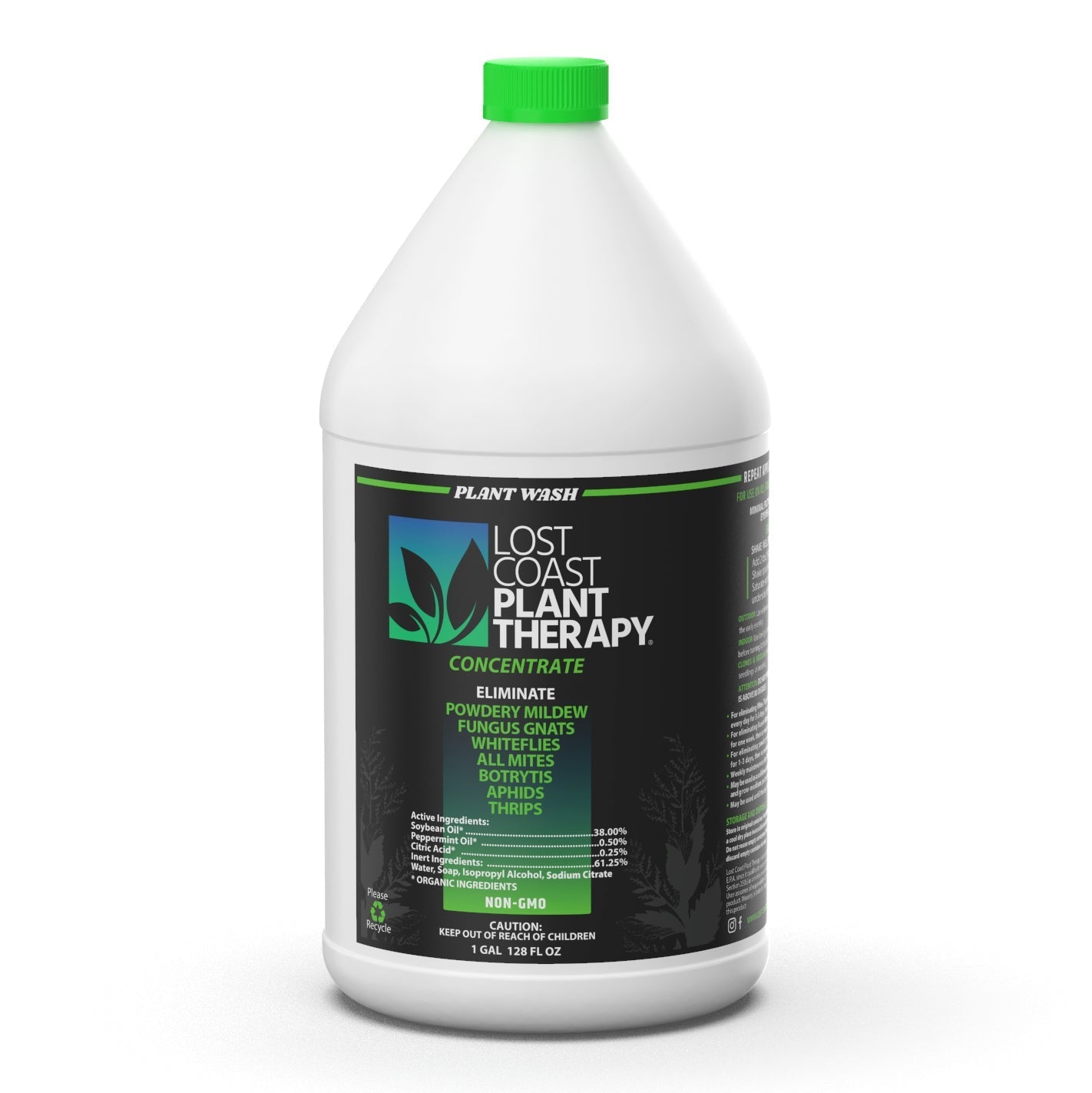
Type: Natural 3-in-1 Pest Control