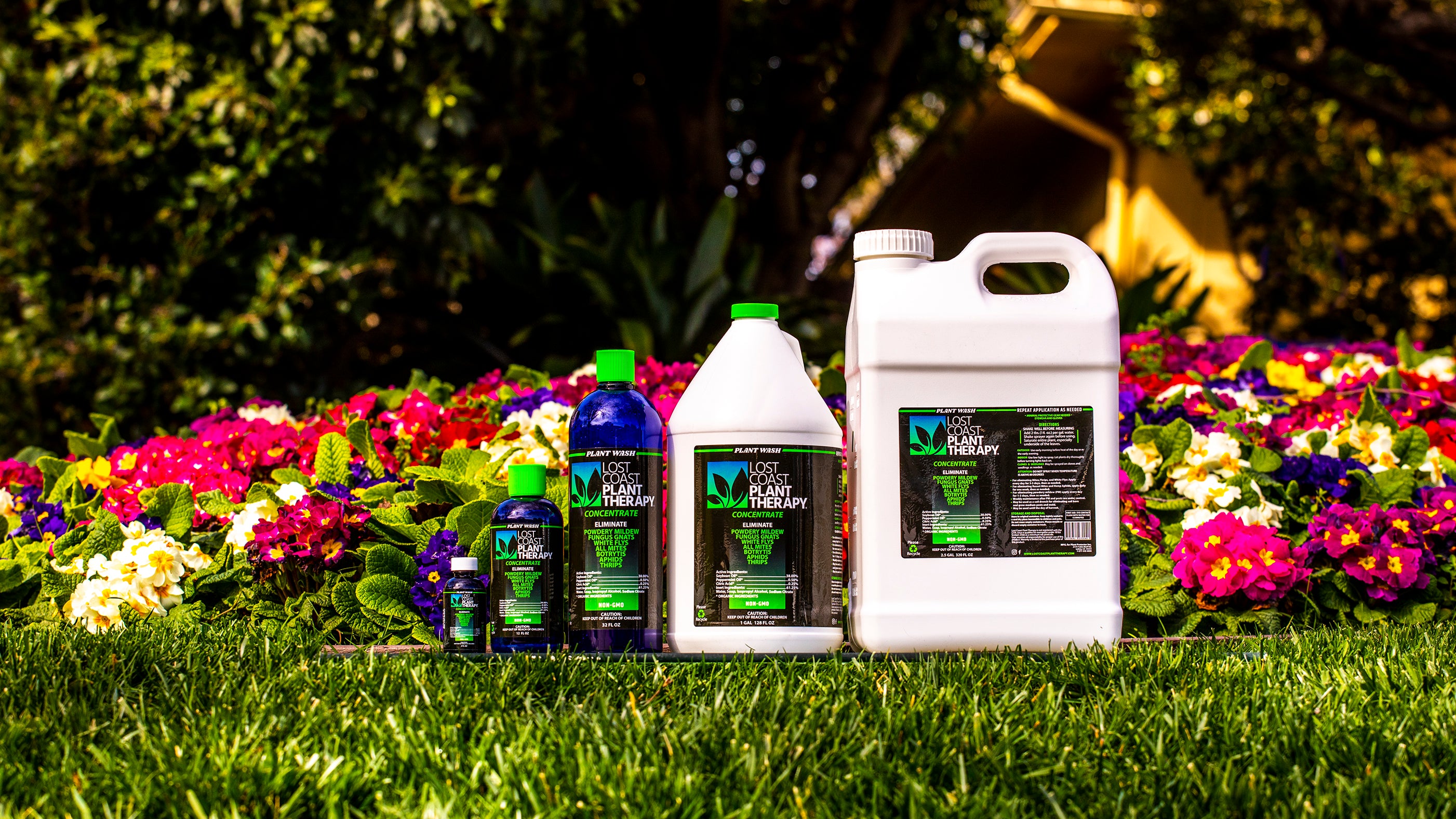

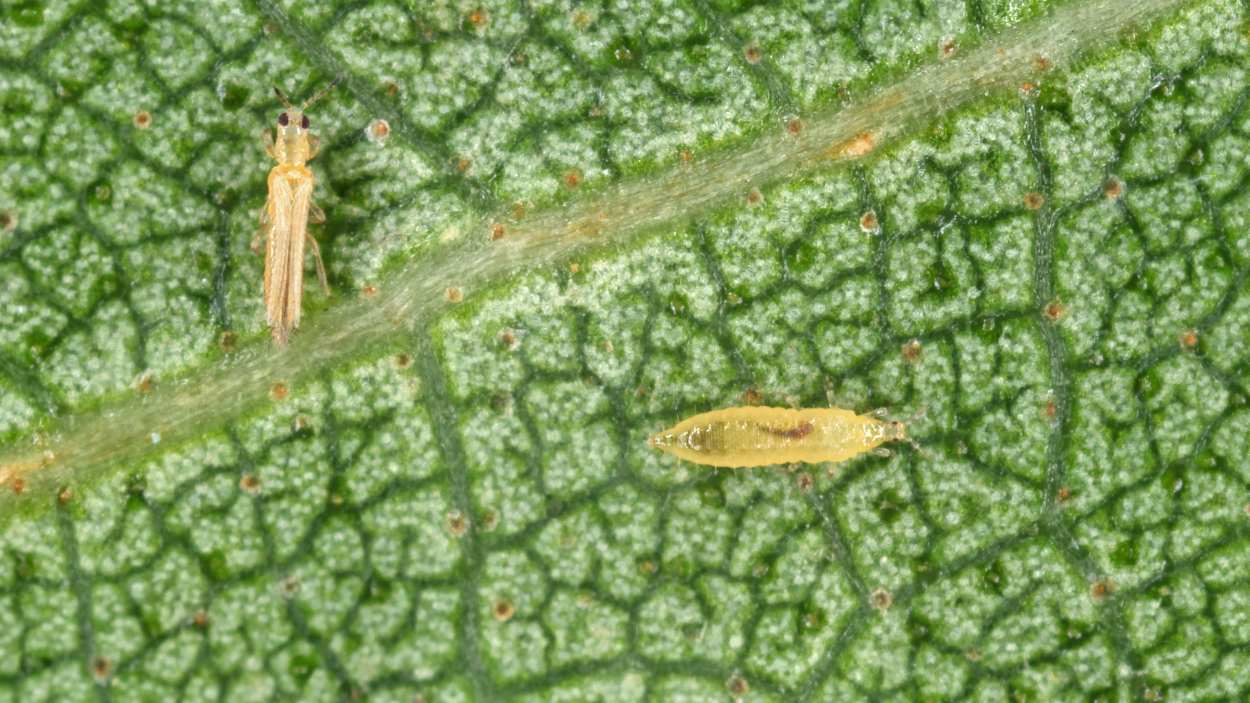


Lost Coast Plant Therapy is a minimum risk pesticide made with natural and organic ingredients. It works on contact, coating soft-bodied thrips and causing dehydration and suffocation while disrupting thoracic, metabolic, and exoskeleton function.

Western Flower Thrips
Western Flower Thrips
Western flower thrips are the most destructive thrips species worldwide. They attack vegetables, ornamentals, fruiting crops, and medicinal plants, feeding inside flowers and tender growth. They reproduce quickly and are known vectors of plant viruses like Tomato Spotted Wilt Virus.

Onion Thrips
Onion Thrips
Onion thrips are common in vegetable production, especially onions, garlic, leeks, and leafy greens. They scrape leaf surfaces, causing silvery streaking and reduced photosynthesis. Populations build rapidly in warm, dry conditions and can significantly reduce crop yield.

Chili Thrips
Chili Thrips
Chili thrips thrive in warm outdoor climates and heavily damage peppers, strawberries, roses, and ornamental shrubs. Feeding causes leaf curling, bronzing, and distorted new growth. Severe infestations can stunt plants and reduce flowering and fruit production.

Greenhouse Thrips
Greenhouse Thrips
Greenhouse thrips are a major issue for indoor and commercial growers. They hide on leaf undersides and inside protected growing environments where natural predators are limited. Feeding leads to stippling, discoloration, and gradual plant decline.

Thrips on Medicinal Plants
Thrips are a major concern for medicinal and flowering crops grown indoors or in protected environments. They feed on new growth and hide inside buds, causing leaf stippling, curling, and reduced flower quality.
Because medicinal plants are often grown intensively, even small thrips populations can expand rapidly. Close canopy inspection and thorough contact treatments are essential to prevent long-term plant stress and yield loss.

Thrips on Houseplants
Indoor plants provide a stable, protected environment where aphids can reproduce year-round. They often hide under leaves or along soft stems, going unnoticed until leaves curl or feel sticky.
Early detection and full leaf coverage, especially beneath foliage, are key to restoring plant health and preventing spread to nearby houseplants.

Thrips in Greenhouses
Greenhouses create warm, stable conditions that allow thrips populations to build continuously. Western flower thrips are especially problematic in commercial operations, where they damage flowers and spread plant viruses.
Because thrips hide inside blooms and canopy layers, infestations can persist undetected. Consistent scouting, airflow management, and full-coverage contact control are essential for maintaining crop quality and preventing economic loss.

Thrips on Roses
Thrips are a common pest of roses, especially during warm, dry weather. Unlike aphids, thrips hide deep inside rose buds and feed on petals before flowers open. Damage appears as streaked, browned, or distorted blooms.
Because they feed inside developing flowers, infestations are often discovered only after buds fail to open properly. Early inspection of tight buds and inner petals is critical to prevent visible bloom damage and reduced ornamental quality.

Thrips on Tomatoes
Thrips frequently attack tomato plants, feeding on leaves, flowers, and developing fruit. Their scraping mouthparts create silvery streaks on foliage and may cause bronzing or distorted growth.
More importantly, certain thrips species transmit Tomato Spotted Wilt Virus (TSWV), a serious disease that can devastate tomato crops. Managing thrips early helps protect both plant health and fruit production.

Lost Coast Plant Therapy
Lost Coast Plant Therapy works on contact, so complete and thorough coverage is essential to control active thrips infestations.
Just shake, mix & spray!
1. Shake concentrate well before measuring.
2. Mix 1–3 fl oz of concentrate per gallon of water.
3. Saturate entire plant, including undersides of leaves, stems, and inside flowers or buds.
The spray must directly coat thrips to control them. Since thrips often pupate in soil, treating surrounding plant surfaces consistently helps reduce re-emerging populations.
For heavy infestations, you can boost the formula by adding 1 oz of isopropyl alcohol per gallon along with 1–3 oz of Lost Coast Plant Therapy concentrate.

Demonstrates 97% Efficacy Against Thrips
Lost Coast Plant Therapy was evaluated in independent greenhouse trials conducted in collaboration with Cornell University’s College of Agriculture and Life Sciences (CALS).
Results demonstrated 97% efficacy against thrips, under commercial greenhouse conditions, with strong suppression observed following repeat applications and thorough plant coverage.
These findings reinforce the importance of complete saturation when treating active infestations and support Lost Coast Plant Therapy as an effective minimum-risk solution for greenhouse and commercial growers.
Understanding the Thrips Life Cycle
Thrips reproduce quickly and develop through multiple stages that make them difficult to eliminate without thorough treatment.
Eggs Inside Plant Tissue
Female thrips insert their eggs directly into leaves, stems, or flower tissue.
Feeding Larvae
Larvae feed on leaves and flowers, causing silver streaks and distorted growth.
Soil Pupation Stage
Thrips pupate in soil, allowing new adults to emerge even after treatment.
Winged Spread
Adult thrips develop wings and can fly to new plants, restarting the infestation cycle.

Where Do Thrips Come From?
Thrips can appear suddenly in gardens, greenhouses, and indoor grow spaces. Winged adults are often carried in by wind, especially during warm, dry weather.
New nursery plants, clones, and cuttings are another common source, since thrips lay eggs directly inside plant tissue where they are difficult to detect.
After feeding on leaves and flowers, thrips drop into the soil to pupate, allowing new adults to emerge days later. This hidden soil stage is why infestations can seem to return even after visible populations are reduced. Indoors, thrips are most often introduced through newly purchased plants or plants that were previously kept outside.
Common Signs of a Thrips Infestation

Streaks on Leaves
Silver, pale, or bronze or black streaking on leaves is one of the most common signs of thrips damage. Thrips scrape plant cells with rasping mouthparts and feed on the contents, leaving behind silvery scars that reflect light.
As feeding continues, leaves may take on a dull bronze appearance. This damage is especially common on vegetables, ornamentals, and indoor plants.

Leaf Scarring & Patchy Discoloration
Thrips scrape across leaf surfaces as they feed, damaging plant cells and leaving behind irregular silver, pale, or bronze patches. Affected leaves may develop a sandblasted appearance, with uneven discoloration.
Because thrips feed on the outer leaf layer, damage can expand quickly. Leaf scarring and patchy discoloration are especially common on houseplants, vegetables, and greenhouse-grown ornamentals.

Tiny Black Insects That Fly
Thrips are slender, fast-moving insects that may appear as tiny black or tan slivers on leaves or flowers. When disturbed, adults often fly or jump short distances, making them harder to catch.
Many growers first notice thrips when brushing a plant and seeing small insects scatter. Their narrow bodies and quick movement help distinguish them from aphids or fungus gnats.
How to Tell the Difference Between Thrips and Aphids
Thrips and aphids are often confused because both are small insects that damage leaves and flowers.
If you’re seeing plant damage but aren’t sure whether it’s thrips or aphids, these key differences will help you identify the pest correctly and choose the right control strategy.

Silver Streaks vs Sticky Residue
Silver Streaks vs Sticky Residue
Thrips scrape leaf surfaces, leaving behind silver or bronze streaks and patchy scarring. Aphids, in contrast, feed on sap and produce sticky residue called honeydew. If leaves feel shiny or attract ants, aphids are likely the cause rather than thrips.

Black Specks vs Honeydew
Black Specks vs Honeydew
Thrips leave tiny black specks on leaves, which are their droppings and often appear near feeding scars. Aphids do not leave black specks but instead coat leaves with sugary residue. Black dots plus silver streaking strongly suggest thrips activity.

Slender vs Pear-Shaped
Slender vs Pear-Shaped
Thrips are narrow, elongated insects that move quickly and may fly when disturbed. Aphids are pear-shaped and tend to gather in visible clusters along stems and leaf undersides. Thrips are usually more scattered and harder to spot.

Flower Damage vs Leaf Curling
Flower Damage vs Leaf Curling
Thrips commonly hide inside buds and flowers, causing streaked petals, scarred blooms, and distorted buds. Aphids more often cause curled leaves and sticky buildup on foliage. Severe flower scarring without residue is typically linked to thrips.
FAQ’s about Thrips
How to get rid of thrips?
How to get rid of thrips?
The key to getting rid of thrips is early detection and thorough coverage. As soon as you notice silvery streaks on leaves, distorted growth, or tiny dark specks (which are signs of feeding), it’s time to act.
Make sure to spray Lost Coast Plant Therapy thoroughly, coating the tops and undersides of leaves, stems, and especially new growth and blooms. The spray must directly contact the thrips to control active populations.
Apply in the early morning or evening (never in direct sun) or when light are off and repeat applications to help interrupt their life cycle and reduce re-emerging populations. Consistency is important.
Learn more about how to get rid of thrips here.
Are thrips harmful to plants?
Are thrips harmful to plants?
Yes. Thrips damage plants by scraping and sucking out cell contents from leaves, buds, and flowers. This feeding causes silver streaks, scarring, distorted growth, and reduced plant health. Heavy infestations can significantly stress plants and reduce flower and fruit quality.
Do thrips kill plants?
Do thrips kill plants?
Thrips rarely kill mature plants outright, but severe infestations can destroy seedlings, stunt young plants, and ruin blooms. Repeated feeding weakens plants over time and increases vulnerability to disease. Early intervention prevents long-term decline.
How fast do thrips multiply?
How fast do thrips multiply?
Thrips reproduce quickly, especially in warm conditions. A full life cycle can complete in as little as two to three weeks. Because eggs are inserted inside plant tissue and pupae develop in soil, populations can rebound even after visible adults are reduced.
Do thrips live in soil?
Do thrips live in soil?
Yes. While larvae feed on leaves and flowers, thrips drop into the soil to pupate. This soil stage is hidden and often overlooked, allowing new adults to emerge days later. This is one reason infestations seem to come back.
Why do thrips keep coming back after spraying?
Why do thrips keep coming back after spraying?
Thrips have multiple life stages. Sprays may control exposed larvae and adults, but eggs inside plant tissue and pupae in soil can survive initial treatments. Consistent coverage and repeated applications are often necessary to break the life cycle.
Are thrips hard to get rid of?
Are thrips hard to get rid of?
They can be challenging because they hide inside buds, flowers, and tight leaf folds. Their rapid reproduction and soil pupation stage make thorough coverage essential.
What do thrips damage look like?
What do thrips damage look like?
Thrips damage appears as silver or bronze streaks, stippling, black specks (droppings), scarred petals, and distorted buds. Leaves may look dry, scraped, or discolored rather than sticky. Flower damage is especially common.
Do thrips spread plant diseases?
Do thrips spread plant diseases?
Certain species, especially western flower thrips, are known vectors of plant viruses. Their feeding can transmit viral pathogens between plants, which makes early detection and control especially important in dense growing environments.
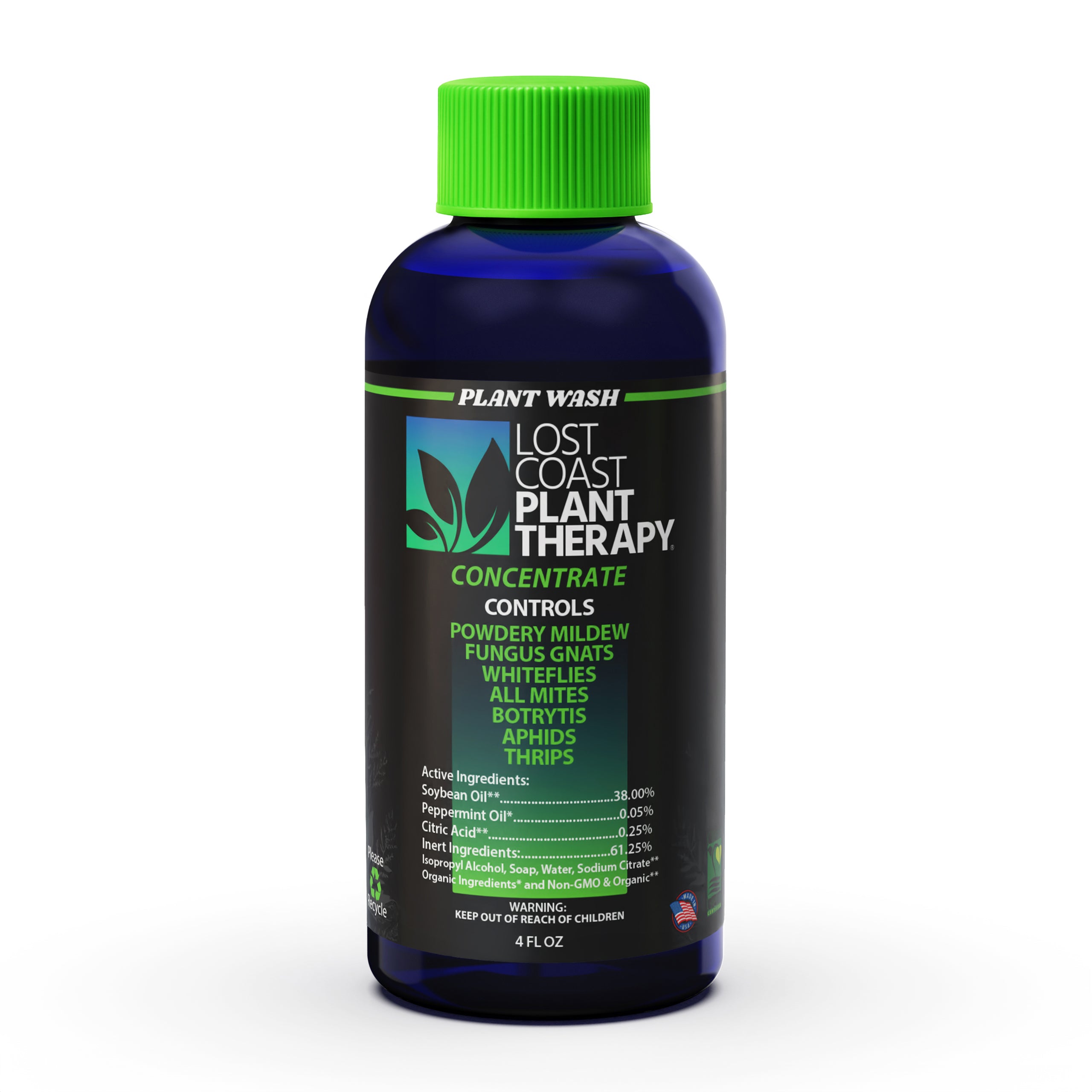
Type: Natural 3-in-1 Pest Control
4 oz Bottle
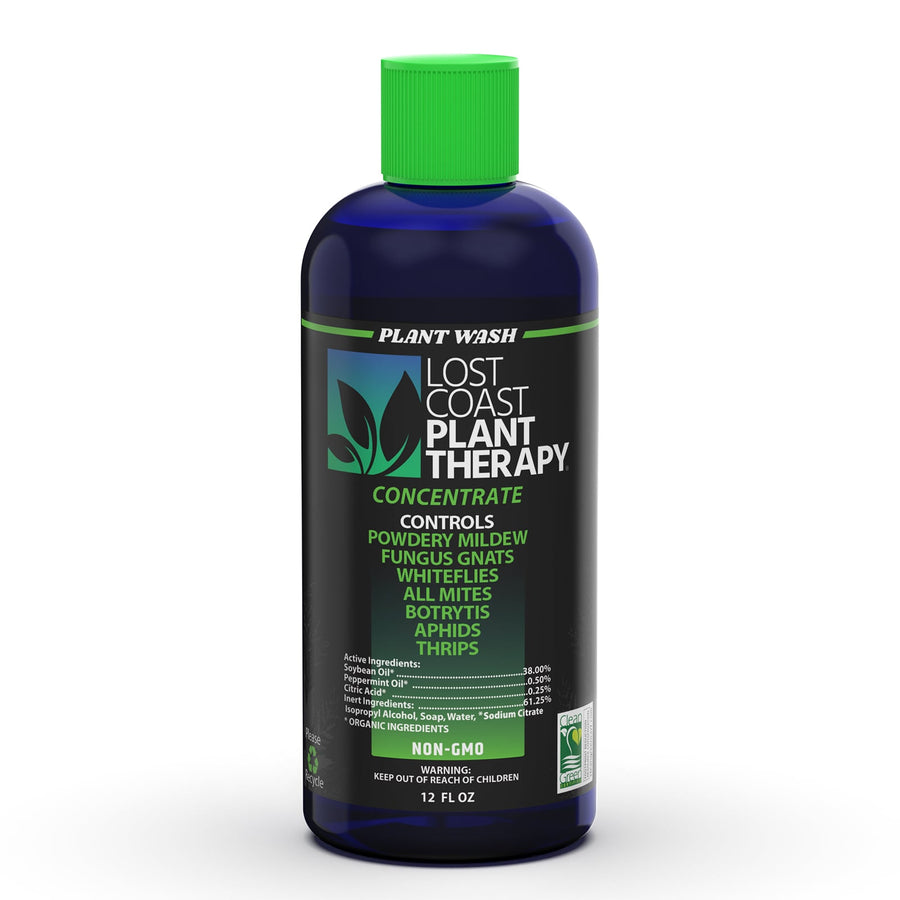
Type: Natural 3-in-1 Pest Control
12oz Bottle
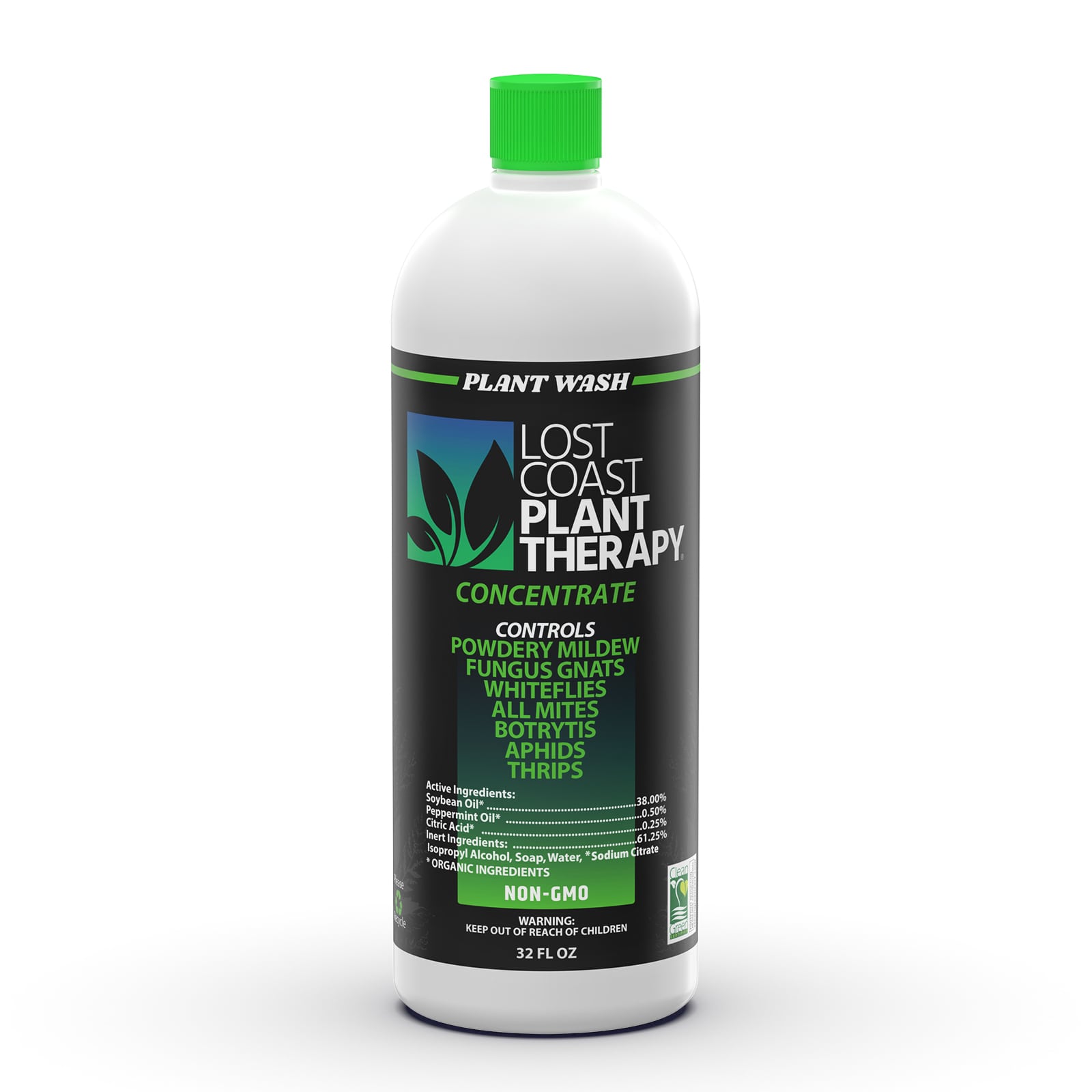
Type: Natural 3-in-1 Pest Control
32oz Bottle
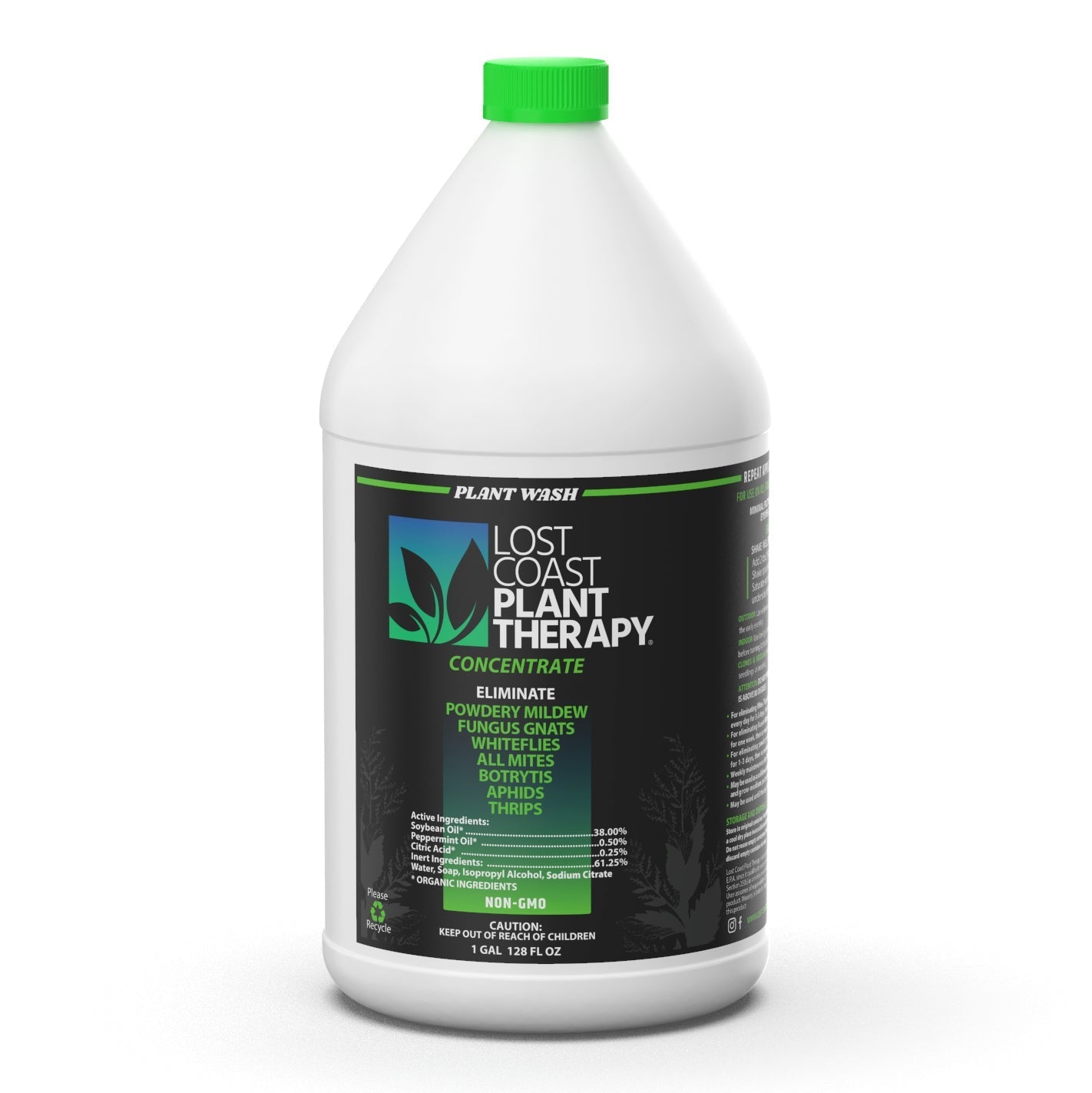
Type: Natural 3-in-1 Pest Control