


Common Signs of a Whitefly Infestation
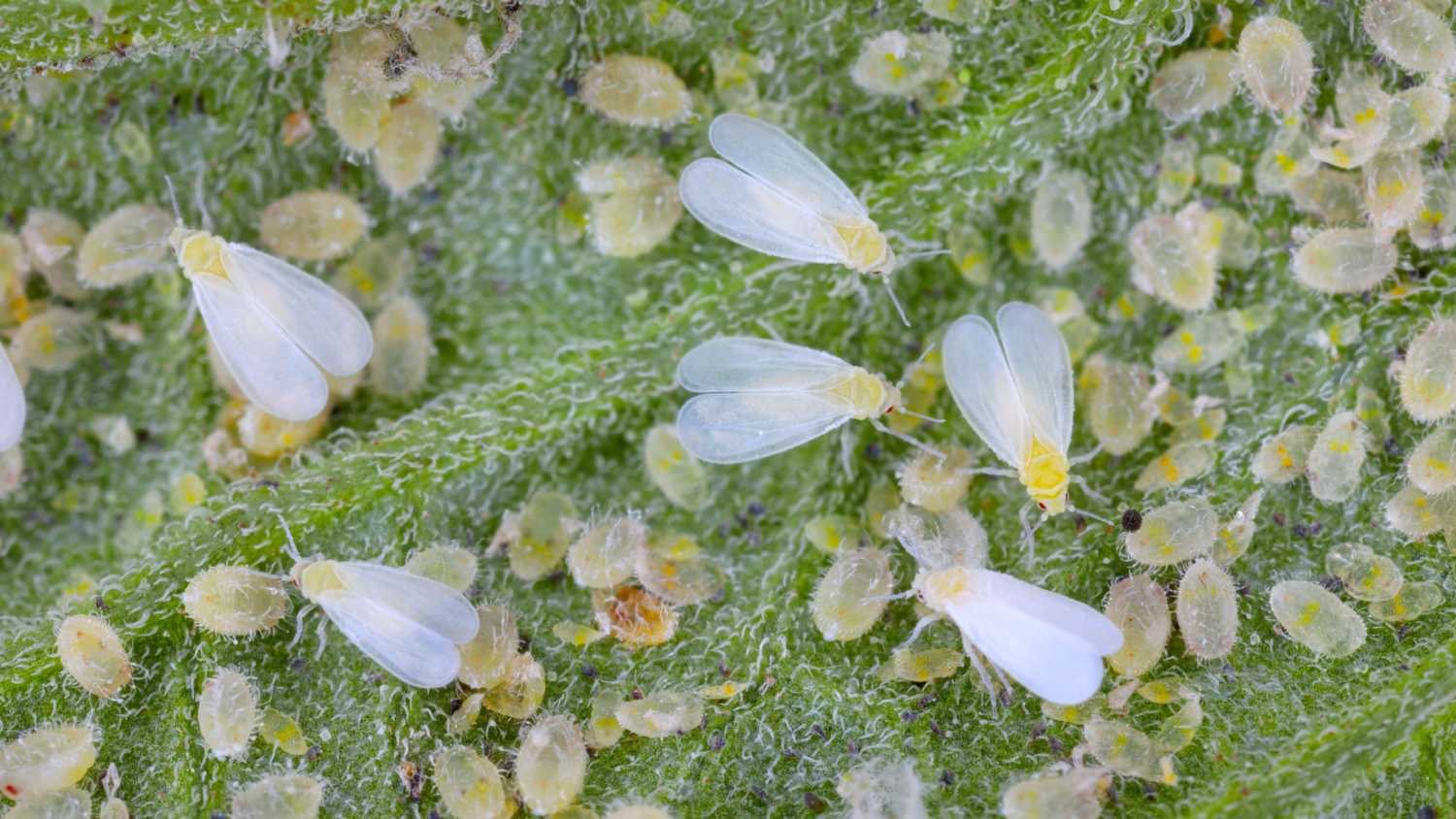
If you’re seeing tiny white bugs flying up when plants are disturbed, sticky leaves, black mold, or white insects under leaves, these are common early signs of a whitefly infestation.

Sticky Residue on Leaves
Sticky Residue on Leaves
Whiteflies feed on plant sap and excrete a sugary substance called honeydew. This sticky residue coats leaves, attracts ants, and creates ideal conditions for mold development. Shiny, tacky foliage is one of the earliest signs of whitefly pressure.

Black Sooty Mold on Leaves
Black Sooty Mold on Leaves
Black mold forming on leaves is often a secondary result of whitefly honeydew. As the sugary residue accumulates, fungal growth develops on the surface, blocking sunlight and reducing photosynthesis. Mold buildup frequently signals an ongoing whitefly infestation.

Tiny White Bugs That Fly
Tiny White Bugs That Fly
If small white insects fly up in a cloud when you disturb your plant, you are likely dealing with whiteflies. Adults rest on the undersides of leaves and quickly scatter when touched, making them highly noticeable during active infestations.

White Eggs Under Leaves
White Eggs Under Leaves
Whiteflies lay tiny eggs on leaf undersides. After hatching, immature nymphs attach to the surface and appear as flat, scale-like spots. These stationary stages continue feeding before emerging as flying adults, making underside inspection essential.
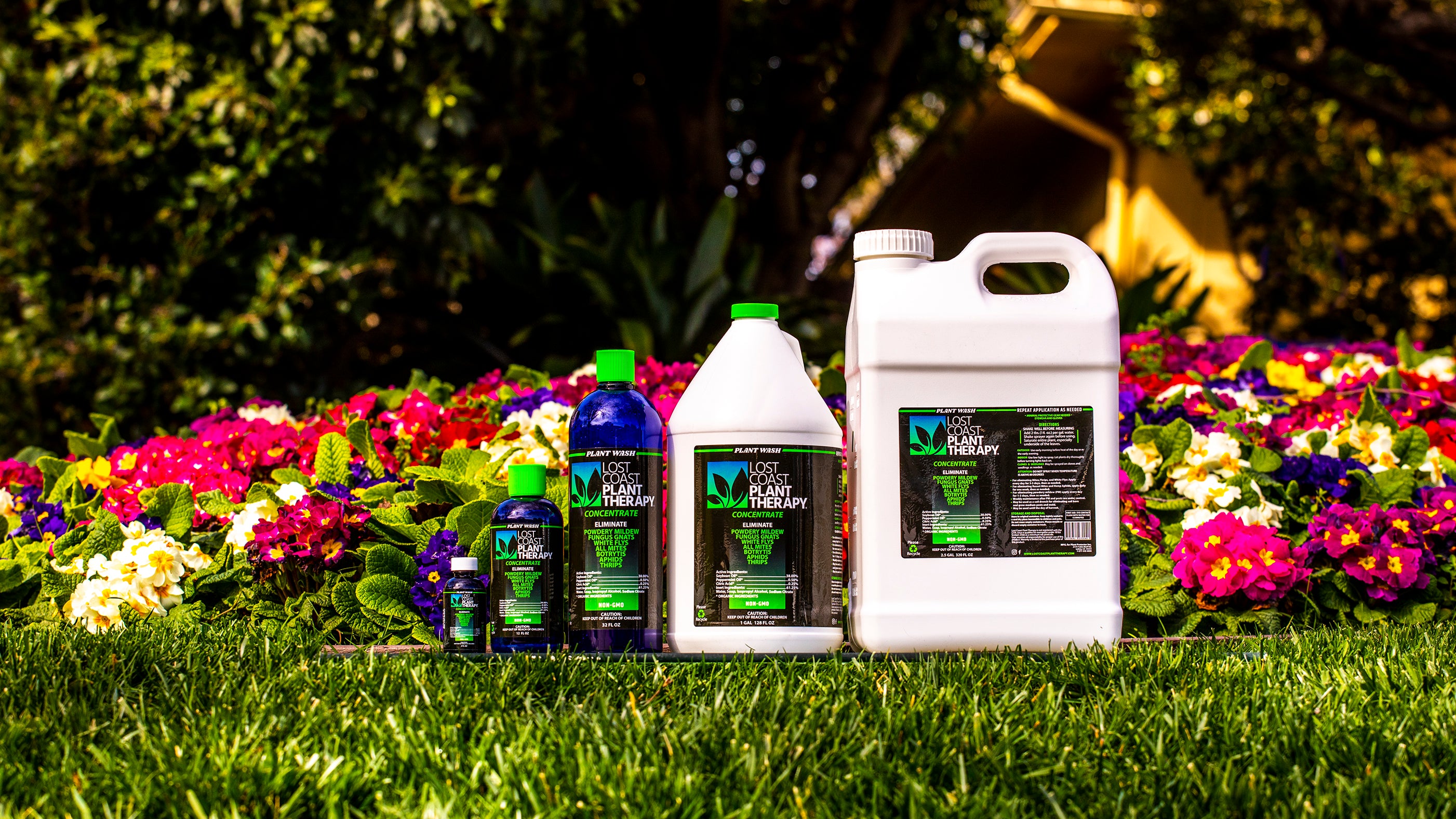
Lost Coast Plant Therapy controls whiteflies on contact by coating soft-bodied insects and causing dehydration and suffocation while disrupting thoracic, metabolic, and exoskeleton function across vegetables, ornamental plants, houseplants, and greenhouse crops.

Silverleaf Whitefly
Silverleaf whitefly is especially problematic in vegetable production, including tomatoes, peppers, squash, and melons. This species not only feeds on plant sap but can also transmit plant viruses, increasing crop loss risk.
Infested plants may show yellowing, reduced vigor, and leaf silvering. Because adults are highly mobile, infestations spread rapidly between neighboring plants in warm climates.

Greenhouse Whitefly
Greenhouse whitefly is one of the most widespread whitefly species affecting ornamental plants, vegetables, and indoor crops. Adults are small, white, moth-like insects that fly up in clouds when plants are disturbed.
Nymphs remain fixed on leaf undersides, feeding on sap and producing sticky honeydew that can lead to sooty mold. Populations build quickly in warm, protected environments.
The Whitefly Life Cycle
Whiteflies reproduce quickly in warm conditions, with overlapping life stages developing simultaneously on the same plant.
Eggs Under Leaves
Tiny eggs are laid on leaf undersides.
Immobile Nymph Stage
Flat nymphs attach and feed on sap.
Rapid Growth
Life cycle completes in as little as 3 weeks.
Flying Adult Spread
Adults disperse quickly when plants are disturbed.

Whiteflies in Greenhouses
Greenhouses provide ideal warm conditions for continuous whitefly breeding. Adults disperse easily between crops while nymphs remain attached beneath leaves, feeding unnoticed.
Because multiple life stages are present at once, infestations can persist if not treated thoroughly. In commercial and hobby greenhouses alike, routine monitoring and complete leaf saturation are essential to interrupt breeding cycles and prevent population explosions

Whiteflies on Houseplants
Whiteflies commonly infest indoor plants where stable temperatures allow year-round reproduction, making them a persistent problem in indoor gardening and houseplant care. They hide beneath leaves and may go unnoticed until foliage appears yellowed, sticky, or weak due to their sap-sucking feeding habits.
Disturbing the plant often sends tiny white insects fluttering upward, a classic sign of whitefly infestation that can quickly impact overall plant health if left untreated.

Whiteflies on Tomatoes
Whiteflies are a major pest of tomato plants, especially in warm weather and greenhouse production. Adults gather on leaf undersides while nymphs feed continuously, weakening plant vigor.
Heavy infestations cause yellowing leaves, reduced fruit set, and sticky honeydew that leads to black sooty mold. Early detection and thorough underside coverage are essential to protect yield.

Lost Coast Plant Therapy
Lost Coast Plant Therapy works on contact, so complete and thorough coverage is essential to control active whitefly infestations.
Just shake, mix & spray!
1. Shake concentrate well before measuring.
2. Mix 1–3 fl oz of concentrate per gallon of water.
3. Saturate the entire plant, especially the undersides of leaves.
The spray must directly coat both adult whiteflies and immature stages to control them effectively. Repeat applications and consistent coverage are key to breaking the life cycle.
For heavy infestations, you may boost the formula by adding 1 oz of isopropyl alcohol per gallon along with 1–3 oz of Lost Coast Plant Therapy.
FAQ’s about Whiteflies
How do you get rid of whiteflies fast?
How do you get rid of whiteflies fast?
To get rid of whiteflies quickly, you need to target both adults and nymphs. Adults fly when disturbed, but immature stages remain attached to leaf undersides, feeding continuously. Thoroughly coating the undersides of leaves is essential. Repeat applications with Lost Coast Plant Therapy are often necessary because eggs hatch in cycles. Fast control depends on complete coverage and consistent follow-up treatments.
Lear more about how to get rid of whiteflies on indoor plants here.
Do whiteflies go away on their own?
Do whiteflies go away on their own?
In most cases, no. Outdoors, natural predators may reduce populations, but whiteflies reproduce rapidly in warm conditions. Indoors and in greenhouses, they often multiply continuously without seasonal interruption. Without intervention, populations typically increase rather than disappear.
Why do whiteflies keep coming back?
Why do whiteflies keep coming back?
Whiteflies return because of overlapping life stages. Eggs, nymphs, and adults are often present at the same time. Even if adults are reduced, newly emerging whiteflies can appear days later. Warm weather, dense plant growth, and untreated leaf undersides allow populations to rebound quickly.
Are whiteflies harmful to plants?
Are whiteflies harmful to plants?
Yes. Whiteflies feed on plant sap, weakening leaves and reducing overall vigor. Heavy infestations can cause yellowing, stunted growth, reduced fruit production, and leaf drop. They also produce sticky honeydew that encourages sooty mold growth, further interfering with photosynthesis.
What kills whiteflies instantly?
What kills whiteflies instantly?
Lost Coast Plant Therapy can control whiteflies by directly coating adults and immature stages. However, because eggs are protected, full control usually requires repeat applications. Complete leaf coverage, especially on undersides, is critical for effective results.
Do whiteflies live in soil?
Do whiteflies live in soil?
Whitefly eggs and nymphs develop on leaf surfaces, not in soil. Unlike some pests, they do not pupate underground. However, fallen leaves or nearby infested plants can serve as reservoirs, allowing adults to reappear and reinfest crops.
How do whiteflies spread?
How do whiteflies spread?
Whiteflies spread primarily through flying adults. When plants are disturbed, adults lift off and move to neighboring plants. They are also commonly introduced through nursery plants, transplants, or new houseplants. In greenhouses, populations can move rapidly between crops in warm, stable conditions.
What plants attract whiteflies?
What plants attract whiteflies?
Whiteflies are especially attracted to tomatoes, peppers, squash, cucumbers, ornamentals, and many houseplants. New growth and warm environments encourage feeding and reproduction. Vegetable crops and greenhouse plants are particularly vulnerable.
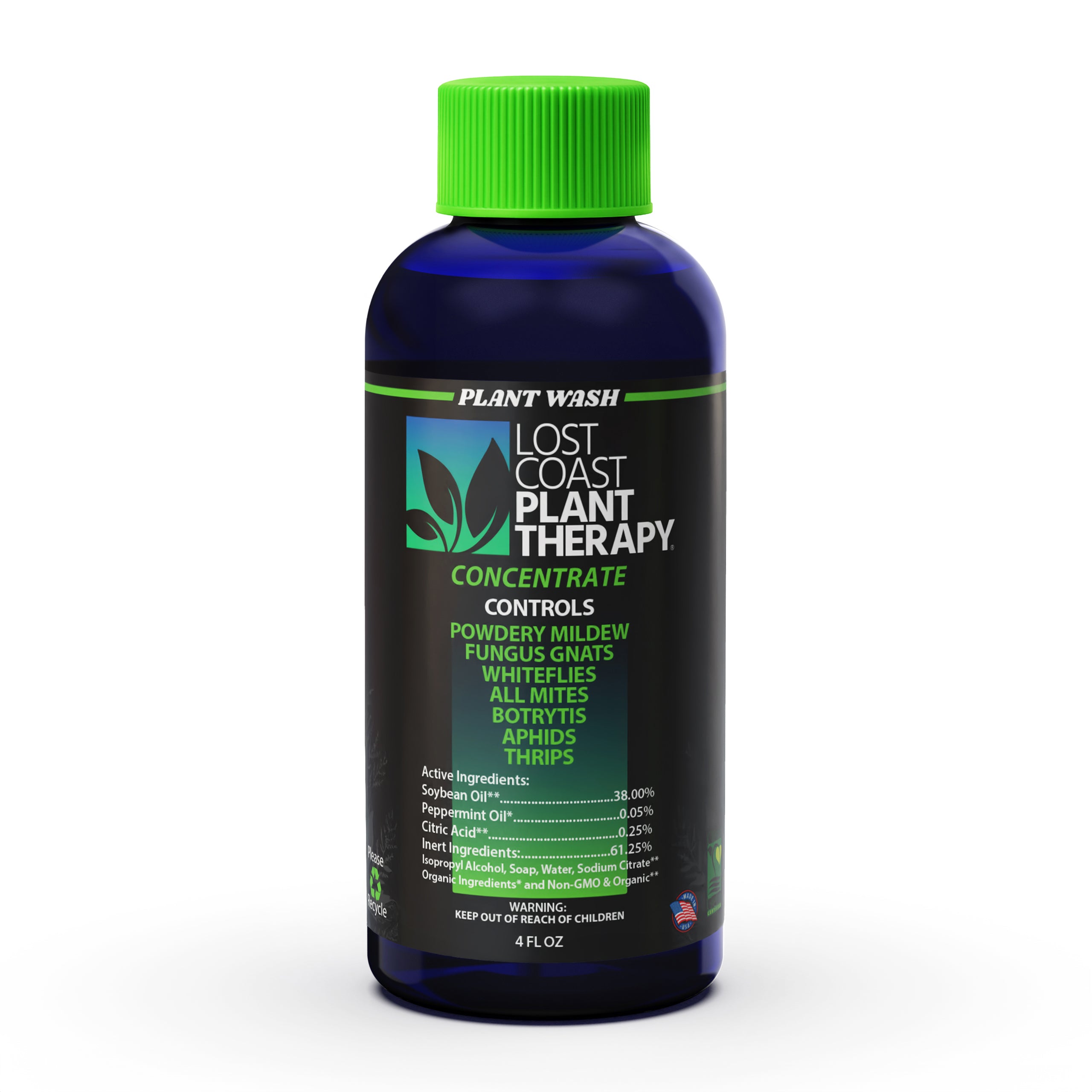
Type: Natural 3-in-1 Pest Control
4 oz Bottle
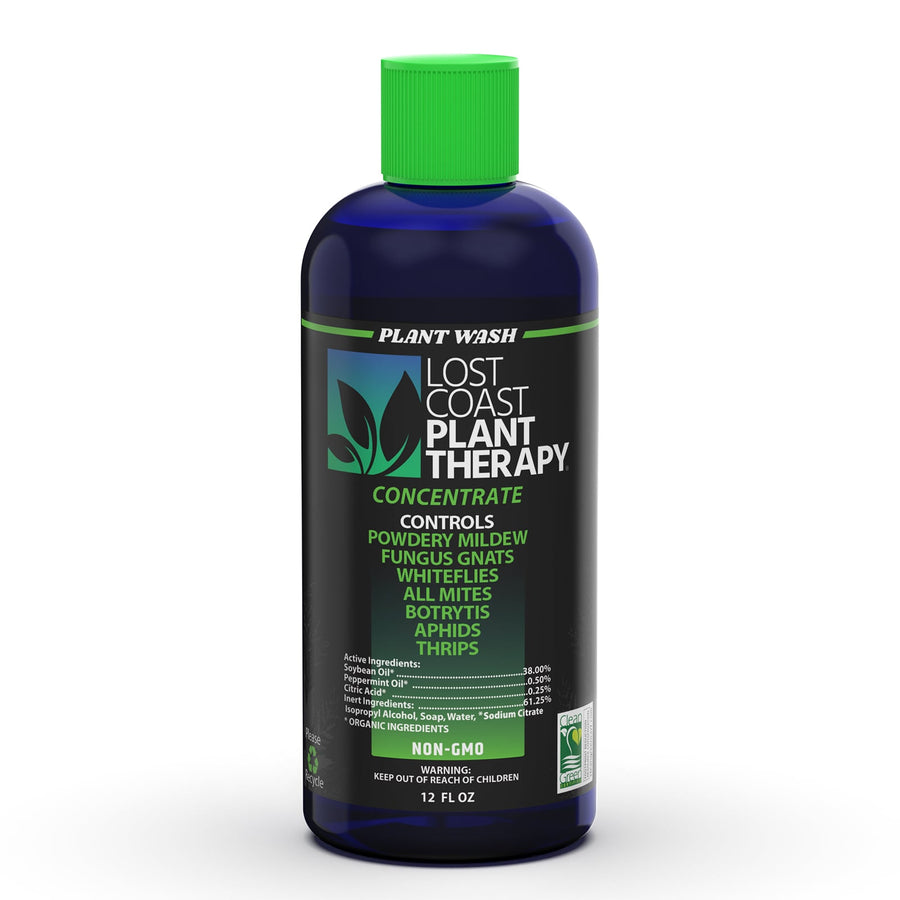
Type: Natural 3-in-1 Pest Control
12oz Bottle
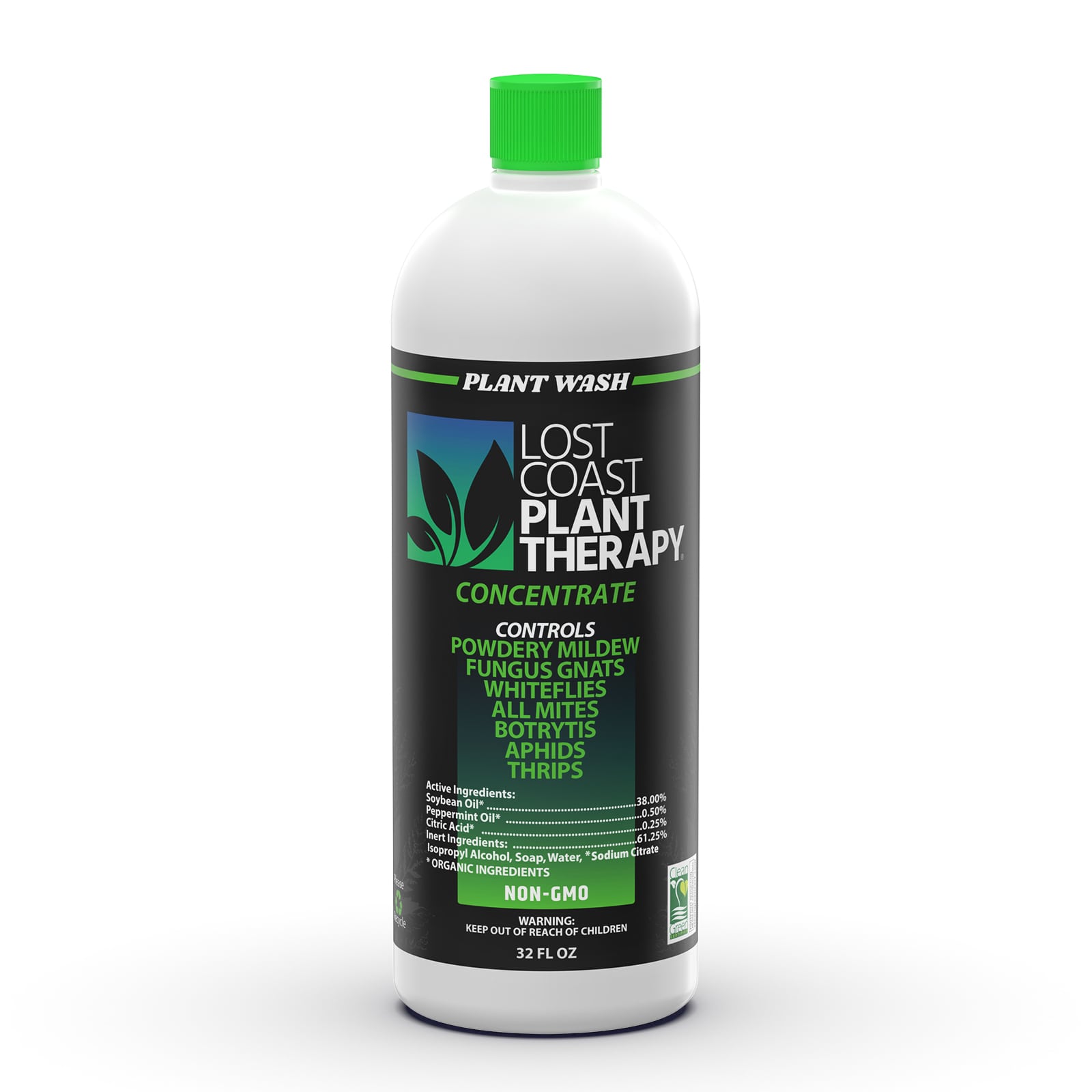
Type: Natural 3-in-1 Pest Control
32oz Bottle
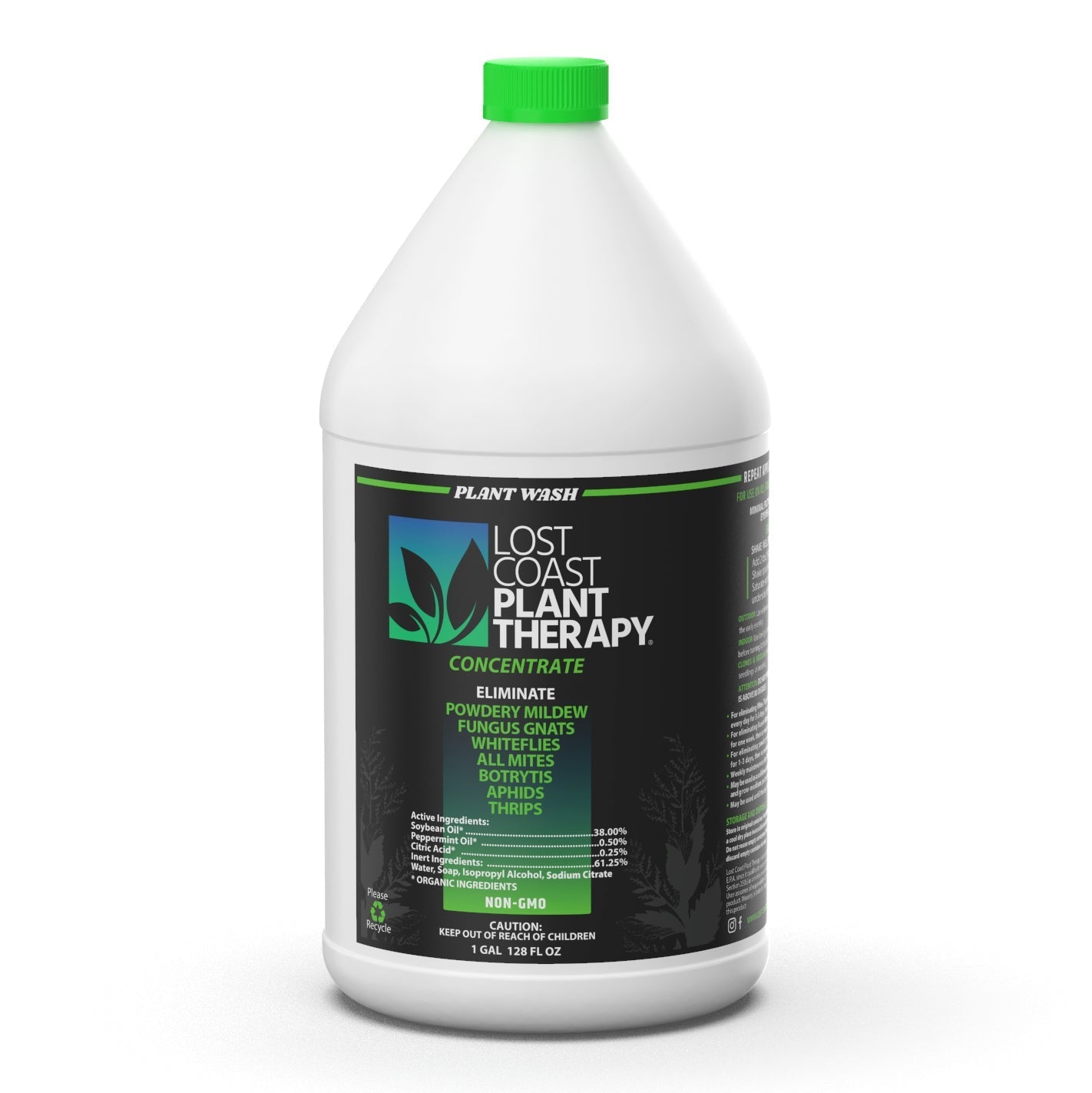
Type: Natural 3-in-1 Pest Control