

Not Sure What’s Wrong With Your Plants?
If you’re seeing white powder on leaves, tiny flying bugs near soil, yellow speckling, sticky residue, or distorted growth, you may be dealing with a pest or fungal issue.


Many pests and fungal diseases share similar symptoms, from yellowing leaves to sticky residue and distorted growth. Identifying the root cause is the first step toward effective control and long-term plant health.
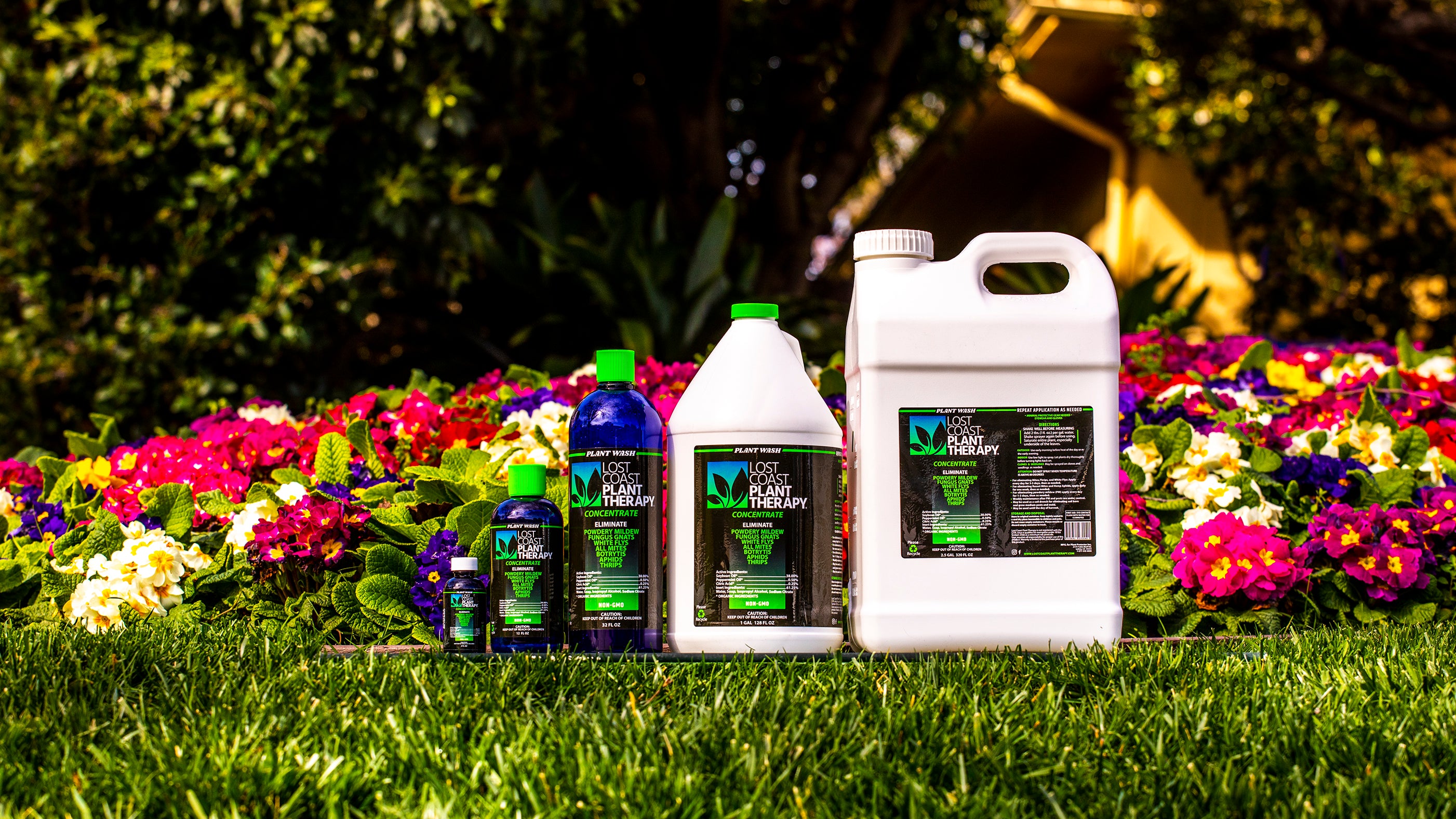
Lost Coast Plant Therapy can help control active infestations while also supporting prevention.
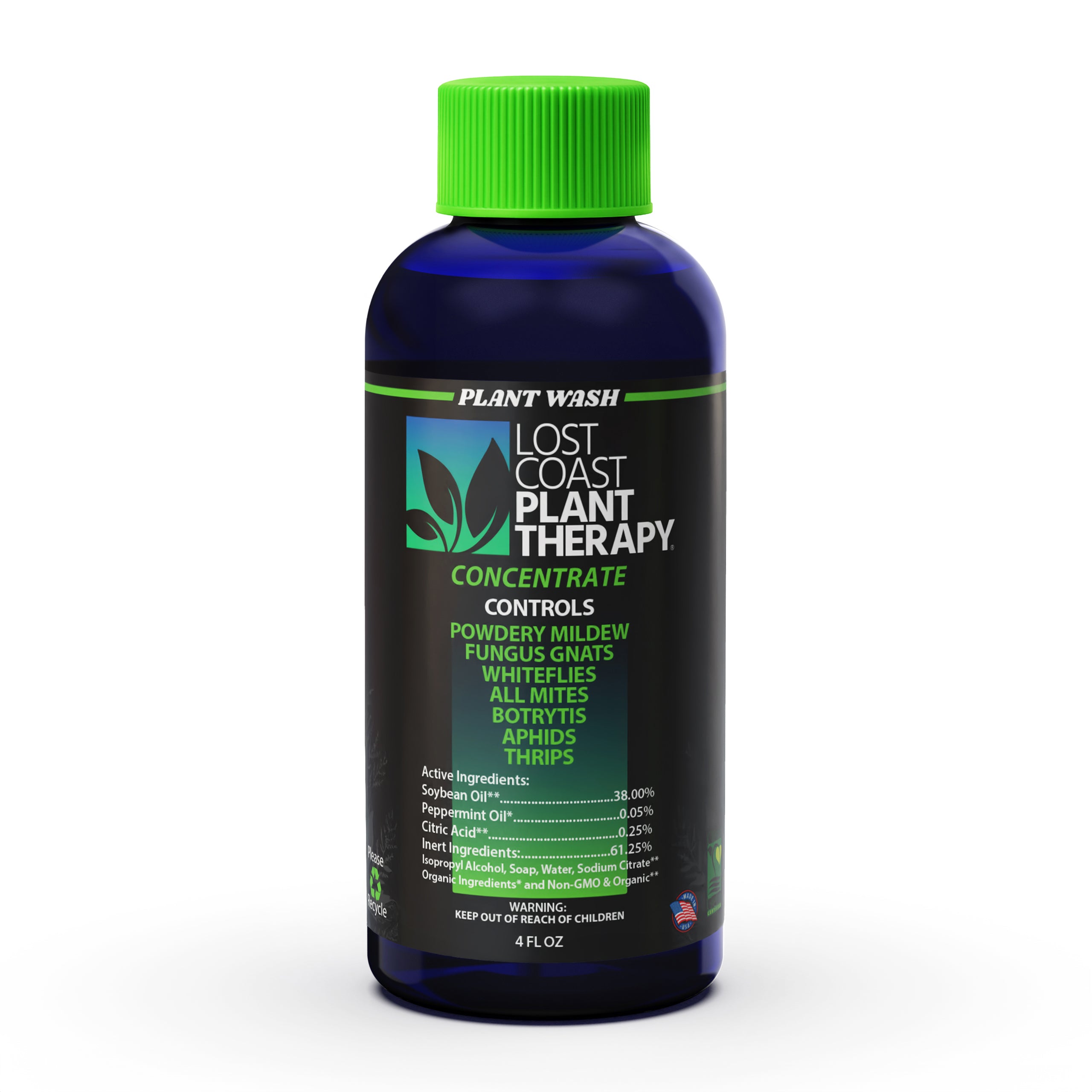
Type: Natural 3-in-1 Pesticide
4 oz Bottle
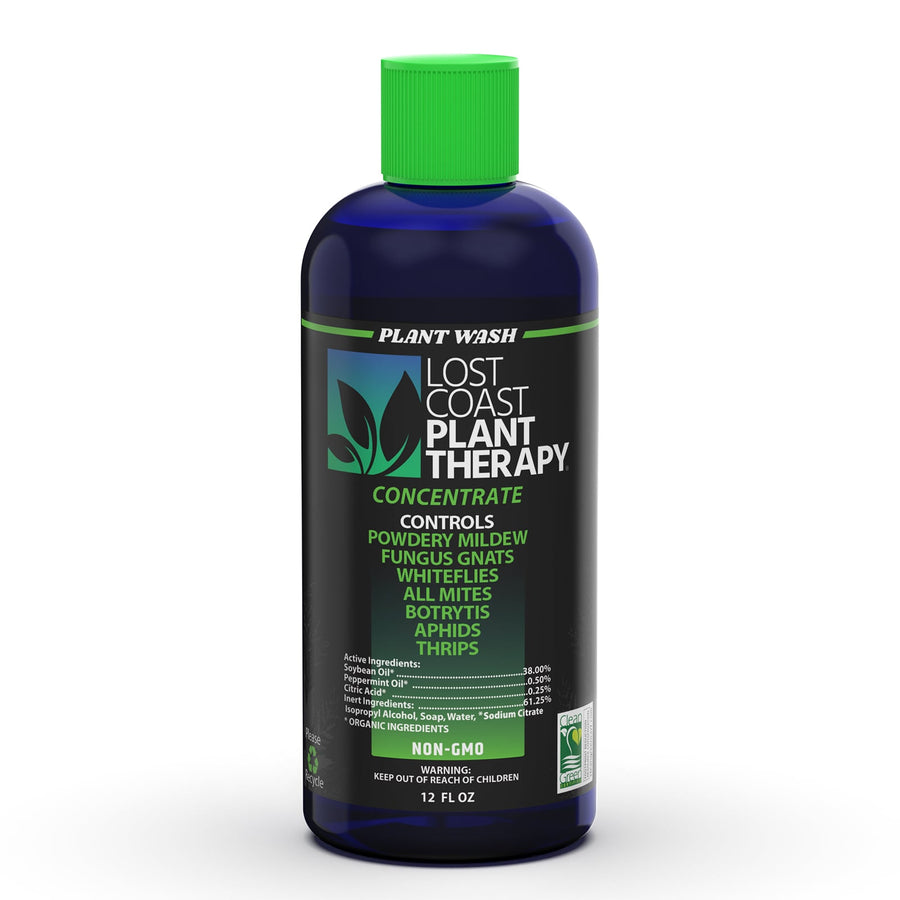
Type: Natural 3-in-1 Pesticide
12oz Bottle
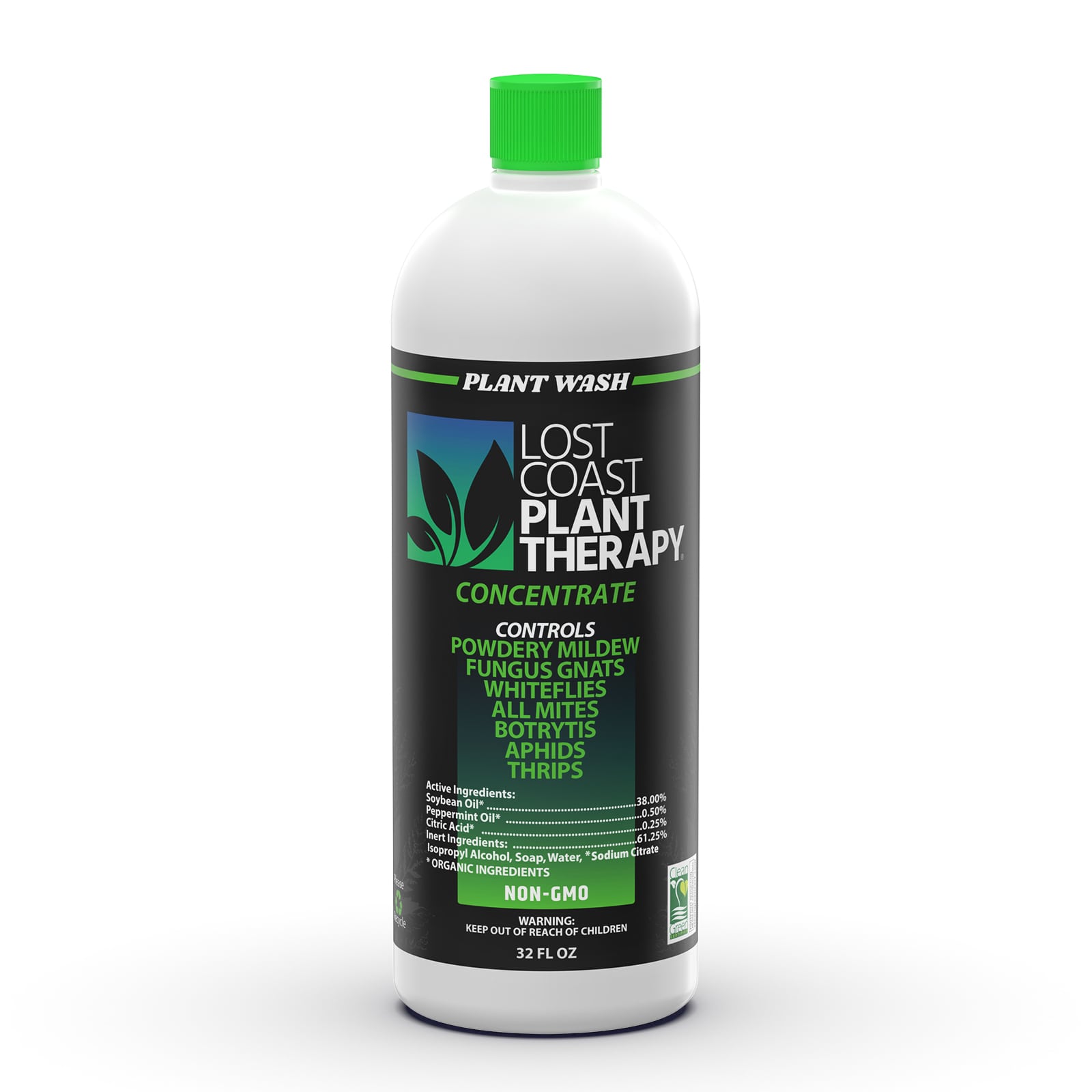
Type: Natural 3-in-1 Pesticide
32oz Bottle
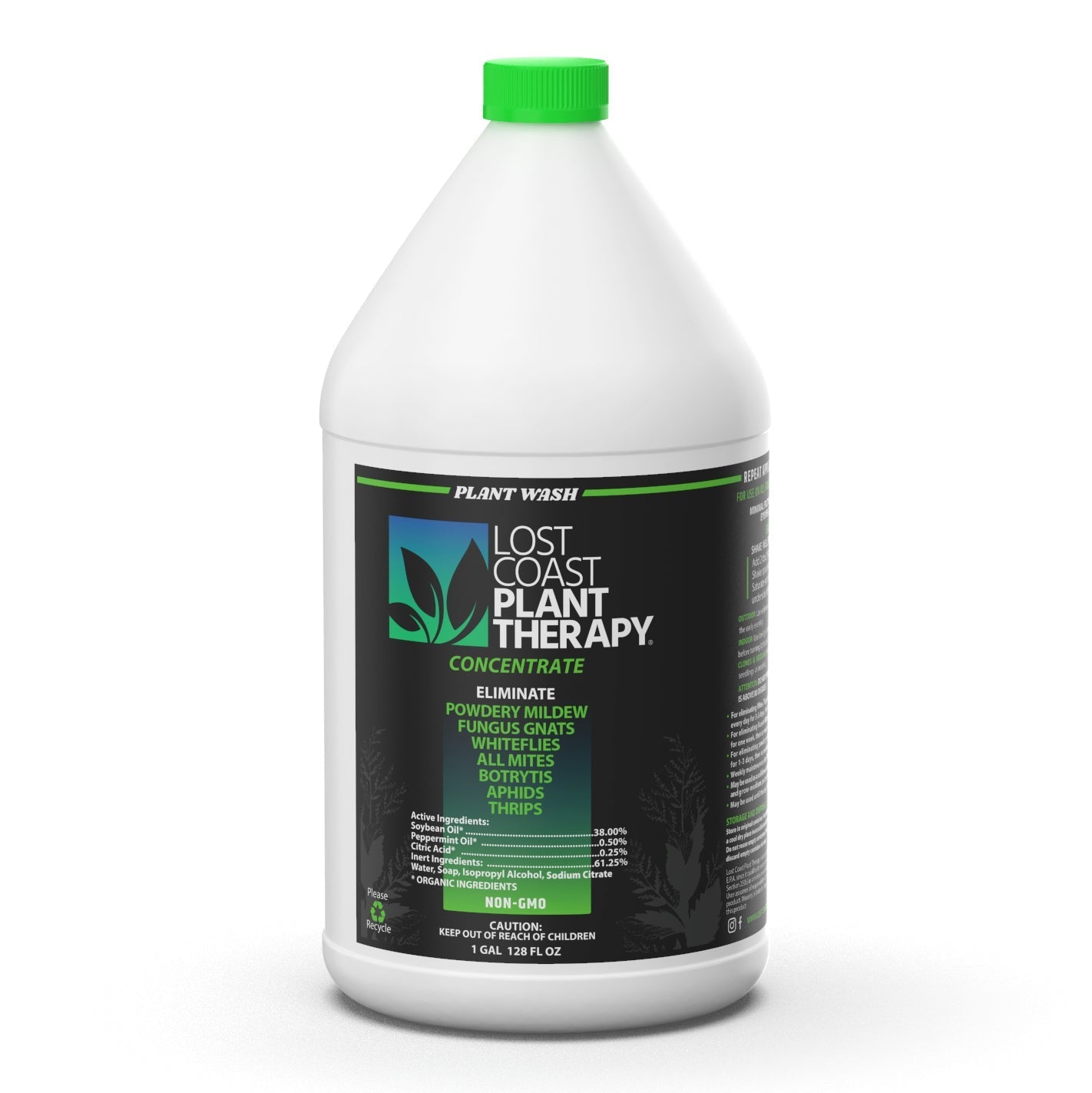
Type: Natural 3-in-1 Pesticide
1 Gallon Bottle
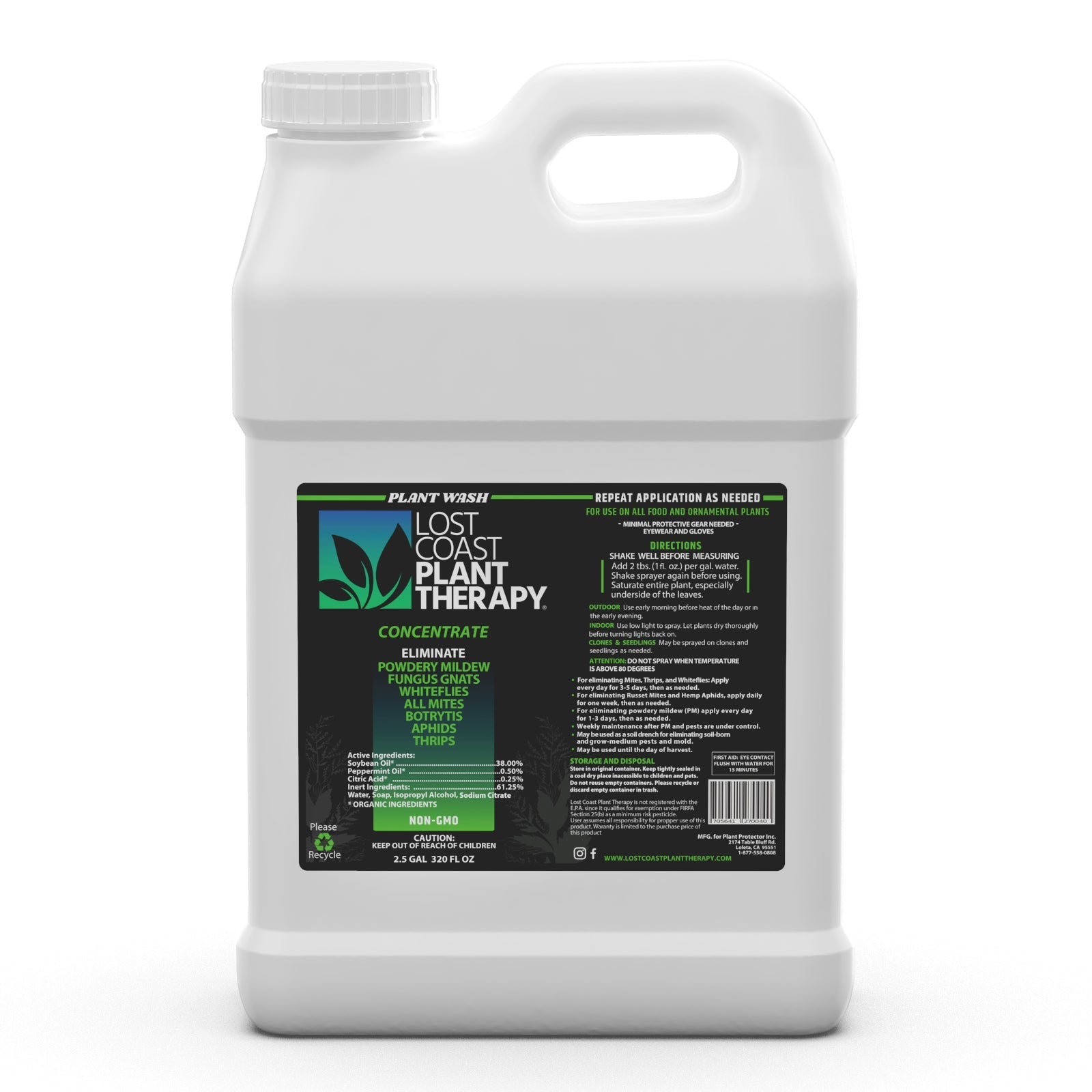
Type: Natural 3-in-1 Pesticide
2.5 Gallon Bottle
Spider Mites
Spider mites are barely visible to the naked eye, but their damage is easy to spot. Look for yellow spots, webbing, and unhealthy leaves. Use a magnifying glass to confirm their presence, they’re usually reddish or greenish specks crawling on leaves.

What Are Spider Mites?
What Are Spider Mites?
Spider mites are tiny arachnids that can cause big problems in your garden. You might notice yellow speckling on leaves, webbing across stems, or even leaves turning brittle and falling off. These pests feed on plant sap, leaving your plants stressed and vulnerable to further damage. Spider mites thrive in dry, warm conditions, so infestations often spike during hot weather or in indoor spaces with low humidity.
Symptoms of Spider Mite Damage
Symptoms of Spider Mite Damage
Yellow speckling: Tiny dots appearing on leaves.
Webbing: Fine, silky threads on leaves and stems.
Brittle leaves: Leaves turning dry and falling off prematurely.
Stunted growth: Plants struggling to develop properly.
Read more about early signs of spider mites here.
Why Are Spider Mites a Problem?
Why Are Spider Mites a Problem?
These pests drain sap from your plants, robbing them of nutrients and energy. If left untreated, they can spread quickly and devastate your garden. Spider mites also reproduce rapidly, making early detection and action critical.
Controlling Spider Mites
Controlling Spider Mites
Shake well and mix 1 oz. of Lost Coast Plant Therapy concentrate per gallon of water.
Spray liberally, covering all parts of the plant, including the undersides of leaves where spider mites love to hide.
Reapply every 3–5 days for severe infestations until the population is controlled.
Why It Works: Our Natural Plant Wash suffocates spider mites on contact, breaking their life cycle by targeting eggs, larvae, and adults.
Why It’s Important to Act Fast
Why It’s Important to Act Fast
Spider mites can quickly spiral out of control if ignored. Lost Coast Plant Therapy makes it easy to tackle infestations without harsh chemicals, keeping your garden’s ecosystem balanced and healthy. Regular monitoring and prevention are the keys to a pest-free garden.
Preventing Future Infestations
Preventing Future Infestations
Use Lost Coast Plant Therapy as a preventative spray every 7–10 days during the growing season.
Maintain proper humidity levels, spider mites thrive in dry environments.
Keep your plants healthy by ensuring proper watering, airflow, and spacing.
Thrips
Thrips are tiny, hard-to-spot insects that feed by scraping the surface of leaves and extracting nutrients. This often results in silvery streaks, discoloration, or even stunted growth. Despite their small size, their damage can escalate quickly.

What Are Thrips?
What Are Thrips?
Thrips are tiny, slender insects that come in a range of colors, from pale yellow to dark brown. They move quickly and can be hard to spot with the naked eye, but their damage is often unmistakable. Found on flowers, leaves, and stems, they thrive in warm, dry environments, making greenhouses and gardens prime targets.
Signs of Thrip Damage
Signs of Thrip Damage
Plants affected by thrips often display silvery streaks or patches on their leaves due to the scraping action of their feeding. You might also notice black dots of excrement left behind on the foliage. Flowers can appear deformed or discolored, and leaves may curl or dry out over time.
How Thrips Impact Different Plants
How Thrips Impact Different Plants
Thrips can target a wide variety of plants, from vegetables like tomatoes and peppers to ornamental flowers and even houseplants. Their feeding can weaken crops, reduce blooms, and stunt plant growth, impacting both productivity and aesthetics.
The Lifecycle of Thrips
The Lifecycle of Thrips
Thrips reproduce quickly, with eggs hatching within days and adult populations multiplying rapidly in warm, dry conditions. Their ability to spread from plant to plant compounds the damage, and their mobility makes infestations harder to control. Understanding their lifecycle is key to breaking the infestation and protecting your garden.
How to Control Thrips
How to Control Thrips
Using Lost Coast Plant Therapy is one of the best natural and organic garden pest control methods for thrips. Apply thoroughly, ensuring that all leaf surfaces, including undersides, are covered. The spray suffocates these soft-bodied pests on contact, disrupting their life cycle. Reapply weekly or as needed for ongoing control.
Preventing Future Infestations
Preventing Future Infestations
Regularly inspect your plants, especially during warm, dry weather, when thrips are most active. Apply Lost Coast Plant Therapy as a preventative measure and keep your garden clean by removing plant debris, which often serves as a hiding and breeding ground for these pests.
Aphids
Aphids are common garden pests, but their small size often means they often go unnoticed until their damage becomes apparent. These sap-sucking insects cluster on tender new growth, leaving plants weakened, curled, or yellowing.

What Are Aphids?
What Are Aphids?
Aphids are small, pear-shaped insects that come in colors like green, yellow, and black. They feed on plant sap by piercing stems and leaves, which can stunt growth and cause visible damage.
Symptoms of Aphid Damage
Symptoms of Aphid Damage
Look for yellowing or curling leaves, sticky residue (honeydew), and black sooty mold. Aphids often cluster on the underside of leaves or around new shoots.
Aphid Life Cycle
Aphid Life Cycle
Aphids multiply quickly, producing offspring at an alarming rate without needing to mate. Consistent efforts to disrupt this cycle are essential for keeping infestations under control.
How Aphids Affect Your Plants
How Aphids Affect Your Plants
Aphids weaken plants by draining their nutrients, leaving them vulnerable to diseases and other pests. Their sticky honeydew also attracts ants, which protect aphids from predators.
How to Control Aphids
How to Control Aphids
Apply Lost Coast Plant Therapy generously to thoroughly coat and suffocate aphids on contact. Pay special attention to the undersides of leaves and tender new growth, as these are common hiding spots for aphids.
Preventing Future Aphid Infestations
Preventing Future Aphid Infestations
Regular inspections and routine applications of Lost Coast Plant Therapy as a preventative can keep aphids at bay.
Root Aphids
Root aphids are tiny pests that attack the roots of your plants, often going unnoticed until they’ve caused significant damage. These insects feed on the plant’s nutrient supply, causing stunted growth and an overall decline in plant health.

What Are Root Aphids?
What Are Root Aphids?
Root aphids are small, sap-sucking pests that attack a plant's root system, making them difficult to detect until significant damage is done. Unlike aphids on leaves or stems, root aphids feed beneath the soil, cutting off the plant’s ability to absorb water and nutrients. They often leave behind a waxy residue and can rapidly reproduce, creating colonies that can spread to nearby plants.
Symptoms of Root Aphid Damage
Symptoms of Root Aphid Damage
The first signs of root aphid damage include stunted growth, yellowing leaves, and plants that appear stressed despite proper watering and care. You may also notice honeydew secretions near the soil surface, which attract ants and promote mold growth. Confirm their presence by gently inspecting the root zone for small, soft-bodied insects covered in a waxy coating.
Root Aphid Life Cycle
Root Aphid Life Cycle
Root aphids start as eggs hidden in the soil or growing medium. Once they hatch, the nymphs immediately begin feeding on roots, causing the most significant damage during this stage. Adults can reproduce quickly, with winged adults emerging to spread the infestation to other plants.
How Root Aphids Affect Your Plants
How Root Aphids Affect Your Plants
Root aphids damage plants by feeding on their nutrient pathways, weakening the root system and cutting off the supply of water and nutrients In severe cases, plants may collapse entirely.
How to Control Root Aphids
How to Control Root Aphids
Root aphids can be effectively managed with Lost Coast Plant Therapy. Use it as a soil drench to saturate the root zone, targeting pests directly without harming the soil or plant health. For severe infestations, repeat the treatment every few days until no signs of root aphids remain. Pair this with good gardening practices, like inspecting new plants, sterilizing tools, and enriching the soil with compost.
Preventing Root Aphid Infestations
Preventing Root Aphid Infestations
Prevention starts with healthy soil and good gardening habits. Inspect new plants carefully, paying attention to the root ball, and quarantine any that show signs of pests. Sterilize pots, tools, and growing mediums before reuse to avoid carrying over eggs or pests. Regularly applying Lost Coast Plant Therapy as part of your maintenance routine can act as a preventative measure, keeping your garden protected and pest-free.
Powdery Mildew
Powdery mildew is caused by fungal spores that settle on plant surfaces. Thriving in high humidity and low air circulation, it can significantly weaken your plants by interfering with photosynthesis.

What Is Powdery Mildew?
What Is Powdery Mildew?
Powdery mildew is a common fungal disease that appears as a white or gray powder-like substance on plant leaves, stems, and sometimes fruit. While it thrives in warm, humid conditions, it can spread quickly and weaken plants if left untreated.
Signs of Powdery Mildew Damage
Signs of Powdery Mildew Damage
Look for white or gray powdery spots on leaves, stems, and sometimes flowers or fruit. Affected leaves may turn yellow, curl, or drop prematurely, weakening the plant overall.
How Powdery Mildew Spreads
How Powdery Mildew Spreads
This fungus spreads through airborne spores, especially in warm, damp conditions. Overcrowded plants or those with poor air circulation are more vulnerable to infections.
How to Treat Powdery Mildew
How to Treat Powdery Mildew
Apply Lost Coast Plant Therapy directly to affected plants. The solution adjusts the pH on the plant’s surface, making it inhospitable for fungal growth, and washes away existing mildew on contact. Ensure thorough coverage, especially on the undersides of leaves.
Read more on how to treat powdery mildew here.
Preventing Powdery Mildew
Preventing Powdery Mildew
Regularly space and prune plants to improve air circulation. Avoid overhead watering, which increases humidity levels around foliage. Apply Lost Coast Plant Therapy preventatively every 7–10 days during peak growing conditions.
Stop Powdery Mildew
Stop Powdery Mildew
Act at the first sign of powdery residue on leaves. Early intervention prevents the fungus from spreading to nearby plants and becoming a larger problem in your garden. Left unchecked, powdery mildew weakens plants, reduces yields, and impacts their overall health.
Whiteflies
Whiteflies sap nutrients from plants, leaving them weakened and vulnerable to other issues. Acting quickly with effective treatments like Lost Coast Plant Therapy can stop their spread and protect your garden’s health.

What Are Whiteflies?
What Are Whiteflies?
Whiteflies are tiny, moth-like insects that congregate on the undersides of leaves. They’re most active during warm weather and are particularly attracted to vegetable plants, ornamentals, and greenhouse crops. While small, they can cause significant damage by sucking sap from plants.
Signs of Whitefly Damage
Signs of Whitefly Damage
Whiteflies leave behind several telltale signs: yellowing leaves, stunted growth, and sticky honeydew residue on the plant surface. This honeydew can lead to the growth of sooty mold, further harming the plant and reducing its ability to photosynthesize.
Why Whiteflies Are a Problem
Why Whiteflies Are a Problem
Whiteflies aren’t just destructive to plant health, they can also transmit plant viruses, compounding the damage to crops. Additionally, their rapid reproduction means that infestations can grow out of control quickly if not addressed.
How to Control Whiteflies
How to Control Whiteflies
Lost Coast Plant Therapy is a simple and effective solution for whitefly control. Apply the product liberally, ensuring the undersides of leaves are thoroughly coated, as this is where whiteflies hide and lay their eggs. Consistent applications every 7–10 days can help break their life cycle and keep your plants healthy.
Preventing Future Infestations
Preventing Future Infestations
Regularly inspect your plants, especially during peak growing seasons, and remove any heavily infested leaves to prevent whitefly populations from spreading. Keep your garden clean and free of plant debris where whiteflies may hide, and apply Lost Coast Plant Therapy as a preventative measure to deter new infestations.
Understanding Their Life Cycle
Understanding Their Life Cycle
Whiteflies lay their eggs on the underside of leaves, where they develop into nymphs before maturing into adults. Breaking this cycle is essential to controlling infestations. Using Lost Coast Plant Therapy consistently disrupts this cycle and prevents their numbers from growing.
Fungus Gnats
Fungus gnats are tiny flying pests that thrive in damp soil, using it as a place to lay their eggs. When the eggs hatch, the larvae feed on organic matter in the soil and can damage plant roots in the process.

What Are Fungus Gnats?
What Are Fungus Gnats?
Fungus gnats are small, dark-winged insects commonly found buzzing around houseplants and damp soil. They’re most active in warm, humid conditions and use moist environments to lay their eggs, which hatch into root-feeding larvae.
Signs of Fungus Gnat Infestations
Signs of Fungus Gnat Infestations
Look for adult gnats hovering around soil or plants, and inspect the soil for tiny white larvae. Wilting plants, slow growth, and yellowing leaves can also indicate root damage caused by their feeding.
Why Fungus Gnats Are a Problem
Why Fungus Gnats Are a Problem
While adult gnats are mostly a nuisance, their larvae can damage plant roots, leading to stunted growth and weakened plants. Left unchecked, infestations can create stress for your plants, making them more susceptible to diseases.
How to Control Fungus Gnats
How to Control Fungus Gnats
Apply Lost Coast Plant Therapy directly to the soil to target larvae and disrupt their life cycle. Be sure to let the top layer of soil dry out between waterings, as dry conditions discourage gnats from laying eggs.
Preventing Fungus Gnats
Preventing Fungus Gnats
Reduce overwatering and use well-draining soil to prevent damp conditions where fungus gnats thrive. Consider using sticky traps to monitor adult populations and take early action before larvae cause damage.
Tips for Indoor Plants
Tips for Indoor Plants
Keep houseplants in areas with good air circulation and avoid letting water collect in saucers or trays. Regularly inspect the soil for larvae and apply Lost Coast Plant Therapy as part of a preventative care routine.
Russet Mites
Russet mites are extremely difficult to detect and cause damage by feeding on plant sap. Early detection is crucial, as their rapid reproduction can turn a small issue into a full-blown infestation within days, act quickly at the first signs to safeguard your plants.

What Are Russet Mites?
What Are Russet Mites?
Russet mites are tiny pests, often so small they require a magnifying glass or microscope to spot. They target a range of plants, including tomatoes and peppers, feeding on sap and causing significant damage.
Signs of Russet Mite Damage
Signs of Russet Mite Damage
Look for curling, bronzing, or yellowing of leaves, as well as a rough texture on plant stems. These symptoms are often mistaken for nutrient deficiencies, making early detection even more challenging.
Why Russet Mites Are a Problem
Why Russet Mites Are a Problem
Russet mites don’t just damage plants, they weaken their overall health and productivity. If left untreated, an infestation can spread rapidly, reducing yields and potentially even killing your plants.
How Russet Mites Spread
How Russet Mites Spread
These pests can travel between plants via tools, hands, or even the wind. Isolate infected plants immediately and sanitize tools to prevent the spread.
How to Control Russet Mites
How to Control Russet Mites
Apply Lost Coast Plant Therapy liberally to all affected areas, including the undersides of leaves and stems. Be thorough, as mites are incredibly small and hide in tight spaces. Repeat applications may be necessary to break their life cycle.
Preventing Future Infestations
Preventing Future Infestations
Regularly inspect plants, especially during warm weather, and maintain good garden hygiene by removing plant debris. Using Lost Coast Plant Therapy as a preventative spray every 7–10 days can help keep mites away from your garden.
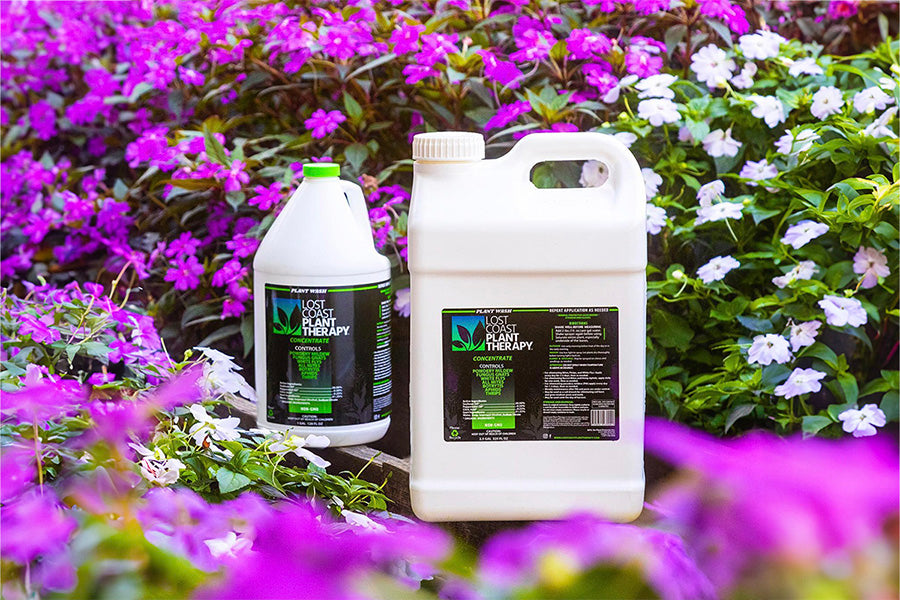
Organic & Natural Garden Pest Control
Protect your plants naturally with Lost Coast Plant Therapy. Whether you’re tackling pest problems or proactively protecting your plants, our natural solution offers prevention, control, and care to keep your garden thriving, all while being safe for your loved ones, pets, and the environment when used as directed.