
Cornell Trial Results
Lost Coast Plant Therapy achieved up to 96% efficacy against powdery mildew and up to 95% efficacy against total western flower thrips and all soft bodied insects in controlled greenhouse trials conducted by Cornell University’s College of Agriculture and Life Sciences.

Proven Performance for Commercial Growers
Independent greenhouse trials conducted by Cornell University’s College of Agriculture and Life Sciences evaluated the curative efficacy of Lost Coast Plant Therapy against established powdery mildew and western flower thrips.
Across all evaluated crops, trial data showed up to 96% efficacy against powdery mildew and up to 95% efficacy against western flower thrips and all soft bodied insects, demonstrating curative control when applied with thorough coverage.
These results confirm that Lost Coast Plant Therapy delivers professional-grade performance while remaining aligned with organic and biodynamic production standards, offering growers an effective alternative to harsher inputs.

About the Cornell CALS Greenhouse Trial
The trial was conducted in a Cornell CALS greenhouse using established research protocols and standardized data collection methods to ensure consistency and accuracy throughout the study. All treatments were compared directly against a water-only control, allowing researchers to clearly measure treatment performance.
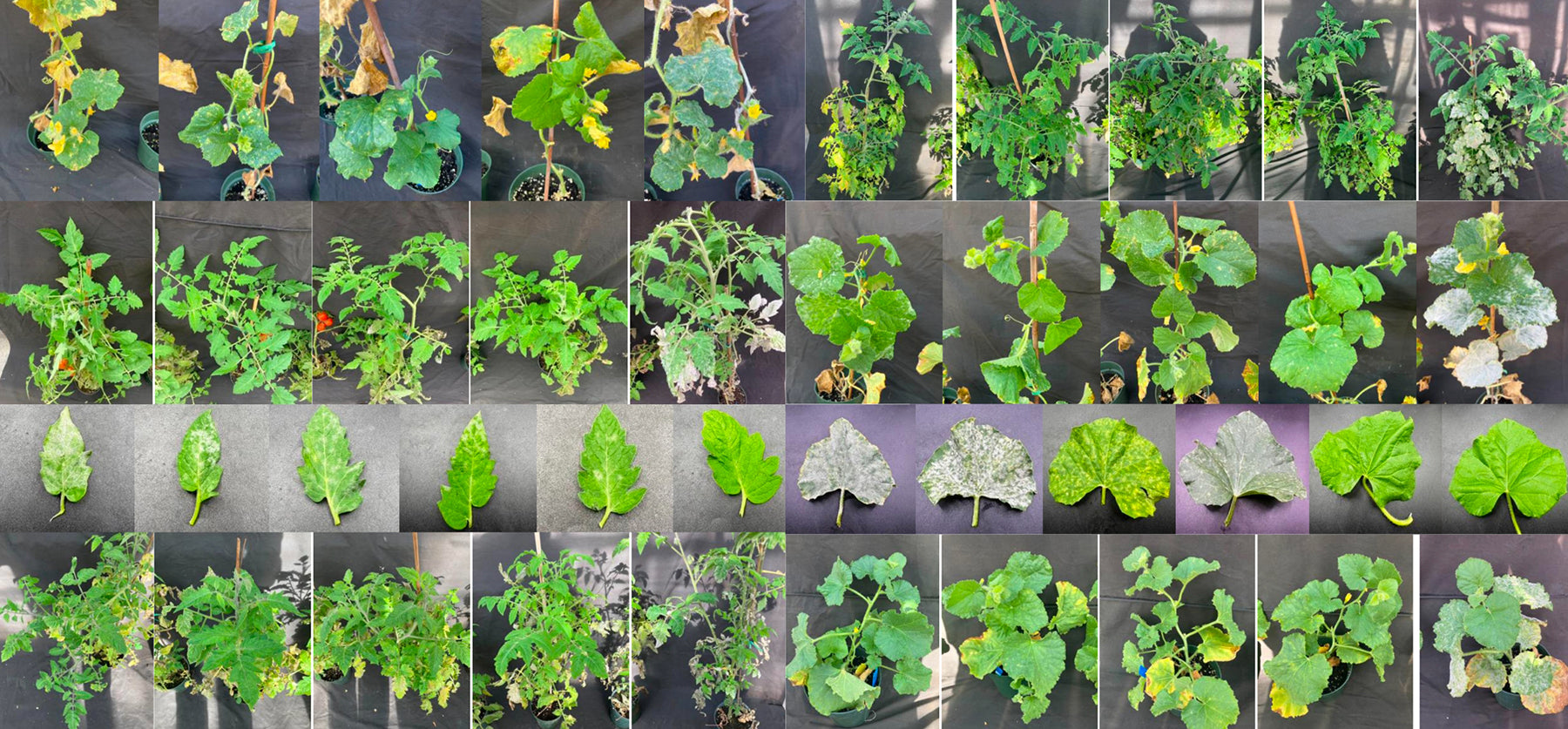
Treated plants showed clear visual improvement compared to untreated controls, with notable reductions in visible powdery mildew and insect pressure. Coverage mattered most, as plants that received complete spray coverage produced the strongest and most consistent results.

Trial Design
Powdery mildew was established before treatment, while lettuce plants were exposed to western flower thrips for seven days before the thrips trial began. Each trial used five applications on a Monday–Wednesday–Friday–Monday–Wednesday schedule.
Powdery mildew was evaluated over 14 days using leaf-disease scores and repeated observations. The thrips trial was conducted over 11 days using feeding-damage ratings, on-plant counts, and a final shake test to count adult and immature thrips.
Cornell calculated treatment efficacy relative to the water control using Abbott’s formula. Powdery mildew progression was also evaluated using the Area Under Disease Progression Curve, while ANOVA and Tukey’s HSD were used to compare treatment results.
How Lost Coast Plant Therapy Was Applied in the Trial
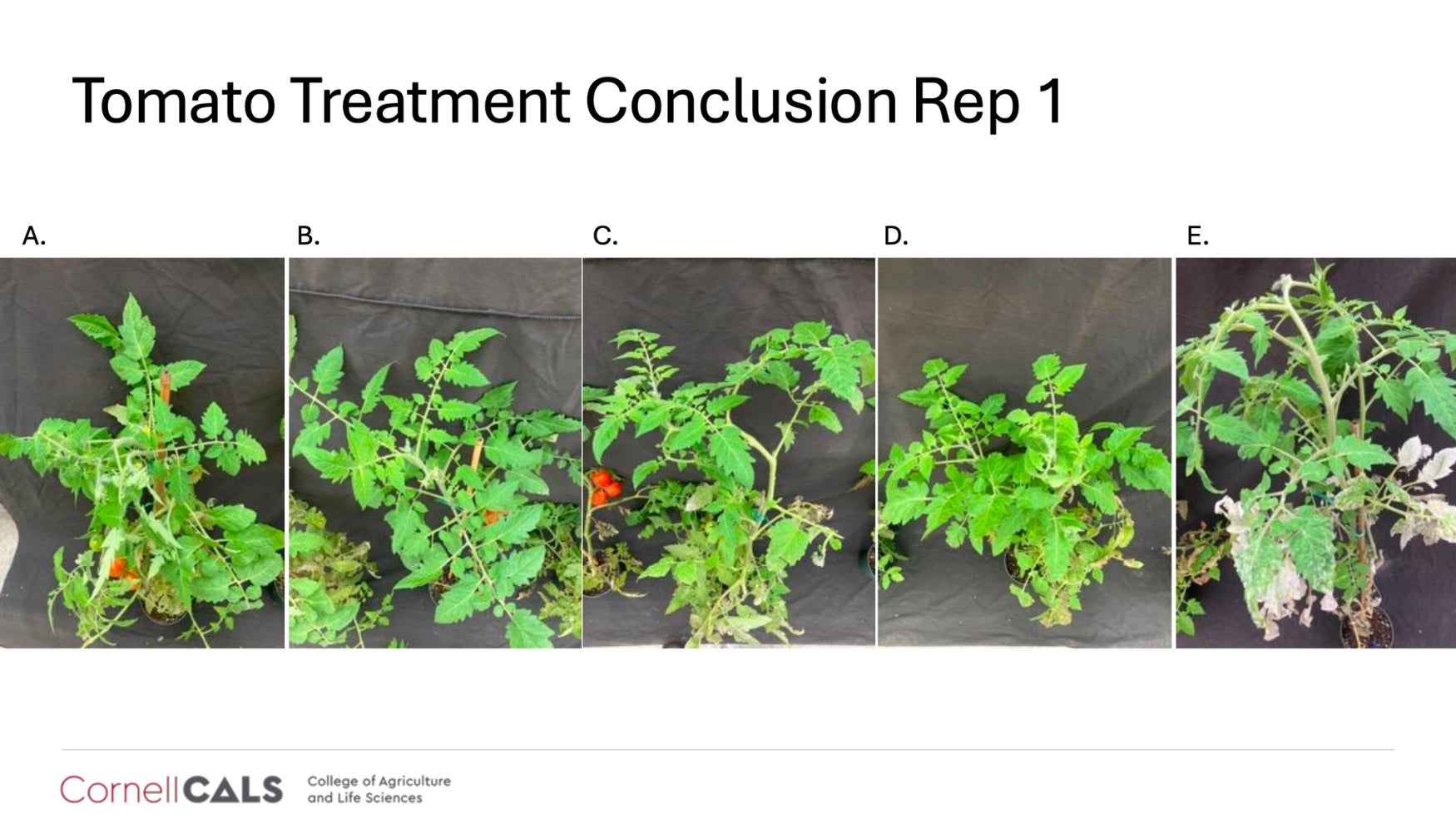
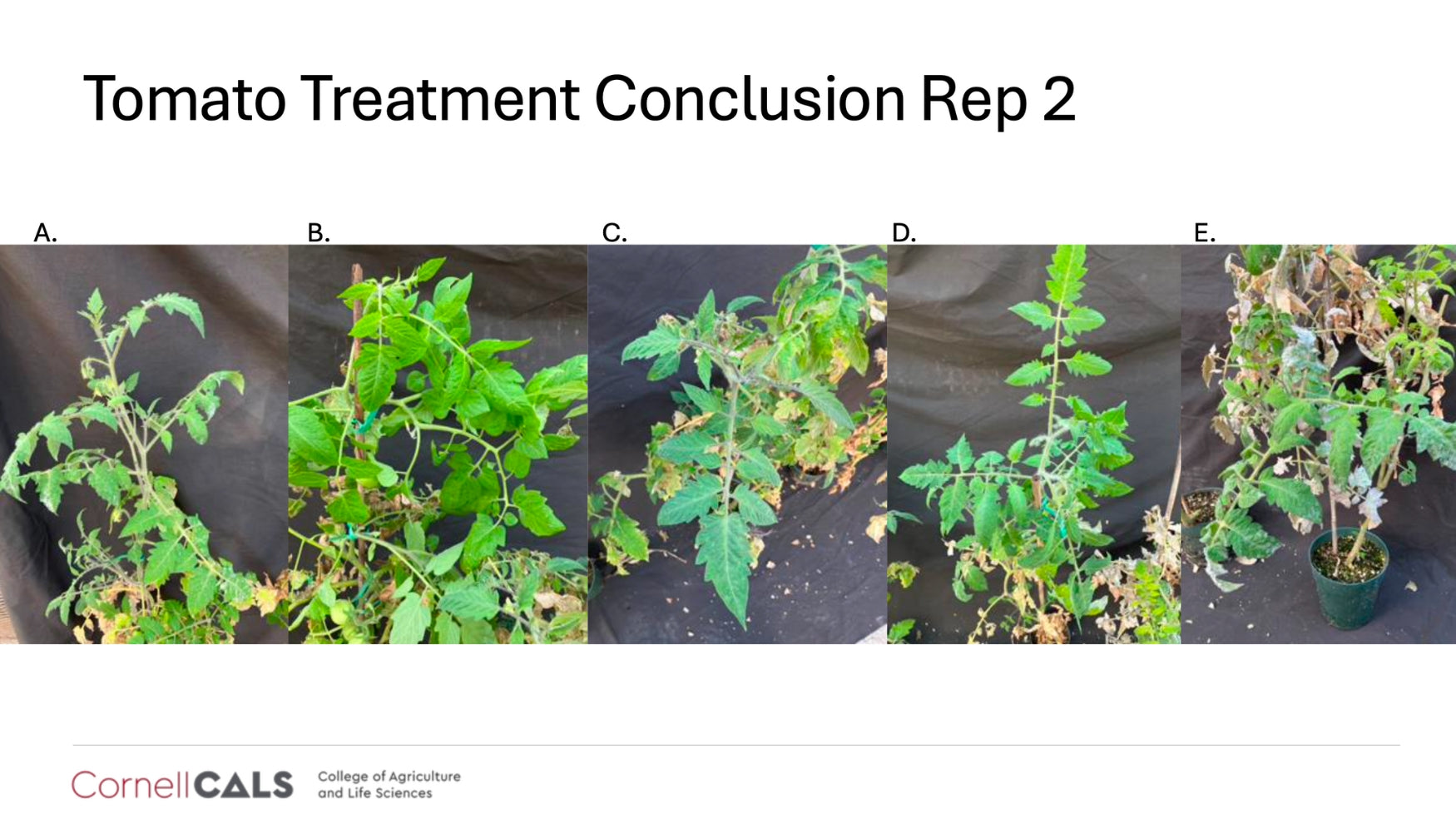
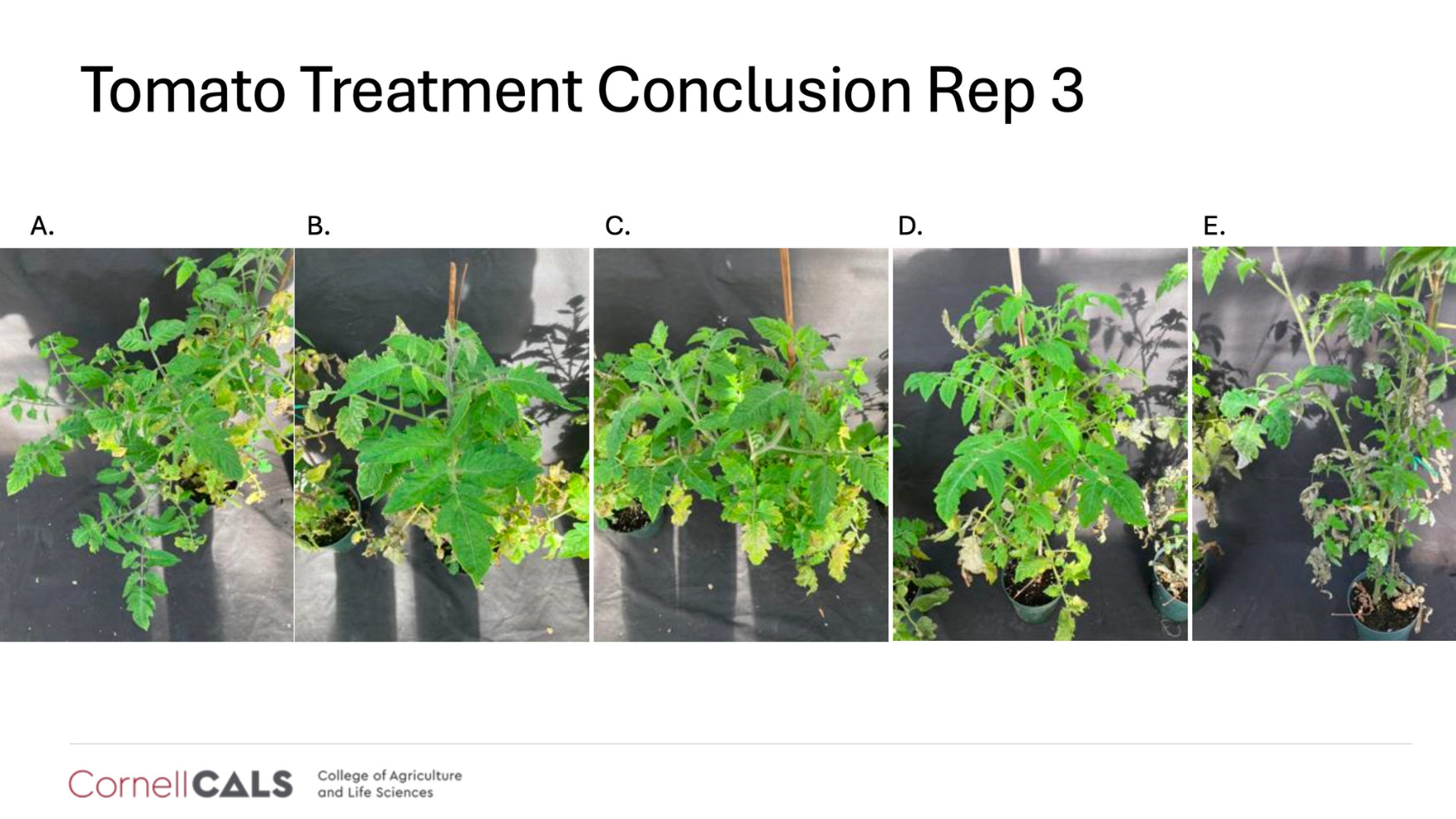
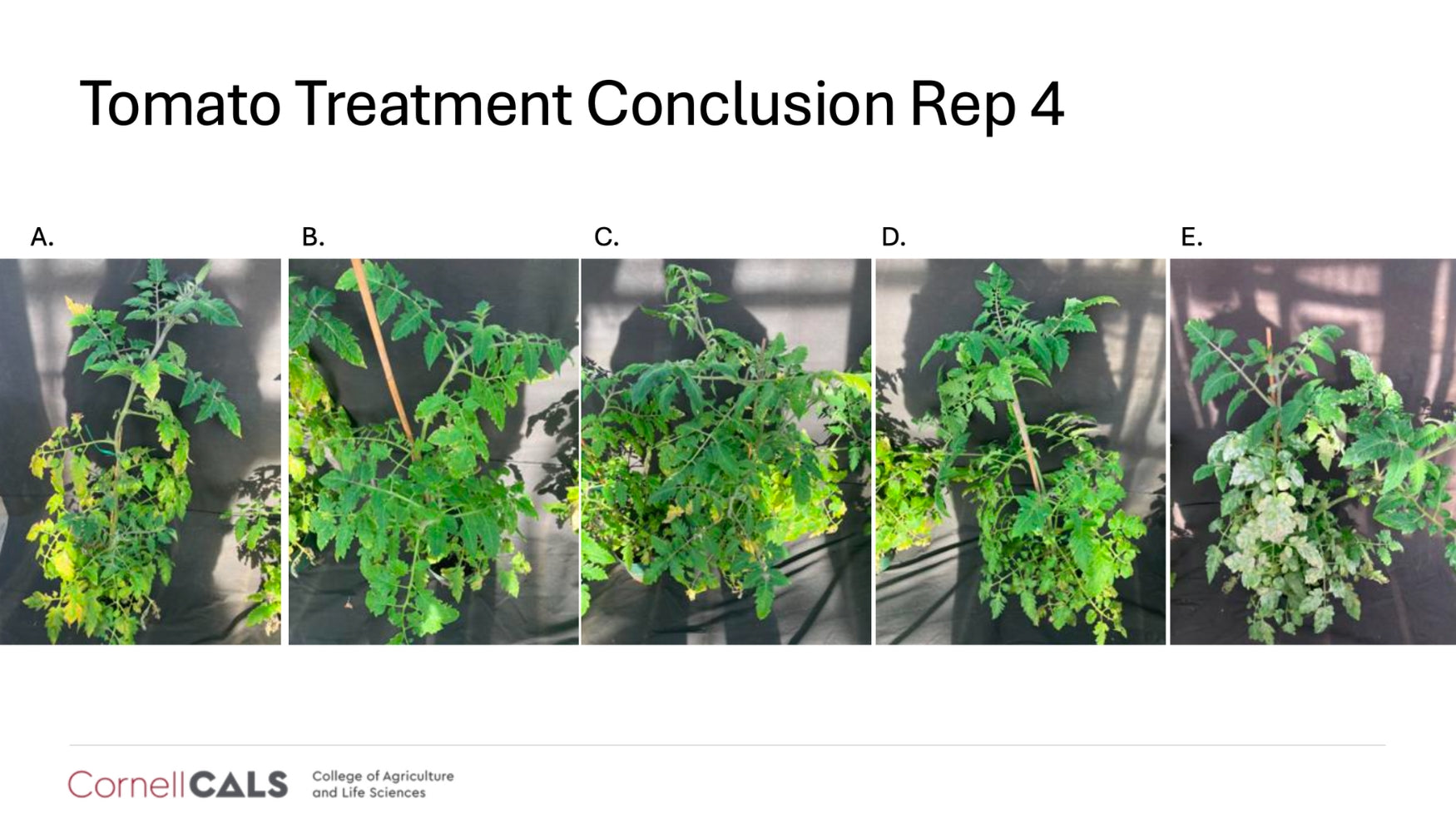
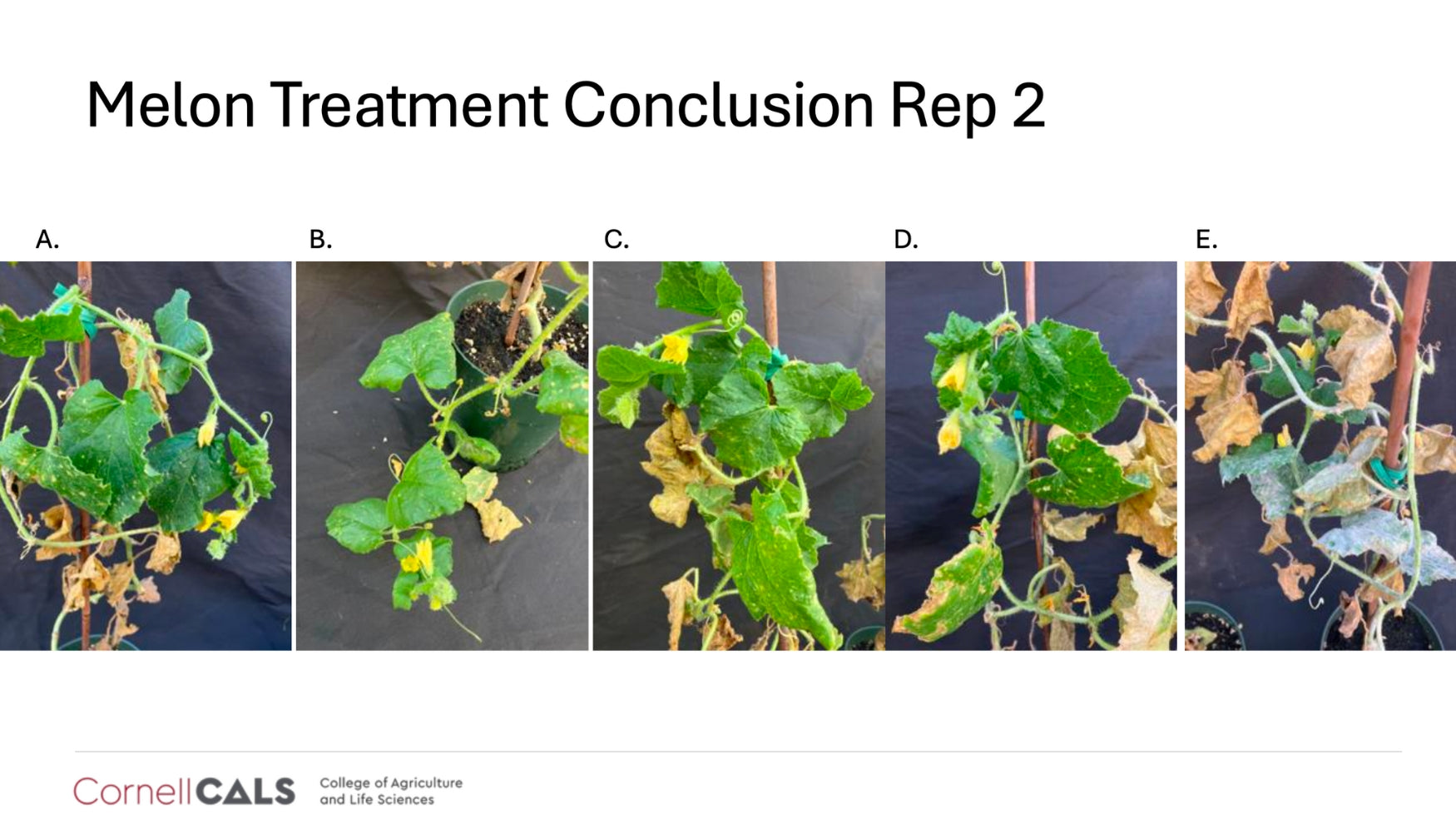
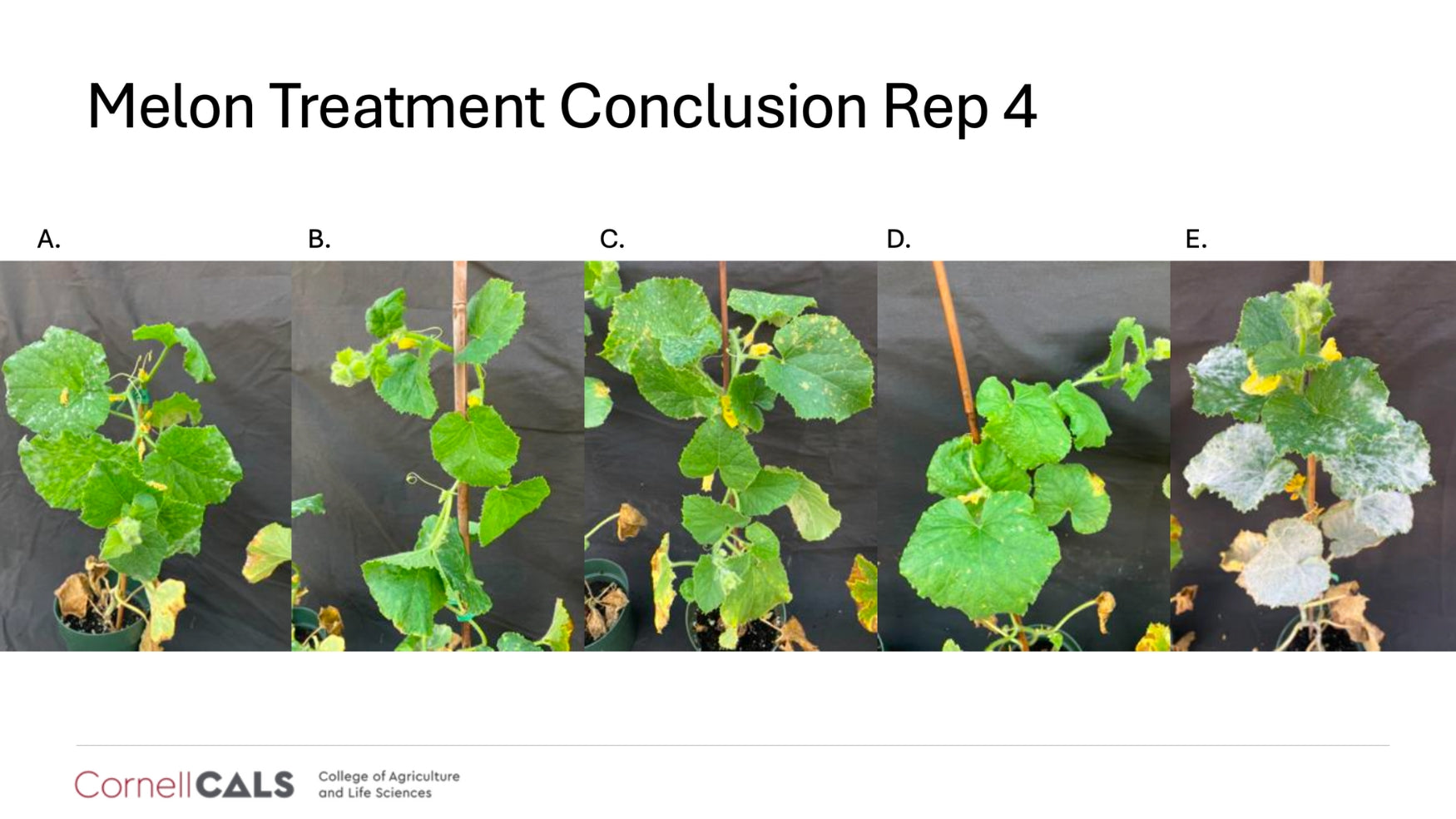
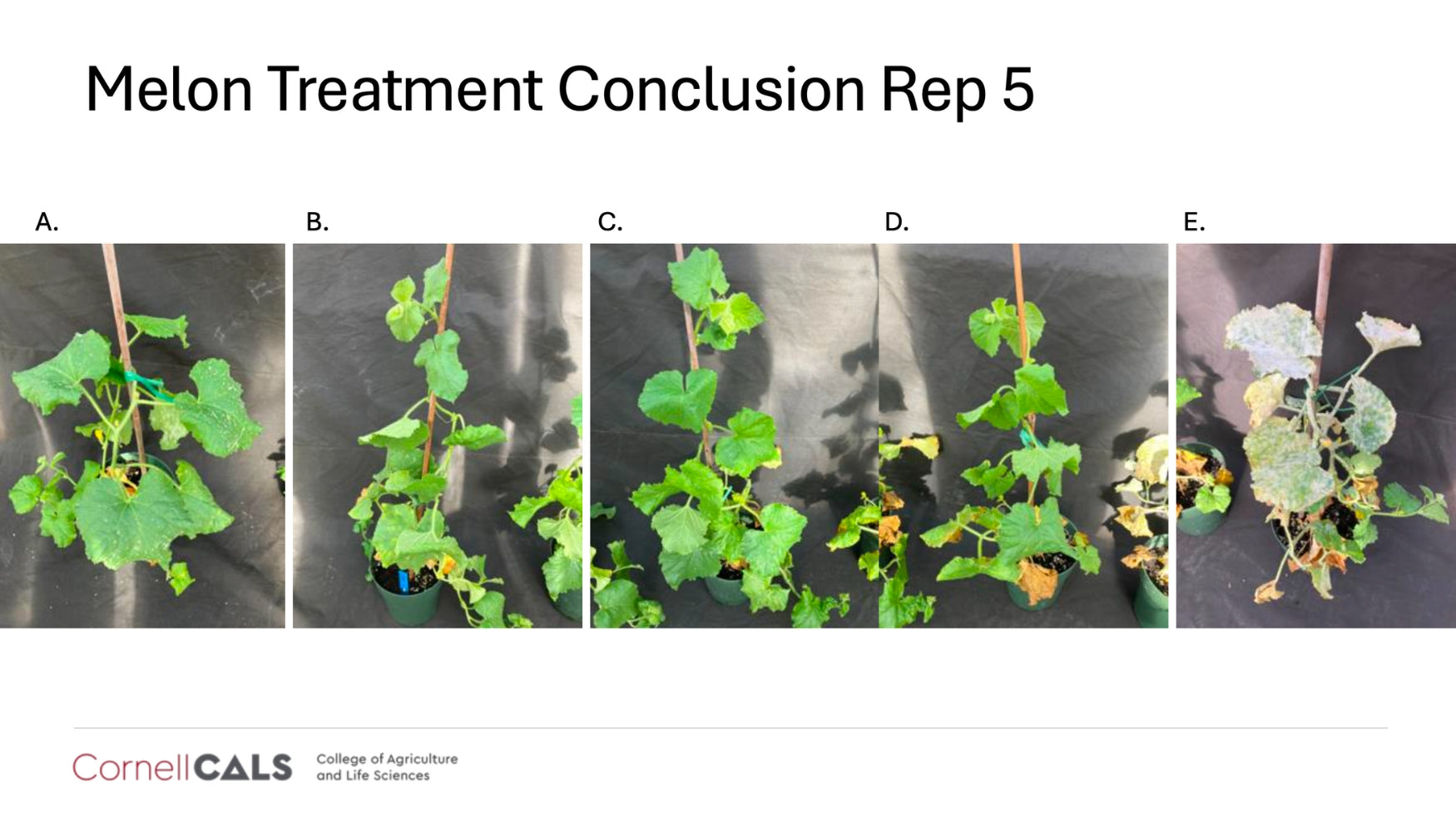
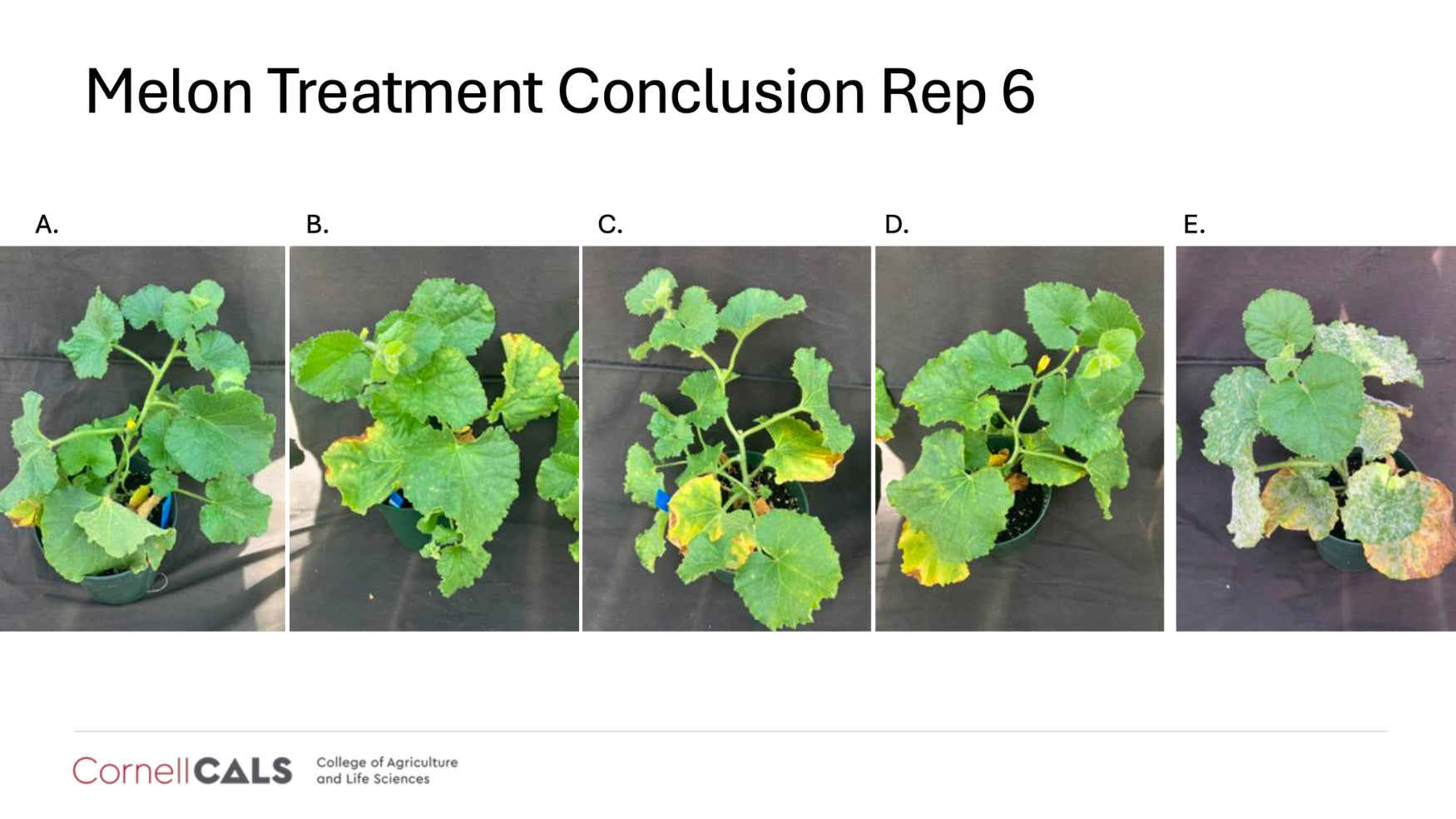
The powdery mildew treatment conclusion images below show final results from the 14-day curative greenhouse trial. Each comparison includes plants representing Treatment Groups A through E.
Plants A, B, C, & D: Treated with Lost Coast Plant Therapy at various concentrations.
Plant E: RO Water Control (no treatment).
These treatment rates describe what Cornell evaluated during the greenhouse trials. They do not replace current product directions. Always follow the product label and test a small area before changing application rates or combining products.
Plant A
1 oz per gallon of Lost Coast Plant Therapy
Plant B
2 oz per gallon of Lost Coast Plant Therapy
Plant C
1 oz per gallon of Lost Coast Plant Therapy + 1 oz of isopropyl alcohol
Plant D
2 oz per gallon of Lost Coast Plant Therapy + 1 oz of isopropyl alcohol

How to Read the Cornell Graphs
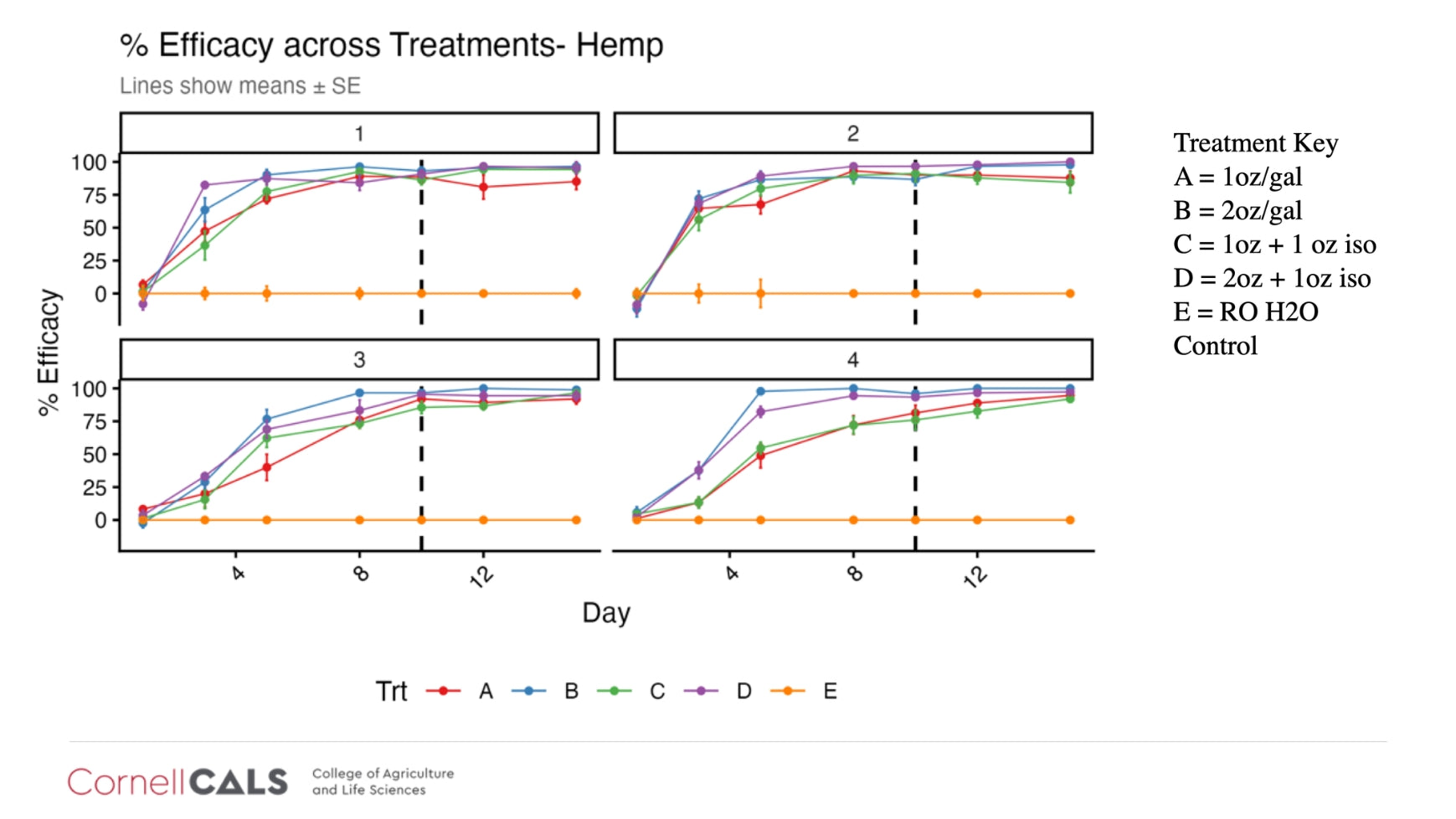
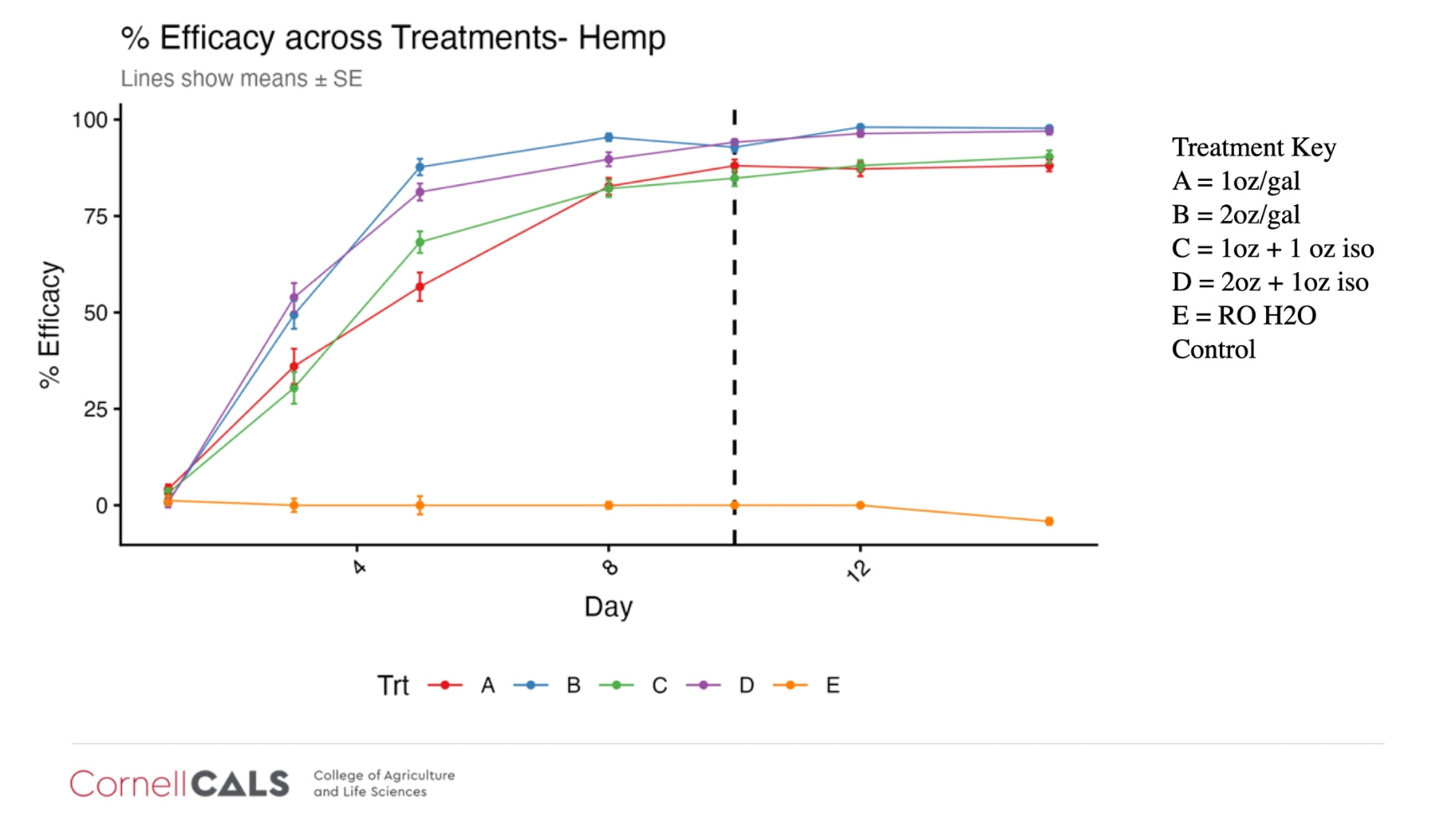
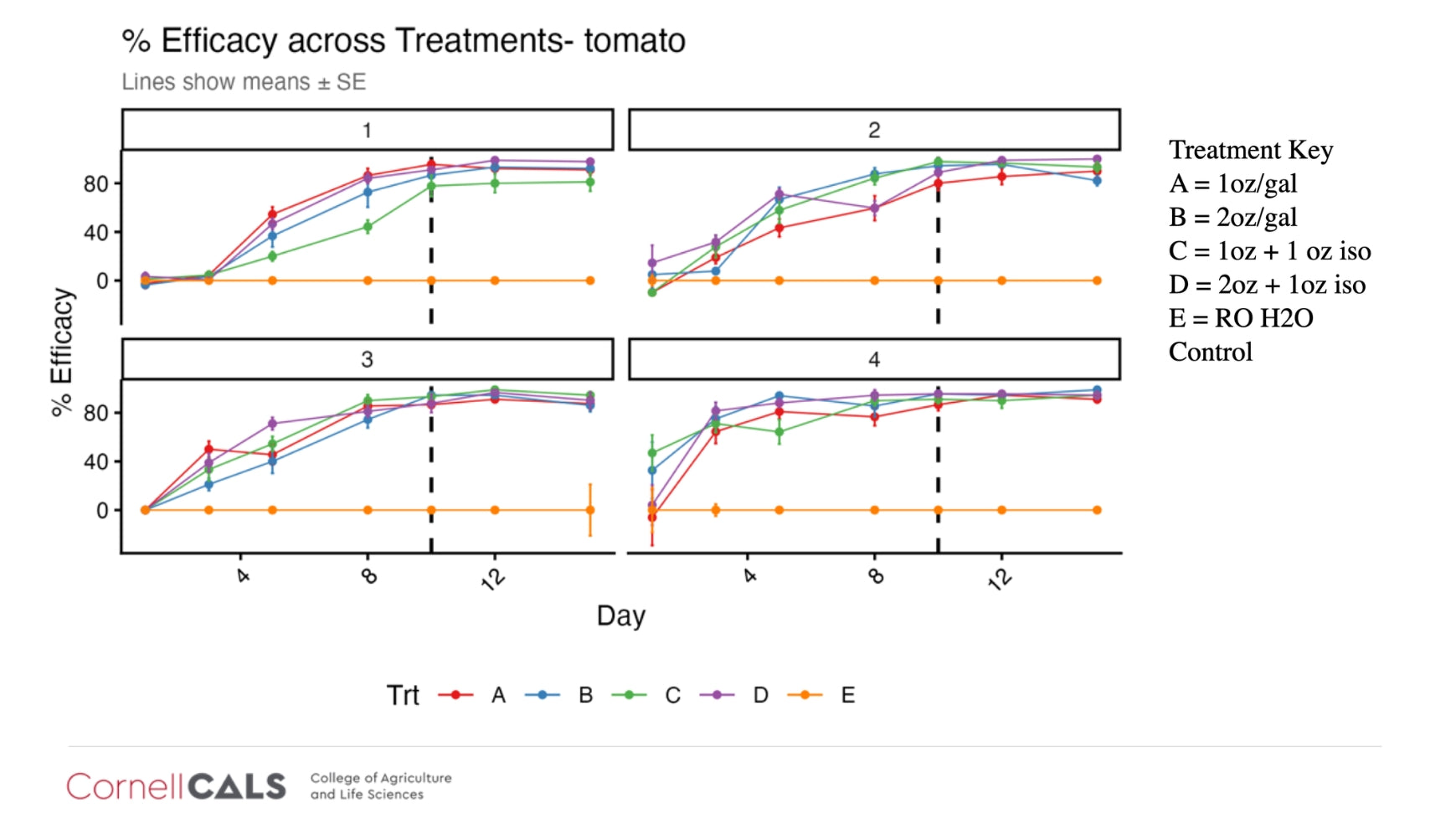
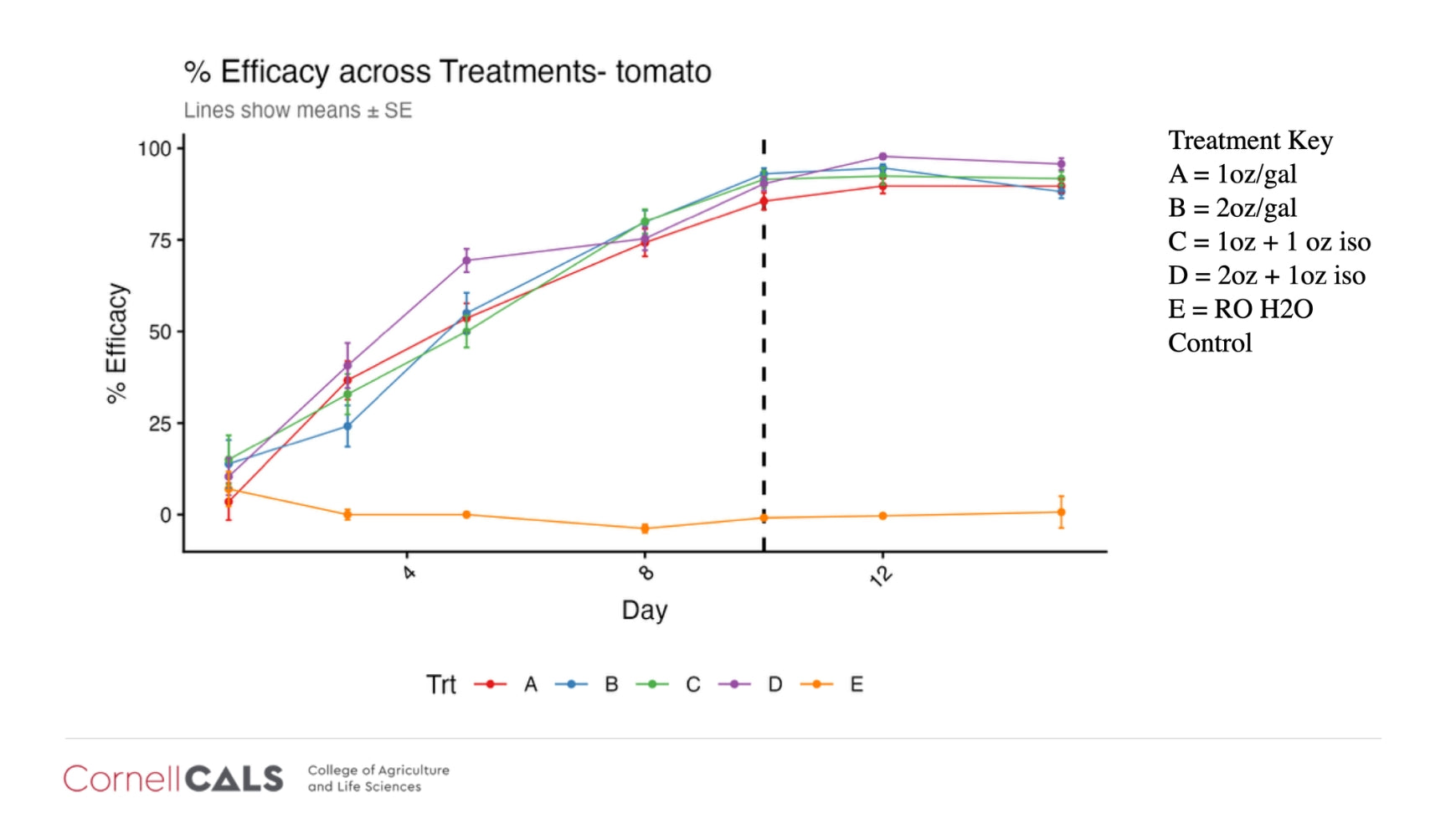
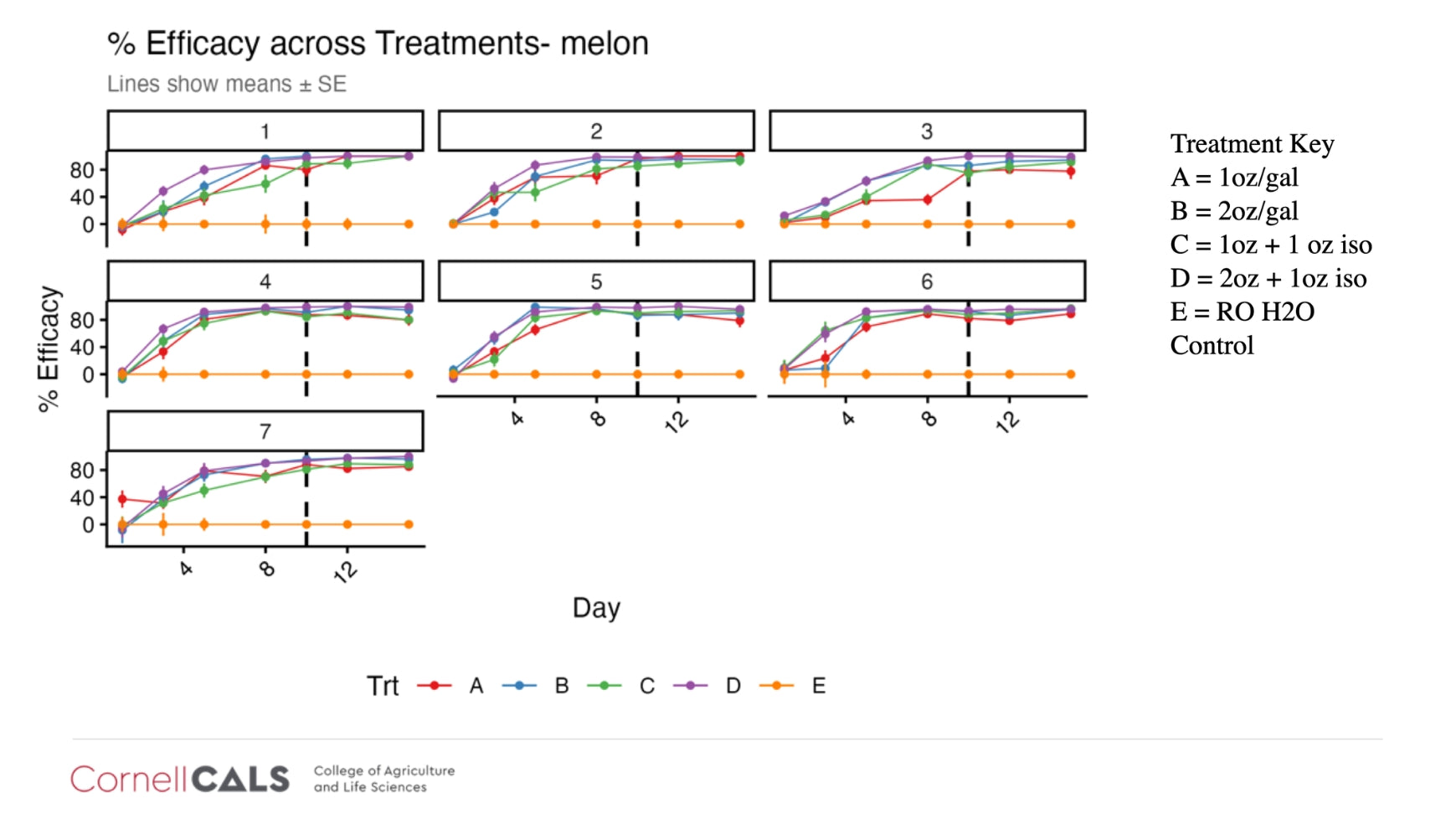
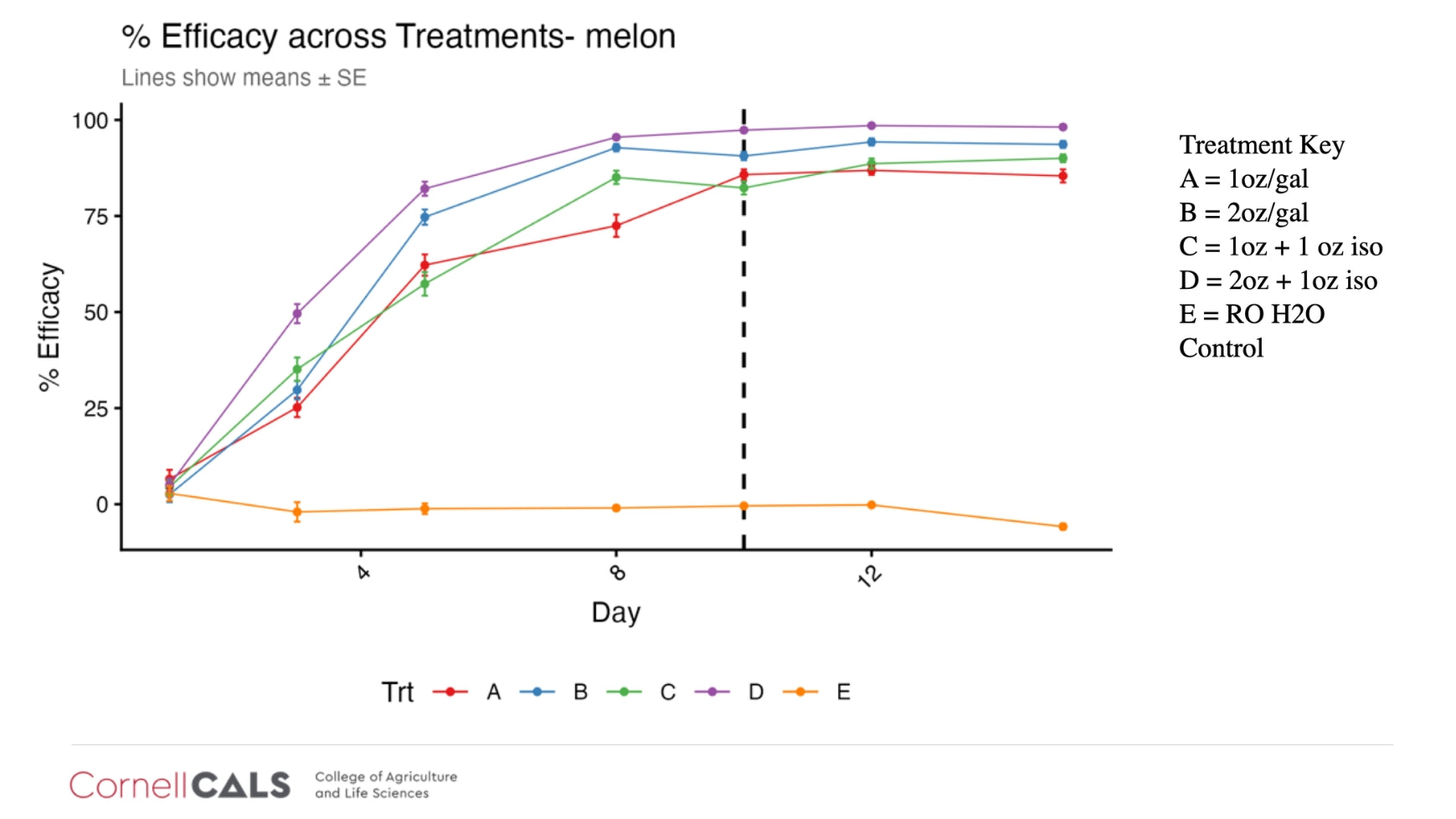
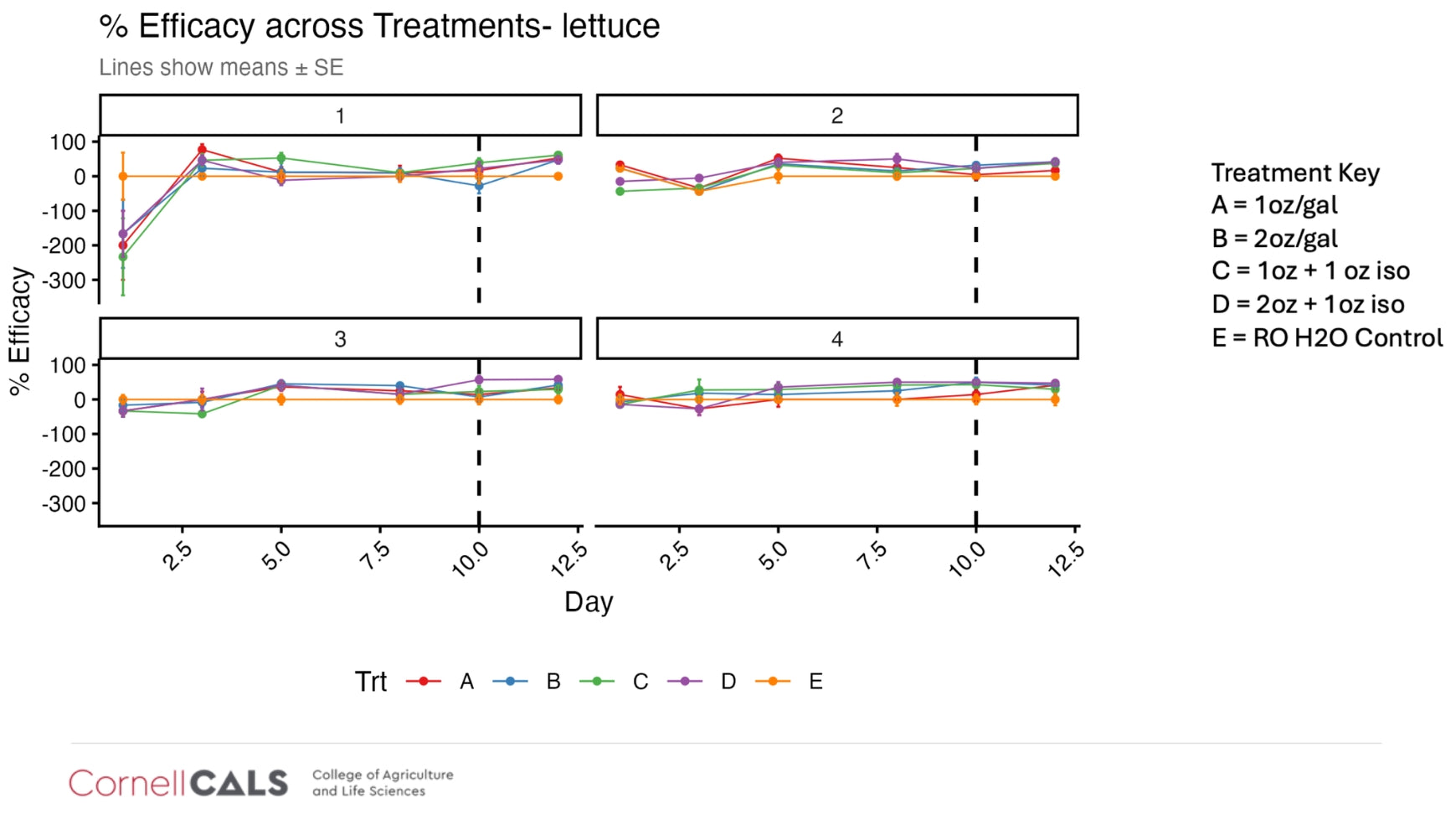
Each crop includes two views of the same trial data. The graph on the left shows the individual trial replicates, while the graph on the right combines those replicates into one overall average.
Each colored line represents a treatment. Higher percentages indicate stronger efficacy compared with the RO water control, and the points show how performance changed throughout the trial. Error bars show standard error, helping illustrate how consistent the results were across replicates. Treatment E is the RO water control and serves as the baseline for comparison.
You can clearly see efficacy rise after the first application and continue building with each repeat treatment, showing how consistent coverage and follow-up applications strengthened control throughout the trial.

Powdery Mildew Control on Hemp
Multiple spray replicates confirmed that Lost Coast Plant Therapy effectively controlled powdery mildew on hemp leaf surfaces. Where full coverage was achieved, visible powdery mildew was controlled, with residual disease only observed in areas where leaf overlap limited spray contact.

Powdery Mildew Control on Tomato
Across four separate treatment replicates, tomato plants treated with Lost Coast Plant Therapy showed high curative efficacy against powdery mildew. Treated plants consistently exhibited significantly lower disease severity compared to untreated controls at the conclusion of each replicate.

Powdery Mildew Control on Melon
Melon trials were conducted across a range of developmental stages, from young four-week-old plants to more mature material. Results showed a consistent curative response across growth stages, demonstrating reliable suppression of powdery mildew following repeat applications.

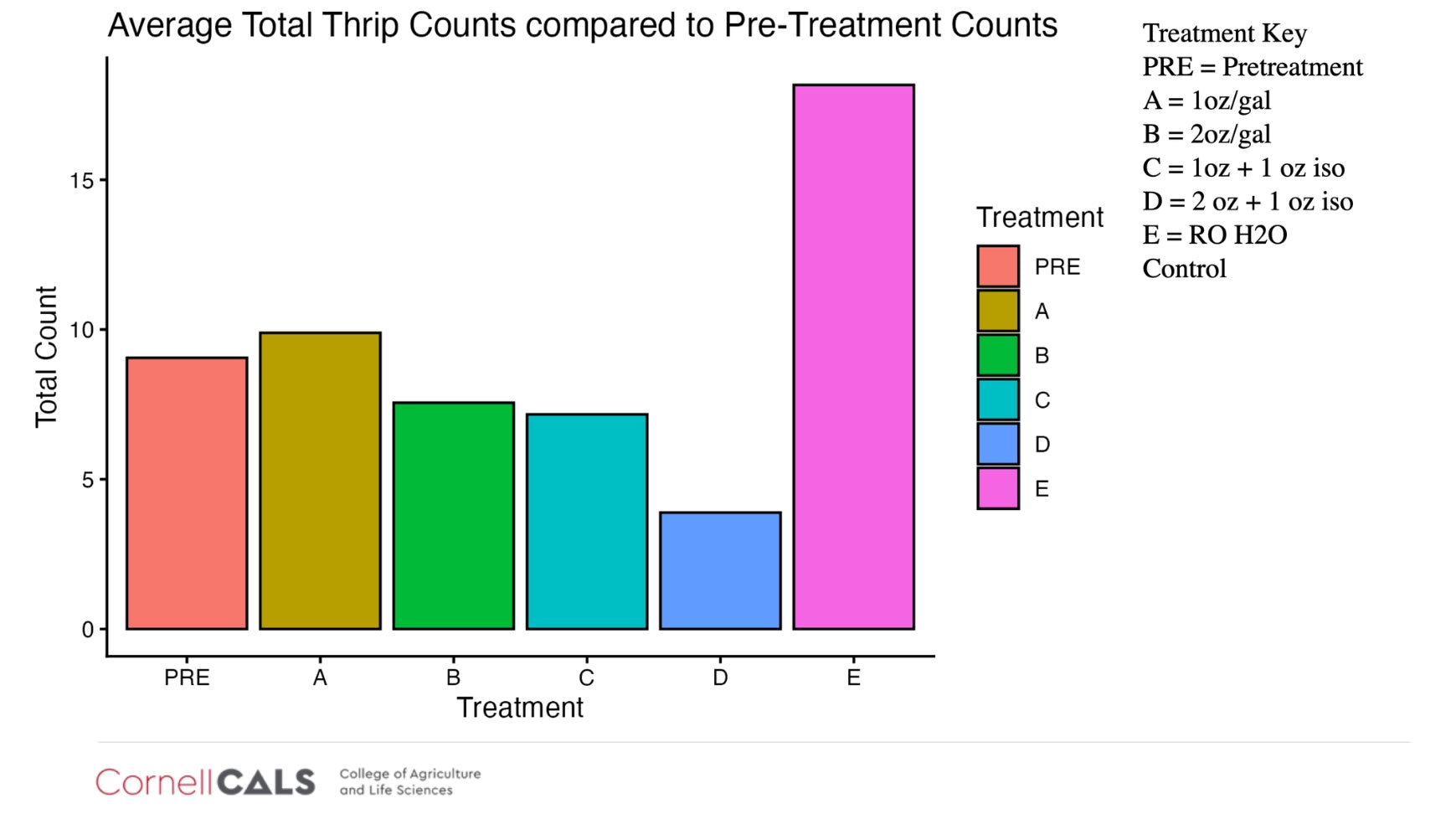
Control of Western Flower Thrips on Lettuce
Lettuce plants were exposed to western flower thrips for seven days before treatment began. Cornell evaluated feeding damage, counted thrips directly on the plants, and completed a final shake test to count adult and nymphs.
After five applications, the strongest treatment produced up to 95% efficacy against western flower thrips and all soft bodied insects compared with the RO water control. Results varied by treatment rate, treatment combination, and coverage.
Key Results by Crop
The Cornell greenhouse trials showed measurable curative control across the tested crops. The strongest results were associated with repeat applications and thorough plant coverage.

Hemp
Hemp
Multiple spray replicates confirmed that Lost Coast Plant Therapy effectively removed Powdery Mildew from leaf surfaces.

Tomato
Tomato
Four treatment replicates showed high curative efficacy and lower powdery mildew severity than the RO water control.

Melon
Melon
Severn trials conducted across different developmental stages (from 4-week-old plants to older material) showed consistent curative response.

Lettuce
Lettuce
The strongest treatment of 2oz per gallon achieved up to 95% efficacy against total western flower thrips.
Beyond 96% efficacy against powdery mildew and 95% efficacy against western flower thrips and other soft bodied insects, Lost Coast Plant Therapy supports the operational needs of commercial facilities.

Zero-Hour Re-Entry (REI)
Zero-Hour Re-Entry (REI)
Minimize downtime, allowing workers to return to the greenhouse immediately after application.

Residue-Free Formula
Residue-Free Formula
Made with biodegradable, food-grade, and cosmetic-grade ingredients that leave no harmful residues behind.

Demeter Biodynamic Approved
Demeter Biodynamic Approved
Approved by CCOF and Demeter Biodynamic, meeting some of the most rigorous agricultural standards.

Contact Control
Contact Control
Formulated to control powdery mildew and soft-bodied insects on contact while remaining safe for beneficial insects when used as directed.

The Lost Coast Plant Therapy Advantage
The Cornell CALS greenhouse trials demonstrated measurable control of established powdery mildew and western flower thrips under controlled conditions. The strongest results were achieved through repeat applications, thorough coverage, and direct contact with the target issue.
Because it is made with natural and organic ingredients and classified as a minimum risk pesticide, Lost Coast Plant Therapy fits seamlessly into integrated pest and disease management programs for both organic and conventional operations.
Cornell Trial FAQs
How were these results measured?
How were these results measured?
Cornell used different measurements for each trial. Powdery mildew was scored on selected leaves throughout the 14-day trial and analyzed using disease-progression calculations and Abbott’s formula. Western flower thrips were evaluated using feeding-damage scores, on-plant counts, and a final shake test.
All treatments were compared with an RO water control. Cornell also used ANOVA and Tukey’s HSD to compare treatment results.
Why are there multiple replicates (Rep 1, Rep 2, etc.)?
Why are there multiple replicates (Rep 1, Rep 2, etc.)?
Replicates are repeated versions of the trial conducted under comparable conditions. They help researchers determine whether a result is consistent rather than a one-time outcome.
The powdery mildew study included four tomato replicates, seven melon replicates, and four hemp replicates. The western flower thrips trial also included four repeated treatment groups.
How many times was Lost Coast Plant Therapy applied?
How many times was Lost Coast Plant Therapy applied?
Each Cornell trial used five applications on a Monday–Wednesday–Friday–Monday–Wednesday schedule.
The powdery mildew trial was observed over 14 days. The western flower thrips trial was observed over 11 days, followed by a final shake test two days after the last application.
Was this trial conducted independently?
Was this trial conducted independently?
Yes. The greenhouse trials were conducted in collaboration with Cornell University’s College of Agriculture and Life Sciences. Cornell used its greenhouse facilities, treatment protocols, observations, and statistical analyses to evaluate treatment performance.
What crops were evaluated in the Cornell trial?
What crops were evaluated in the Cornell trial?
Powdery mildew was evaluated on tomato, melon, and hemp. Western flower thrips were evaluated on lettuce.
Were these preventative or curative trials?
Were these preventative or curative trials?
These were curative trials. Powdery mildew was established on the plants before treatment began, and lettuce plants were exposed to western flower thrips before entering the treatment trial.
The trials were designed to evaluate performance against active, established pressure rather than prevention on clean plants.
What were the key findings of the Cornell University trial?
What were the key findings of the Cornell University trial?
The highest mean efficacy observed was up to 96% against powdery mildew and up to 95% against total western flower thrips and all soft bodied insects. The reports also showed that repeat applications and complete plant coverage were important to treatment performance.
Does it work on thrips?
Does it work on thrips?
Yes. Cornell evaluated western flower thrips on lettuce, and the strongest treatment achieved up to 95% efficacy against total thrips after five applications.
Results varied by treatment rate, treatment combination, and spray coverage.
Is thorough coverage necessary?
Is thorough coverage necessary?
Yes. The trial showed that thorough coverage is essential. The strongest and most consistent results occurred when plants were fully saturated, including both upper and lower leaf surfaces.
Can this be used in organic production?
Can this be used in organic production?
Yes. Lost Coast Plant Therapy is a 25(b) minimum-risk pesticide approved by California Certified Organic Farmers (CCOF) and permitted for certified organic production in California, Florida, and Wisconsin. It is also approved for use on Demeter Biodynamic Certified farms.