
Tomato Pests: Common Bugs on Tomato Plants & How to Identify Them
Identify aphids, whiteflies, spider mites, thrips, and other common tomato pests by feeding pattern, plant location, and visible clues.
Healthy plants start with understanding what they are telling us. Explore our practical guides to identify pests, plant diseases, crop problems, and visible symptoms, then follow the evidence toward the right next step.
Identify aphids, whiteflies, spider mites, thrips, and other common tomato pests by feeding pattern, plant location, and visible clues.
Compare tomato leaf, stem, and fruit symptoms to narrow early blight, late blight, Septoria, wilt, powdery mildew, blossom-end rot, and common lookalikes.
Identify aphids, thrips, mites, scale crawlers, and other pests that use rose buds, new growth, stems, flowers, and leaf undersides.
Separate powdery mildew, black spot, rust, Botrytis, environmental stress, and other rose problems by where and how symptoms appear.
Build a practical greenhouse scouting routine and learn how enclosed growing spaces change pest pressure, humidity, coverage, sanitation, and prevention.
Learn what root rot looks like above and below the soil line, why roots decline, what can mimic root rot, and which recovery steps fit the actual cause.
Start with the crop and visible symptom, then route mixed-bed problems toward the right pest, disease, root-health, or crop-specific diagnosis.
Diagnose cucumber leaf, vine, flower, and fruit problems by comparing pests, powdery mildew, spots, distortion, chewing damage, and environmental clues.
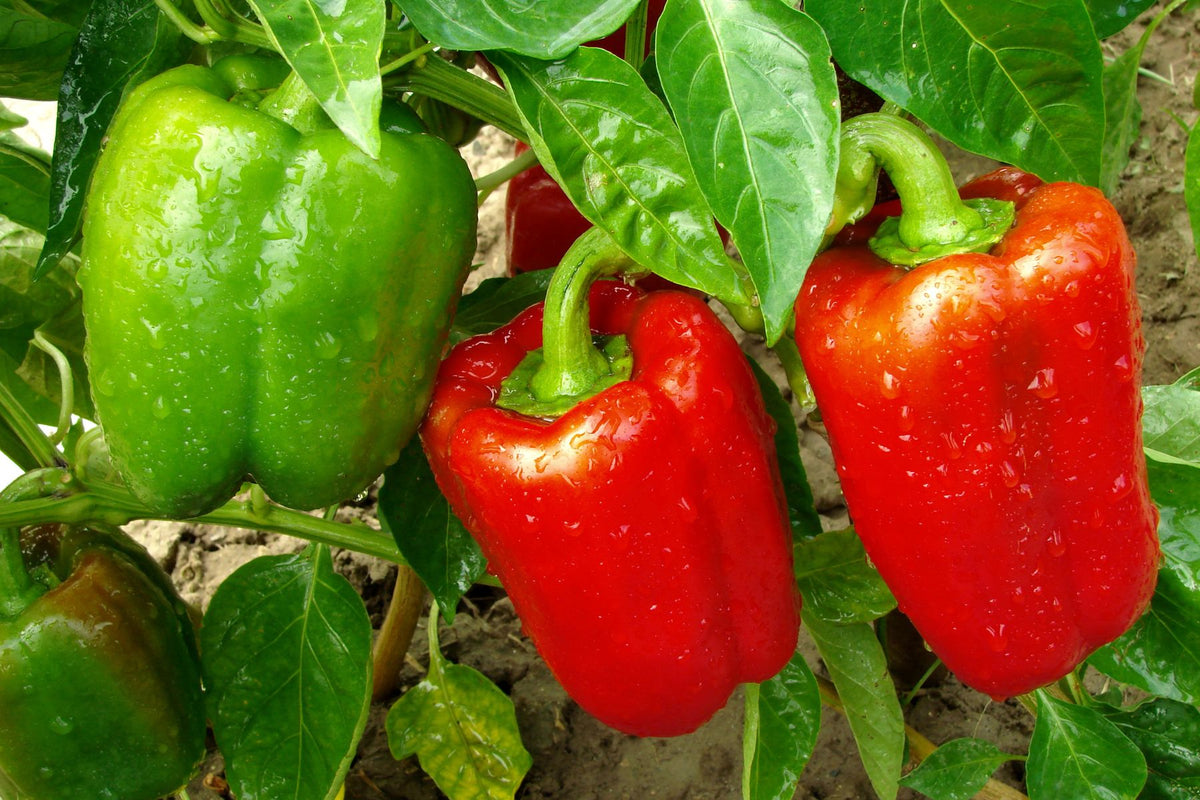
Sort pepper leaf, flower, fruit, and root-zone symptoms to identify likely pest pressure, plant stress, disease clues, and the next inspection step.
Identify insects and mites affecting raspberry leaves, canes, flowers, and fruit by matching visible damage with the part of the plant where it begins.
Read dahlia leaves, stems, buds, and flowers for aphids, thrips, mites, chewing damage, and other common pest or plant-health clues.
Start with leaves, flowers, green berries, ripe fruit, or the crown to separate mites, aphids, thrips, powdery mildew, Botrytis, fruit damage, and root problems.
Identify aphids, thrips, whiteflies, caterpillars, and other pests that target tender lettuce leaves by comparing feeding patterns, residue, distortion, and where damage appears.
Use curling leaves as a clue, then compare watering problems, heat stress, aphids, mites, thrips, disease, and other causes to understand what your plant may be responding to.
Learn the early warning signs of pest pressure, from stippling and sticky residue to webbing, distorted growth, and insects hiding under leaves, so you know where to inspect next.
Inspect citrus leaves, new growth, stems, and fruit for aphids, scale, mites, whiteflies, leafminers, and other common pests, then match the visible damage to the most likely cause.
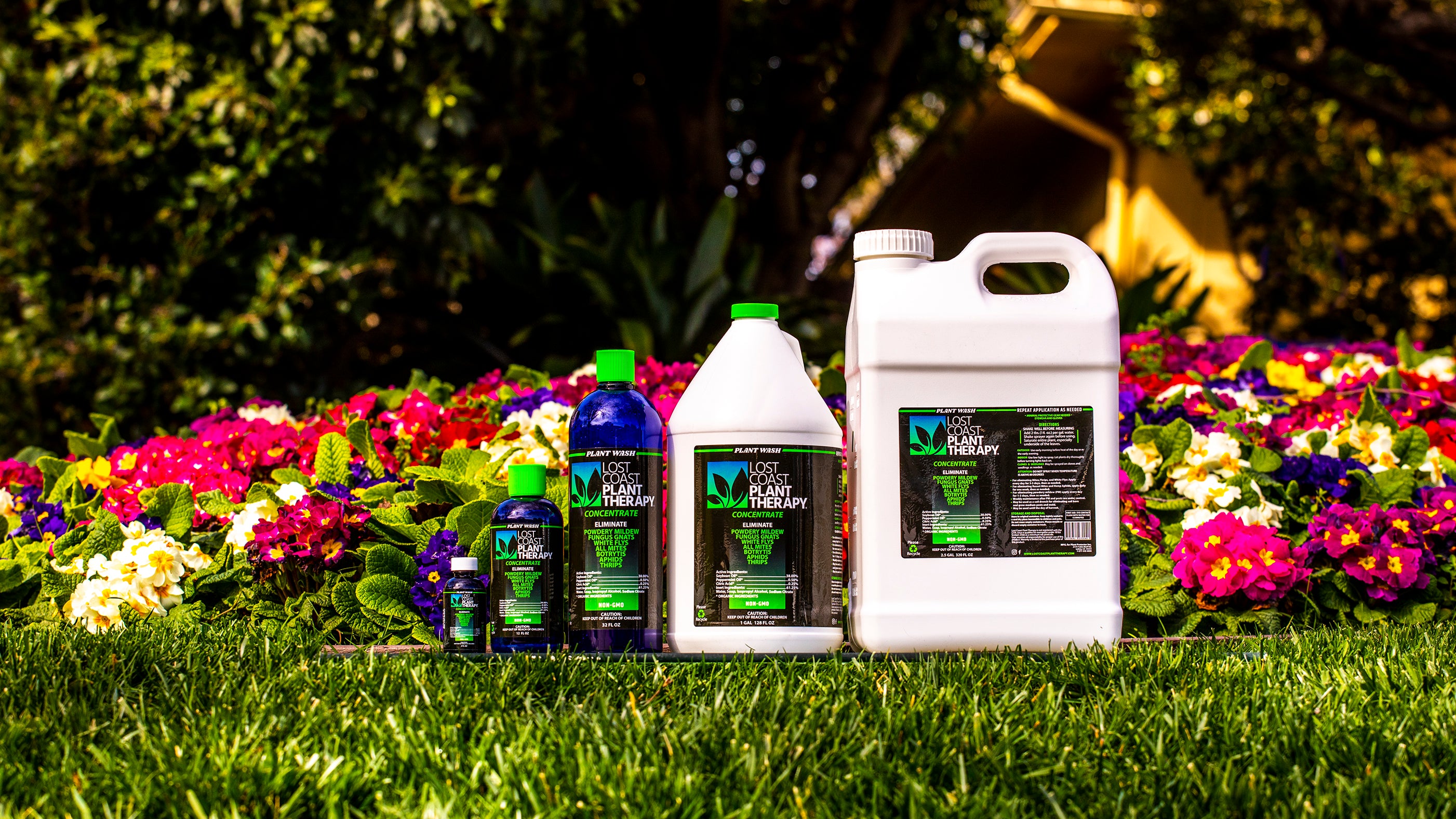
Mixes with water to create 12 gallons of application spray.
Mixes with water to create 32 gallons of application spray.
Mixes with water to create 128 gallons of application spray.
Mixes with water to create 320 gallons of application spray.