
Skip to content
Lettuce pest diagnosis guide

Lettuce Pests. Common bugs on lettuce & leafy greens

Common bugs on lettuce and leafy greens, with a practical way to identify sticky leaves, silver scarring, fine stippling, flying insects, leaf mines, chewing damage, and hidden pests before harvest.

Lettuce plant showing outer leaves, inner folds, crown and harvestable foliage
For backyard lettuce, raised beds, containers, market gardens & commercial leafy-green growers
Shop Lost Coast Plant Therapy →
Start here

What pests attack lettuce?

Lettuce is unusual because the leaf itself is the crop. A few insects tucked deep in the head, a patch of silver scarring, or a line of mines through a leaf can affect the part we actually plan to harvest.

Lettuce aphids, green peach aphids, potato aphids, western flower thrips, spider mites, whiteflies, leafminers, slugs, snails, cutworms, loopers, and other caterpillars can all show up in lettuce plantings. The fastest way to narrow the problem is to decide whether the tissue is sticky, scarred, stippled, mined, chewed, wilted, or carrying flying insects.

Leaf architecture matters too. Head lettuce and dense rosettes create protected folds that hide aphids and thrips. Outer leaves can show obvious damage while the pest itself sits deeper inside. That is why this guide keeps returning to damage pattern + hiding place + live pest instead of treating every bad leaf the same way.

Damage pattern guide

What does the damage look like?

Choose the clue that looks closest to what you see. The result shows the likely pest group, where to inspect next, common look-alikes, and whether Lost Coast Plant Therapy can help.
Lost Coast Plant Therapy controls supported soft-bodied pests, powdery mildew, mold, and botrytis on contact.

On lettuce, thorough coverage matters because aphids and thrips can hide in folds while mites and whitefly stages can sit underneath leaves. Confirm the pest first, then follow the current directions and test plant response.

Shop all sizes →
Compare quickly

Lettuce pest clues side by side.

This desktop matrix is a quick comparison tool. Use the sections below for the full diagnosis.
What you see Where it appears Likely category Best clue Next direction Lost Coast Plant Therapy relevance
Sticky curled leaves Heart, folds, undersides Aphids Honeydew + live colonies Open the head and inspect deeply Relevant
Silver scarring + black specks Leaves + protected folds Thrips Slender insects + fecal specks Check folds and undersides Relevant
Fine stippling / bronzing Leaf surfaces, especially undersides Spider mites Tiny mites + eggs + webbing Use magnification and inspect below Relevant
White insects fly up Leaf undersides Whiteflies Flying adults + attached nymphs Check underside stages Relevant
Winding tunnels inside leaf Between leaf surfaces Leafminers Mine stays inside tissue Leafminer-specific management Different path
Ragged holes / clipped seedlings Leaves + soil line Slugs / caterpillars / cutworms Tissue is physically missing Identify the chewer Different path
Common exposed pests

The lettuce pests we check first.

Aphids, spider mites, and thrips leave very different clues, but each can hide in protected parts of a lettuce plant.
Aphids hidden inside a lettuce head
Sticky leaves • curled growth • hidden colonies

Aphids

Lettuce aphid is especially easy to miss because it feeds toward the center on younger leaves. Green peach aphids and potato aphids can also colonize lettuce, so checking only the outside of the plant is not enough.

Open inner leaves gently and inspect the heart. Sticky honeydew, cast skins, ants, and live colonies can lead you toward aphids that are hidden from view. Green peach aphid infestations can also begin on lower leaves and move through the plant as numbers increase.

Inspect Open the folds, inspect the heart, then check lower leaves and veins.
Harvest quality Early scouting matters because heavy aphid numbers can contaminate market heads.
Thrips scarring and black specks on lettuce
Silvering • black specks • protected folds

Thrips

Western flower thrips puncture lettuce leaves and leave a silvery surface that can progress to brown scarring. Small black fecal specks in the damaged area are a useful confirmation clue.

Thrips can feed on leaf undersides and inside folds near the base of the plant, exactly where a quick top-down inspection is least likely to find them. Wind or abrasive injury can look similar, so pair the scar with live insects or black specks before deciding.

Inspect Check protected folds, leaf undersides, nearby plants, and the damaged silver areas themselves.
Disease clue Western flower thrips can vector tospoviruses in lettuce, so severe rings, necrosis or unusual distortion deserves disease diagnosis too.
Independent greenhouse evidence

Cornell tested western flower thrips on lettuce.

Lettuce plants were exposed to thrips for seven days before treatment began, and Cornell evaluated feeding damage, on-plant counts, and a final shake test.

95% +/- Efficacy After five applications, the strongest treatment produced 95% +/- efficacy against western flower thrips and all soft-bodied insects compared with the RO water control.
Coverage changed performance The most consistent results occurred when plants received complete coverage, including upper and lower leaf surfaces.
Repeat applications mattered The Cornell trial used 5 applications. These rates describe what Cornell tested and do not replace the current product directions.
Flying + underside clue

Whiteflies give you a flying clue, then an underside clue.

Adult whiteflies may lift from lettuce foliage when a leaf is disturbed. The adults are only part of the picture. Immature stages stay attached underneath leaves, so the underside should be inspected even when the flying adults are easy to notice.

If you see tiny insects flying around wet container media instead of lifting from foliage, also consider fungus gnats. Tie the flying insect to either the leaf underside or the growing medium before choosing the next step.

Adult whiteflies lifting from lettuce foliage
Whitefly immature stages under a lettuce leaf
Leafminer tunnels inside a lettuce leaf
Protected inside the leaf

Tunnels inside the leaf point toward leafminers.

Leafminer larvae feed between the upper and lower surfaces of the leaf. The result is a winding or blotchy mine that sits inside the tissue rather than on top of it. UC IPM recommends checking young seedlings early because mines commonly appear on cotyledons and the first true leaves.

That protected feeding site makes leafminers a different management path from aphids, thrips, mites, or whiteflies that can be contacted on exposed plant surfaces.

Look through the leaf Hold the leaf toward light and follow the tunnel or blotch inside the tissue.
Check young plants early Early mines on cotyledons and first true leaves can reveal pressure before more harvestable leaf area is affected.
Do not confuse mines with spots Disease spots sit in damaged tissue, while a mine usually shows a track or expanding path created by a larva.
Different control path An insect protected inside the leaf needs leafminer-specific management.
Missing tissue

Ragged holes mean something is chewing.

When leaf tissue is missing, move away from the aphid, mite, and thrips diagnosis. The shape of the chewing and where it begins can help narrow the culprit.
Slug or snail damage on lettuce

Slugs & snails

Irregular holes, edge feeding, and slime trails are strong clues, especially where foliage stays close to moist soil or protected surfaces.

Different target group
Looper or caterpillar feeding on lettuce

Loopers & caterpillars

Larvae remove leaf tissue and may leave frass. Check both leaf surfaces and the center of plants where caterpillars can stay sheltered.

Chewing pest
Cutworm damage on lettuce seedling

Cutworms

Clipped or suddenly collapsed seedlings can point toward cutworms feeding near the soil line, often when the plant is still small.

Seedling problem
Beetle chewing on lettuce

Beetle-type chewing

Small pits, holes, or seedling feeding from beetles belong to a chewing-pest diagnosis. Confirm the beetle rather than treating the damage like stippling.

Different approach
Pre-harvest inspection

On lettuce, the leaf is the harvest.

That changes the value of early scouting. An aphid colony hidden in the heart, thrips tucked inside folds, or a leafminer tunnel can become a harvest-quality problem even when the plant itself is still growing.

Outer leaves first Check damage patterns, undersides, and obvious chewing before opening the plant farther.
Then inspect the folds Open protected leaf layers and look toward the crown or heart for aphids and thrips.
Compare several plants A hidden pest can be patchy. One clean head does not tell you what is happening across the bed or block.
Recheck before harvest Look for live insects and new damage instead of relying only on scars left from an earlier infestation.

Lost Coast Plant Therapy may be used until the day of harvest. Start with 1oz/gallon, avoid spraying above 80°F, use early morning or dusk outdoors, and make sure the product contacts the target.

Lettuce head being opened and inspected before harvest
Home + commercial

Inspection changes when you grow at scale.

A home gardener can turn over every plant. A commercial grower needs a repeatable pattern that finds local hot spots before they become a crop-wide quality problem.

Home garden lettuce

Inspect every plant. Open the head or rosette, turn over suspicious leaves, inspect the crown, and compare new damage with older scars.

  • Inspect after watering or garden work. That is often when curled leaves, flying adults, or fresh chewing are easiest to notice.
  • Sample the whole plant. Outer leaves alone can miss aphids or thrips tucked inside.
  • Remove badly damaged leaves when appropriate. Keep the diagnosis focused on live pressure rather than old damage.

Commercial leafy greens

Use a consistent route across field edges and production blocks. We recommend regular aphid and thrips monitoring because infestations can be clumped and difficult to manage once pests move into protected head tissue.

  • Keep the route consistent. Compare the same areas over time instead of changing the sample pattern each visit.
  • Pay attention to edges. UC IPM notes that green peach aphid infestations often begin along field edges.
  • Record what is actually present. Pest identity, life stage, damage, and location matter more than a general bugs-in-lettuce note.
Rule out look-alikes

Not every bad lettuce leaf has insects.

Spots, rot, wilt, yellowing, wind injury, and physiological stress can overlap with pest damage. Look for the physical clue that belongs to the pest. Powdery surface growth belongs in the powdery mildew diagnosis. Wet decay or collapsing tissue needs a rot diagnosis. General yellowing without insects may lead toward roots, nutrition, water, disease, or temperature stress.

White powdery surface growth on lettuce

White surface growth

Powdery mildew sits on the leaf surface and should not be confused with whitefly stages, residue, or pale stippling.

Brown or dark spots on lettuce

Brown or dark spots

Fungal or bacterial-looking lesions need disease diagnosis rather than an automatic insect recommendation.

Wet rot or collapsing lettuce tissue

Wet rot or collapse

Soft decay, crown collapse, and water-soaked tissue point away from ordinary leaf-feeding pests.

Yellow weak lettuce plant

Yellowing / weak growth

Roots, irrigation, heat, nutrient stress, disease, and root aphids can all weaken lettuce without producing the same leaf-surface clue.

The product

Where Lost Coast Plant Therapy fits.

Lost Coast Plant Therapy controls supported soft-bodied pests on contact. On lettuce, it fits once an exposed target such as aphids, thrips, spider mites, whiteflies, powdery mildew, mold, or botrytis has been confirmed.

Contact and coverage are especially important on leafy greens because pests can hide in folds, around the heart, and underneath leaves. Cornell's lettuce trial reinforces that the strongest thrips results came with repeat applications and thorough coverage.

When another approach is needed

Leafminers protected inside leaf tissue, slugs, snails, caterpillars, cutworms, beetle chewing, physiological disorders, and unrelated diseases should not be treated as though they were exposed aphids or thrips.

Lost Coast Plant Therapy Concentrate with healthy lettuce
Common FAQ'S

Questions lettuce growers ask.

These are the questions gardeners and growers usually ask once they see insects or damage but are not yet sure which pest diagnosis fits.
What pests attack lettuce? +

Common lettuce pests include lettuce aphid, green peach aphid, potato aphid, western flower thrips, spider mites, whiteflies, leafminers, slugs, snails, cutworms, loopers and other caterpillars. Start with the damage pattern because sticky curled leaves, silver scarring, fine stippling, internal leaf mines and ragged holes point toward different pest groups.

Why are there aphids inside my lettuce? +

Lettuce aphids can feed deep inside the plant and, in head lettuce, may be concentrated near the heart on younger leaves. Other aphids can begin on lower leaves or young tissue and move through the plant. Open leaf folds and inspect the center rather than checking only the outside of the head.

What causes silver streaks on lettuce leaves? +

Western flower thrips can puncture lettuce leaves and leave a silvery surface that later becomes brown scarring. Small black fecal specks in the damaged area support a thrips diagnosis. Wind or abrasive injury can look similar, so inspect folds and leaf undersides for the insects themselves.

What are the tiny flying bugs around lettuce? +

Tiny flying insects around lettuce can include adult whiteflies, winged aphids, thrips or fungus gnats around wet container media. Disturb the foliage, then inspect the leaf undersides and growing medium so the flying clue is tied to the right pest.

What causes tunnels inside lettuce leaves? +

Leafminer larvae feed between the upper and lower leaf surfaces, creating winding or blotchy mines inside the leaf. Because the insect is protected within the tissue, leafminer damage belongs to a different management path from exposed aphids, thrips, mites or whiteflies.

What is eating holes in lettuce? +

Ragged holes, missing leaf tissue or clipped seedlings usually point toward chewing pests such as slugs, snails, caterpillars, cutworms or beetles. This damage is different from the stippling, silvering or honeydew associated with small sap-feeding pests.

How do I inspect a lettuce head for hidden pests? +

Start at the outer leaves, turn leaves over, then work inward through folds toward the crown or heart. Look along veins, leaf bases and tightly packed young leaves for aphids, thrips, eggs, cast skins or feeding scars. Inspect several plants because early infestations can be patchy.

Can mites infest lettuce? +

Yes. Spider mites can feed on lettuce leaves and may cause fine pale stippling, bronzing or decline. Use a hand lens if needed and inspect the underside of leaves for tiny moving mites, eggs or fine webbing before assuming the damage is from drought or another stress.

How can growers catch a lettuce pest problem before harvest? +

Consistent inspection is important because lettuce pests can hide in leaf folds and inside heads. Home gardeners can inspect every plant, while commercial growers need a repeatable pattern across field edges and production blocks. UC IPM recommends regular field monitoring for aphids and thrips, with extra attention to areas where infestations tend to begin.

Which lettuce pests can Lost Coast Plant Therapy control? +

Lost Coast Plant Therapy controls soft-bodied pests including aphids, thrips, spider mites and whiteflies on contact when used as directed. Cornell evaluated western flower thrips directly on lettuce and reported 95% +/- efficacy in the strongest treatment after five applications. Leafminers inside leaves, slugs, snails, caterpillars and other chewing pests need a different management approach.

Sources & further reading

Lettuce references.

Independent university / Extension resources Official Lost Coast Plant Therapy information
UC IPM: Lettuce Pest Management Guidelines and year-round monitoring framework for California production. UC IPM: Lettuce aphid behavior, rapid population growth, deep feeding inside heads, and monitoring challenges. UC IPM: Green peach and potato aphids on lettuce, including market-head contamination and field monitoring. UC IPM: Western flower thrips damage, silvering, black fecal specks, hidden feeding in folds, and monitoring. UC IPM: Lettuce leafminer identification, mines on seedlings and first true leaves, and leafminer-specific management. UC IPM: Lettuce root aphid symptoms, root colonies, daytime wilt, and root-zone management context. UC IPM: Cutworms as a separate chewing and seedling-damage branch in lettuce. UC IPM: Harvest and postharvest sanitation, crop residue, thrips, disease records, and crop-rotation context. UC IPM: Silverleaf whitefly on lettuce, including flying adults, underside immature stages, honeydew, yellowing, field-edge monitoring, and regional production context. UC IPM: Spider-mite identification on vegetables, fine stippling, webbing, underside inspection, and monitoring before treatment. Lost Coast Plant Therapy: Cornell CALS western flower thrips trial on lettuce, including 95% efficacy in the strongest treatment after five applications. Lost Coast Plant Therapy: Current mixing, temperature, contact, saturation, test-application, repeat-use, and day-of-harvest directions. Lost Coast Plant Therapy: Current product characteristics, contact control, and food-crop use information. Lost Coast Plant Therapy: Farm, commercial agriculture, bulk-size, and licensed cultivation information. Lost Coast Plant Therapy: Separate lettuce-growing guide for cultivation questions outside this pest-diagnosis page.

Ready to protect your lettuce?

Once you have identified an active aphid, thrips, spider-mite, whitefly, powdery mildew, mold, or botrytis problem, plan for thorough coverage of the leaf surfaces and protected folds where the target is present.
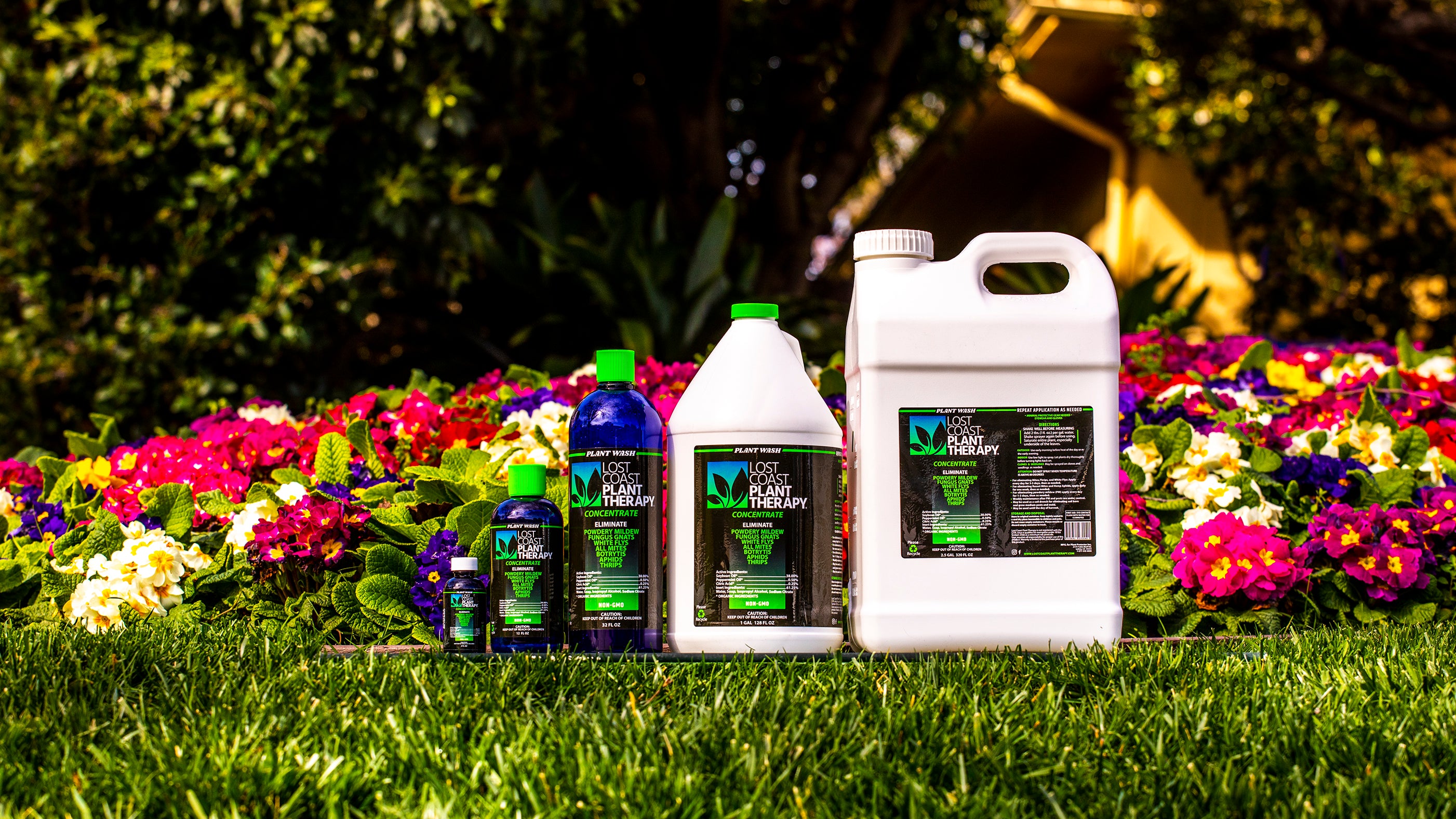
12 oz Lost Coast Plant Therapy Concentrate bottle
Lost Coast Plant Therapy

12 oz

Mixes with water to create 12 gallons of application spray.

Buy now
32 oz Lost Coast Plant Therapy Concentrate bottle
Lost Coast Plant Therapy

32 oz

Mixes with water to create 32 gallons of application spray.

Buy now
1 Gallon Lost Coast Plant Therapy Concentrate bottle
Lost Coast Plant Therapy

1 Gallon

Mixes with water to create 128 gallons of application spray.

Buy now
2.5 Gallon Lost Coast Plant Therapy Concentrate bottle
Lost Coast Plant Therapy

2.5 Gallon

Mixes with water to create 320 gallons of application spray.

Buy now