Skip to content
Plant symptom guide

Why are my plant leaves curling?

Curling is a signal, not a single diagnosis. This guide helps you read what your plant is telling you, narrow the likely cause, and decide what to do next, whether the culprit is heat, water, roots, pests, or disease.

Curled plant leaves being inspected for the cause
The short answer

Plant leaves curl when something pushes the leaf out of balance, most often environmental stress, a watering or root problem, sap feeding pests, a plant disease, or recent contact with a spray or herbicide. The direction of the curl is a useful clue, but on its own it is not enough to name the cause.

A curled leaf is the plant reacting, and the reaction looks similar whether the trigger is a heat wave, dry roots, a colony of aphids, or herbicide drift. To read it properly, we look at more than the shape. Notice which leaves are affected, how fast the change appeared, whether the newest growth or the oldest leaves went first, whether the soil is wet or dry, and what changed in the days before the symptom showed up.

The one habit that solves most cases

Before you treat anything, ask what changed recently. A heat wave, a missed watering, a fresh transplant, a feeding, a nearby spray, or a new plant brought into the room. The answer to that question narrows the field.

Start with the decoder to match what you see, then use the observation framework and cause library to separate a stressed plant from an infested one.

🌡️ Environment
💧 Water & roots
🐛 Pests
🍃 Disease & sprays
Leaf curl decoder

The leaf curl decoder.

Pick the pattern that looks most like your plant. Each result narrows the likely causes, shows what evidence supports the diagnosis, and tells you what to inspect next.
Before you treat

Six things to notice before you treat.

These observations do more diagnostic work than the curl direction by itself. Compare the whole pattern before choosing a response.
01

Which leaves

Old or new?

Older, lower leaves curling first leans environmental. When only the newest growth twists and stalls, look harder for pests in the growing tip or for herbicide exposure.

02

How fast

Overnight or over weeks?

A sudden change across the whole plant usually tracks a weather event. A slow, spreading pattern that worsens leaf by leaf is more typical of pests or disease.

03

The pattern

Uniform or patchy?

Environmental stress tends to hit the whole plant or a whole exposed side evenly. Pest damage usually clusters in hotspots and spreads in an irregular pattern.

04

What comes with it

Clean or not?

Look for sticky residue, webbing, silvery scars, dark specks, cast skins, or yellowing. A clean, evenly green curled leaf points away from insects.

05

The root zone

Wet or dry?

Push a finger into the soil at depth. Soft curl over soggy soil suggests overwatering. Crisp curl over bone-dry soil suggests thirst.

06

What changed

The big one.

A heat wave, a transplant, a feeding, a nearby spray, or a new plant in the room. Recent change is one of the most useful clues you have.

Compare the pattern

Pest curl or environmental curl?

Use the whole plant pattern, the leaf age, and the evidence around the curl to decide which direction deserves the closest look.
What to compare Environmental curl Pest-related curl
Pattern across the plant Uniform, whole plant or a whole exposed side reacts together Patchy and clustered, spreading in irregular hotspots
First to show it Often older, lower, or most exposed leaves Often the newest growth where tender tissue is fed on
Insects present None visible, even under a lens Insects, cast skins, or eggs on undersides and tips
Sticky residue None Honeydew shine, ants, or black sooty mold
Webbing or scarring Surface stays clean and evenly green Fine webbing, stippling, silver streaks, or bronzing
Timing Tracks a heat wave, wind, transplant, or watering change Builds over days to weeks and keeps worsening
Nearby plants Similar plants in similar spots often react the same way Spread jumps from plant to plant, sometimes across species

Pattern across the plant

Environmental curl Uniform, whole plant or a whole exposed side reacts together
Pest-related curl Patchy and clustered, spreading in irregular hotspots

First to show it

Environmental curl Often older, lower, or most exposed leaves
Pest-related curl Often the newest growth where tender tissue is fed on

Insects present

Environmental curl None visible, even under a lens
Pest-related curl Insects, cast skins, or eggs on undersides and tips

Sticky residue

Environmental curl None
Pest-related curl Honeydew shine, ants, or black sooty mold

Webbing or scarring

Environmental curl Surface stays clean and evenly green
Pest-related curl Fine webbing, stippling, silver streaks, or bronzing

Timing

Environmental curl Tracks a heat wave, wind, transplant, or watering change
Pest-related curl Builds over days to weeks and keeps worsening

Nearby plants

Environmental curl Similar plants in similar spots often react the same way
Pest-related curl Spread jumps from plant to plant, sometimes across species
Cause library

The leaf curl cause library.

Open the cause that best matches your plant, then compare its pattern, timing, root-zone clues, and recovery signs before you act.
Heat, light & air Heat, sun, dry air, and wind The most common reason garden and indoor leaves cup upward. +
How it looks Leaves cup or roll upward and stay a normal green, often feeling thick or leathery. The whole plant or a whole sun-facing side tends to react together.
Where it begins Usually the older and most exposed leaves first, during or right after a hot, bright, or windy stretch.
Confused with Physiological leaf roll on tomatoes, which is the same idea. The surface usually stays clean.
What to check Canopy temperature, recent sun and wind, and whether cooler evenings ease the curl. Confirm new growth is still opening normally.
What helps Afternoon shade during heat events, better airflow, mulch to steady the root zone, and deep, consistent watering.
Avoid Reaching for a pest spray. It does nothing for heat and may add stress if applied at the wrong time.
Recovery Mild cases often flatten as conditions settle. Badly curled leaves may stay curled, but healthy new growth is the sign the plant has moved on.

Water & roots Underwatering and thirst Dry roots cannot keep leaves full, so leaves roll to save moisture. +
How it looks Leaves curl inward and may feel limp or crisp at the edges. On houseplants the pot feels light and the soil is dry well below the surface.
Where it begins Often lower leaves first, then upward as the shortage deepens.
Confused with Heat stress, since both are moisture stories. It can also look like overwatering.
What to check Push a finger deep into the soil and lift the pot. Dry at depth and light in the hand confirms thirst.
What helps Water thoroughly until it drains through. For a very dry pot, a bottom soak can rehydrate the root ball.
Avoid Light, frequent sips that only wet the surface and large swings between bone dry and soaked.
Recovery Many plants regain leaf shape after a proper drink. Leaves that were badly crisped may not fully flatten.
Water & roots Overwatering and starved roots Soggy soil suffocates roots, and the leaves show it above ground. +
How it looks Soft, drooping, downward-curling leaves over soil that stays wet. In severe cases roots decline even as you keep watering.
Where it begins Often the whole plant sags. Damaged roots cannot move water efficiently.
Confused with Thirst, because a wilting plant can look similar at a glance.
What to check Is the soil constantly wet? Does the pot drain? A sour smell or dark, mushy roots can point to root rot.
What helps Let the soil dry further between waterings, make sure the pot drains freely, and address root rot if present.
Avoid Watering more in response to wilting without checking the root zone first.
Recovery Depends on how much root was lost. New, healthy growth is the signal that roots are working again.
Water & roots Transplant shock and root disturbance Moving or repotting a plant sets the roots back, and leaves react. +
How it looks Curling and drooping in the days after a transplant or repot while the plant rebuilds contact between roots and soil.
Where it begins Across the plant, timed to the disturbance.
Confused with Watering problems, since the plant is under water stress while roots recover.
What to check Did you move, pot, or disturb the roots recently? Is new growth appearing within a week or two?
What helps Transplant in cooler hours, shade from harsh afternoon sun briefly, and keep moisture steady.
Avoid Heavy feeding or other major changes while the plant is settling.
Recovery Usually good. New growth establishing normally confirms the plant is through the shock.
Soil & nutrition Salt buildup and excess feeding Too much fertilizer or hard water can stress roots. +
How it looks Curling with brown, crispy leaf tips or edges, often on older leaves first, sometimes with a white crust on the soil surface.
Where it begins Tips and margins of older leaves, spreading inward as salts accumulate.
Confused with Underwatering, because high salts can make water uptake more difficult.
What to check Your feeding history, water source, and whether mineral crust is building on the media.
What helps Flush the media appropriately, ease back on fertilizer, and maintain good drainage.
Avoid Adding more fertilizer before confirming a deficiency.
Recovery New growth improves once the root zone is corrected. Existing tip damage remains.
Pests Aphids and sap feeding insects Soft-bodied feeders on new growth that curl leaves and leave a sticky film. +
How it looks Soft, curled, sometimes yellowing new leaves, with clusters of small insects on tender growth and undersides. Sticky honeydew and ants often come with them.
Where it begins Tender new growth and leaf undersides.
Confused with Herbicide distortion until you spot insects, cast skins, or honeydew.
What to check Turn leaves over and inspect new growth for insects, white cast skins, honeydew, ants, and black sooty mold.
What helps Where control is needed, Lost Coast Plant Therapy controls aphids on contact when coverage reaches the colony. Follow current directions.
Avoid Extra nitrogen that pushes excessive tender growth.
Recovery Already curled leaves may stay curled, but new growth returns normal once pressure is controlled.
Pests Thrips Tiny feeders that scar leaves silver and distort new growth. +
How it looks Silvery or bronze streaks and patches, tiny dark specks, and curled or distorted new leaves.
Where it begins Young leaves, buds, and flowers.
Confused with Spider mites, which can also create pale or silvery damage.
What to check Look closely at new growth and flower buds for slender insects and dark frass specks.
What helps Lost Coast Plant Therapy controls thrips on contact when the confirmed target receives thorough coverage. Follow the current label.
Avoid Spraying blindly before confirming thrips are present.
Recovery Damaged leaves keep their scars. Clean new growth signals the population is under control.
Pests Spider, broad, and russet mites Tiny feeders behind stippling, bronzing, and stiff twisted tips. +
How it looks Spider mites bring fine pale stippling and delicate webbing. Broad and russet mites can distort and stiffen new growth.
Where it begins Leaf undersides for spider mites and protected growing tissue for other tiny mites.
Confused with Herbicide injury and other causes of distorted growth.
What to check Use magnification on undersides and growing tips. Tap a leaf over white paper and watch for moving specks.
What helps Lost Coast Plant Therapy controls supported mites on contact. Thorough coverage and current application directions matter.
Avoid Assuming clean surfaces mean no mites. Some are extremely small.
Recovery Distorted leaves stay distorted. Normal new leaves indicate the plant is improving.
Pests Whiteflies and psyllids Sap feeders that can curl, yellow, and stunt plants. +
How it looks Whiteflies scatter when disturbed and leave honeydew. Psyllids can cause curling, yellowing, and stunting.
Where it begins Leaf undersides and new growth.
Confused with Aphids, since both feed on sap and may be associated with honeydew.
What to check Shake foliage and inspect undersides for adults, immature stages, eggs, and waxy material.
What helps Lost Coast Plant Therapy controls supported soft-bodied pests such as whiteflies on contact. For suspected vector-borne disease, use local extension guidance.
Avoid Ignoring a spreading population in warm conditions.
Recovery Feeding damage may improve on new growth once pressure is controlled. Disease-related symptoms may not.
Disease Viral symptoms spread by pests Cupped, pale, or mottled new growth may point beyond simple feeding. +
How it looks New leaves may cup and become pale or mottled, with stunting or abnormal growth.
Where it begins Often the newest growth, then spreading through the plant.
Confused with Herbicide and mite damage.
What to check Whether symptoms spread plant to plant and whether insect vectors are present.
What helps Use crop-specific diagnostic and extension guidance. Controlling confirmed insect vectors can help protect nearby plants.
Avoid Treating the virus itself as though it were a surface pest.
Recovery Virus-infected plants may not recover normally.
Plant habit Normal and variety specific habits Sometimes a curl is simply part of how that plant grows. +
How it looks A consistent healthy curl or fold with no other symptoms.
Where it begins Wherever that plant or variety naturally rolls or folds.
Confused with Stress curl until you notice the plant is otherwise healthy and growing normally.
What to check Is the plant growing, flowering, or fruiting normally despite the curl?
What helps Learn the normal appearance and movement of the plant or variety.
Avoid Treating a healthy plant simply because its leaves are not flat.
Recovery Not needed. This can be normal plant behavior.
A repeatable scouting routine

The five minute plant inspection.

Use the same order every time so you do not miss the growing tip, leaf undersides, stems, or root zone.
Plant leaves being inspected closely with attention to new growth and leaf undersides
01

Start at the growing tips

Look at the very newest leaves. If they are twisting, stalling, or deformed while older leaves are fine, that is an important diagnostic clue.

02

Turn the leaves over

Flip curled leaves and study the undersides. This is where mites, aphids, whitefly stages, eggs, cast skins, and webbing can hide.

03

Read the older leaves

Compare new growth with old. Older leaves curling first with clean surfaces leans environmental. Note yellowing, browning, or crispy edges.

04

Check stems and nodes

Look for insects, sticky honeydew, ants, sooty mold, or unusual tissue. Leaf texture also helps separate soft curl from rigid distortion.

05

Feel the root zone

Push a finger into the soil at depth and lift the pot. Soggy and heavy points toward excess moisture. Bone dry and light points toward thirst.

06

Look around and back

Do nearby plants show the same thing? Think about weather, watering, feeding, a nearby spray, or a new plant. Photograph what you see for comparison.

🍅 Tomato diagnostic center

Why are my tomato leaves curling?

Tomatoes curl their leaves more readily than almost anything else in the garden, and most of the time it is nothing to worry about. The trick is telling the harmless kind from the few cases that matter. Direction, leaf age, and texture do most of the work.

Direct answer

Most tomato leaf curl is physiological leaf roll, a harmless response to heat, uneven watering, heavy pruning, or excess nitrogen. It shows first on lower leaves, which roll upward and feel thick and leathery while staying green, and it does not reduce your harvest. The cases that do matter are herbicide exposure, mites, sap feeding pests, and viruses, which distort or discolor the growth, often at the top of the plant.

Tomato plant foliage showing rolled leaves
Physiological leaf roll usually begins on lower tomato leaves that stay green while rolling upward.
Upward roll

Physiological leaf roll

Lower leaves roll upward while staying green and may feel thick or leathery. Heat, inconsistent moisture, pruning stress, and vigorous nitrogen-fed growth can contribute.

Usually means Environmental stress, not an active pest.
Twisted new growth

Look beyond normal roll

When the newest leaves are twisted, narrow, rubbery, or difficult to flatten, inspect for herbicide exposure, mites, pests, or other growing-tip problems.

Inspect next Growing tips, leaf undersides, and recent spray exposure.
Curl + pest clues

Confirm the feeder

Honeydew, ants, stippling, webbing, silvery scars, cast skins, or live insects move aphids, whiteflies, thrips, and mites higher on the list.

Lost Coast Plant Therapy fit Strong. Lost Coast Plant Therapy controls soft bodied pests on contact.
Should I remove curled tomato leaves?

Usually no. If the curl is physiological leaf roll and the plant is growing and fruiting, leave the leaves alone, since they still feed the plant. Remove only leaves that are clearly diseased. Do not reach for a spray before you have confirmed a supported pest or plant-surface disease.

🌱 New growth diagnostic center
Close-up of tender plant growth being inspected
The growing tip is where small pests may feed first, so distorted new leaves deserve a close look.

Why is the new growth twisted?

There is a good reason to treat twisted new growth differently from older leaves curling after a hot afternoon. Older leaves react to yesterday's conditions. New leaves are forming right now, so when they emerge deformed, something is acting on the plant at its most active point.

When only the newest leaves twist, cup, or stall while older leaves look fine, suspect something feeding in the growing tip or recent herbicide exposure affecting new cells. The usual causes are broad or cyclamen mites, thrips, and aphids clustered in the tip, along with herbicide exposure and viruses. Root stress and cold during leaf formation can also distort new growth.

🔍

Use magnification

Broad mites and other tiny pests may be difficult to see without close inspection of the growing tip.

🍃

Feel the tissue

Rigid, stunted distortion tells a different story from soft, flexible curl on otherwise active growth.

Look for tiny clues

Check for silver streaks, dark specks, honeydew, cast skins, webbing, eggs, or other feeding evidence.

🌱

Check the neighbors

Compare nearby plants. A repeating pattern across several plants can help separate spreading pressure from one-plant stress.

🍑 Special case

Peach leaf curl is its own thing.

If your curling leaves are on a peach or nectarine tree, set aside everything about heat and pests for a moment. Peach leaf curl is a specific fungal disease, not the environmental curl covered above, and it plays by different rules. Blending the two leads people to the wrong fix at the wrong time.

What it is

Peach leaf curl is caused by the fungus Taphrina deformans, which infects peaches and nectarines, and sometimes almonds. In spring, emerging leaves become thickened, puckered, blistered, and tinged red or purple, later developing a whitish bloom before turning brown and dropping. Cool, wet weather as leaves emerge favors infection.

Peach tree foliage showing peach leaf curl
Peach leaf curl distorts and reddens spring leaves. It is a fungal disease, not weather stress.

📅 How to prevent peach leaf curl

Timing is everything. Once leaves show symptoms in spring, it is too late to treat for that season. Prevention centers on the dormant season, before buds swell, along with cleaning up fallen infected leaves. Choose a product labeled for edible fruit, read and follow the label, and lean on local extension guidance for timing in your area.

🌲 What it does to the tree

Peach leaf curl rarely kills a tree outright, but it takes a toll. Early leaf drop forces the tree to grow a second set of leaves, which costs energy, reduces fruit size and number, and can leave the tree more vulnerable to drought and winter injury.

🍑

Can you eat peaches from a tree with leaf curl?

Yes. Fruit from a tree with peach leaf curl is safe to eat. The disease mainly affects leaves and shoots, so most fruit is unaffected. On an occasional peach with corky or distorted patches, cut away the affected area.

Same symptom, different settings.

Leaf curl reads a little differently depending on where the plant lives. The underlying causes are the same, but what to check first shifts with the setting. Pick yours.
🏠

Houseplants

Indoor foliage and potted collections
Check first

Watering and humidity. Indoor curl is often tied to underwatering, dry air, excess heat, or soggy media and struggling roots.

Common trap

Watering more when leaves droop. Feel the soil first because excess moisture and thirst can look surprisingly similar.

Watch for

Thrips, spider mites, aphids, and other pests that can arrive on a newly purchased plant.

Good to know

Some houseplants naturally fold or move their leaves during the day. Learn the plant's normal pattern before assuming a problem.

🥕

Vegetable garden

Tomatoes, peppers, cucumbers, beans and more
Check first

Weather and water. Many vegetable plants curl during heat and moisture stress, especially tomatoes in midsummer.

Common trap

Treating harmless physiological leaf roll as a pest problem before checking for insects or other evidence.

Watch for

Herbicide exposure on sensitive crops, along with aphids, mites, thrips, whiteflies, and virus-like symptoms.

Good to know

Deep mulch and steady watering can reduce large swings in soil moisture and root-zone temperature.

🌷

Flowers & ornamentals

Roses, annuals, perennials and shrubs
Check first

New growth and flower buds. Ornamentals often reveal aphids and thrips around tender shoots first.

Common trap

Assuming every curled leaf is a disease. Sap-feeding pests and environmental stress can create very similar shapes.

Watch for

Honeydew, ants, black sooty growth, webbing, stippling, or silvering that points toward an active pest.

Good to know

Sudden bright light after cloudy weather can stress tender foliage, so introduce stronger light gradually when possible.

🌱

Greenhouse & grow room

Enclosed and controlled growing spaces
Check first

Temperature, humidity, airflow, and root-zone moisture together. Enclosed spaces can shift quickly.

Common trap

Ignoring root-zone buildup or overwatering because the above-ground environment appears controlled.

Watch for

Mites, thrips, whiteflies, and aphids that can multiply quickly in protected growing spaces.

Good to know

Regular scouting makes it much easier to notice the first distorted leaf before a small issue becomes widespread.

🌳

Fruit trees

Peaches, plums, apples, citrus and more
Check first

The tree species and the season. On peaches and nectarines, spring distortion can point toward peach leaf curl disease.

Common trap

Waiting until visible peach leaf curl appears to think about prevention. Its management timing is earlier in the season.

Watch for

Leaf-curling aphids, mites, scale-associated honeydew, and other pest clues that can hide inside dense foliage.

Good to know

Healthy new growth is often a better measure of recovery than whether an old damaged leaf ever becomes flat again.

What to do today.

Curling leaves rarely need a rushed reaction. Work through this order so you either solve the problem or know exactly what deserves closer observation.
01

Steady the obvious stress

If conditions are very hot or bright, offer temporary shade and improve airflow while you diagnose the pattern.

02

Check the root zone

Feel the soil at depth. Do not add more water to a soggy root zone simply because the foliage looks wilted.

03

Inspect new growth

Look closely at growing tips and leaf undersides for insects, cast skins, eggs, honeydew, webbing, or scarring.

04

Isolate when appropriate

If a movable plant appears to have an active spreading pest, separate it from nearby plants while you confirm the target.

05

Do not stack treatments

Avoid applying several products or making several major care changes at once. It becomes difficult to tell what helped.

06

Photograph the pattern

Take clear photos of the whole plant, the newest growth, and several affected leaves so you can compare changes.

07

Match the response

Environmental curl needs changed growing conditions. A confirmed supported pest or plant-surface disease belongs on a different path.

08

Watch what grows next

Healthy new growth is often the clearest sign that the plant has moved beyond the original problem.

Can curled leaves recover?

Healthy fresh plant growth after stress

Do curled leaves flatten again?

Mild heat or moisture curl sometimes relaxes. Tissue that was permanently distorted by feeding, injury, or disease may keep its shape.

Why watch new growth?

New leaves reflect current conditions. If they open normally, the plant is responding even when older leaves remain curled.

Should I remove curled leaves?

Usually not. Green leaves still contribute energy to the plant. Remove tissue when there is a clear sanitation reason rather than just because it is curled.

How long can it take?

Simple environmental stress may improve quickly. Root injury, pest damage, herbicide exposure, or disease can require more time and may leave permanent marks.

How to prevent leaf curl.

Most curling traces back to a handful of repeatable growing conditions. A steady routine makes the plant easier to read and many problems easier to catch early.
💧

Water consistently

Aim for steady root-zone moisture rather than large swings between very dry and very wet.

🟫

Protect the roots

Use well-drained media and containers and avoid unnecessary root disturbance.

🌡️

Manage heat and light

Acclimate plants gradually and provide temporary relief during unusually hot or bright conditions.

🌿

Mulch and space

Mulch helps steady the root zone while good spacing keeps plants easier to inspect.

👁️

Scout regularly

Inspect tender growth and leaf undersides so small pest populations are easier to recognize.

🧹

Keep care simple

Read product directions, clean tools when needed, and avoid unnecessary overlapping treatments.

Where the product belongs

Where Lost Coast Plant Therapy fits.

Lost Coast Plant Therapy works on soft-bodied pests or plant-surface diseases. If the curl comes from heat, watering, root stress, herbicide exposure, a virus, or peach leaf curl timing, use the management path that matches that cause instead. Diagnosis comes first.

Soft-bodied pests Aphids, thrips, spider mites, broad mites, russet mites, whiteflies, and other supported exposed targets.
Plant-surface disease Powdery mildew, mold, Botrytis, and other supported plant-surface disease targets in current product information.
Another diagnosis path Heat, moisture stress, root problems, herbicide exposure, viruses, and peach leaf curl timing require cause-specific care.
Lost Coast Plant Therapy Concentrate with healthy foliage

Build an application routine.

Once you have confirmed a supported pest or plant-surface disease, build the application around direct contact, thorough coverage, and repeat scouting. Old curled leaves may never flatten, so judge progress by active pests, fresh damage, disease activity, and the condition of new growth.

Thorough plant coverage during foliar application
Application routine
Standard mix
Current standard guidance is 1 oz of Concentrate per gallon of water.
Powdery mildew + Botrytis
Current Instructions list 1 oz per gallon daily for 1–3 days, then as needed.
Extreme infestation
Current Instructions list 1–3 fl oz per gallon every other day for 7–10 days, then as needed.
Outdoor timing
Use early morning before the heat of the day or at dusk. Best when air temperature is 80°F or less.
Indoor timing
Use under low light and allow plants to dry thoroughly before lights go back on.
Coverage
Direct contact matters. Saturate the plant thoroughly, including leaf undersides and sheltered tissue.
Mixing + agitation
Shake the Concentrate well before measuring and agitate the mixed sprayer during application.
Plant sensitivity
Test on a small area or plant first when plant sensitivity is uncertain and follow the current label.
Harvest
Current Instructions state that Lost Coast Plant Therapy may be used until the day of harvest when used as directed.
Common questions

Common leaf curl questions.

These are the questions gardeners ask most often once they notice a leaf starting to roll, cup, or twist.

Healthy plant foliage after a leaf curl diagnosis
Why are my plant leaves curling upward? +

Upward cupping is most often a response to heat, bright light, or moisture stress. By rolling up, the leaf reduces exposed surface and slows water loss. Check recent weather, soil moisture, and whether the newest growth is opening normally.

Why are my plant leaves curling downward? +

Downward curling can come from excess moisture, root stress, salt buildup, or other plant stress. On sensitive crops, unusual rigid distortion can also follow herbicide exposure. Check the root zone and recent growing conditions first.

What is the most common cause of leaf curl? +

Environmental stress, especially heat and inconsistent moisture, is one of the first things worth ruling out. Pests, disease, roots, and recent spray exposure can create similar symptoms, so the surrounding evidence matters.

Can overwatering or underwatering cause leaves to curl? +

Yes. Both can interfere with the plant's ability to keep leaves properly hydrated. Feel the soil at depth before deciding which one you are dealing with because adding water to an already saturated root zone can make the problem worse.

Why are only the new leaves twisted? +

Twisted new growth deserves a closer inspection because those leaves are forming right now. Pests in the growing tip, herbicide exposure, viruses, root stress, and cold during leaf formation can all distort tender tissue.

What pests cause curled leaves? +

Aphids, thrips, spider mites, broad mites, russet mites, whiteflies, and other sap-feeding pests can contribute to curling or distorted growth. Look for live pests, cast skins, honeydew, webbing, stippling, or silvering.

Why are my tomato leaves curling? +

Many tomatoes develop physiological leaf roll during heat, inconsistent watering, pruning stress, or vigorous growth. It often starts on lower leaves that stay green. Distorted new growth, discoloration, insects, honeydew, or other unusual clues deserve closer inspection.

How can I prevent peach leaf curl? +

Peach leaf curl management is timed before visible spring symptoms. Once curled, reddened leaves appear, prevention for that infection period has already passed. Follow local extension guidance for dormant-season timing and care.

Sources & further reading.

Independent horticultural guidance Official product information
University of Missouri IPM

Tomato physiological leaf roll, contributing conditions, and diagnostic context.

Washington State University Hortsense

Tomato physiological leaf roll and how to distinguish it from more serious problems.

UC Statewide IPM Program

Environmental tomato leaf roll and the growing conditions associated with it.

UC Agriculture and Natural Resources

Diagnostic context for curling tomato foliage and lookalike causes.

University extension peach leaf curl guidance

Peach leaf curl symptoms, disease timing, and dormant-season management context.

Lost Coast Plant Therapy Instructions

Current application rates, timing, coverage, mixing, plant-sensitivity, and harvest guidance.

Lost Coast Plant Therapy How It Works

Current product information about contact coverage, supported pests, and plant-surface disease targets.

Lost Coast Plant Therapy Cornell Trial Results

Independent product-performance trial information and tested targets.

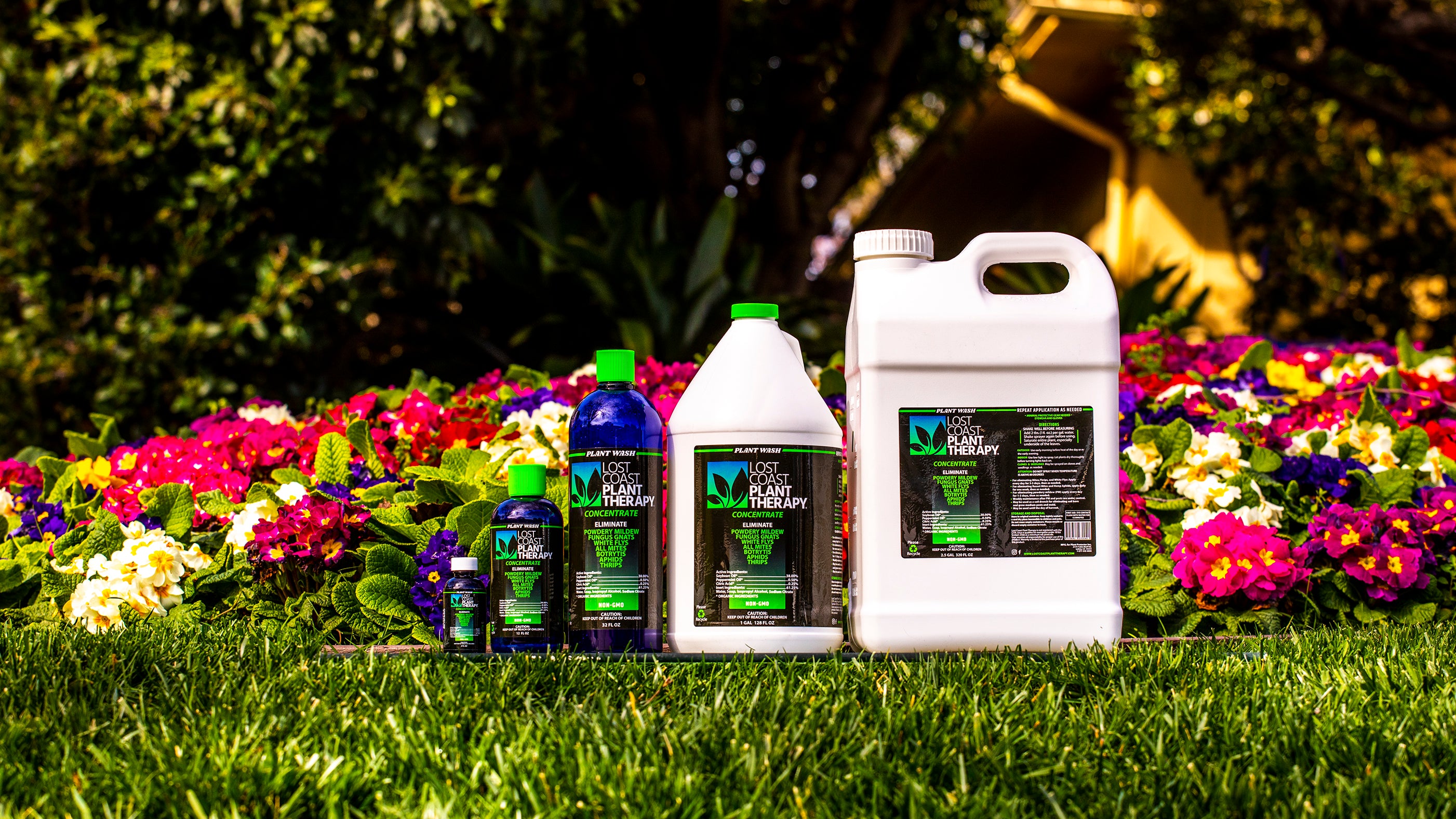
Choose your size.

Choose the Concentrate size that matches the amount of ready-to-use spray you normally need for your plants.
12 oz Lost Coast Plant Therapy Concentrate
Concentrate

12 oz

Makes up to 12 gallons of ready-to-use spray at the standard 1 oz per gallon mix.

Shop 12 oz
32 oz Lost Coast Plant Therapy Concentrate
Concentrate

32 oz

Makes up to 32 gallons of ready-to-use spray at the standard 1 oz per gallon mix.

Shop 32 oz
One gallon Lost Coast Plant Therapy Concentrate
Concentrate

1 Gallon

Makes up to 128 gallons of ready-to-use spray at the standard 1 oz per gallon mix.

Shop 1 gallon
2.5 gallon Lost Coast Plant Therapy Concentrate
Concentrate

2.5 Gallon

Makes up to 320 gallons of ready-to-use spray at the standard 1 oz per gallon mix.

Shop 2.5 gallon