
Pepper pest diagnostic guide
Tiny bugs on pepper plants. How to identify aphids, whiteflies, thrips & spider mites.
Sticky leaves, curled new growth, pale stippling, silver scars, tiny flying insects, and webbing all point in different directions. This guide helps you identify the pest first, then choose the next step with confidence.

Start here
What are the tiny bugs on my pepper plant?
Start with where the insect is hiding and what the newest damage looks like. On peppers, those two clues usually narrow the field faster than color alone.
Aphids commonly crowd tender new growth and leaf undersides, where heavy feeding can curl young leaves and leave sticky honeydew. Whiteflies are easiest to notice when adults flutter up after foliage is disturbed, but the immature stages stay attached underneath leaves. Thrips can leave silvery scarring, black specks, and distorted foliage or flowers. Spider mites often reveal themselves through fine pale stippling, bronzing, and webbing before the mites are obvious.
Direct answer: If your pepper plant has tiny bugs, check the tender center, leaf undersides, flower buds, lower canopy, and soil line before you spray anything. A contact treatment only makes sense after you know what is there and whether you can reach it.
Pepper Pest Finder
What kind of damage do you see?
Choose the closest match. The result gives you the most useful branch, the next place to inspect, and whether Lost Coast Plant Therapy belongs in that diagnosis.
Compare quickly
Pepper pest comparison matrix.
| What you see | Likely branch | Where to inspect | Damage clue | Product fit? | Next step |
|---|---|---|---|---|---|
| Soft clusters + sticky leaves | Aphids | New growth, stems, undersides | Curling, honeydew, yellowing | Yes | Aphid guide |
| Tiny white insects fly up | Whiteflies | Leaf undersides | Honeydew, stunting, sooty growth | Yes | Whitefly guide |
| Silver scars + dark specks | Thrips | Flowers, young leaves, folds | Scarring, puckering, distorted tissue | Yes | Thrips guide |
| Stippling + fine webbing | Spider mites | Leaf undersides, lower canopy | Bronzing, yellowing, webbing | Yes | Spider mite guide |
| Tiny flies at potting mix | Fungus gnats | Moist container media | Adults near soil; larvae in damp media | Yes | Check moisture + gnat guide |
| Large holes or fruit entry | Chewing pest | Leaf edges, fruit, night check | Missing tissue, frass, tunnels | Usually no | Identify the chewer |
Pepper plant inspection map
Look where the pest actually feeds.

New growth
Aphids, thrips, broad-mite-type distortion, fresh curling, and honeydew.
Leaf undersides
Whitefly nymphs, spider mites, aphids, eggs, webbing, and cast skins.
Flowers + buds
Thrips can shelter inside blossoms where casual spraying misses them.
Stems + branch joints
Aphid colonies, crawlers, sheltered insects, and sticky residue.
Lower canopy
Older stippled leaves, mites, whiteflies, disease clues, and hidden chewing.
Soil line + media
Fungus gnats in damp starts, cutworms, root-zone stress, and fallen debris.
Developing fruit
Thrips scars, stink-bug pinpricks, weevil or caterpillar damage, and sunscald lookalikes.
Sticky traps
Use them to monitor movement of aphids, thrips, whiteflies, and psyllids, then inspect the plant itself.
The four pests to check first
Tiny bugs on peppers do different damage.

Sticky leaves • curled tips • colonies
Aphids on pepper plants
Green peach aphid is one of the common aphids found on peppers. Large numbers collect on leaf undersides and around young tissue. Heavy feeding can turn leaves yellow, curl them downward and inward, and leave honeydew on foliage and fruit. Pepper seedlings and young plants can be hit especially hard.
Where Lost Coast Plant Therapy fits: Aphids are a supported pest. Thoroughly cover the colony, tender growth, stems, and leaf undersides so the product reaches the insects.

Flying adults • honeydew • underside nymphs
Whiteflies on pepper plants
Brush the plant lightly. If tiny white insects rise and settle back beneath the leaves, whiteflies move high on the list. Adults are easy to notice once disturbed, while nymphs stay attached underneath leaves. Heavy feeding can leave honeydew, sooty growth, stunting, poor growth, and leaf drop.
Where Lost Coast Plant Therapy fits: Whiteflies are a supported pest. Coverage of the underside matters because that is where the immature stages remain and feed.

Silver scars • black specks • flower damage
Thrips on pepper plants
Thrips are tiny enough to hide inside blossoms and folded tissue, so the damage often gives them away first. On peppers, feeding can distort foliage and cause leaves to curl or pucker. Silver or bronze scars and tiny dark specks around flowers, young leaves, or developing fruit strengthen the diagnosis.
Where Lost Coast Plant Therapy fits: Thrips are a supported pest. Reach the insects in flowers, folds, leaf undersides, stems, and other sheltered feeding sites.

Pale stippling • bronzing • fine webbing
Spider mites on pepper plants
Spider mites are often discovered through leaf damage rather than a clear view of the mite. Start with pale stippling, then check underneath. As pressure builds, leaves may bronze, yellow, or decline, and fine webbing can develop where mites feed. Magnification helps confirm the live pest.
Where Lost Coast Plant Therapy fits: Spider mites are a supported pest. Saturate leaf undersides, veins, stems, and visible webbing so the spray contacts the mites.
Cornell tested active thrips pressure.
Independent greenhouse trials conducted by Cornell University’s College of Agriculture and Life Sciences evaluated Lost Coast Plant Therapy against western flower thrips. The dedicated trial page reports 95% +/- efficacy against total western flower thrips and all soft bodied insects.

Read the damage pattern
What pepper leaf symptoms usually mean.
A single symptom is rarely enough to identify a pepper problem. Compare the damage with the hiding place, the newest affected tissue, and whether a live pest is still present.
Sticky pepper leaves
Follow the honeydew upward. Aphids and whiteflies are common sources. Look for colonies, whitefly nymphs, ants, and black sooty growth.
Curled pepper leaves
Check aphids, thrips, and broad mites, then compare against heat, water stress, herbicide injury, and virus symptoms. Curl alone is not enough.
Speckled or stippled leaves
Spider mites rise on the list when pale dots repeat across leaves. Use magnification underneath and look for webbing or moving mites.
Silvery pepper leaves
Thrips feeding often leaves a scraped, silvered surface with tiny black specks. Physical abrasion and sun injury can mimic parts of the pattern.
Webbing on pepper plants
Fine webbing that hugs the leaf surface supports spider mites. A larger organized spider web may belong to a beneficial predator instead.
Tiny white bugs underneath
Whiteflies are likely when adults flutter up and the underside holds attached immature stages. Check whether the material moves before assuming.
Holes in pepper leaves
Missing tissue points toward a chewer: flea beetles, caterpillars, cutworms, leafrollers, slugs, or another pest outside the aphid-and-mite branch.
White powder
Patchy powdery growth is a disease clue. Powdery mildew can enlarge on lower pepper leaf surfaces and sometimes the upper surface.
Powdery Mildew guide →
Container and seedling clue
Tiny flies near the soil need a different check.
Fungus gnats stay close to damp organic media. They are much more likely around indoor starts, greenhouse seedlings, or container peppers with consistently moist potting mix than on a dry outdoor bed.
Watch where the insect returns after it flies. Whiteflies return to foliage. Fungus gnats hover near the media surface and lay eggs in damp organic material. If fungus gnats are present, the moisture pattern is part of the diagnosis, even when a pest treatment is also needed.
Disease and stress lookalikes
Some pepper problems are not insects.
A pest can be present on the same plant as a disease or growing problem, so inspect the pattern instead of forcing every symptom into one explanation.

Bacterial spot
Water-soaked spots that later turn brown need disease management, sanitation, and local guidance rather than an aphid treatment.

Mosaic and virus symptoms
Patchy mosaic, severe distortion, shortened internodes, stunting, or rosette-like growth can point toward virus problems. Aphids or thrips may vector some viruses, but controlling the insect does not reverse infected tissue.

Sunscald
Fruit directly exposed to strong sun can develop pale or necrotic areas. Foliage loss can make sunburned fruit more likely.

Blossom-end rot
A dry, sunken lesion at the blossom end is a physiological problem tied to calcium availability in developing fruit. It is not an insect feeding pattern.

Root and crown problems
Whole-plant wilt plus dark, water-soaked stem or crown lesions points toward a root-zone or disease problem. Adding more foliar spray does not correct poor drainage or damaged roots.

Nutrient or application stress
General chlorosis, distorted growth, or injury that follows an application can mimic pest damage. Review timing, concentration, watering, and new growth before diagnosing insects.
Lost Coast Plant Therapy works
Lost Coast Plant Therapy controls soft bodied pests on contact. On peppers, the strongest fits on this page are aphids, whiteflies, thrips, spider mites, fungus gnats, and powdery mildew.
Because contact is the mechanism, the spray has to reach the target. That means leaf undersides for whiteflies and mites, tender growth for aphids, sheltered flowers for thrips, and affected plant surfaces for powdery mildew.
Strong fit
Aphids, whiteflies, spider mites, thrips, fungus gnats, and confirmed powdery mildew when current directions fit.
Another approach
Chewing pests, weevils, fruit borers, viruses, bacterial spot, blossom-end rot, sunscald, and root damage.

Application matters
Full coverage means reaching where pepper pests hide.
Lost Coast Plant Therapy controls supported pests on contact, so the application has to reach the insect or mite. A quick pass over the top leaves misses several of the most important feeding sites on a pepper plant.
For mixing, use 1 to 3 fl oz of Concentrate per gallon of water, starting with the lowest amount. When spraying outdoors, apply in the early morning before the day heats up or around dusk, ideally when temperatures are 80°F or below. For indoor plants, apply under low light and give the foliage time to dry completely before the lights come back on.
You can check your label or our Instructions page before applying. to learn more about mixing rates, repeat applications, temperature, plant sensitivity, and when a stronger mix may be appropriate.

Aphids
Coat colonies around tender shoots, buds, stems, and curled leaves.

Whiteflies
Reach the underside where attached nymphs and eggs remain.

Thrips
Open the canopy and reach flowers, folds, buds, and sheltered tissue.

Spider mites
Saturate leaf undersides, veins, stems, and visible webbing.
How to treat tiny bugs on pepper plants.
Diagnosis comes first. Once you know the problem is a soft bodied pest or mildew, build the Lost Coast Plant Therapy application routine around the pest’s hiding place, complete contact coverage, and repeat scouting rather than treating by appearance alone.

Treatment
decision
1
Identify the pest
Use the damage, hiding place, live insect, and magnification before choosing a treatment.
2
Inspect every hiding place
Check leaf undersides, tender centers, blossoms, stems, lower foliage, and the soil line.
3
Remove badly damaged material
When appropriate, take out heavily infested or dead leaves so the remaining plant is easier to inspect and cover.
4
Check application conditions
Read the current label for temperature, light, concentration, plant sensitivity, and crop-use directions.
5
Cover the actual pest
Contact control depends on reaching the insect, mite, eggs, larvae, or active disease growth directly.
6
Repeat based on pressure
Protected stages or insects missed during the first pass can become visible later. Follow current repeat-use guidance.
7
Recheck new growth
Old scars stay visible. Judge improvement by fewer live pests and cleaner new leaves, flowers, and fruit.
8
Keep monitoring
Use plant inspection and sticky traps together so new aphid, thrips, whitefly, or psyllid movement does not surprise you.
Monitoring flying pests
Sticky traps tell you who is moving.

Use traps as an early warning
Pepper monitoring guidance uses sticky traps to track movement of green peach aphids, thrips, whiteflies, and tomato psyllids.
Then inspect the plant
A trap tells you an insect is moving through the area. It does not show how many nymphs, mites, or eggs are hiding underneath leaves.
Watch changes over time
Replace traps as needed and compare fresh catches with live pest pressure on the plant rather than reacting to one old trap.
Mites need a different tool
Spider mites are better confirmed with leaf-underside inspection, magnification, or tapping leaves over white paper.
Keep scouting
How to keep pepper pests from getting ahead of you.
Inspect weekly
Turn over leaves and check tender centers before damage is obvious from across the garden.
Use sticky traps
Watch aphid, thrips, whitefly, and psyllid movement, then verify live populations on the plant.
Inspect new starts
Check transplants and nursery plants before they join the rest of the pepper patch or greenhouse.
Remove severe hot spots
Take out badly infested leaves or dead plant material when removal improves scouting and sanitation.
Manage weeds and volunteers
Nearby host plants can shelter pests and virus sources, so keep the immediate area under observation.
Avoid chronic plant stress
Watering, airflow, heat, and root health affect how well a pepper tolerates feeding and recovers afterward.


Common pepper pest questions
Questions gardeners ask.
These are the follow-up questions that usually come after someone notices bugs, sticky leaves, curling, stippling, flying insects, or fruit damage on a pepper plant.

What are the tiny bugs on my pepper plants? +
The most common small pests to check for are aphids, whiteflies, thrips, and spider mites. Start with location and damage. Aphids often cluster on tender growth and leaf undersides. Whitefly adults lift off when foliage is disturbed while nymphs stay underneath leaves. Thrips can leave silvery scarring and dark specks around new leaves, flowers, or fruit. Spider mites usually show up first as fine pale stippling, bronzing, or webbing.
What are the tiny white bugs under my pepper leaves? +
Tiny white insects under pepper leaves are often whiteflies, especially when adults flutter up after the plant is disturbed. Whitefly nymphs remain attached beneath leaves and can be harder to see. Pale aphid cast skins, mealybugs, residue, or eggs can also look white, so check whether the material moves, whether adults fly, and whether sticky honeydew is present.
Why do bugs fly up when I touch my pepper plant? +
A cloud of tiny white insects lifting from the foliage is a classic whitefly clue. Thrips and leafhoppers can also move quickly when disturbed, but they do not create the same white fluttering cloud. Turn over several leaves immediately after disturbing the plant and look for whitefly nymphs, eggs, honeydew, or sooty growth.
What causes sticky leaves on pepper plants? +
Sticky pepper leaves often mean honeydew from sap-feeding insects. Aphids and whiteflies are common pepper pests that produce honeydew. Check the tender center of the plant, stems, and leaf undersides for live insects, pale shed skins, ants, and black sooty growth that can develop on the sugary residue.
Why are my pepper leaves curling? +
Curling can come from aphids, thrips, broad mites, viruses, heat, water stress, herbicide injury, or other problems. Aphid feeding can curl young leaves downward and inward. Thrips can distort and pucker foliage. Broad-mite damage can also cause wrinkled, downward-curled pepper leaves. Look for the pest or another specific clue before treating.
What causes yellow speckles on pepper leaves? +
Fine pale or yellow stippling often points toward spider mites or another piercing feeder. Spider mites are easiest to confirm on leaf undersides with a hand lens. As pressure increases, leaves can bronze, yellow, or develop webbing. Thrips can also create pale feeding scars, but their damage is usually more silvery or scraped looking.
How do I know if my pepper plant has spider mites? +
Check the undersides of leaves for tiny moving mites, eggs, fine webbing, and a dusty-looking stippled pattern. Spider mites often become obvious from their feeding damage before the mites themselves are easy to see. Tap a suspicious leaf over white paper and use magnification if needed.
What does thrips damage look like on pepper plants? +
Thrips feeding can distort pepper foliage and cause curling or puckering. On flowers, new leaves, and developing fruit, look for silver or bronze scarring and tiny dark fecal specks. Thrips are small enough to hide in blossoms and folds, so open damaged flowers and inspect sheltered tissue.
Can aphids damage pepper plants? +
Yes. Green peach aphid is a common pepper pest. Heavy feeding can yellow leaves, curl foliage downward and inward, weaken seedlings, and leave honeydew. Aphids can also transmit viruses, which is one reason the presence of aphids and the presence of virus symptoms should be evaluated separately.
Can whiteflies live under pepper leaves? +
Yes. Whitefly adults and immature stages are closely associated with leaf undersides. Adults may fly when the plant is disturbed, while nymphs remain attached and feed. Honeydew, sticky foliage, sooty growth, stunting, and poor growth can accompany heavier populations.
How often should I treat pepper plants for pests? +
The correct interval depends on the pest, pressure, plant condition, and the current product instructions. Contact control works only where the spray reaches the pest, so repeat applications may be needed when eggs, protected stages, or newly emerged insects were missed.
Are holes in pepper leaves caused by aphids or mites? +
Usually no. Aphids and mites remove plant fluids and cells, leaving curling, stippling, bronzing, honeydew, or distortion rather than large missing sections. Fresh holes point more strongly toward caterpillars, flea beetles, cutworms, leafrollers, slugs, or another chewing pest.
When is pepper plant damage not caused by pests? +
Pepper plants can show bacterial spot, virus mosaics, blossom-end rot, sunscald, nutrient stress, herbicide injury, root or crown problems, and other disorders that resemble pest injury. Water-soaked spots, mosaic patterns, fruit-end lesions, or whole-plant wilt deserve a broader diagnosis before spraying.
Can I use Lost Coast Plant Therapy on pepper plants? +
Yes, Lost Coast Plant Therapy can help control soft bodied pests such as aphids, whiteflies, thrips, and spider mites.
Why is complete coverage important on pepper plants? +
Lost Coast Plant Therapy controls supported pests on contact, so the spray has to reach the pest. Pepper plants create sheltered feeding sites under leaves, around branch joints, in new growth, and inside blossoms. Thoroughly inspecting and covering those areas matters more than spraying only the top of the canopy.
Research checked
Sources and further reading.
Independent horticultural guidance
Official product information
UC Statewide IPM Pepper Pest Management Guidelines
for the crop-wide pest and disease list, including aphids, thrips, spider mites, whiteflies, weevils, fruitworms, and diseases.
→
UC IPM Green Peach Aphid on Peppers
for leaf curling, honeydew, underside colonies, virus transmission, and sticky-trap monitoring.
→
UC IPM Whiteflies on Peppers
for honeydew, sooty growth, feeding damage, and underside populations.
→
UC IPM Thrips on Peppers
for pepper host status, thrips monitoring, and sticky-trap guidance.
→
UC IPM General Pepper Pests: Seedling Through Bloom
for spider mites, broad mites, aphids, thrips, whiteflies, chewing pests, viruses, bacterial spot, powdery mildew, and root problems.
→
UC IPM General Pepper Pests: Harvest
for weevil damage, fruitworms, blossom-end rot, sunburn, stink-bug injury, virus symptoms, and fruit damage lookalikes.
→
UC IPM Pepper Preplant Guidance
for field sanitation, reflective mulch, and crop-management context relevant to pest prevention.
→
Lost Coast Plant Therapy Instructions
for current mixing rate, contact-action language, temperature, light, and application guidance.
→
Lost Coast Plant Therapy How It Works
for contact control, supported soft bodied insects, eggs and larvae, and coverage guidance.
→
Lost Coast Plant Therapy Cornell University Trial Results
for the 95% +/- western flower thrips result and five-application greenhouse trial used in this guide.
→
Lost Coast Plant Therapy Aphid Guide
for aphid control and coverage guidance.
→
Lost Coast Plant Therapy Whitefly Guide
for whitefly control and leaf-underside coverage.
→
Lost Coast Plant Therapy Thrips Guide
for sheltered feeding sites and thrips application guidance.
→
Lost Coast Plant Therapy Spider Mite Guide
for mite coverage instructions and webbing-and-underside guidance.
→
Lost Coast Plant Therapy Fungus Gnat Guide
for moist-media clues and product guidance.
→
Lost Coast Plant Therapy Powdery Mildew Guide
for disease-control and coverage guidance.
→
Ready to protect your peppers?

Lost Coast Plant Therapy
Buy now
→
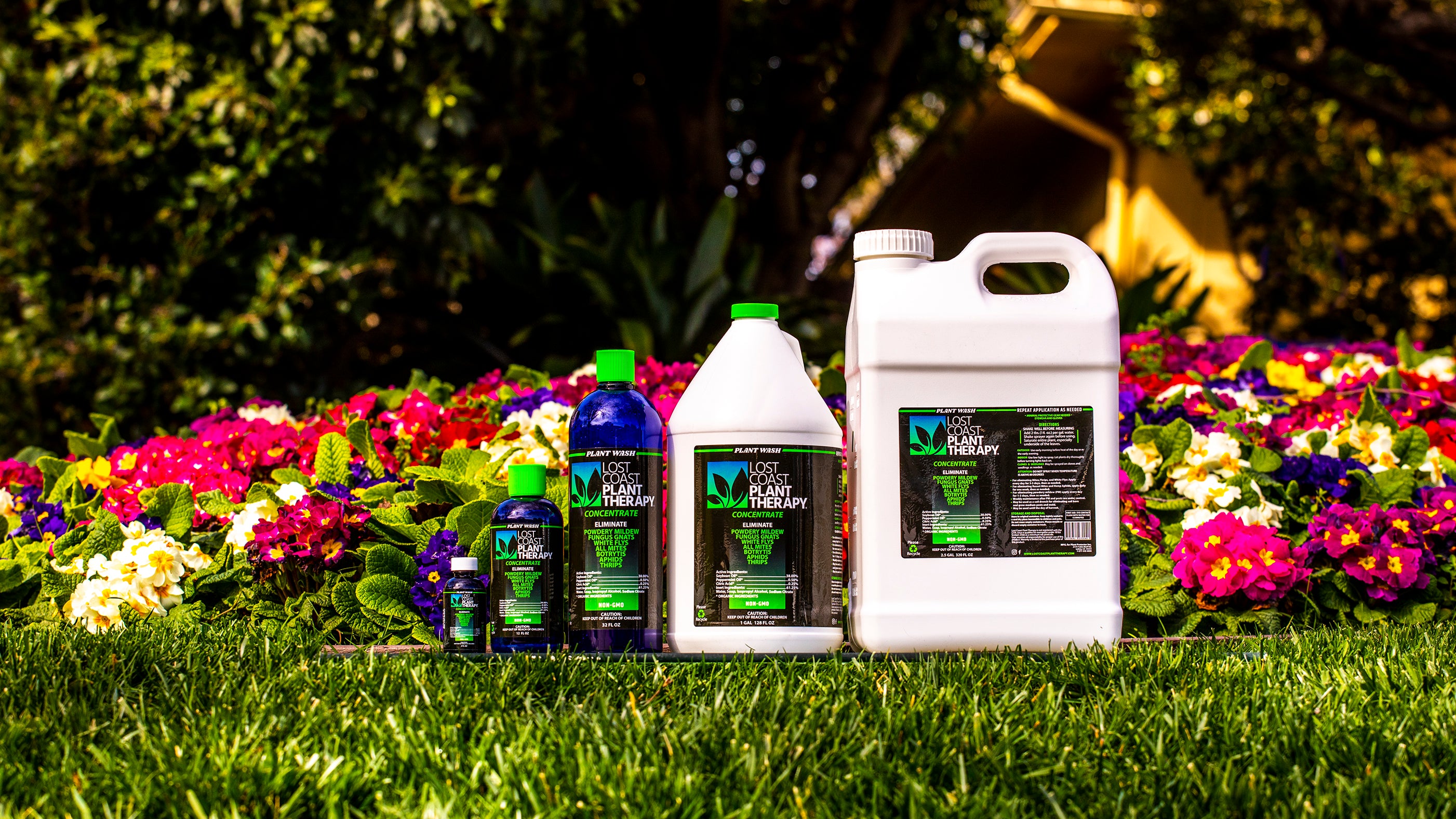
12 oz
Mixes with water to create 12 gallons of application spray.

Lost Coast Plant Therapy
Buy now
→
32 oz
Mixes with water to create 32 gallons of application spray.

Lost Coast Plant Therapy
Buy now
→
1 Gallon
Mixes with water to create 128 gallons of application spray.

Lost Coast Plant Therapy
Buy now
→
2.5 Gallon
Mixes with water to create 320 gallons of application spray.