
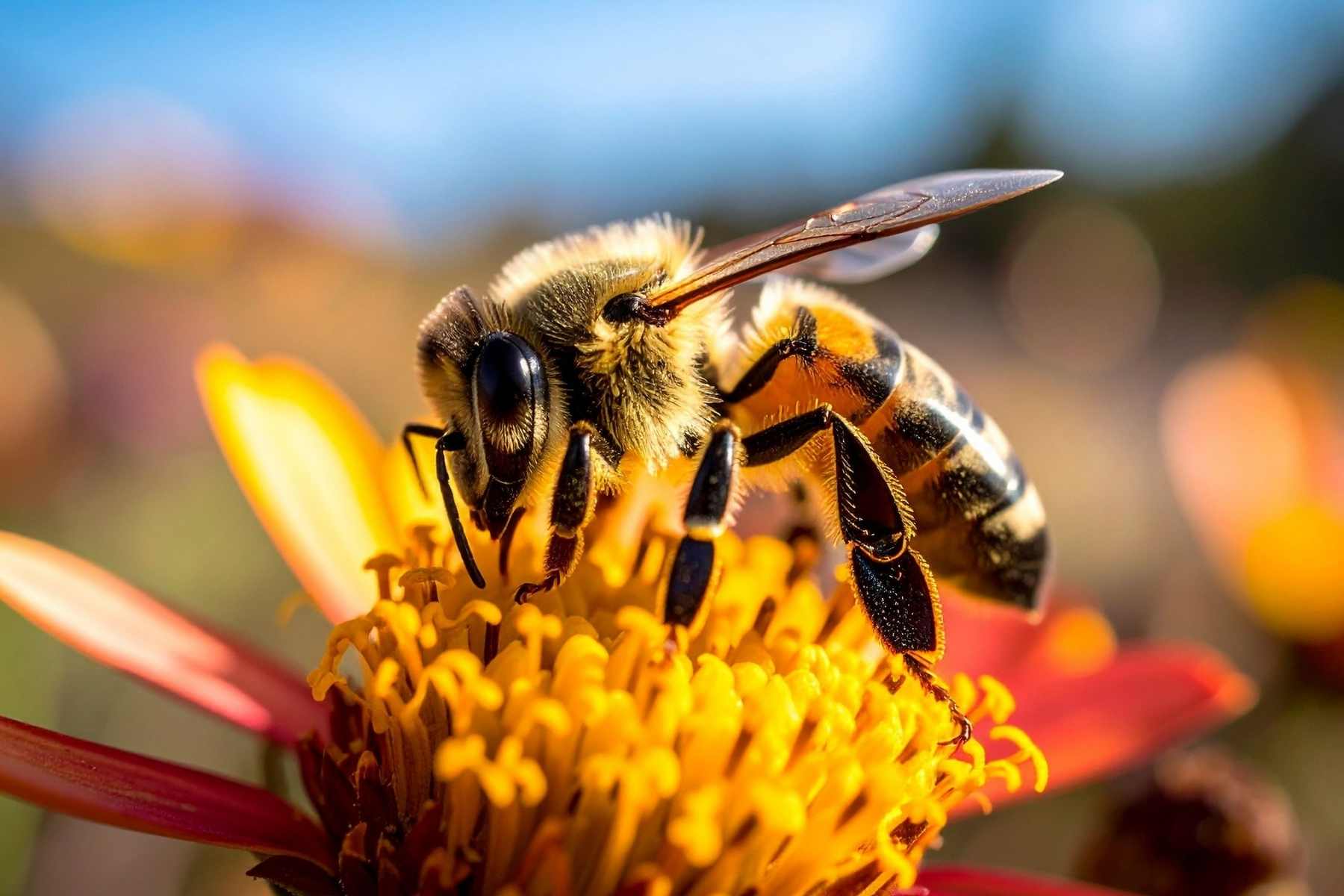
Most of us have had that moment in the garden when everything feels right. Not because it’s perfect, but because it feels alive. Flowers are open. Leaves look strong. Bees move from bloom to bloom, unhurried and focused, doing the quiet work that keeps our gardens thriving. And then, sometimes, we notice the contrast. Fewer bees. Less movement. A strange stillness where there used to be life.
Bees aren’t just pleasant visitors. They’re essential pollinators, and without them, much of what we grow simply wouldn’t exist. Honeybees and native bees help pollinate fruits, vegetables, herbs, and flowers, supporting both our food systems and the beauty of our landscapes. As gardeners, whether we grow in raised beds, containers, or a small backyard, we can play a real role in supporting bee populations.
What makes supporting bees especially important is that they need dependable food at different points throughout the year, not only during peak bloom. That’s where home gardens come in. Even small gardens, planted with the right bee-friendly flowers, can become reliable places where pollinators find what they need exactly when they need it.
In this guide, we’ll cover the best flowers to plant, explain what actually attracts bees, and show how to build a bee-friendly garden that works. The goal is simple, to help your garden become a place where bees feel welcome, supported, and well-fed.

How Bees Forage: Understanding Nectar, Pollen, and What Bees Prefer
When bees forage, they’re collecting nectar and pollen. Nectar is energy, it fuels flight, keeps bees moving from flower to flower, and supports the day-to-day work of the hive. Pollen is protein-rich food. It helps feed developing larvae and keeps the colony strong.
One of the most fascinating things about bees is how consistent they become once they find something worthwhile. When a plant offers a steady source of nectar, bees return again and again, often with such regularity you can almost predict their pattern.
That’s also why a bee garden doesn’t just mean planting anything that flowers. Bees seek out plants that are productive, accessible, and worth the trip.

What Makes a Plant Truly Bee Friendly
It’s easy to assume that if a flower looks beautiful, it must be good for bees. But not all flowers offer the same value to pollinators. What matters most is access, how easily bees can reach the nectar and pollen inside.
Simple, open blossoms are often more attractive to bees than heavily layered or tightly packed blooms. Many modern varieties, especially some non-native ornamentals, are bred for looks rather than function. Extra petals and altered shapes can make it difficult for bees to reach the food they need, even when the flower looks full and healthy.

Bloom structure matters, too. Flowers that open well during the day and offer bees a stable place to land tend to get the most visits. When foraging is easy, bees choose those plants more often, and they keep coming back as long as the blooms keep producing.

Native Bees, Honeybees, and Why Plant Variety Matters
When we talk about bees, honeybees often get the spotlight, but they’re just one part of a much bigger picture. Native bees include hundreds of different species, each with their own sizes, behaviors, and preferences. Some are tiny and solitary. Others are more social. All of them play a role in keeping ecosystems healthy.
Honeybees and native bees don’t always forage the same way. Some native bees prefer smaller flowers or different bloom shapes, and certain species are strongly drawn to specific plants. That’s one reason variety matters so much. When we grow a mix of flower shapes, colors, and plant types, we support more pollinators overall, not just the most visible ones.
Plant variety also benefits other garden visitors we love having around. Butterflies and hummingbirds are drawn to different bloom styles, and gardens with a wider range of plants tend to feel more active and alive. Over time, you notice that diversity doesn’t just add options, it changes the energy of the space.

Perennials vs. Annuals: Building a Bee-Friendly Garden That Comes Back Year After Year
Perennials are the backbone of a pollinator garden. They come back year after year, often growing stronger and more reliable with each season. For bees, perennials become familiar stops, dependable places where nectar and pollen show up right on time. Once established, they require less work from us and provide steady blooms that bees learn to trust. A healthy perennial patch becomes part of a bee’s regular routine.
Annuals play a different, but equally valuable role. They provide fast results, bloom generously, and fill gaps when perennials are still establishing or taking a break. Annuals are especially useful for extending bloom time so something is always flowering. Chosen thoughtfully, they help a garden bloom throughout the season instead of all at once.

From a practical gardening standpoint, mixing both makes everything easier. Perennials provide structure and consistency, while annuals add flexibility. If something struggles one year, annuals can step in and keep the garden lively. Together, they create a balanced system where bees always have something to visit, and gardeners don’t feel like they’re starting from scratch each spring.

Shrubs and Trees: The Overlooked Powerhouses for Pollinators
Flowers get most of the attention in pollinator gardens, but shrubs and trees can be some of the most powerful food sources for bees. A single mature shrub or flowering tree can produce thousands of blossoms, offering far more nectar and pollen than many smaller plants combined.

This is especially important early in the year. When bees begin to emerge, flowering trees like willow can be a lifeline. Willow blooms early and generously, providing one of the first reliable sources of pollen and nectar when little else is available. Plants like Baptisia (false indigo) often do the same work, blooming before garden beds have fully woken up.
What makes shrubs and trees so valuable is scale. While we might notice bees visiting a few flowers at a time, entire hives can depend on these larger plants during critical moments, when energy demands are high and options are limited.

Early-Season Blooms: Feeding Bees When They Need It Most
Early spring is one of the hardest times for bees. As they emerge from winter and begin to forage, food can be scarce. That’s where early-season blooms matter most.
Bulbs like crocus often open when the ground is still cool and the garden looks mostly bare. These early flowers provide vital nectar and pollen just as bees are starting to fly again. Even a small cluster can attract steady bee activity because options are limited.
This is also the moment when plants many people overlook, or even remove, prove their value. Dandelion is a perfect example. While it’s often labeled a weed, dandelion blooms are rich in pollen and nectar, and they appear right when bees need them most.

Late Summer and Late-Season Flowers That Carry Bees Through the Year
Just as spring support is essential, late summer and late-season blooms help bees finish the year strong. As many gardens begin to fade, bees are still working, gathering food to sustain themselves and their hives through cooler months.
Plants like goldenrod and aster become invaluable at this time. Goldenrod often blooms when other flowers slow down, offering abundant nectar during a critical window. Asters, with their daisy-like blooms, provide both pollen and nectar when bees need it most.
These late-season flowers help bees prepare for winter by supplying energy-rich food while reserves are being built. Without them, bees can struggle during the transition from active months to colder weather.
From a gardener’s perspective, late bloomers also keep the garden lively and full of movement when other areas are winding down. They extend the season visually while quietly supporting pollinators right up to the end.

Best Long-Blooming Perennials Bees Love
Perennials, Once established, return year after year, often blooming longer and stronger with time. Bees learn these plants well and come back to them again and again.

Coneflowers (Echinacea)
Coneflowers are a classic for a reason. Their daisy-like shape makes nectar and pollen easy to access, and bees can land comfortably right on the center cone. They bloom for weeks, sometimes months, and come in shades of pink, purple, white, and even soft yellow. Coneflowers are tough, drought-tolerant once established, and part of the daisy family, which bees naturally gravitate toward.

Bee Balm (Monarda)
Bee balm doesn’t just attract bees, the leaves can even be used to make tea. With its bold blooms and aromatic leaves, this plant is impossible for pollinators to miss. Bees flock to it for nectar, while the tubular flowers also appeal to hummingbirds. Bee balm spreads gently over time, filling garden spaces with color and movement.

Lavender
Lavender is one of those plants that feels like it belongs everywhere. Bees are drawn to its scent long before they reach the blooms. The tiny purple flowers are packed with nectar, and the plant blooms steadily in warm weather. Lavender thrives in sunny spots with good drainage and asks for very little once settled.

Black-Eyed Susan (Rudbeckia)
With its bold yellow petals and dark center, this cheerful perennial is highly attractive to bees. It blooms generously through summer and into early fall, offering consistent pollen. Black-eyed Susans are easygoing, adaptable, and a great choice for gardeners who want color without fuss.

Easy Annual Flowers That Attract Bees Fast
Annuals are the spark plugs of a bee-friendly garden. They grow quickly, bloom generously, and don’t require a long-term commitment. When we want color now, or when we’re filling empty spaces while perennials are still settling in, annuals step up beautifully. For bees, these fast bloomers can be an immediate and reliable food source, especially in new gardens or areas that need a boost.

Sunflower
There’s something almost magnetic about a sunflower, for people and bees alike. Bees are drawn to the wide, open faces because they’re packed with pollen and easy to navigate. Instead of hunting for tiny openings, bees can land, turn, and forage efficiently. That makes sunflowers especially valuable when bees are actively feeding throughout the day.
Sunflowers also give gardeners flexibility. Tall varieties create living walls of blooms, while smaller types work well in containers or tucked into vegetable beds. They’re forgiving plants that tolerate heat, inconsistent watering, and beginner mistakes, which means more blooms and more food for pollinators.

Zinnias
Zinnias feel like they were made for gardeners who want success without stress. They sprout quickly, bloom early, and keep going as long as they’re encouraged. Bees love the flat, open centers, which make nectar easy to reach, and the bright colors act like visual signals across the garden.
Zinnias are also excellent for filling your garden with continuous blooms. When other plants take a break, zinnias keep going, helping ensure there’s always something flowering. They fit just as comfortably in formal beds as they do in casual, overflowing spaces.

California Poppy
California poppies may look delicate, but they’re actually pretty resilient. Bees are especially drawn to their simple structure and pollen-rich centers, which offer easy access without wasted effort. These flowers open in the sun and close at night or on cloudy days, matching the rhythm of bee activity.
They thrive in poor soil and dry conditions and once settled in, they often reseed naturally, creating new patches of color year after year.

Bachelor’s Buttons (Cornflower)
Bachelor’s buttons bring a softer, slightly wild look to the garden. Their blue flowers stand out in a sea of greens, making them easy for pollinators to spot. The ruffled petals surround a pollen-rich center that bees can reach without effort.
These flowers bloom early and help bridge the gap between spring and summer. They’re also incredibly easy to grow from seed and don’t mind being tucked into unexpected corners of the garden.

Native Plants That Support Local Pollinators
Native plants have deep relationships with local ecosystems. Over time, native bees have adapted to specific bloom shapes, timing, and nectar types. When we plant native species, we’re offering food sources that pollinators already recognize and know how to use efficiently.

Goldenrod
Goldenrod is one of the most important plants in a pollinator paradise, especially later in the season. When many gardens begin to fade, goldenrod bursts into bloom, offering a rich source of nectar that bees rely on heavily. You’ll often see bees moving quickly from flower to flower, clearly energized by what they’re finding.
Also, despite its reputation, goldenrod is actually not the cause of seasonal allergies. That confusion has kept it out of many gardens, which is a big loss for pollinators.

Aster
Asters are the quiet heroes of the late season. Their star-shaped blooms are filled with nectar and pollen just as bees are preparing for colder weather. Foraging at this time helps bees build reserves and maintain hive strength.
Asters come in a range of colors and sizes, making them easy to integrate into existing gardens. They’re especially valuable because they bloom when options are limited.

Native Indigo (Baptisia)
Indigo brings structure and longevity to a garden. Its early blooms attract bees when they’re first becoming active, and its strong stems hold up well through the season. Native bees are frequent visitors, often covering the flowers during peak bloom.
Once established, indigo is incredibly low-maintenance and long-lived, making it a true investment plant for pollinators.

Flowers That Also Attract Butterflies and Hummingbirds
Some plants naturally become gathering places in the garden. These are the flowers where movement never really stops, bees drifting in and out, butterflies floating through, hummingbirds darting past and doubling back. These plants add motion, sound, and energy, turning a garden into something you don’t just look at, but experience.

Salvia
Salvia's long-lasting blooms keep working for weeks at a time, even in hot weather when other plants slow down. Bees are drawn to the nectar-rich flowers, returning again and again throughout the day, while the tubular shape also makes salvia especially appealing to hummingbirds. Butterflies often linger nearby, creating a steady rhythm of activity that’s hard to miss.

Milkweed
Milkweed is best known for its role in supporting monarch butterflies, but bees benefit from it just as much. The clustered blooms act like landing pads, offering nectar throughout the season. Bees often move in between butterfly visits, sharing the plant rather than competing for it.

Unexpected Bee Favorites You Might Already Have
Some of the most valuable bee plants aren’t always the ones we intentionally choose. They’re the plants that show up on their own, whether we decide to keep them or pull them out.

Clover
Clover is one of the most reliable nectar producers around, and bees know it. When clover is in bloom, bees forage happily, often covering entire patches in minutes. The flowers are easy to access, rich in nectar, and appear in generous numbers, making them efficient food sources.
Beyond supporting bees, clover also improves soil health by fixing nitrogen, which benefits nearby plants. Allowing clover to flower, even briefly, can make a noticeable difference in overall bee activity without disrupting the look of a yard or garden.

Dandelion
Dandelions are one of the first and most important food sources for bees in early spring. Their bright yellow blooms appear right when bees are emerging and options are limited. The pollen they provide helps bees regain strength after winter and supports early hive activity.
Instead of seeing dandelions as a problem, it helps to see them as part of a healthy ecosystem doing its job at exactly the right moment. Even letting them bloom for a short time before removing them can provide meaningful support.

More Bee-Favorite Flowers to Round Out a Truly Bee-Friendly Garden
Bees aren’t picky in the way people sometimes expect, but they are consistent. They return to flowers that offer easy access, dependable nectar and pollen, and long bloom windows. The next group of plants brings in different shapes, scents, and growth habits that help support more bee species and keep your garden active across the season.

Cosmos
Cosmos are light, airy, and constantly in motion, which makes them easy for bees to spot even from a distance. Their open, daisy-like flowers provide clear access to pollen, and they bloom steadily from early summer into fall with very little effort from the gardener.
Bees tend to move methodically across cosmos patches, hopping from bloom to bloom without hesitation. These plants thrive in average soil and don’t need rich conditions to perform well, which makes them ideal for filling open areas where other flowers might struggle.

Borage
Borage is one of those plants that earns instant respect from bees. Its star-shaped, blue flowers refill with nectar quickly, which means bees can visit the same plant multiple times a day. You’ll often see bees lined up, patiently waiting their turn.
Borage grows fast, blooms early, and keeps going through much of the season. It fits easily into vegetable gardens and pollinator beds alike, supporting bees while helping nearby plants thrive.
Fun fact: Borage flowers are edible and taste faintly like cucumber.

Yarrow
Yarrow doesn’t look flashy at first glance, but bees appreciate it deeply. Its clusters of tiny flowers provide many small nectar sources in one place, allowing bees to forage efficiently without flying far.
Yarrow blooms for a long stretch of the season and tolerates heat, drought, and poor soil. It’s especially useful for filling gaps between larger flowering plants and supporting beneficial insects alongside bees.

Catmint (Nepeta)
Catmint is one of the best plants in a pollinator garden. It blooms early, blooms long, and keeps producing flowers even after being trimmed back. Bees are drawn to its soft purple blooms and gentle scent, often covering the plant from top to bottom.

Coreopsis
Coreopsis brings bright, cheerful color with minimal effort. Its simple flower shape and abundant pollen make it especially attractive to bees, and it blooms repeatedly throughout the season when spent flowers are removed.
Bees often visit coreopsis during warm midday hours, when pollen is most available. It’s a reliable bloomer that keeps gardens lively well into late summer.

Anise Hyssop
Anise hyssop smells like licorice and combines everything bees love, long bloom time, abundant nectar, and a strong, sweet scent that carries through the garden. Bees find it quickly and return consistently, making it a dependable food source across many weeks.
This plant also attracts butterflies and adds height and structure to garden beds, helping create layers of interest. You can also use this one to make tea.

Sedum (Stonecrop)
Sedum steps in when other plants are starting to slow down. Its dense clusters of tiny flowers are packed with nectar, and because they bloom later in the season, they become busy gathering spots for bees preparing for cooler weather.
Bees don’t rush sedum, they linger. You’ll often see them moving slowly across the flower heads, taking advantage of the abundance in one place. Sedum is also easy to grow, thrives in dry conditions, and fits well into both ornamental and pollinator-focused gardens.

Russian Sage
Russian sage creates a soft, airy presence in the garden, with tall stems covered in small blue flowers that bloom for weeks. Bees are drawn to both the color and the steady nectar supply, often visiting the plant from top to bottom.
This plant thrives in heat and sun and doesn’t demand much care once established. It also adds movement to the garden, swaying gently and catching the light in a way that makes pollinator activity easy to spot.

Calendula
Calendula brings warm, glowing color with its yellow petals and soft orange tones. Bees are drawn to the open flower centers, where pollen is easy to collect. These flowers bloom generously and keep producing when regularly harvested.
Calendula fits beautifully into vegetable gardens, pollinator beds, and even containers. It’s an easy plant to tuck into open spaces where you want quick color and reliable bee visits and also, petals are edible and often used in salads and herbal preparations.

Gaillardia (Blanket Flower)
Blanket flower is part of the daisy family, which bees naturally gravitate toward. It stands out with bold colors and a relaxed, prairie-style look. Its daisy-like blooms are rich in pollen, and bees are frequent visitors throughout the day.
It thrives in sun and heat and doesn’t require rich soil, making it a good option for tougher spots in the garden. It blooms steadily and helps extend the season of available flowers.

Penstemon
Penstemon adds height and structure with tall spikes of tubular blooms. While hummingbirds are frequent visitors, bees also gather nectar from these flowers, especially early and mid-season.
Penstemon brings a slightly wild, natural feel to garden beds and pairs well with both perennials and annuals. It’s especially useful for adding vertical interest while supporting pollinators at different heights.

Designing a Pollinator Garden That Works in Real Life
After years of watching how bees actually move through a garden, one thing becomes clear quickly, pollinators don’t care how a garden looks from the street. They care about efficiency, access, and whether the effort of flying from one flower to the next is worth the energy it takes.
Clusters of the same plant matter far more than one of everything. When flowers are grouped, bees can work methodically instead of constantly lifting off and reorienting. That saves energy, which leads to more successful foraging and more frequent visits. Even small groupings make a difference. Three or five plants together will consistently outperform single plants dotted around a bed.

Planning for bloom timing matters just as much. A bee-friendly garden isn’t about one big show, it’s about continuity. Over time, we’ve learned to look at the calendar as carefully as we look at the soil. Early bloomers, long-season plants, and late flowers all serve different roles. When one group finishes, another needs to be ready. Gardens that offer steady bloom avoid the feast-and-famine cycle that sends bees searching elsewhere.

Water, Shelter, and Habitat
Flowers are the foundation, but they aren’t the whole story. A garden that truly supports pollinators also meets their other needs... water, shelter, and places where insects can exist without constant disturbance.
Bees need water to regulate their bodies and support the hive, but they can’t land on deep or moving water. Over time, we’ve found that simple solutions work best. A shallow dish filled with stones, gravel, or marbles gives bees a safe place to drink and rest. It doesn’t need to be decorative, just dependable and refreshed often enough to stay clean.
Leaving parts of the garden undisturbed is just as important. Hollow stems, fallen leaves, and small patches of bare ground are habitat. Many bees nest in soil or plant debris, and other beneficial insects rely on those same spaces. When every inch of a garden is cleaned up, those insects have nowhere to go.
Read more on how to attract bees in your garden here.

Protecting Your Plants Without Harming Pollinators
Every experienced gardener knows that healthy plants don’t happen by accident. Stress shows up. Pests appear. Powdery mildew settles in. Conditions shift. The key is choosing responses that protect plant health without undoing the balance we’ve worked to build.
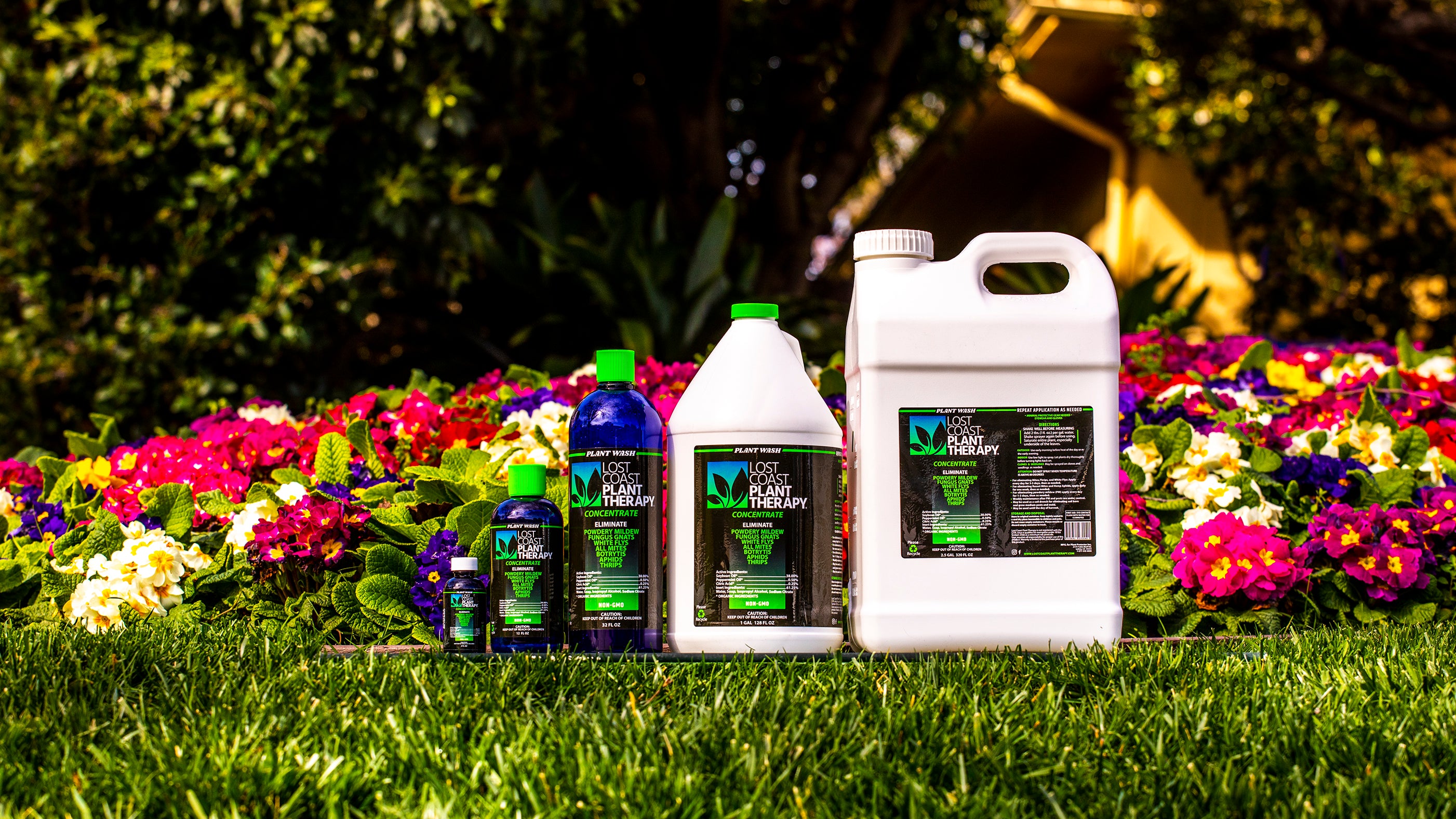
In our own gardens, we reach for Lost Coast Plant Therapy when those moments arise. It’s a minimum risk pesticide offered as a concentrate, and it works as a Natural Plant Protector made with natural and organic ingredients. When used as directed, it controls pests and common plant issues while remaining mindful of bees and other beneficial insects.
See Ingredients here and How it Works here.
What matters to us is having a tool that fits into a pollinator-conscious garden instead of working against it. Being able to respond when problems show up, without disrupting the insects doing good work, helps keep the garden resilient and productive over time.

Conclusion
There’s a moment most gardeners recognize when you pause, stop working, and just listen. The steady hum of bees moving through the garden isn’t background noise. It’s feedback. It tells you the system is working.
Planting bee-friendly flowers is one of the most effective ways we can support pollinators, and it doesn’t require perfection. It requires attention. Paying notice to what blooms when, what gets visited, and what quietly supports life behind the scenes.
Start where you are. Work with what you have. Let the garden change as you learn from it. Over time, the buzz becomes familiar, and that sound is one of the clearest signs your garden is doing exactly what it’s meant to do.

Additional Resources
Planting Pollinator-Friendly Gardens – Penn State Extension
Native Plants & Pollinators – Cornell Cooperative Extension
Some Cultivars of Annual Plants Are Pollinator-Friendly - Michigan State University Extension
Pollinators – Cornell Cooperative Extension Franklin County
Pollinator Gardens – UMD Extension – University of Maryland
Pollinators: Importance – University of Wisconsin–Madison Extension (Wisconsin Horticulture)