
If you’ve ever reached into a container of strawberries and found one covered in soft gray fuzz, or walked into your greenhouse on a cool, humid morning and noticed a plant that looked perfectly healthy the day before now has browning, collapsed flowers, you’ve likely already had a firsthand encounter with botrytis.
Botrytis, also known as gray mold, is one of the most widespread and economically damaging plant pathogens in the world. It affects a huge range of host plants, shows up in nearly every growing environment from backyard gardens to commercial greenhouses, and has a biological toolkit that makes it genuinely difficult to manage as it thrives in the conditions that many of us create without realizing.
We have spoken with a lot of growers who are frustrated by botrytis, and the frustration almost always comes from the same place. They have been treating the symptoms rather than understanding the system. This article is about changing that. We are going to go deep on how botrytis actually works, what makes it so persistent, how to identify it accurately, and how to build a management approach that addresses it at every stage of its lifecycle, not just after it has already taken hold.

What Is the Best Treatment for Botrytis?
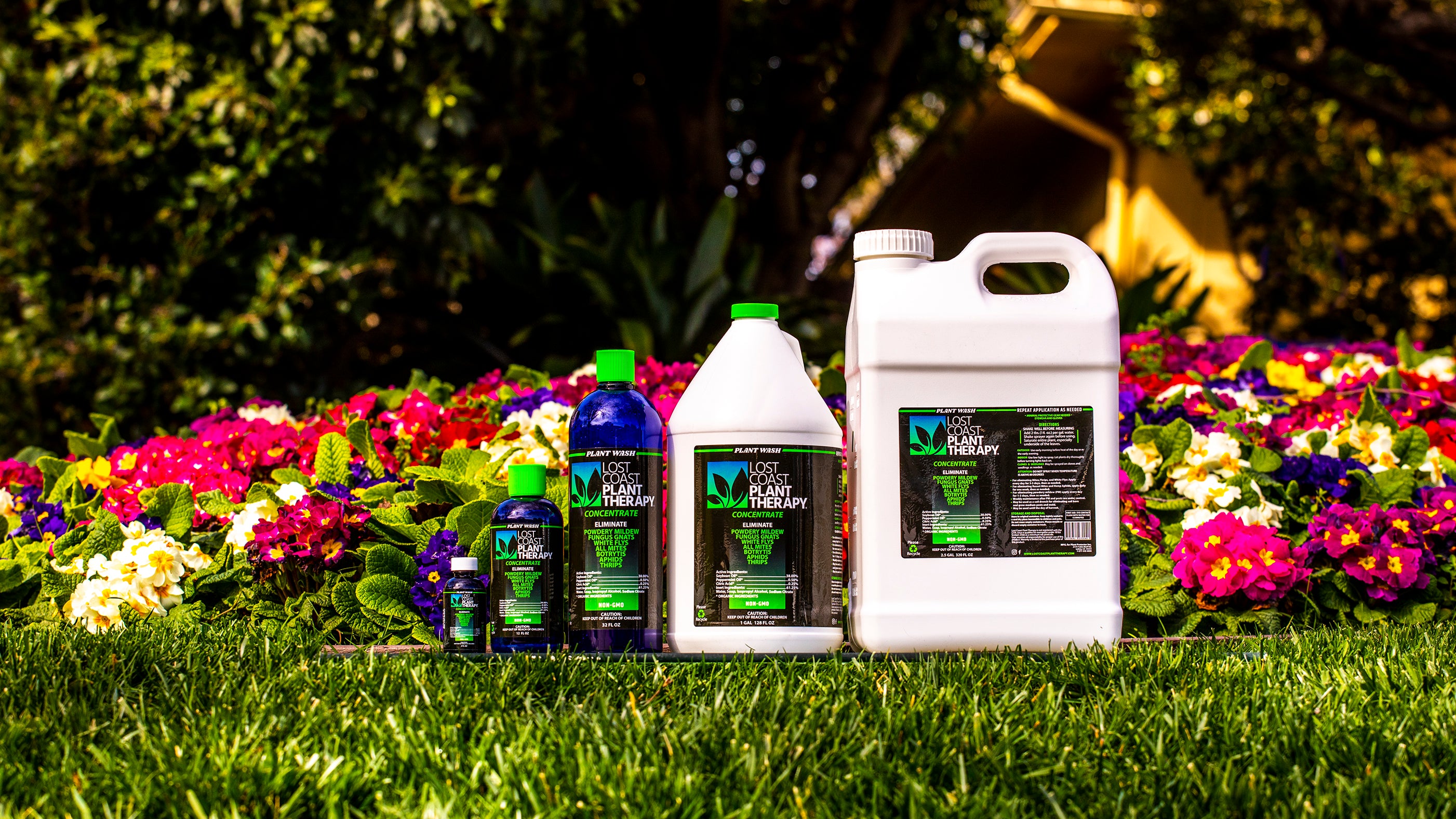
Botrytis is best managed with a contact-based treatment that thoroughly coats plant surfaces, especially in dense or humid areas where gray mold develops. Lost Coast Plant Therapy is a 3-in-1 insecticide, miticide, and fungicide made with natural and organic ingredients, that works by contacting the affected areas directly to help control botrytis while supporting a balanced growing environment. Consistent application and full coverage are key to keeping gray mold under control and preventing it from spreading.
See our Ingredients here and How it Works here.

What Is Botrytis Cinerea and Why Is It So Hard to Control?
Botrytis cinerea is the fungal pathogen responsible for gray mold. It is a necrotrophic fungus, meaning it actively kills plant tissue as it feeds rather than requiring living tissue the way powdery mildew does. This is part of what makes it so aggressive. It does not need a healthy plant to survive. It can colonize dead or dying plant tissue, damaged tissue, spent flowers, and plant debris just as readily as living green plant parts, using all of that material as a platform to produce and spread spores.
The name botrytis comes from the Greek word for grape cluster, which reflects how the spore-bearing structures of the fungus look under magnification, clusters of round conidia arranged on branching conidiophores that produce enormous quantities of airborne spores. A single lesion on an infected plant can release millions of fungal spores into the air, each one capable of germinating and starting a new infection when conditions are right.
Learn more about how to get rid of botrytis.

How Botrytis Spreads Through a Growing Space
Botrytis spreads primarily through airborne spores produced on infected plant material. These spores are released in enormous quantities and carried by air currents to new plant surfaces throughout the growing space, where they germinate and establish new infections when humidity is high and temperatures fall into the favorable range.
What makes this especially challenging is the latent behavior of the pathogen. Fungal spores can remain dormant on plant surfaces for extended periods, waiting for conditions to become favorable before germinating. By the time the characteristic gray fuzzy mycelium is visible, the infection has typically been underway for several days. You are often responding to something that started well before you could see it.
Botrytis also produces sclerotia, small hardened structures that allow the fungus to overwinter in soil and plant debris even when conditions are not favorable for active growth. This is how botrytis survives from one season to the next and why removing diseased plant material consistently is such an important part of keeping disease pressure manageable over time.

Why Botrytis Is Different From Other Fungal Diseases
What separates botrytis from many other fungal diseases is its opportunism and its range. Most pathogens specialize. Powdery mildew affects surface tissue. Downy mildew requires very specific wet conditions. Botrytis affects many plant species across a remarkable range of environmental conditions, attacks multiple types of plant tissue simultaneously, and can shift from feeding on dead material to infecting living tissue with minimal transition.
This flexibility is what makes it so persistent and why choosing the right treatment approach matters more than it might with more specialized fungal diseases.

How to Identify Botrytis Blight Early
Catching botrytis early makes a significant difference in how manageable it becomes. The challenge is that early symptoms are subtle and easy to dismiss or confuse with other problems.

Symptoms on Leaves, Flowers, and Fruit
The earliest signs of botrytis infection often appear on the most vulnerable tissue first. Flower petals are a common entry point. Spent or damaged petals that remain on the plant provide exactly the kind of plant tissue that botrytis uses as a colonization site. A flower that looks slightly discolored or water-soaked at the base before it has fully opened is worth looking at closely.

On leaves, early botrytis lesions typically appear as small, irregular, water-soaked spots that quickly develop a tan or brown center with a darker border. Under humid conditions, these lesions expand rapidly and the characteristic gray fuzzy growth of botrytis mycelium becomes visible, particularly when the affected area is disturbed or air movement passes over it.

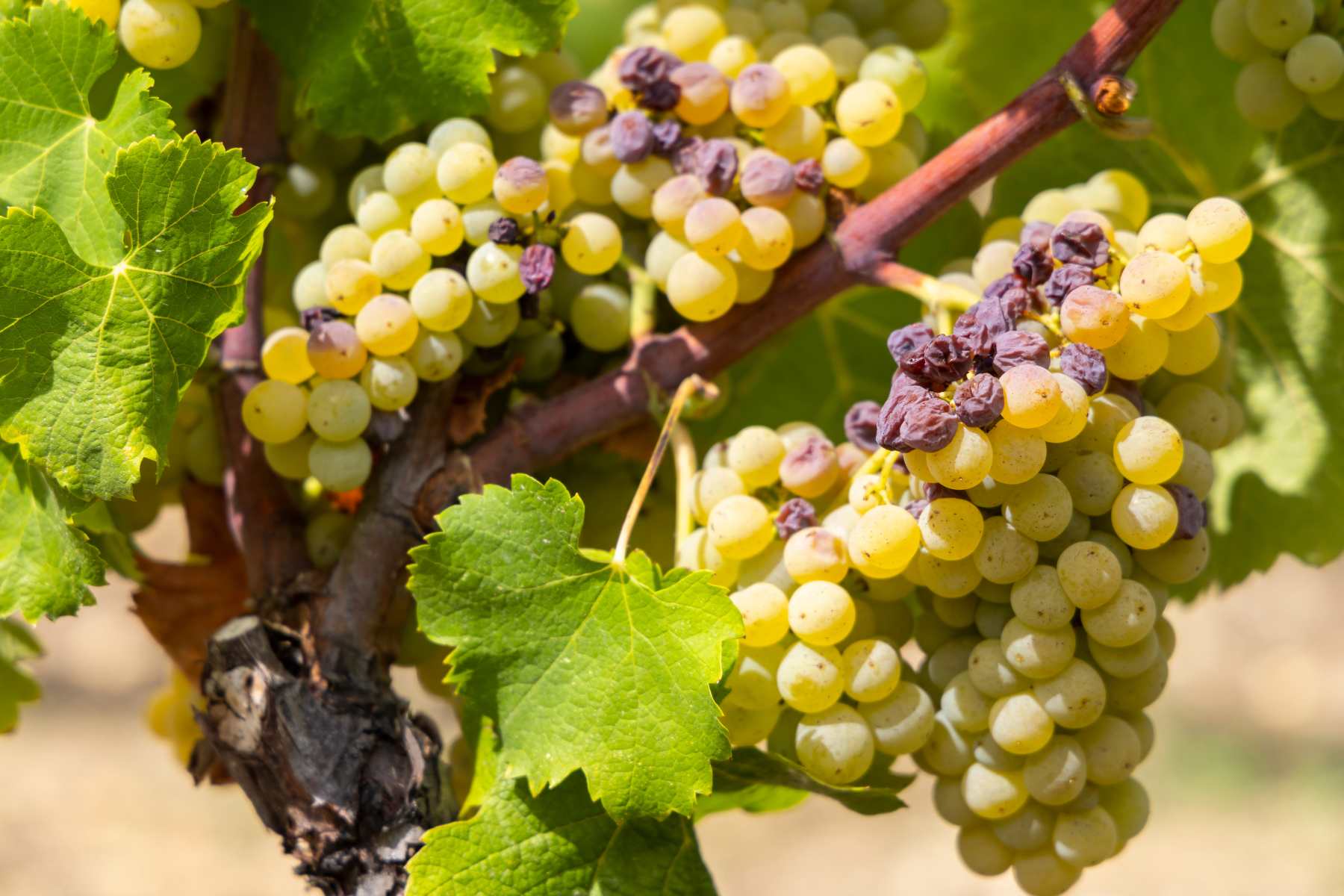
On fruit and berries, botrytis causes soft rot that spreads quickly through the tissue. The skin breaks down, the flesh becomes mushy, and the gray mold covering the surface releases clouds of spores when touched. On grapes, this is the primary presentation of botrytis bunch rot, which can move through an entire cluster within days under humid conditions.
Stems and petioles can also be infected, particularly at wound sites or where leaves have been removed. These stem lesions often appear as dark, water-soaked areas that eventually develop gray mold on the surface and can girdle the stem if left untreated, causing the plant tissue above the lesion to wilt and collapse.

Buds are another vulnerable point, particularly in medicinal and ornamental crops. Botrytis infecting a bud works from the inside out, which means by the time external symptoms are visible, the interior of the bud is already significantly compromised. This internal progression is what makes bud rot so damaging and so difficult to reverse once established.

The Difference Between Gray Mold and Other Molds
Gray mold from botrytis is fairly distinctive when it is fully developed, but in early stages it can be confused with other fungal issues. Botrytis mycelium has a soft, dusty gray appearance, sometimes described as looking like ash or fine gray powder when the spores are being released. Powdery mildew, by comparison, produces a brighter white, more uniform coating primarily on the upper leaf surface. Downy mildew tends to appear on the undersides of leaves as a gray or purple fuzz and is associated with wet conditions rather than the combination of humidity and cool temperatures that favors botrytis.
If you disturb a botrytis lesion and see a cloud of gray spores released into the air, that is a fairly definitive identification. The smell of affected tissue is also distinctive, a musty odor that experienced growers recognize immediately.

Environmental Conditions That Cause Botrytis to Thrive
Understanding the environmental conditions that favor botrytis is one of the most practical tools for preventing it. This pathogen is not random. It prefers specific combinations of temperature, humidity, and plant tissue availability, and managing those conditions is one of the most effective things a grower can do.

The Role of Humidity and Temperature
Botrytis germination and infection require high humidity, typically above 90 percent relative humidity, and temperatures in the range of about 59 to 77 degrees Fahrenheit, with peak activity around 65 to 70 degrees. This combination is extremely common in greenhouses during transitional seasons, in outdoor gardens during cool, overcast periods, and in any growing space where ventilation is insufficient.
Reducing relative humidity, even modestly, has a significant effect on botrytis risk. Moving from 95 percent relative humidity to 80 percent meaningfully reduces the window during which spores can successfully germinate and establish infection.

How Irrigation and Overhead Watering Contribute
Irrigation choices have a direct effect on botrytis pressure. Overhead irrigation wets foliage and creates extended periods of leaf wetness that support spore germination and spread of disease. Drip irrigation delivers water to the root zone without wetting plant surfaces, which reduces the humidity around foliage and removes one of the primary triggers for botrytis germination.
Watering timing also matters. Irrigating early in the morning allows foliage to dry during the warmest part of the day. Watering in the evening leaves plants wet overnight, during the cooler, higher-humidity period when botrytis infection is most likely to occur. This single timing adjustment can make a meaningful difference in disease pressure over the course of a growing season.

Greenhouse Environments and Disease Pressure
The greenhouse environment is where botrytis causes some of its most concentrated damage. High plant density creates dense canopies where humidity accumulates and air circulation is reduced. Temperature fluctuations between day and night create condensation on plant surfaces. And the accumulation of inoculum from infected plant debris within a closed space means spore loads in greenhouse air can be extremely high.
Managing botrytis in a greenhouse requires thinking about the entire environmental system. How air moves through the space, where humidity collects, how plant debris is managed, and how quickly moisture evaporates from plant surfaces all contribute to the overall disease environment.

Botrytis Disease Management
When botrytis appears, choosing the right treatment makes the biggest difference. The cultural practices below reduce the conditions that allow botrytis to establish, and they work best when combined with a reliable contact-based treatment like Lost Coast Plant Therapy that directly addresses the pathogen on plant surfaces.
Sanitation and Removing Infected Plant Parts
Botrytis produces sclerotia that persist in soil and plant debris between seasons, and infected plant material in and around your growing space is a constant source of inoculum.
Remove and dispose of infected plant parts immediately and carefully. Do not shake or disturb diseased tissue before removing it, because doing so releases spores into the air and spreads inoculum throughout the space. Place affected material directly into a sealed bag rather than composting it. Remove dead leaves, spent flowers, and any plant debris from the soil surface and from around the base of plants on a consistent schedule.
Clean and disinfect tools between plants, particularly when pruning or working around plants that have active botrytis infections. Fungal spores on your cutting tool can be transferred directly into fresh wound tissue on healthy plants, creating new infection sites with every cut.

Air Circulation and Ventilation
Poor air circulation is one of the most significant contributors to botrytis in both greenhouse and outdoor growing situations. Stagnant air around plant tissue allows humidity to accumulate, keeps foliage wet longer after irrigation or rainfall, and creates the conditions for spore germination.
In a greenhouse, this means running fans consistently to move air through the canopy, positioning vents and fans to sweep humid air out of the space rather than allowing it to pool under dense foliage. In outdoor settings, spacing plants to allow air to move freely through and around them reduces the microclimate conditions that botrytis loves. For vining crops and climbers, training to an open structure rather than allowing dense tangled growth significantly reduces botrytis pressure.

Pruning Strategies That Reduce Susceptibility
Pruning serves multiple functions in botrytis management. It opens the canopy to improve air circulation, it removes damaged tissue, and it reduces the overall amount of vulnerable plant material available to the pathogen.
For crops like tomatoes and peppers, removing lower leaves that are yellowing or in contact with soil reduces the entry points for botrytis and keeps the area around the base of the plant clear of dead tissue that provides initial inoculum. Timing pruning operations during dry, warm conditions rather than during humid, cool periods gives wound sites more time to seal before the environmental conditions that favor botrytis infection arrive.

Managing the Growing Environment
Plant nutrition plays a role in susceptibility. Excess nitrogen produces soft, lush, rapidly growing tissue that is more susceptible to botrytis infection than firm, well-balanced growth. Calcium nutrition in particular supports cell wall strength and has been associated with reduced susceptibility to soft rot pathogens including botrytis.
Mulching the soil surface in outdoor beds and greenhouse benches reduces the splash dispersal of soilborne inoculum onto lower plant tissue during irrigation and rain. This small intervention can have a meaningful effect on how quickly botrytis can establish in the lower canopy.

Why Contact-Based Control Is Critical for Botrytis
Botrytis develops in exactly the locations that are hardest to treat. Dense bud sites. Areas where leaves overlap. Interior canopy zones with reduced airflow. The spaces where humidity lingers longest and where plant surfaces stay wet after the rest of the plant has dried. These are not coincidentally where botrytis loves to work. It is a pathogen that finds the weak points in your growing environment and exploits them.
This is why contact-based control with a natural and organic garden pest control solution is so critical for botrytis specifically. A treatment that reaches the fungus where it is developing, that physically disrupts the mycelium and spores on the plant surface rather than relying on systemic activity through the plant, has a direct path to the pathogen at the exact locations where it is doing damage.
And this is exactly where Lost Coast Plant Therapy comes in.

How Lost Coast Plant Therapy Controls Gray Mold
Lost Coast Plant Therapy is designed to work as a 3-in-1 insecticide, miticide, and fungicide. It controls botrytis gray mold through direct contact, helping disrupt fungal development on plant surfaces while supporting a balanced growing environment.
It is a FIFRA 25(b) minimum risk pesticide made with natural and organic ingredients, including citric acid derived from cassava root, organic peppermint essential oil, non-GMO soy oil, and plant-based soaps. These ingredients work together on contact to disrupt the conditions that allow fungal pathogens to establish and persist on plant surfaces. The citric acid component adjusts the pH of plant surfaces, creating conditions less hospitable to fungal development. The plant-based surfactants improve contact and ensure the formula spreads evenly across leaf surfaces, reaching into the dense, humid zones where botrytis tends to develop first.
Because botrytis develops in hidden, dense areas of the plant, thorough coverage is essential. Lost Coast Plant Therapy is designed to reach those areas and control fungal pressure where it starts, without disrupting beneficial insects or soil biology when used as directed.

What makes this particularly meaningful for growers managing botrytis in organic and regenerative systems is what Lost Coast Plant Therapy does not do. It does not leave synthetic residues in the soil. It does not disrupt the microbial communities that a healthy growing system depends on. It does not harm beneficial insects when used as directed. It carries a zero-hour re-entry interval, meaning you can continue working in your grow space immediately after application.
And it is approved for use on Demeter Biodynamic Certified farms in the United States and permitted for certified organic production, which means growers operating under strict standards have a reliable natural fungicide option available without stepping outside their program.
Shop Lost Coast Plant Therapy.

Applying Lost Coast Plant Therapy for Botrytis Control
Application technique is where botrytis treatment succeeds or falls short, and that applies to any treatment including Lost Coast Plant Therapy. Because botrytis develops preferentially in dense, humid, low-airflow zones within the canopy, applications need to reach those exact areas rather than focusing only on the visible outer surfaces of the plant.
Start from the base and work upward, separating dense foliage to expose interior plant tissue. Apply to both upper and lower leaf surfaces. Pay particular attention to bud sites, wound locations, and areas where leaves overlap and humidity accumulates. These are the locations where botrytis is most likely to be establishing.
Repeat applications on a consistent schedule during high-risk periods, particularly during flowering, around bunch closure for grape growers, and during any extended period of cool, humid weather. A single application is rarely sufficient for active infections. Consistent pressure over multiple applications is what produces reliable control of gray mold on plants.

Why Conventional Fungicide Programs Are Less Reliable
Botrytis has developed resistance to multiple classes of conventional fungicides, and this is a practical problem that is becoming more significant over time. Resistance develops when populations of the pathogen are repeatedly exposed to the same mode of action. Individual organisms with natural mutations that confer resistance survive and reproduce, while susceptible individuals are controlled. Over time, the resistant portion of the population increases until the fungicide is no longer effective.

With botrytis, resistance has been documented against benzimidazoles, dicarboximides, anilinopyrimidines, and more recently against SDHI fungicides. In many commercial growing regions, populations resistant to certain conventional fungicide classes have made those products significantly less effective than they were even a decade ago.
This is part of why contact-based, naturally derived treatments have become increasingly important for growers managing botrytis seriously. Lost Coast Plant Therapy works through physical contact with the pathogen rather than through a targeted biochemical mode of action, which means the resistance development pathway that conventional fungicides face does not apply in the same way. Growers who have found conventional programs losing efficacy over time have a natural alternative that works through a fundamentally different mechanism.

Botrytis on Specific Crops
Botrytis affects many plant species, but its behavior and the management priorities vary depending on the crop.
Gray Mold on Grapes and Botrytis Bunch Rot
Botrytis cinerea on grapes is one of the most economically significant disease problems in viticulture worldwide. Botrytis bunch rot occurs when the fungus infects grape clusters, typically entering through damaged berries, at bunch closure when berries are pressed tightly together, or following insect damage or mechanical injury during the growing season.
The period around bunch closure and veraison is particularly critical. As berries begin touching each other within the cluster, any moisture trapped between them creates ideal conditions for botrytis. Managing canopy structure to improve air circulation around clusters, careful attention to irrigation timing, and maintaining consistent treatment pressure during these high-risk windows are the primary tools for protecting grape crops.
There is an interesting duality with botrytis on grapes worth acknowledging. Under very specific conditions in certain wine-producing regions, botrytis infection of ripe grapes produces what is called noble rot, prized for the production of certain sweet wines. However, in most growing situations botrytis on grapes is purely destructive.

Botrytis on Strawberries and Soft Fruits
Strawberries are among the crops most susceptible to botrytis, and gray mold causes significant postharvest losses in addition to crop damage during the growing season. The flowers are the primary infection site. Botrytis infects flower petals and moves into developing fruit tissue, where it remains latent until the berry reaches maturity.
This latent infection pattern is one of the most practically important aspects of botrytis on strawberries. Berries can look perfectly healthy at harvest and develop gray mold within a day or two of picking. Managing disease pressure at the flower stage, before symptoms are visible on fruit, is where the most meaningful intervention happens. Applying Lost Coast Plant Therapy during flowering on a consistent schedule addresses infection at this critical entry point.

Post harvest Botrytis: The Problem That Follows You Indoors
One of the aspects of botrytis that catches growers off guard is how aggressively it continues to develop after harvest. Postharvest botrytis is a major cause of losses in stored and transported produce, particularly for soft fruits, grapes, cut flowers, and berries.
The key to postharvest botrytis management begins in the field and greenhouse, not in the cold room. Fruit and berries that carry high levels of latent botrytis infection from the growing season will develop gray mold in storage regardless of how carefully they are handled after harvest. This is why postharvest botrytis cannot be solved by postharvest practices alone.

Harvesting at the right stage of maturity matters. Overripe fruit is significantly more susceptible to postharvest botrytis than fruit harvested at optimal maturity. Mechanical damage during harvest creates wound sites that botrytis rapidly colonizes in storage. Cooling produce quickly after harvest reduces the rate at which latent infections become active.
For growers who supply markets, restaurants, or farm stands, postharvest botrytis translates directly to rejections, losses, and damaged relationships with buyers. Building consistent in-season management practices, including regular applications of Lost Coast Plant Therapy during the high-risk flowering and fruit development periods, reduces the latent infection load that causes postharvest losses.

Building a Long-Term Botrytis Control Strategy
The growers we have seen manage botrytis most successfully share a common characteristic. They think about it as a system problem and they choose their treatment tools accordingly. They invest in sanitation. They design their growing spaces with air circulation in mind. They manage plant nutrition to avoid creating overly susceptible tissue. And they use Lost Coast Plant Therapy as a reliable contact-based treatment consistently during the periods when their crops are most vulnerable.
Botrytis is persistent. It overwinters in debris, produces enormous quantities of airborne spores, exploits every available piece of dead or dying tissue. But you can build growing conditions and management practices that make it consistently difficult for the pathogen to establish and spread. When those environmental practices are combined with consistent applications of a contact-based natural fungicide like Lost Coast Plant Therapy, you are addressing botrytis at every point where it is vulnerable.
Every season you manage botrytis well is a season that reduces the inoculum load your next crop has to start against. The work compounds over time. When you build a growing environment that is genuinely inhospitable to botrytis and treat it consistently with a product designed to reach it where it develops, you spend less time reacting and more time watching your plants thrive. That is exactly where every grower deserves to be.

Frequently Asked Questions About Botrytis
What is botrytis?
Botrytis, also known as gray mold, is a fungal disease caused by the pathogen Botrytis cinerea. It is one of the most common and economically damaging fungal diseases affecting plants, infecting a wide range of host plants including vegetables, fruits, ornamentals, grapes, and medicinal plants. It produces a characteristic gray fuzzy mold on infected plant tissue and spreads through airborne spores that can travel throughout a growing space rapidly.
What is the best treatment for botrytis on plants?
Botrytis is best controlled with a contact-based treatment that thoroughly covers plant surfaces, especially in dense or humid areas where the fungus develops. Lost Coast Plant Therapy works as a 3-in-1 insecticide, miticide, and fungicide, controlling botrytis gray mold through direct contact on plant surfaces. Consistent application and full coverage, including interior canopy zones, bud sites, and the undersides of leaves, are key to controlling gray mold effectively.
How does botrytis spread?
Botrytis spreads primarily through airborne fungal spores produced on infected plant material. These spores are released in enormous quantities and carried by air currents to new plant surfaces, where they germinate and establish new infections when conditions of high humidity and moderate temperatures are present.

What conditions cause botrytis to develop?
Botrytis thrives under high humidity, typically above 90 percent relative humidity, and temperatures between approximately 59 and 77 degrees Fahrenheit. It preferentially infects dead, dying, and damaged plant tissue before moving into living tissue. Poor air circulation, overhead irrigation, dense plant canopies, and the presence of plant debris all contribute to conditions where botrytis establishes and spreads readily.
How do I identify botrytis on my plants?
Early symptoms include water-soaked or discolored spots on leaves, flowers, or fruit. As infection progresses, the affected tissue collapses and develops the characteristic gray fuzzy mycelium that gives gray mold its name. Disturbing infected tissue releases visible clouds of gray spores. On fruit and berries, botrytis causes soft rot with surface gray mold. On buds, infection works from the inside out, meaning internal decay is often more advanced than external symptoms suggest.
Is Lost Coast Plant Therapy effective against botrytis?
Yes. Lost Coast Plant Therapy is a foliar spray made with natural and organic ingredients that works as a 3-in-1 insecticide, miticide, and fungicide. It controls botrytis gray mold through direct contact on plant surfaces, with citric acid helping adjust surface pH to create conditions less hospitable to fungal development, and plant-based surfactants improving coverage and contact across leaf surfaces. It is approved for certified organic production and for use on Demeter Biodynamic Certified farms.

Why does botrytis keep coming back every season?
Botrytis returns because it has multiple mechanisms for persisting between seasons. Sclerotia in the soil and plant debris survive winter conditions. Airborne spores can travel from outside the growing area into a clean space. And latent infections established during the previous season on overwintered plant material can reactivate in spring. Consistent sanitation, environmental management, and maintaining regular treatment with a contact-based natural fungicide during high-risk periods are the tools that reduce how aggressively it returns.
Why are conventional fungicides becoming less effective against botrytis?
Botrytis has developed resistance to multiple classes of conventional fungicides over time, including benzimidazoles, dicarboximides, and more recently SDHI fungicides. Resistance develops when populations are repeatedly exposed to the same mode of action, allowing resistant individuals to survive and dominate. Contact-based natural treatments like Lost Coast Plant Therapy work through physical disruption of the pathogen rather than through a targeted biochemical mode of action, making them a reliable alternative as conventional programs lose efficacy.

How do I apply Lost Coast Plant Therapy for botrytis control?
Mix Lost Coast Plant Therapy Concentrate at the recommended rate per gallon of water and apply thoroughly to all plant surfaces, including upper and lower leaf surfaces, bud sites, wound locations, and interior canopy zones. Apply in the early morning or late evening. Repeat on a consistent schedule during high-risk periods, particularly during flowering and any extended period of cool, humid weather. Thorough coverage is essential because botrytis develops in the densest, most protected areas of the plant.
Learn more about Botrytis here.

Additional Resources
Botrytis or Gray Mold - Penn State Extension
Managing Botrytis or Gray Mold in the Greenhouse - Penn State Extension
Gray Mold (Botrytis Blight) - University of Wisconsin Horticulture
Gray Mold or Botrytis Blight on Indoor Plants - University of Maryland Extension
Gray Mold Disease on Flowers - University of Maryland Extension
Disease Management: Botrytis - University of Maryland Extension
Gray Mold (Botrytis) - University of Illinois Extension
Botrytis Blight of Greenhouse Ornamentals - NC State Extension
Gray Mold or Botrytis Rot of Strawberry - NC State Extension
Botrytis Fruit Rot or Gray Mold of Strawberry - University of Florida IFAS Extension
Botrytis Blight, or Gray Mold - UC Statewide IPM Program, University of California
Controlling Botrytis Bunch Rot in Grapes - Michigan State University Extension
Botrytis Bunch Rot and Gray Mold of Grape - Ohio State University Extension
Botrytis Bunch Rot on Grapes in Home Gardens - Penn State Extension
Botrytis Bunch Rot - UC Statewide IPM Program, University of California