
Something has been shifting in the way we think about growing food. You can feel it not just on farms, where these conversations have been happening for years, but in backyard gardens, raised beds, and small growing spaces of every kind. More and more, we’re starting to ask different questions.
How do we avoid harming our soil? How do we improve it? How do we keep pests away, and how do we grow plants that are strong enough to handle pressure on their own?
That shift is called regenerative agriculture. While it started in large-scale farming, its ideas translate beautifully to the home garden. Whether you’re tending a few containers or a full vegetable patch, the same principles apply.
At its heart, regenerative agriculture is about building soil health, supporting biodiversity, and creating stronger, more resilient gardens over time. And the best part is, many of us are already doing pieces of this without even realizing it.

What Is Regenerative Agriculture?
Regenerative agriculture is an approach to growing food and managing land that goes beyond sustainability. Rather than simply maintaining the current state of soil and ecosystems, regenerative agriculture focuses on actively restoring and improving them over time. It is farming and gardening that leaves the land in better condition than it was found, season after season, year after year.
The core idea is that healthy soil, thriving ecosystems, and productive food systems are not separate goals. They are the same goal, achieved through the same set of practices. When soil is cared for properly, plants grow stronger. When biodiversity is supported, pest pressure decreases. When organic matter is built up rather than depleted, yields become more consistent and the land becomes more resilient to extreme weather and environmental stress.

Regenerative Agriculture Is Not a Farming Trend
It would be easy to dismiss regenerative agriculture as the latest wave of agricultural language, a rebranding of ideas that have been around for generations. And in some ways, the practices it describes are ancient. Farmers and indigenous land stewards have been working with soil biology, cover cropping, and integrated land management for centuries. What is new is not the practice but the urgency.
Where the Term Comes From
The phrase regenerative agriculture was developed and popularized in the 1980s by the Rodale Institute, a research organization that has spent decades studying organic and ecological farming methods. The term was meant to describe something more active than sustainable farming. Sustainable, by definition, means maintaining what already exists. Regenerative means building something better.
The concept gained further traction through organizations like Regeneration International, which has worked to advance regenerative agriculture as a framework for addressing both ecological degradation and climate change at a global scale. Over time, the term has moved from niche agricultural circles into mainstream conversation, appearing in food system policy discussions, corporate supply chain commitments, and increasingly in the gardens and growing spaces of everyday people.

Why Interest in Regenerative Agriculture Is Growing So Fast
Interest in regenerative agriculture has accelerated for a simple reason. The evidence that conventional farming practices have degraded agricultural land, depleted soil biology, and contributed to greenhouse gas emissions has become difficult to ignore. Globally, significant portions of agricultural land have experienced some degree of soil degradation and topsoil loss from erosion continues at rates that make long-term food production increasingly fragile in many regions.
At the same time, a growing body of research has shown that regenerative practices across farms and ranches can measurably reverse some of that damage. Soils managed regeneratively accumulate organic matter, support greater biodiversity, reduce erosion, and in many cases sequester carbon in ways that contribute to broader climate goals. That combination of urgency and demonstrated possibility is what has made the transition to regenerative farming practices one of the most discussed topics in the agriculture sector today.
See how to start a family farm here.

What Makes Regenerative Agriculture Different From Conventional Farming
Conventional agriculture, which became dominant in the second half of the twentieth century, was built around inputs and efficiency. Synthetic fertilizers replaced the need to build soil biology. Pesticides and herbicides replaced integrated pest management and the ecological balance that makes pest pressure manageable. Tillage became routine, turning soil to control weeds and prepare seedbeds without regard for the living networks beneath the surface.
These conventional farming practices produced increases in short-term yield but the long-term costs have been significant. Tillage destroys soil structure and releases stored carbon. Synthetic fertilizer inputs displace the microbial activity that makes nutrients naturally available to plants and chemical pesticides disrupt the biodiversity that keeps ecosystems functional. Over time, the land that conventional farming practices depend on becomes less productive, requiring ever-greater inputs to maintain yields, a cycle that degrades the resource base it depends on.
Learn more about the different types of pesticides here.

Regenerative vs Organic Gardening
Organic farming and regenerative agriculture are not the same thing, even though they share a significant amount of common ground.
Organic farming, as defined by certification standards, is primarily about what you do not use. Certified organic production prohibits synthetic pesticides, synthetic fertilizers, and genetically modified organisms. It is defined by exclusion. What organic certification does not require is any specific practice that actively builds soil health, increases biodiversity, or improves the ecological function of the land over time. An organic farm can still till aggressively and manage land in ways that do little to restore degraded soil or support ecosystem health.

Regenerative agriculture, by contrast, is defined by what you do rather than what you avoid. It is built around practices that actively improve the living systems in and around the soil. Cover cropping. Reduced or no-till management. Composting and organic matter building. Increasing plant diversity. Integrating livestock where appropriate. Supporting habitat for beneficial insects and soil organisms.
Many regenerative farmers also farm organically, and the two approaches are deeply compatible. Regenerative organic agriculture, which combines the input restrictions of organic certification with the active land stewardship of regenerative management, represents one of the most rigorous and complete approaches to growing food that exists. But it is possible to practice regenerative principles without organic certification, and it is possible to be certified organic without practicing regenerative principles. They are related but distinct.

The Core Principles of Regenerative Agriculture
Regenerative agriculture is an approach rather than a rigid set of rules, and different organizations and practitioners describe its principles in different ways. But a few core ideas appear consistently across most frameworks.
Keep the soil covered. Bare soil is exposed to erosion, temperature extremes, and moisture loss. Cover crops, mulch, and plant residue protect the soil surface and support the organisms living beneath it. Minimize soil disturbance. Tillage disrupts soil structure, breaks up fungal networks, and releases stored carbon. Reducing or eliminating tillage allows soil biology to develop and persist.
Maintain living roots in the soil as long as possible. Plant roots feed soil microorganisms, create channels for water infiltration, and hold soil structure together. A diversity of living roots across seasons supports a more complex and resilient soil food web.
Increase biodiversity. Monocultures are ecologically fragile. Diverse plantings support more complex food webs, reduce pest pressure, and create more stable systems over time.

Integrate animals where possible. Regenerative grazing, managed thoughtfully, can restore grassland ecosystems and accelerate the cycling of nutrients through the soil. Regenerative poultry and other livestock systems have shown similar benefits when managed regeneratively.

The Benefits of Regenerative Agriculture
The case for regenerative agriculture is not built on philosophy alone. The practical benefits for farms, ecosystems, and food systems are increasingly well-documented and span a wide range of scales.
Improve Soil Health Over Time
This is where the benefits of regenerative agriculture are most tangible and most immediate. Regenerative practices consistently increase soil organic matter over time, which improves water retention, nutrient availability, and the biological activity that makes soils productive. Healthy soil is not just a growing medium. It is a living ecosystem, home to billions of organisms that recycle nutrients, suppress disease, and support plant health in ways that no synthetic input can replicate.

Conventionally farmed soils that have been depleted through tillage and chemical inputs can take years or decades to recover, but the recovery, when regenerative practices are adopted, is measurable. Farmers transitioning from conventional to regenerative management have documented improvements in soil structure, water-holding capacity, and crop resilience within a few seasons of consistent practice.

Regenerative Agriculture and Climate Change
Agriculture and climate change are deeply connected, and that connection runs in both directions. The agriculture sector is a significant source of greenhouse gas emissions, primarily through soil carbon loss from tillage, methane from livestock, and nitrous oxide from synthetic fertilizer use. At the same time, agricultural land managed regeneratively has the potential to sequester carbon at meaningful scales, drawing carbon dioxide from the atmosphere and storing it in soil organic matter.
This is what people mean when they talk about the potential of regenerative agriculture to fight climate change. It is not just about reducing agriculture's emissions, though regenerative practices do that. It is about whether well-managed agricultural land can become a net carbon sink rather than a net source, helping to reverse some of the atmospheric accumulation that is driving climate disruption.
The research on this is still developing, and the numbers vary significantly depending on soil type, climate, and management approach. But the direction of the evidence is consistent. Regenerative management tends to increase soil carbon. Conventional management tends to deplete it. Agriculture and climate change are linked, and the way food is grown is part of the solution.

Biodiversity and Ecosystem Restoration
One of the less-discussed but deeply important benefits of regenerative agriculture is its effect on biodiversity above and below the ground. Conventional monocultures are biologically impoverished environments. They support a narrow range of species, suppress the natural relationships between organisms that make ecosystems functional, and create conditions where pest and disease pressure require constant chemical intervention.
Regenerative practices actively increase biodiversity by supporting a wider range of plants, maintaining habitat for beneficial insects and soil organisms, and reducing the chemical inputs that disrupt ecological webs. Farms and gardens managed regeneratively tend to have more species of insects, more diverse microbial communities in their soils, and more robust relationships between plants and the organisms they depend on.
This biodiversity is not just ecologically valuable in the abstract. It is practically valuable for growers. A garden with a healthy, diverse ecosystem requires less intervention because the system is doing more of its own regulatory work.
See how to attract bees to your garden here.

Practical Regenerative Techniques for Home Growers
You do not need to own a farm to practice regenerative agriculture. The principles that guide regenerative farms and ranches translate directly to home gardens, raised beds, community plots, and small-scale growing spaces of every kind.
Cover Cropping
Cover cropping is one of the most impactful practices any gardener can adopt. Planting a cover crop in beds that would otherwise be left bare over winter or between main crops keeps living roots in the soil, protects the surface from erosion and compaction, and adds organic matter when the cover crop is cut and allowed to break down. Common cover crops for home gardens include clover, buckwheat, winter rye, and mustard greens. Each brings different benefits, and choosing based on your climate and timing makes the practice more effective.

Crop Rotation
Crop rotation reduces the buildup of soil-borne pathogens and pests that tend to concentrate when the same plant families are grown in the same location repeatedly. It also allows different root structures and nutrient demands to cycle through the same soil, building a more balanced and biologically diverse growing medium over time. Even in small spaces, rotating plant families between beds or sections of a garden makes a meaningful difference.

Reducing or Eliminating Tillage
Reducing or eliminating tillage is harder to implement in an established garden where compaction is already a problem, but even reducing the depth and frequency of soil disturbance allows soil structure to develop. Top-dressing with compost rather than digging it in, using broadfork aeration rather than rotary tilling, and building new beds using no-dig methods are all steps in the regenerative direction.

Composting
Composting is foundational. Adding finished compost to garden beds is the most direct way to increase soil organic matter, feed soil microorganisms, and improve the growing conditions for everything above the surface. Regenerative farmers and gardeners alike treat compost as the primary fertility input, building soil biology over time rather than substituting purchased nutrients for the biology that should be producing them naturally.

Pest Management Following Regenerative Agriculture Principles
Regenerative agriculture does not ignore pest pressure. It approaches pest management as a symptom of system imbalance rather than a problem to be solved through chemical application alone. When soil biology is healthy, plants are naturally more resilient. When biodiversity is supported, beneficial insects and other predators keep pest populations in check. When plants are not stressed by nutrient deficiencies or poor growing conditions, they are less vulnerable to the opportunistic insects and diseases that tend to target weakened growth.
This does not mean that pest pressure disappears entirely in a regenerative system. It means it is reduced, more manageable, and less likely to escalate into the kind of crisis that requires aggressive intervention. When treatment is needed, choosing products that are compatible with the biological activity you are building is part of staying consistent with regenerative principles.
See how to protect your garden without chemicals with natural garden pest control here.

Lost Coast Plant Therapy Fits Into a Regenerative Approach
One of the practical questions that comes up for gardeners moving toward regenerative practices is what to do when pest or disease pressure does appear. If the goal is to support soil biology, protect beneficial insects, and avoid disrupting the ecological relationships being built in the garden, the choice of what to spray matters.
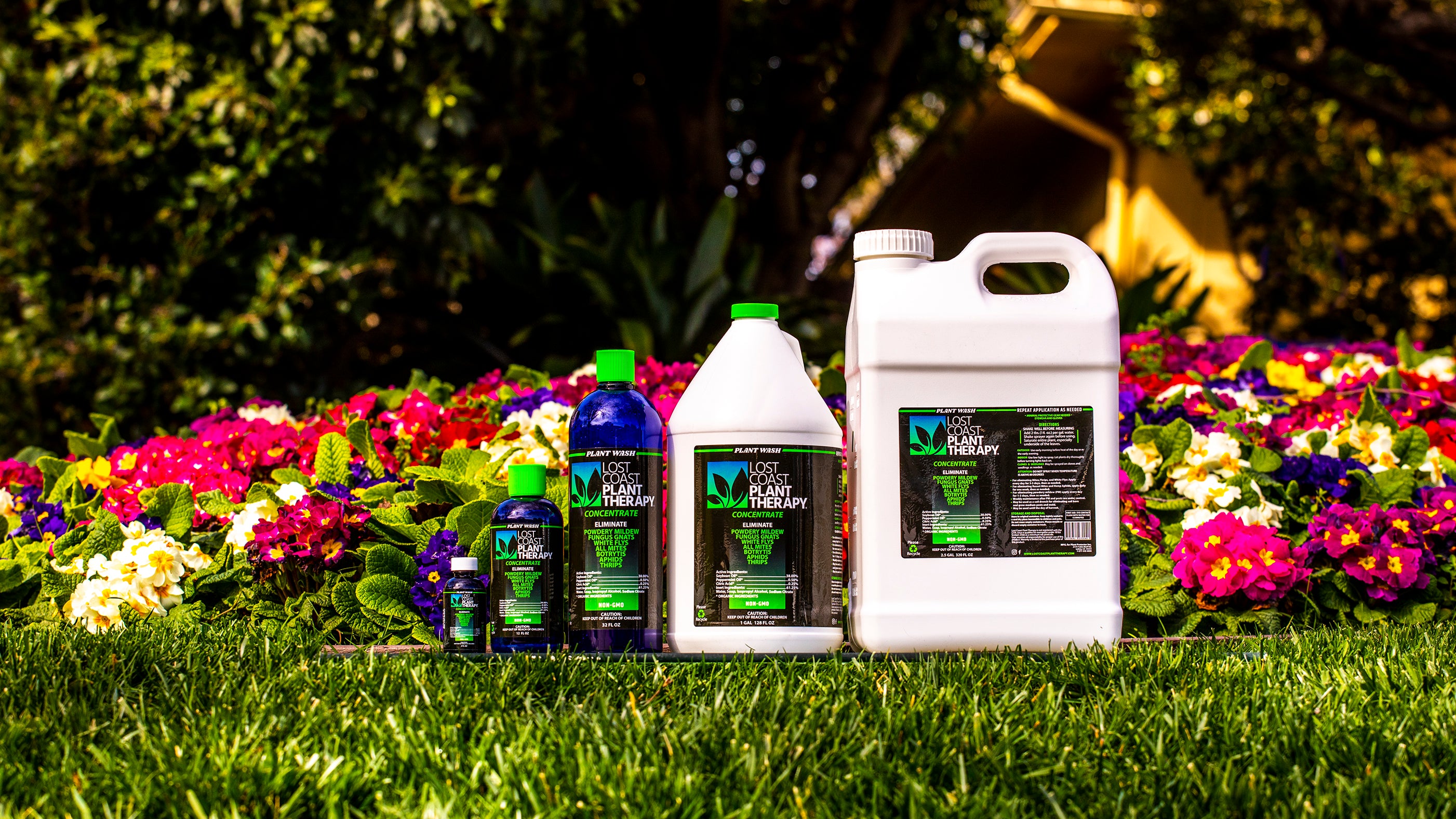
Lost Coast Plant Therapy is a FIFRA 25(b) minimum risk pesticide made with food-grade, natural, organic, and biodegradable ingredients. It controls soft-bodied pests and fungal issues like powdery mildew through direct contact, without being absorbed into plant tissue or leaving residues in the soil.
That means it does its job without disrupting the soil biology that a regenerative approach is actively working to build.

It does not contain synthetic chemicals that accumulate in the soil or move through water systems. It does not harm beneficial insects when used as directed. It does not leave the kind of residue that compromises the microbial communities that make regenerative soil management work.
Lost Coast Plant Therapy is approved by the California Certified Organic Farmers and permitted for certified organic production. It is also approved for use on Demeter Biodynamic Certified farms, which operate under some of the most rigorous ecological standards in agriculture. Growers who have made the transition to regenerative and organic methods do not have to step outside their principles to manage real pest and disease problems.

How to Transition to Regenerative Agriculture (Step-by-Step)
The phrase transition to regenerative agriculture can sound like a major overhaul, but in a home garden the most effective transitions happen through small, consistent changes that build on each other over time.
Start With What’s Limiting Your Garden Most
Start by focusing on where your garden is now and then make the next best improvement. Instead of approaching regeneration as a checklist, focus on identifying your biggest constraint and working from there. If plant growth is weak, the priority is usually building soil organic matter with compost and other biological inputs. If pest pressure is constant, the issue is often a lack of biodiversity and habitat for beneficial insects. If soil is dry or compacted, improving ground cover and watering practices becomes the most important first step. Approaching the transition this way keeps it practical and tailored to your specific conditions rather than overwhelming

Improve Soil Without Overhauling Everything
Improving soil does not require rebuilding your garden from scratch. You can begin shifting soil health by working with what you already have. Regularly adding compost to the surface, keeping soil covered with mulch, and avoiding unnecessary digging are simple changes that support biological activity without disrupting your existing setup. These practices, similar to practices such as no-till and practices like cover cropping used at larger scales, begin to rebuild soil structure and function over time.

Let the Garden Become More Self-Regulating
As soil health improves and biodiversity increases, the garden begins to regulate more of its own processes. This is where a shift in management practices becomes important. Instead of reacting immediately to every issue with broad or disruptive inputs, it becomes more effective to observe first and intervene thoughtfully when needed. When pest pressure does require action, using a minimum risk pesticide like Lost Coast Plant Therapy allows you to manage the problem without disrupting beneficial insects or soil biology.
Minor pest pressure often stabilizes more easily in a balanced system, and supporting those natural relationships while choosing compatible treatments is part of how regenerative agricultural practices function over time.

Think in Seasons
It is also important to think in seasons rather than quick fixes. Regenerative agriculture often produces its most meaningful results across multiple growing cycles, not in a single season. Paying attention to what improved, what still needs support, and what can be adjusted next season allows each year to build on the last. This long-term approach is what defines the adoption of regenerative agriculture, whether at the scale of a home garden or larger regenerative food systems.

Frequently Asked Questions About Regenerative Agriculture
How does regenerative agriculture work?
Regenerative agriculture works by supporting and rebuilding the living systems in and around the soil. Key practices include cover cropping to keep living roots in the soil and protect bare ground, reduced or no-till management to preserve soil structure and biology, composting to build organic matter, increasing plant and crop diversity, and integrating animals through regenerative grazing where appropriate. These practices together create conditions where soil biology thrives, nutrients cycle naturally, and crops become more resilient over time.

What is the difference between regenerative and organic farming?
Organic farming is primarily defined by what inputs are prohibited, specifically synthetic pesticides, fertilizers, and GMOs. Regenerative farming is defined by what practices are actively adopted to improve soil health and ecological function. The two approaches are compatible and often practiced together as regenerative organic agriculture, but they are distinct. An organic farm can still till aggressively and rely heavily on purchased inputs. A regenerative farm focuses on building the biological capacity of the land to sustain production without those inputs.
See Why Non-GMO? The Truth About What’s Really in Your Food

What are the main benefits of regenerative agriculture?
The benefits of regenerative agriculture span soil health, ecology, climate, and food security. Healthy, biologically active soils support more vigorous plant growth with less external input. Biodiversity increases when regenerative practices support habitat for beneficial insects and soil organisms. Greenhouse gas emissions from farming are reduced when tillage is minimized and soil carbon is allowed to accumulate. And food systems built on regenerative principles are more resilient to the extreme weather and environmental disruption associated with climate change.

Can I practice regenerative agriculture in a home garden?
Yes! The principles of regenerative agriculture apply at every scale. Adding compost, planting cover crops, reducing tillage, diversifying plantings, and choosing natural pest management products like Lost Coast Plant Therapy that protect soil biology and beneficial insects are all regenerative practices that translate directly from large farms to small gardens. A home gardener practicing these principles is contributing to the same outcomes that regenerative farmers and ranchers are pursuing at larger scales.

How do I start transitioning to regenerative practices?
Start with soil. Add high-quality compost to build biological activity, reduce or eliminate synthetic fertilizers, and begin covering bare soil with mulch or cover crops. Reduce tillage where possible and increase plant diversity throughout your growing space. Choose pest management products like Lost Coast Plant Therapy that are compatible with soil biology and beneficial insects. Each of these changes builds on the others, and the system responds progressively as the practices accumulate.

Is Lost Coast Plant Therapy compatible with regenerative growing?
Yes. Lost Coast Plant Therapy is a FIFRA 25(b) minimum risk pesticide made with natural and organic ingredients. It controls pests and fungal disease through direct contact without being absorbed into plant tissue and is approved for certified organic production and for use on Demeter Biodynamic Certified farms in the United States. For gardeners and growers managing their spaces regeneratively, it offers a natural pest control and disease management option that works with the biological system being built rather than against it.

What is the difference between regenerative agriculture and sustainable agriculture?
Sustainable agriculture aims to maintain current conditions without causing further degradation. Regenerative agriculture goes further by actively improving soil health, biodiversity, and ecosystem function over time. Because many soils and agricultural systems are already significantly degraded, sustainability alone is not sufficient to restore the productivity and ecological health that has been lost. Regeneration requires active improvement, not just maintenance.
See more FAQ's here.

Additional Resources
Regenerative Agriculture: An Introduction and Overview - Oklahoma State University Extension
Regenerative Agriculture - University of Illinois Extension
Illinois Regenerative Agriculture Initiative - University of Illinois Urbana-Champaign
Illinois Extension to Create Holistic Regenerative Ag Course - University of Illinois Extension
Texas A&M AgriLife Leads Regenerative Agriculture Evaluation - Texas A&M AgriLife
Center for Regenerative Agriculture - University of Missouri
Soil Health and Regenerative Agriculture Workshops - University of Nevada, Reno Extension