
A winter garden has a way of surprising people. The world slows down, the air turns crisp, and most gardeners tuck their tools away until spring. Yet winter months create some of the richest growing opportunities of the entire year. Vegetables taste sweeter, colors deepen, and the soil behaves with a calm steadiness that summer rarely offers. Winter growing teaches patience and precision, but it also brings a special kind of joy. Nothing beats walking outside on a cold morning and brushing a little frost off a head of lettuce or a bunch of spinach.
In many ways a winter vegetable garden feels like a secret that experienced gardeners eventually discover. It gives us access to fresh fruits and vegetables during a time of the year when most people depend on grocery store produce. It encourages us to look at the garden in a new way and to see the colder months as part of a full year of vegetable gardening.

Winter Vegetable Gardening Extends Your Growing Season
Most gardeners think their growing season ends when the weather cools, but a winter vegetable garden stretches that season all the way through the winter months. Instead of a spring to fall gardening plan, we gain a system that allows us to grow vegetables year round. This shift opens up a world of possibilities. When we add winter crops into the mix, the summer garden changes too. We no longer feel rushed to produce everything in one single season. We can rest some beds in summer and use others in fall and winter. We can experiment with new crops for winter and carry those lessons right into the next year.
Winter gardening also gives us the advantage of early transplant opportunities. When we master indoor seed starting, we can start seeds indoors long before the weather warms. Those seedlings become hardy young plants ready to move into a greenhouse, hoop house or raised beds as soon as the days begin to stretch. By the time other gardeners are only dreaming about the next growing season, winter gardeners already have a head start.

Benefits of a Winter Vegetable Garden
A winter vegetable garden delivers benefits beyond fresh food. Soil health improves when roots stay active through the winter. A living root system supports soil biology, prevents erosion and keeps the garden bed ready for spring.
Winter gardening also helps us learn. Every winter garden offers a new lesson about frost, soil temperature, airflow or timing. We adapt. We refine. And with each year, we build a stronger understanding of what a winter garden can do. Many gardeners find that winter becomes their favorite time of the year to grow vegetables because of how much they learn and how much they enjoy the harvests.

Planning Your Winter Garden
Winter growing thrives when we understand timing and temperature. Unlike the summer garden, where plants grow rapidly, winter vegetables grow slowly and appreciate gentle, steady conditions. Planning becomes a central part of the process. When we know our climate, choose the right vegetables and start seeds early enough in late summer, the entire winter garden falls into place.

Know Your Climate Before You Grow During the Winter
Every winter garden begins with climate awareness. Winter behaves differently from one yard to another. Two gardeners living a few streets apart may experience completely different conditions simply because of wind exposure, shade, raised beds or direct sun. Understanding how winter behaves in your own space will help you decide which hardy vegetables to grow and how much protection your garden will need.
Pay attention to the first frost date and how long the cold season lasts. Notice whether your soil freezes solid or only forms a thin crust on top. Watch where the sun lands on your garden bed during winter months because the angle of light changes dramatically compared to summer. Some spots stay bright and warm. Others hide in shadow and grow colder than you might expect. All of this information helps shape your winter gardening plan.

What to Plant in Late Summer for a Winter Harvest
The vegetables we enjoy during the winter months often begin as young seedlings started in late summer or early fall. This timing gives leafy greens and root crops the head start they need before daylight hours shorten and temperatures drop.
Spinach grows best when planted in late summer because it establishes strong roots in warm soil and then settles into slow growth during the cold season. Kale and cabbage appreciate this same pattern because they develop structure before frost. Carrot and beet seeds benefit from warm soil at the start, then store beautifully as the weather cools. Radish grows quickly and can be sown right into fall for a steady supply.

Choosing Plants to Grow for a Winter Garden
Leafy greens are usually the easiest place to start. Spinach handles cold weather gracefully and often becomes the backbone of salads throughout the winter. Kale adds texture and sweetness after a frost. Lettuce varieties bred for winter keep their crispness even in cooler temperatures. Swiss chard stays colorful and strong well into fall and early winter, especially when protected with a row cover.
Root crops also offer steady success. Carrot, beet and radish fit beautifully into a winter gardening plan because they hold in the soil without losing flavor. Hard winter nights do not ruin them. Instead, they become sweeter and more concentrated.
With these dependable plants to grow, beginners discover that winter gardening is not a complicated challenge. It is simply a matter of choosing hardy vegetables that naturally enjoy the cold season.

Protecting Your Winter Garden from Frost, Wind, and Weather
A winter vegetable garden asks us to become good observers. It invites us to pay attention to small shifts in temperature, moisture and airflow. Plants can handle quite a bit of cold, but they appreciate help during bitter nights or quick changes in weather. Protecting your winter garden is less about complicated equipment and more about creating small pockets of comfort that help hardy vegetables do what they naturally do best.

Frost Protection Basics
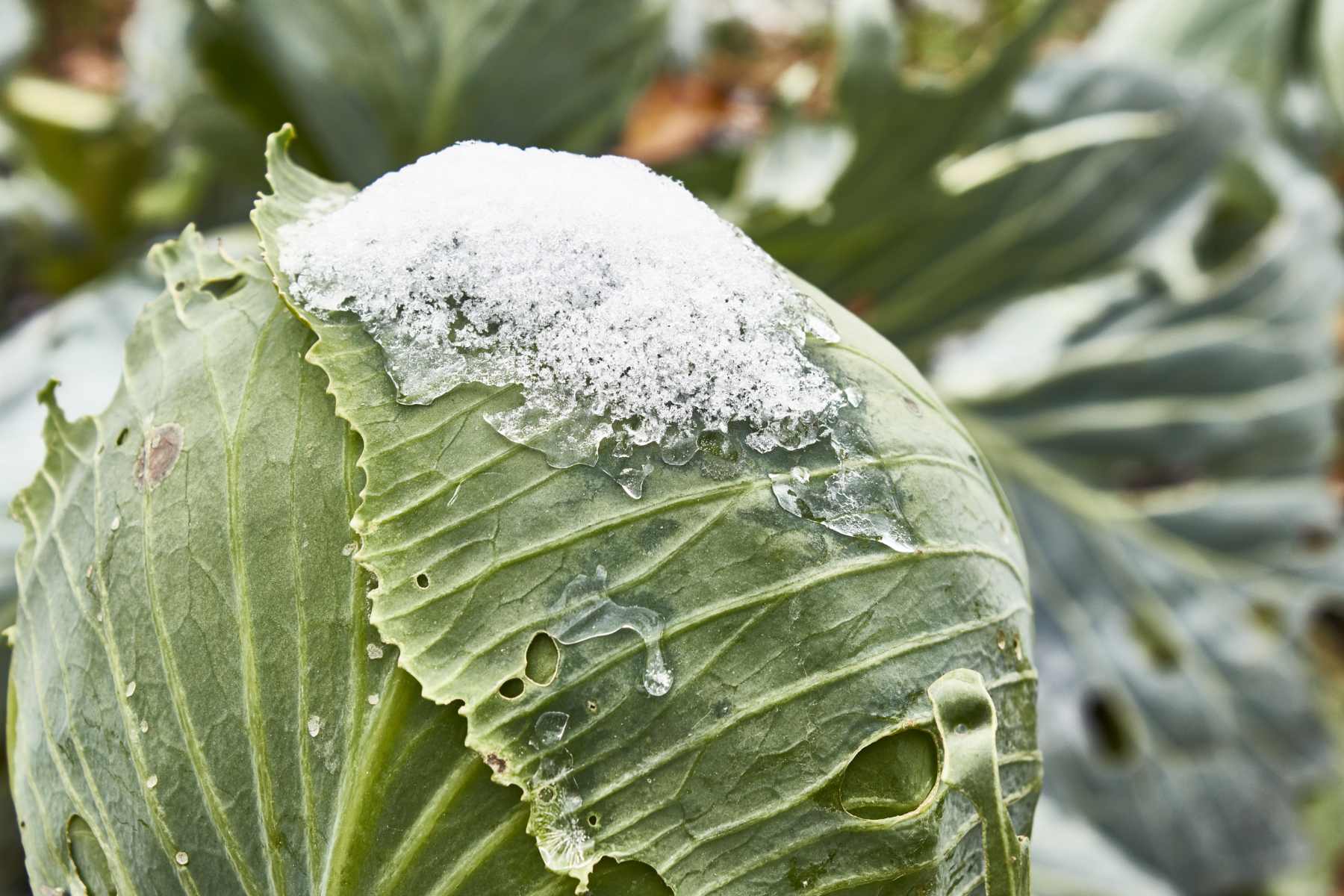
The first thing to know is that frost itself is not the enemy. Many winter crops appreciate a light frost. Kale turns sweeter. Spinach deepens in flavor. Even lettuce can handle more cold than most people expect. Problems arise when frost settles on leaves and stays there during sudden temperature drops, or when plants sit in wet, cold soil for too long without protection.

Frost tends to settle in low areas where cold air gathers. If you have a garden bed in a low spot, or if your yard dips slightly, that is where frost may hit hardest. You can protect vegetables by covering them in the late afternoon before temperatures fall. Covers trap a small amount of heat from the soil and hold it near the plants. This gentle warmth keeps a winter vegetable garden alive through cold snaps.
Another simple frost protection strategy is careful watering. Moist soil holds heat better than dry soil, which helps protect roots and keeps the garden bed stable through the night. Watering in the morning instead of the evening gives plants time to dry before temperatures dip.
See more on how to grow lettuce here.

Using Mulch, Straw, and Leaves to Shield Roots from Frost
Mulch is one of the most dependable winter gardening tools. A thick layer of straw, shredded leaves or grass clippings acts like a warm blanket for your soil. It keeps root crops such as carrot, beet and radish tucked in and comfortable. Mulch also slows evaporation, reduces temperature swings and protects the soil structure from compacting when freeze and thaw cycles occur throughout the winter.
Leaves are a favorite choice for many gardeners because they are easy to gather in late fall and break down slowly over time, improving soil health. Straw works beautifully in raised beds because it allows air to move gently around the base of the plants while still shielding roots. When a hard winter sets in, mulch becomes your best friend. It allows root crops to stay in the soil as long as you like, and you can harvest them as needed without losing quality.

Simple Covers and Hoops That Extend Your Growing Season Outdoors
Covers are another essential tool for winter gardeners. A simple hoop made of flexible tubing with fabric or plastic over the top creates a small microclimate that feels noticeably warmer than the surrounding air. Even a few degrees of protection can mean the difference between thriving spinach and damaged leaves.
A row cover made of breathable cloth is perfect for protecting greens and young seedlings. It lets light and moisture in while keeping frost off the leaves. Plastic coverings warm the soil more than fabric, which makes them helpful when you want to extend your growing season and start planting a little earlier in fall and a little later in winter.
Hoop houses are especially helpful during unpredictable weather. They protect plants from wind, which dries leaves quickly, and from sudden changes in temperature that might shock tender growth.

Cold Frames and Low Tunnels for Year Round Vegetable Gardening
Cold frames and low tunnels offer another layer of protection and help create pockets of steady warmth. They are wonderful tools for gardeners who want to enjoy vegetables year-round or who want to grow during the winter in climates that get really cold.
A cold frame acts like a mini greenhouse. It traps sunlight during the day and releases heat slowly at night. This small boost keeps leafy greens and herbs comfortable even when the weather outside feels too cold for anything to sprout. Gardeners often grow lettuce, spinach, chard and small root crops inside cold frames. It is also an excellent place to start seeds and strengthen seedlings before transplanting them into the garden bed.

Low tunnels work similarly but on a larger scale. They cover rows of vegetables, allowing crops like cabbage, kale and broccoli to stay productive throughout the winter. The tunnel protects plants from frost, wind and heavy winter moisture.

How to Grow Microgreens
Microgreens are one of the easiest things you can grow. This is a favorite for people living in cities or apartments. You do not need a balcony or outdoor garden bed to enjoy microgreens. You can tuck a tray next to a window, set a few under a small LED light on a shelf, or grow them right on your countertop. They take up hardly any space, require only a few shallow trays, a bit of soil and steady moisture.
The seeds sprout fast, and in a week or two, you can harvest a fresh crop. You can grow many varieties, including radish, broccoli, mustard and chard. Each one offers its own flavor and texture, which keeps your winter meals exciting.
Read more on how to start an indoor vegetable garden here.

Common Mistakes Gardeners Make When Starting Seeds Indoors
Many gardeners water too heavily or not enough. Seedlings appreciate even moisture rather than long stretches of dryness followed by sudden soaking. Another common gardening mistake is giving seedlings too little light. This causes them to stretch and weaken, which makes transplanting more stressful. Using good light ensures strong, compact growth.
Some gardeners also rush the transplant process. Young plants need time to adjust to outdoor light and temperature. Hardening off, which means gradually exposing seedlings to outside conditions, helps individual plants stay strong when moved outdoors.

How a Greenhouse Helps Extend Your Growing Season
A greenhouse captures sunlight and holds warmth, creating a comfortable space for plants. Even a small greenhouse makes a remarkable difference for winter crops. It protects vegetables from wind, frost and sudden shifts in temperature. This steady environment encourages leafy greens, herbs and root vegetables to grow during the winter with more ease.
It's also a cozy place for indoor seed starting. It keeps trays warm and well lit, helping seeds sprout quickly and grow into strong seedlings that are ready for transplanting into the winter garden.
Read more on growing vegetables in a greenhouse year-round.

10 Tips for a Successful Winter Vegetable Garden
A winter vegetable garden thrives when we treat it with a blend of attention, timing and calm patience. Winter crops behave differently from summer vegetables, and once we learn their rhythm, the whole season becomes enjoyable rather than challenging.

Tip 1: Start Seeds and Start Your Seeds Earlier Than You Think
Winter growing begins long before the cold sets in. One of the biggest surprises for gardeners is how early winter seeds need to be started. Spinach, kale, cabbage, broccoli and many other winter crops sprout and grow best when the soil is still warm. This means seeds often go into the ground or into seed trays in late summer or early fall, long before winter arrives.
Vegetables grow slowly during the cold season. They need time to build up enough leaves and root strength before daylight fades and temperatures drop. When you start seeds earlier than your instincts tell you, the winter vegetable garden has time to establish itself and hold steady throughout the winter months.
See our ultimate guide to seed starting here.

Tip 2: Choose the Right Crops for Winter
The success of a winter garden depends largely on choosing plants that naturally enjoy cold weather. Spinach, cabbage, brussels sprouts, kale and lettuce, as well as hardy greens such as tatsoi, mache and mustard are a few examples of what can grow beautifully in a winter vegetable garden.

Tip 3: Use Covers and Hoops to Guard Against Frost and Wind
Winter vegetables tolerate cold, but they appreciate protection from frost, wind and sudden temperature swings. Covers and hoops create simple microclimates that feel noticeably warmer than the surrounding air. Even a few degrees of difference can help spinach, lettuce and broccoli stay healthy through the cold season.
A fabric row cover protects leaves from frost and keeps plants from losing moisture during windy nights. A hoop structure with plastic over the top warms the garden bed and helps extend your growing season by shielding plants from winter storms.

Tip 4: Mulch Heavily Around Each Winter Vegetable to Protect Roots
A thick layer of straw, shredded leaves or pine needles insulates roots and keeps soil temperatures more stable. This matters for root crops such as carrot and beet because they hold their quality when the soil remains evenly cool rather than freezing solid or swinging between warm and cold.
Mulch also helps leafy greens by protecting the base of the plant and keeping moisture levels steady. Soil that stays moist but not soggy supports winter crops better than soil that dries out.

Tip 5: Grow Indoors When Outdoor Conditions Are Too Harsh
Even the most determined gardener sometimes faces winter conditions that feel too extreme. When bitter cold arrives or when a hard winter stretches longer than expected, indoor growing becomes a reliable backup plan.
See our complete guide on growing herbs indoors here.

Tip 6: Stagger Plantings for a Steady Winter Harvest
Winter vegetables grow slowly, but their harvest windows can be generous. Staggering your plantings helps ensure you always have something ready to pick. You can sow radish seeds every couple of weeks during fall and enjoy crisp roots throughout the winter. You can plant multiple rounds of lettuce or spinach so you have fresh leaves ready just as earlier plantings begin to rest.
Staggering plantings also helps you understand the rhythm of winter growing. Some vegetables will take their time. Others will surprise you with how quickly they sprout.

Tip 7: Check Daily for Pests and Disease in a Winter Garden and Greenhouse
Winter might feel quiet, but pests and disease can still appear. Greenhouses, hoop houses and indoor setups create warm pockets where insects sometimes gather. A quick daily check helps you catch issues early before they spread. Look under leaves, along stems and in folds where moisture gathers.
Winter is also a time when powdery mildew and other fungi or plant diseases may appear, especially if humidity rises or airflow becomes limited. A simple daily walk through the winter vegetable garden or greenhouse allows you to notice small changes and respond quickly.

Tip 8: Apply our Natural Plant Protector to Support Plant Health
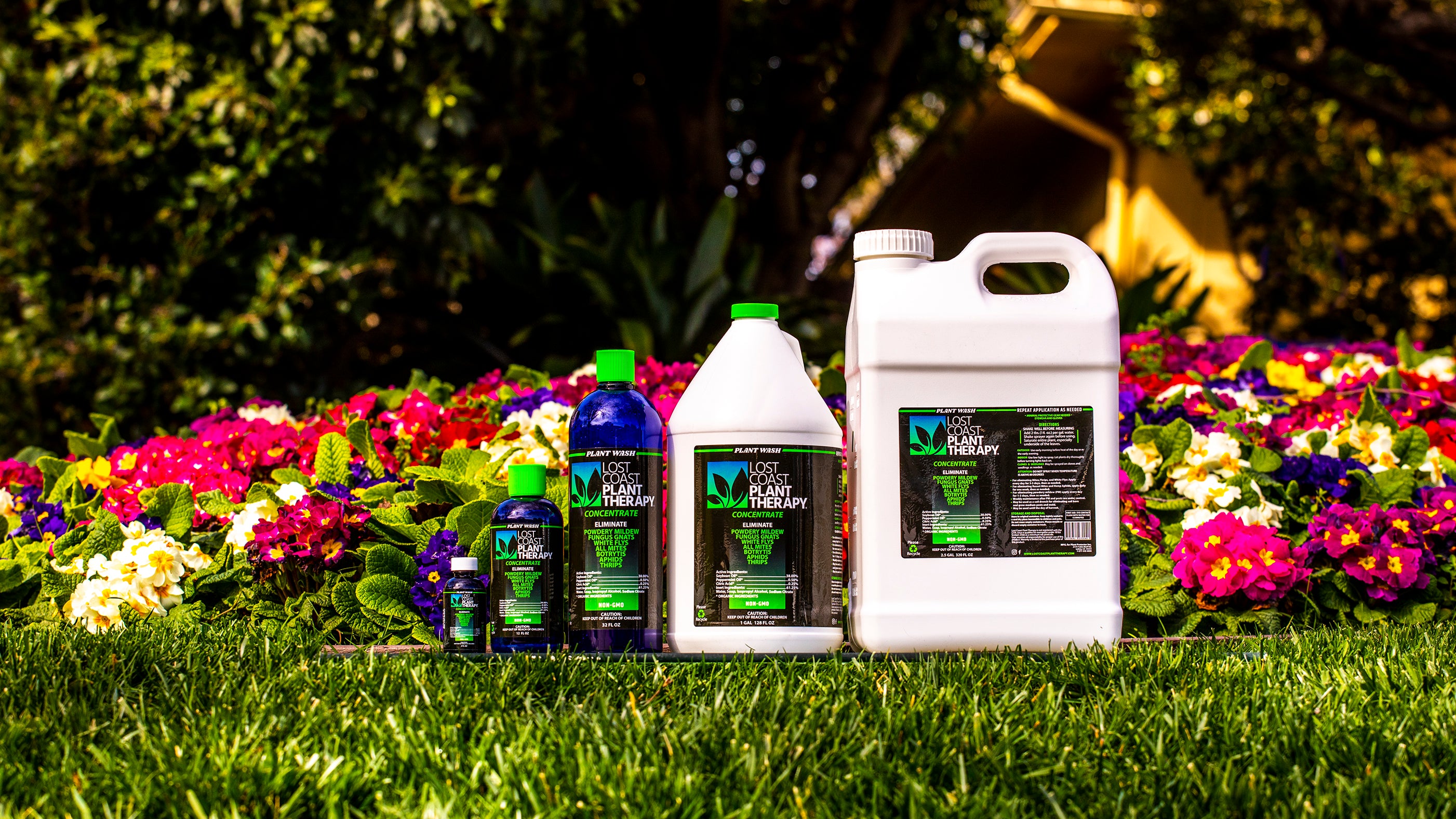
Winter growing often brings moments when plants need a little extra support. Lost Coast Plant Therapy is made with natural and organic ingredients and can be helpful tool no matter the season. It controls soft-bodied pests like aphids, thrips, fungus gnats, whiteflies and similar soft bodied insects, and it helps manage powdery mildew on contact. It dries quickly, does not require a wetting agent and supports plant surfaces by washing away issues that might otherwise slow growth.
When used as directed, our Natural Plant Protector is safe and gentle enough for leafy greens and herbs. Many gardeners rely on it during the cold season because indoor spaces, greenhouses and covered beds can become humid. Using a minimum risk pesticide that controls pests while maintaining plant health helps keep your winter vegetable garden clean and productive.

Tip 9: Keep Soil Life Active for Year Round Vegetable Gardening
Soil that rests under living roots stays healthier than soil left bare. Winter gardening keeps soil organisms active all year. The roots of spinach, kale, carrot and lettuce support beneficial microbes that improve soil structure and help prepare the garden bed for spring.
When soil stays active year round, it remains easier to work with. It drains well, holds moisture without becoming soggy and supports stronger crops in the next growing season. Many gardeners notice that their spring planting becomes easier after a winter vegetable garden has kept the soil engaged.
See more on the importance of healthy soil here.

Tip 10: Start Small and Add New Crops for Winter Each Year
Winter gardening does not require perfection or a huge garden. Starting small allows you to learn gently and enjoy the process. Choose a few vegetables that excite you and watch how they behave through the winter months. As you gain confidence, you can add more crops for winter, try different types of vegetables or experiment with raised beds, low tunnels or indoor seed starting.
Over time, winter gardening becomes second nature. You know when to start planting in late summer. You know which hardy vegetables prefer your climate. You find a rhythm that works for you and your home. Before long, your winter vegetable garden becomes one of your favorite parts of the year.
🎉 You are a Winter Garden Master!
You know your timing, protection, and products. Your garden is ready for the cold.
Shop Garden Protection
When to Harvest Spinach, Lettuce, and Other Green Winter Crops
Winter greens take their time, which gives them remarkable texture and flavor. Spinach is ready to pick when the leaves reach the size you enjoy. Some gardeners prefer them small and tender, while others appreciate the larger, darker leaves that develop as winter deepens.
Lettuce holds its shape and stays cool and refreshing even on the coldest mornings. You can harvest the outer leaves or take full heads, depending on how much salad you want to prepare. Winter lettuce varieties stay mild and rarely turn bitter. They are ready when the leaves feel firm and slightly glossy in the garden bed.
Other greens such as chard, kale and mustard grow slowly but steadily throughout the winter months. Kale often becomes sweeter after several frosts. Chard keeps its bright colors and grows new stalks whenever the weather gives it a window of warmth. These greens can be harvested leaf by leaf, letting the plant continue to grow throughout the winter long.

Cut and Come Again Harvesting for Salad Greens and Microgreens
Cut and come again harvesting is one of the best-kept secrets of winter vegetable gardening. Instead of pulling up entire plants, you gently trim the outer leaves and allow new growth to sprout from the center. This method works beautifully for spinach, lettuce, and most salad mixes.
Microgreens follow a similar pattern in spirit, though they are usually harvested all at once. They grow quickly under indoor lights, and within a week or two they are ready to cut near the base. Because they grow so fast, you can keep several trays going at once. Many gardeners use microgreens as their backup plan.

Thinking Year Round
Year round gardening shifts the way we think about vegetables. Instead of dividing the year into a summer garden and a winter garden, we begin to see the entire year as one long and evolving cycle. Each season supports the next. Winter teaches us patience and observation. Spring brings energy. Summer encourages abundance. Fall invites preparation.
When you start gardening with a year round mindset, you stop feeling pressure to grow everything at once. You begin to enjoy each season for what it offers. Winter gives you hardy greens, root crops and peace. Summer gives you warmth and fast growth. Fall brings storage crops and a chance to start your seeds for winter. Everything becomes connected.

Conclusion
A winter garden can become one of the most rewarding routines of the year.
Winter soil stays healthier when plants grow in it. Microbes remain active. Structure stays intact. Everything becomes ready for spring root growth. This means your future harvests improve naturally simply because you chose to keep your garden active in winter.
The winter gardening routine also supports your own well-being. It gives you purpose during a time when outdoor activities feel limited. It gives you fresh vegetables when the world outside feels quiet. And it brings a steady rhythm to the cold season that makes the entire year feel more connected.
A winter vegetable garden is not just a garden. It is a year round partnership between gardener, soil and season. When you grow through winter, you grow as a gardener in ways that follow you into every season that comes next.

Additional Resources
Winter Vegetable Garden - University of California Agriculture and Natural Resources
Starting Seeds Indoors – University of Minnesota Extension
Season Extension Guide – Cornell University Small Farms Program
High Tunnels: Low-Cost Seasonal Growth Space – University of Massachusetts Amherst
Grow Your Own Microgreens – Utah State University Extension
Extending the Growing Season in South Carolina – Clemson University Extension
Starting Seeds Indoors – University of Maryland Extension
Grow Microgreens at Home – Purdue University Extension
How to Grow Your Own Microgreens – Iowa State University Extension
Low Tunnels for Beginners – West Virginia University Extension
Growing Into the Fall With Cold Hardy Vegetables – University of Alaska Fairbanks Extension