
This can be surprisingly difficult to answer. If everything looks healthy, spraying can feel unnecessary. But if you have grown in the same garden for a few seasons, you also know that some problems are remarkably predictable. Spider mites seem to arrive with the first stretch of hot, dry weather. Aphids return to the same spring growth. Powdery mildew starts showing up once certain plants fill out and the season shifts.
So the real question is not whether every healthy plant should be sprayed or whether we should always wait until an infestation is obvious. It is whether there is a good reason to expect pest or disease pressure in the first place.
That is where preventative pest control becomes useful. A grower who knows a greenhouse has a history of mites is making a different decision from someone growing a few healthy tomatoes in a garden that has never had the problem. Once pests are confirmed, the strategy changes again. Prevention becomes treatment, monitoring gets more focused, and the way we apply matters even more.
In this guide, we'll look at when preventative application makes sense, when watching and waiting is the smarter call, and how the strategy shifts once pests are confirmed. We'll also cover the best time of day to spray, where the spray needs to land, and how Lost Coast Plant Therapy fits into each situation.

A Healthy Garden Still Has Insects in It
Walk through a thriving garden on a warm morning and you'll find it busy. Bees work the flowers, a lady beetle patrols a rose cane, ground beetles hide under the mulch, and tiny wasps go about their business unnoticed. Many of the insects in a garden are pollinators, predators, decomposers, or visitors passing through, and a garden without them would be in real trouble.
See more on building a balanced, eco-friendly garden here.

Where Does Your Garden Fall Right Now?
Before reaching for a sprayer, it helps to name the situation you're in. Most gardens sit in one of a few places at any given time, and each one calls for a different response.
The first is observation only. You haven't seen a pest, you have no history of recurring trouble, and nothing about the plant or its surroundings puts it at unusual risk. Your job is to scout and learn what normal growth looks like.
The second is preventative control. You still don't see an infestation, but you have a legitimate reason to expect one. Maybe it's a pest that arrives every July, a greenhouse with a mite history, or a batch of new nursery plants. The work here is managing low or hard-to-see pressure before it becomes visible.

The third is an early active infestation. A pest has been confirmed, the population is still small, and damage is minor. Treatment becomes deliberate, inspection gets more frequent, and the aim is stopping that population before it settles in.
The fourth is an established or heavy infestation. Pest activity is obvious, it may have spread across several parts of the plant or several plants, and fresh damage keeps appearing. This usually calls for a structured repeat-treatment schedule and more attention to the pest's life cycle.
Two more situations are worth naming. Sometimes you're looking at a problem you can't identify yet, and the right next step is diagnosis. Other times the issue sits outside what a contact product is designed to handle, such as a hard-bodied chewing pest or plant damage caused by watering, nutrition, or environmental stress.

What Preventative Pest Control Actually Means
Lost Coast Plant Therapy works through contact. To control a supported target such as an aphid, spider mite, whitefly nymph, exposed egg, or patch of powdery mildew, the spray has to physically reach it. That single fact shapes how prevention works with this kind of product.
A spray applied on Tuesday won't block a whitefly drifting in from the neighbor's yard on Thursday. Thrips can still arrive from surrounding plants, and aphids can still land on fresh growth. Preventative use does not create a barrier that keeps the outside world from reaching the plant.
What preventative use can do is reach target organisms that have already arrived but haven't made themselves obvious. That could be a few mites that just settled onto a leaf underside or a young aphid colony tucked into a growing tip. It could be exposed eggs or larvae on the foliage or early supported disease pressure that has not yet developed into the familiar symptoms we recognize.
In short, preventative pest control with a contact product means controlling target pests or disease pressure that may already be present before the grower can easily see it. Anything that arrives after you spray, or anything sitting on a surface the spray did not reach, still needs to be contacted later. That's why scouting continues even on a preventative routine.

Why Problems Can Be Present Before You See Them
Not seeing a problem doesn't always mean nothing is there. Many of the pests that cause gardeners the most trouble start out small, hidden, or both.
A few aphids can sit in the folds of new growth for days before anyone notices. Spider mites are barely visible and usually start on leaf undersides. Whitefly eggs and immature stages lie flat beneath the foliage. Thrips tuck themselves into flowers, buds, and leaf folds. Fungus gnat larvae live in damp potting mix, entirely out of sight. Early powdery mildew can also be easy to miss before the familiar white growth becomes obvious.
None of these are magically invisible. They're simply tiny, tucked away, or easy to overlook when you're admiring a plant from a few feet away. By the time a gardener sees webbing across the canopy or honeydew collecting on lower leaves, that population has often been building for a while. Preventative application is built around that gap between when pressure begins and when we can easily see it.

When Preventative Pest Control Makes Sense
If aphids find your kale every spring or spider mites move into your beans every August, you've already learned something valuable about your garden. Waiting for a full outbreak each year means spending the peak of the season in recovery mode. A grower with that history can reasonably begin a preventative routine as the vulnerable window approaches, then keep scouting to see whether pressure develops.
Notes from past seasons are one of the most useful pest control tools you have. You do not need anything elaborate. Even a simple record of what appeared, where it started, and roughly when it happened can help you recognize the same pattern earlier the following year.

You Grow in a Greenhouse or Protected Space With Known Pressure
Greenhouses, hoop houses, and indoor grow spaces shelter plants from the weather, but they can shelter pest populations too. Stable temperatures, fewer seasonal interruptions, and plants growing close together can allow mites, whiteflies, thrips, aphids, and other pests to keep cycling through generations. Dense growth can also make small colonies harder to notice.
A greenhouse that has battled these problems before carries a very different risk than a sunny backyard bed with no history. For that grower, a preventative routine that follows current product directions can be a reasonable part of management. A greenhouse with a clean track record may do just fine with close scouting instead.

Weather belongs in this calculation as well, indoors and out. Hot, dry stretches can favor rapid spider mite development, while the environmental conditions surrounding powdery mildew can make disease pressure more likely on susceptible plants. When the conditions begin to line up with a problem you've had before, tighten up your scouting and consider whether preventative treatment makes sense.

New Plants Are Joining Your Collection
A plant from the nursery can look perfect and still carry a few mites, whitefly eggs, mealybugs, or a thrips larva tucked into a bud. Houseplant collections, greenhouses, and indoor grow rooms are especially vulnerable because conditions can remain comfortable for pests year-round.
Inspect new arrivals closely and keep them separated for a while when practical. That gives you time to notice activity that may not have been obvious on the first day. Depending on the growing situation and your history, you may also consider a preventative application following current directions before the plant moves in with everything else.

Your Crop Is Heading Toward Flower
Some growth stages deserve extra attention. Fast, tender vegetative growth is exactly what aphids love, and many growers would rather get pressure under control before a crop reaches flowering and fruiting.
We recommend preventative maintenance during pre-flower stages whenever practical, which can help reduce the need for treatment later. If an infestation or plant disease develops during flowering, Lost Coast Plant Therapy can still be used as needed when applied according to our directions.
Addressing pressure earlier simply gives us a better chance of handling a small problem before the crop reaches a stage where we would prefer to disturb it less.
See Instructions here.

Powdery Mildew Returns in Predictable Conditions
Powdery mildew is one of the most common reasons gardeners ask about prevention, especially among tomato, squash, cucumber, and flower growers. Disease pressure can begin before the familiar white patches become obvious.
If powdery mildew shows up every year under similar conditions, a preventative routine gives a contact product an opportunity to reach early supported disease pressure on plant surfaces before it spreads widely. Spores and new disease pressure can still arrive later, so the value comes from contacting what is present at the time of application rather than creating a permanent protective barrier.
Once powdery mildew is visible, you've moved into active treatment.
For a deeper look, see our powdery mildew treatment guide.

Why Healthy Plants Can Still Get Pests
Good soil, sensible spacing, steady watering, and airflow make plants more resilient. A vigorous plant can often handle light pest pressure better than a struggling one, and that's worth every bit of effort you put into good plant care.
New growth is still food, however well a plant was raised. Aphids land on healthy plants. Whiteflies migrate onto thriving tomatoes from nearby hosts. Thrips find their way into clean greenhouses, and spider mites can build quickly when conditions favor them. Powdery mildew develops when a susceptible plant and favorable disease conditions come together.
So if you find pests on a plant you've cared for beautifully, it does not automatically mean something went wrong with your gardening.
For more on the growing practices, see our sustainable pest management guide.

Scouting Connects Prevention and Treatment
A good routine starts with scouting the places pests tend to favor. Turn leaves over and study the undersides, especially along the veins. Check tender growing tips and stem junctions. Look into the interior of the canopy where pests can remain unnoticed. Check flowers and buds where thrips may hide, glance at the growing-medium surface in containers, and look over neighboring plants when one has had trouble.
You're looking for live insects and visible eggs along with the signs they leave behind. Those signs can include sticky honeydew, fine webbing, pale stippling, silvery streaks, curled or distorted new growth, powdery residue, and fresh feeding damage. A hand lens or the zoom on your phone can make a big difference with tiny pests such as mites and thrips.
Scouting can happen far more often than spraying. A walk through the garden every day or two costs nothing and keeps you in touch with what's changing, while applications follow current product directions for your situation. Jotting down what you find and when you find it also builds the history that makes next season's decisions much clearer.

How Strategy Shifts Once Pests Are Confirmed
With an early infestation, you know where the pest is concentrated, so inspection becomes more focused and more frequent. Check whether neighboring plants are involved, pay close attention to the pest's favorite hiding spots, and make sure each application reaches them thoroughly. Then watch the trend over the following days.
A heavy infestation raises the stakes. You may be looking at multiple colonies, several affected plants, webbing, heavy honeydew, flower damage, or disease spread across a larger portion of the foliage.
Correct identification matters more than ever here because the pest's life cycle affects how new stages can continue appearing after the first application. Full coverage, repeat treatment according to current directions, and close monitoring of new activity all work together.

What Is the Best Time of Day to Spray Plants?
Timing matters for both preventative and active applications. We recommend spraying when the air temperature is 80°F or lower. Outdoors, apply early in the morning before the heat of the day or at dusk. Indoors, apply under low light and allow plants to dry thoroughly before normal lighting returns.
Even with a severe infestation, we still recommend following these application conditions. A plant already dealing with pest pressure can become more stressed if it is sprayed under poor conditions.

Why Spraying the Undersides of Leaves Matters
Aphids and New Growth
Aphids gravitate toward soft new growth, growing tips, flower stems, and sheltered areas along the foliage. They crowd wherever feeding is easy, so good aphid coverage means paying close attention to those tender tips, stems, and protected areas rather than only spraying the open upper canopy.
Our aphid guide goes deeper

Whiteflies Under the Leaves
Adult whiteflies flutter up when you brush the plant. Their eggs and immature stages, however, are found on leaf undersides. That makes underside coverage especially important because much of the next generation can be developing there while the flying adults are the only part we notice.

Spider Mites Along Protected Veins
Spider mites frequently gather along veins and protected areas on leaf undersides. As their numbers increase, fine webbing may begin sheltering the colony. The spray needs to reach those underside surfaces rather than simply wetting the top of the plant.
See our guide to early spider mite signs.

How Often Should You Spray Plants?
There's no universal spraying schedule. Preventative care, active treatment, heavy-infestation treatment, and powdery mildew each follow different frequencies. Start by identifying which situation you're in, then follow the current product directions for that situation.
We recommend preventative applications one day a week or two to three times a month when a preventative routine makes sense. For most heavy insect infestations, we recommend applying every other day for about five days.
Extreme infestations require a different treatment schedule, and we also provide specific directions for russet mites, hemp aphids, powdery mildew, and Botrytis. Once pests and mildew are under control, we recommend weekly maintenance as needed.
Inspection and spraying run on separate clocks. You may check a greenhouse every day or two while applying only according to the schedule for your situation.
See Lost Coast Plant Therapy instructions for exact rates and schedules.

How Lost Coast Plant Therapy Fits Into Preventative and Active Pest Control
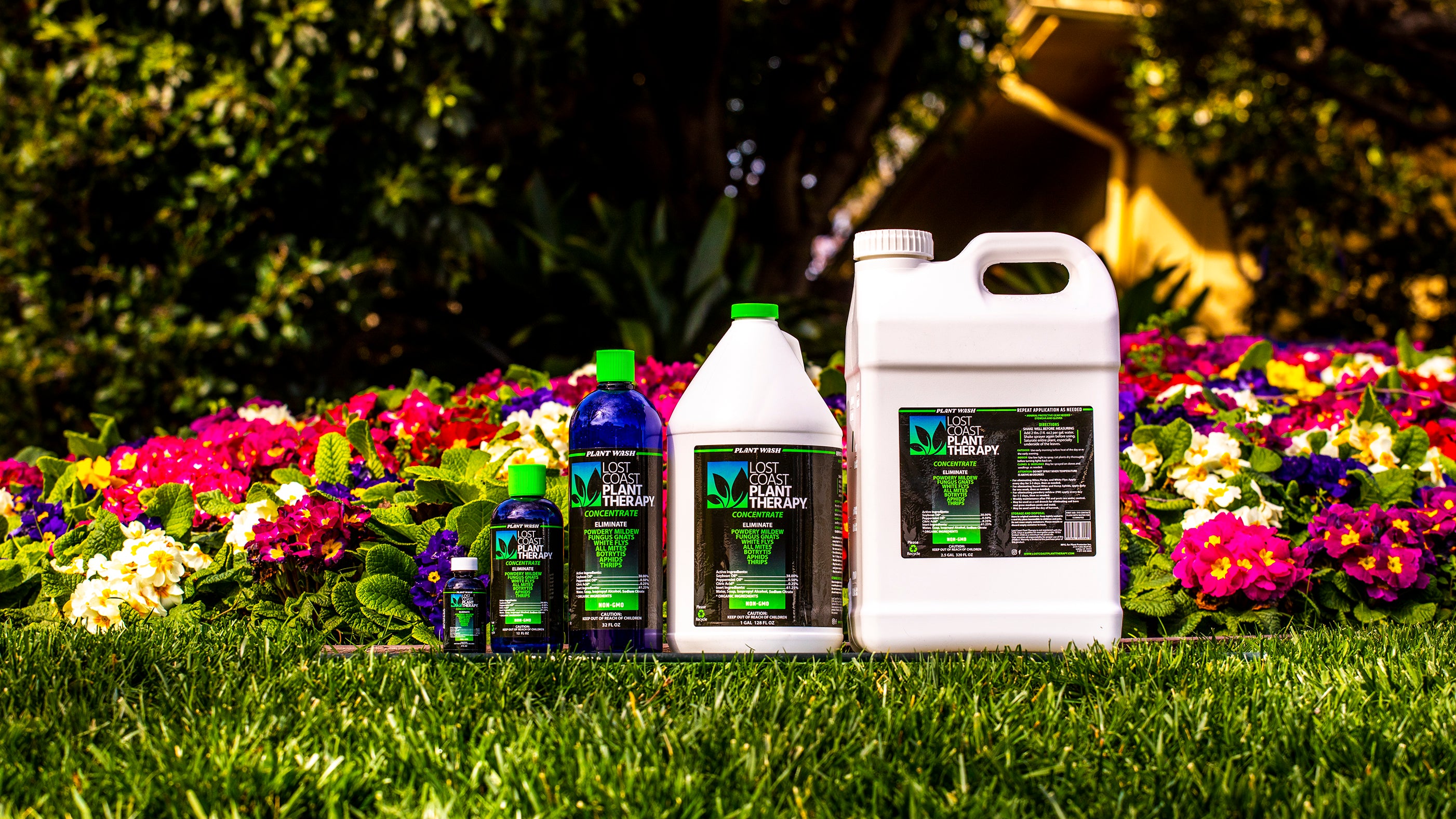
Lost Coast Plant Therapy is a minimum risk pesticide made with natural and organic ingredients. When used as directed, it controls supported soft-bodied pests on contact, including spider mites, aphids, thrips, whiteflies, fungus gnats, mealybugs, russet mites, and powdery mildew, mold, fungus, and Botrytis.
It works through physical contact with supported soft-bodied pests, including suffocation and dehydration.
See how it works.

What Minimum Risk Means
Lost Coast Plant Therapy qualifies as a minimum risk pesticide under FIFRA 25(b). Minimum risk refers to the regulatory category and the ingredients permitted within it. When used as directed, Lost Coast Plant Therapy can be used around people, kids, pets, plants, and the environment.
You can see the ingredients here.

Current Mixing and Application Guidance
Shake the Concentrate well before measuring. Add water to your sprayer and clear the lines of any old product before mixing. We recommend starting with 1 fluid ounce of Concentrate per gallon of water and increasing up to 3 fluid ounces per gallon when needed.
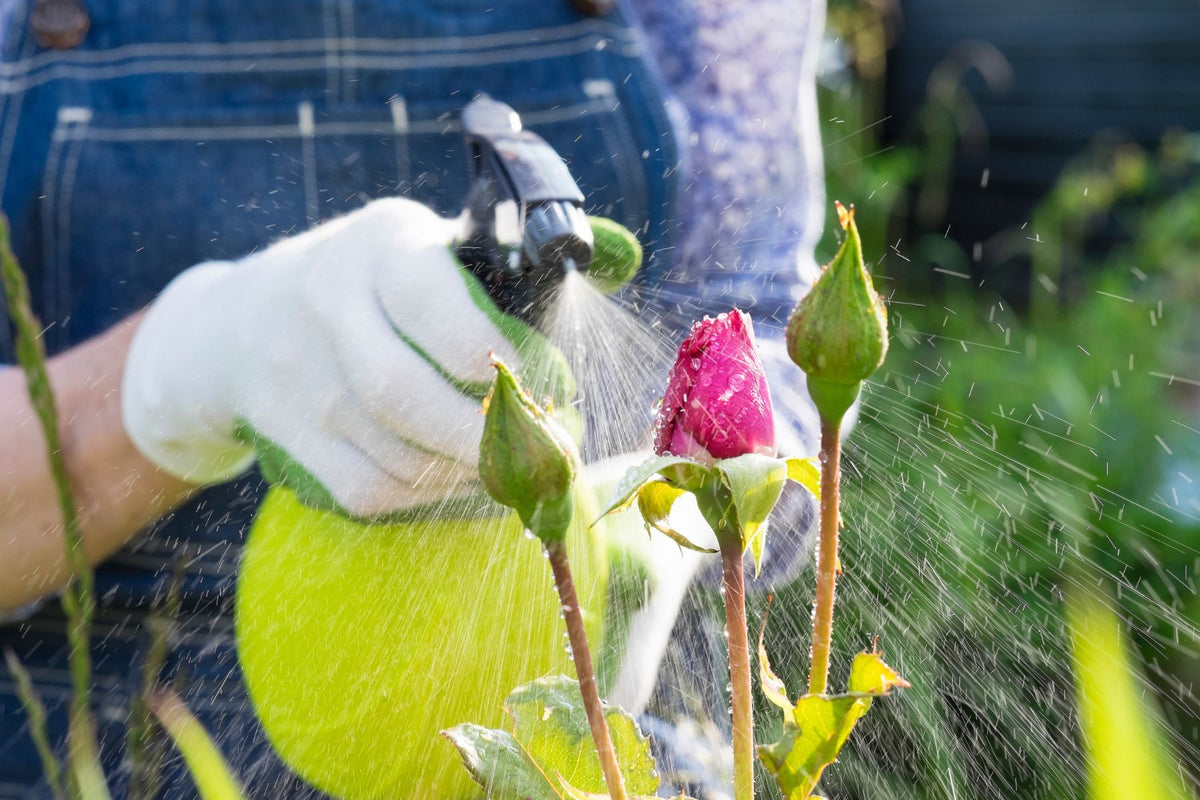
Shake or agitate the mixed sprayer before you begin, since the ingredients naturally separate, and continue agitating approximately every five minutes while you work. Saturate the plant thoroughly, paying special attention to the undersides of leaves, stems, and other areas where the target pest or disease is present. Be sure to follow our temperature and light recommendations as well.
Lost Coast Plant Therapy performs best on its own and does not require a wetting agent. We recommend testing an unfamiliar plant variety first before treating an entire crop, since some plants can be more sensitive than others.

Conclusion
Knowing when to spray gets much easier once you understand whether you are preventing a problem or treating one that is already active.
If you have identified pests or disease on your plants, act early. The sooner you address active pressure, the easier it is to stay ahead of it before it spreads throughout the plant or into the rest of the garden. Follow the treatment schedule that fits the issue, saturate the plant thoroughly, and make sure you are reaching the places where pests actually hide, especially leaf undersides, stems, new growth, and protected areas.
If you are not seeing an active problem but you know your garden has a history of recurring pests or disease, preventative applications can help you stay ahead of that pressure. This can be especially useful in greenhouses, indoor gardens, crops with a history of recurring issues, or during stages of growth when you want to avoid dealing with a larger infestation later.

The biggest thing we want growers to remember is that waiting usually makes pest problems harder to manage. You do not need to wait until a plant is covered in aphids, webbing, or powdery mildew before taking action.
Pay attention to your plants, know what you are looking at, and respond appropriately. When prevention makes sense, stay consistent. When you find active pressure, treat it. And in both cases, follow our directions, use Lost Coast Plant Therapy thoroughly, and keep checking your plants so you can catch changes early.
If you're not sure what you're looking at, our Issue Identifier is a useful place to start, and the guides linked throughout this article can take you deeper into each problem.

Frequently Asked Questions
Should I Spray My Plants Before I See Bugs?
If you have a real reason to expect pressure, a preventative application can make contact with supported pests or disease pressure you may not have spotted yet. Good reasons include a recurring pest, a greenhouse with known problems, new plants entering a collection, or a history of powdery mildew.
Does Preventative Pest Control Stop Insects From Entering the Garden?
No. A contact product does not create a barrier that prevents future insects from arriving. It controls supported targets it actually reaches, including early pressure that may be difficult to see. Anything arriving later still needs to be contacted by a future application.
Is Spraying Underneath Leaves Enough?
Undersides are especially important for pests such as whiteflies and spider mites, but they are not the only places pests hide. Thrips can shelter in flowers, buds, and folded growth, while aphids often crowd tender tips and stems. Spray where the identified target lives while following the current directions for complete plant coverage.

Can Lost Coast Plant Therapy Help Keep Powdery Mildew From Becoming Established?
Where powdery mildew has a recurring history, preventative applications can make contact with early supported disease pressure on plant surfaces before an outbreak becomes obvious. Once visible powdery mildew is present, follow the current active-treatment directions.
Is Lost Coast Plant Therapy Safe Around Kids and Pets?
Lost Coast Plant Therapy is a minimum risk pesticide made with natural and organic ingredients. It can be used around kids, pets, plants, and the environment when used as directed. Follow the direction on your label for proper mixing, application, handling, and storage.

Additional Resources
Aphids in Home Yards and Gardens - University of Minnesota Extension
Twospotted Spider Mites in Home Gardens - University of Minnesota Extension
Whiteflies on Indoor Plants - University of Maryland Extension
Fungus Gnats as Houseplant and Indoor Pests - Colorado State University Extension
Introduction to Scale Insects - University of Maryland Extension
Scale Insects on Indoor Plants - University of Maryland Extension
Thrips in Home Gardens - University of Maryland Extension
Managing Insects on Indoor Plants - University of Minnesota Extension
Beneficial Insects - University of Minnesota Extension
Powdery Mildew in the Flower Garden - University of Minnesota Extension
Integrated Pest Management - University of California Statewide Integrated Pest Management Program