
One of our favorite Lost Coast Plant Therapy stories started with a dahlia grower who thought the season had taken a terrible turn. Powdery mildew had spread across the foliage, and the leaves that should have been framing beautiful flowers were heavily affected. It is exactly the kind of thing that feels especially painful in a cut flower garden because we spend months waiting for beautiful stems and blooms.
The grower had just discovered Lost Coast Plant Therapy and decided to treat the dahlias. Then they left for a week. When they came back, the powdery mildew was no longer visible and the leaves looked clean. The story could have ended there, but it get better... One of those dahlias was entered into a flower competition and won! According to the customer, the judge could still see slight evidence on the foliage that powdery mildew had been there previously, but the active mildew problem was gone and the flower itself was beautiful enough to take the prize.
We love that story because it gets at something cut flower growers understand very well. Damage that has already happened does not always disappear, but that does not mean the plant is finished or the rest of the season is lost. What matters is what happens next.
A cutting garden asks something different from us than many other parts of the garden. We are looking for strong stems, healthy foliage, clean petals, well-formed buds, and flowers we are excited to carry into the house or place in a bouquet. A plant can survive an aphid infestation, thrips feeding, spider mites, or powdery mildew and still give us disappointing flowers if the problem is allowed to build at the wrong time.
In this guide we are going to look at a cut flower garden as a working crop. We will walk through how to scout it, what the most useful clues look like, how pests and powdery mildew affect flower quality, how conditions throughout the bed can either help or hurt us, and where Lost Coast Plant Therapy fits when a supported pest or disease is confirmed.
The goal is not a flawless garden with no insects in it. The goal is to keep producing flowers we are proud to cut.

Why Pest Management Is Different in a Cut Flower Garden
A vegetable gardener may be perfectly happy harvesting tomatoes from a plant with a few ugly leaves. In a cut flower garden, the standard is often different because the foliage, stem, bud, and flower may all be part of what we are trying to use.
A scarred petal can change the look of an otherwise beautiful dahlia. Thrips feeding inside a bud may affect the flower before it ever opens. Aphids crowded around new growth can distort a stem we hoped to cut later. Spider mites can leave foliage stippled and tired looking. Powdery mildew can move across a plant just as it reaches peak bloom.
For anyone growing field-grown cut flowers for market, weddings, floral work, or even a kitchen-table bouquet, those details matter. This is why timing matters so much. Protecting a flower bud before feeding damage occurs is easier than trying to make scarred petals perfect after they open. Keeping powdery mildew pressure small is easier than discovering that it has moved through the lower half of a mature dahlia row. Finding a few aphids on one tender stem gives us more options than waiting until sticky honeydew coats several plants.

How to Scout a Cut Flower Garden
Anyone who grows a lot of flowers eventually develops a particular way of walking through the garden. You stop seeing the bed as one mass of color and start noticing the little differences. One zinnia is holding its leaves differently. A dahlia bud looks slightly scarred. One stem feels sticky. A lower leaf has a pale dusty patch that was not there three days ago.
That kind of observation is one of the best pest management tools we have.

Start With the Newest Growth
Begin at the top of the plant where the newest tissue is developing. Tender new growth is especially attractive to aphids, and it is also where feeding damage can affect a future cut stem before we realize there is a problem. Look for curling, puckering, clusters of soft-bodied insects, pale cast skins, sticky honeydew, and ants repeatedly traveling along a stem.
Do not look only at the obvious outer leaves. Gently open folded new growth and inspect around the base of developing buds.
Fresh growth also gives us useful information about whether an older problem is still active. If previously damaged leaves remain curled but the newest leaves are opening normally, that tells a very different story from fresh distortion appearing every few days.

Move to the Flower Buds
A bud can hide a problem that will not become obvious until the flower opens. Thrips may feed in protected areas around buds and developing petals. Aphids may cluster along stems immediately beneath them. Browning or distortion can also point toward disease or environmental injury rather than an insect.
Look at several buds rather than judging the plant by one. Comparing a normal bud with an affected one often makes small differences easier to see.
This is particularly useful on dahlias, roses, ranunculus, snapdragons, and other flowers where the quality of the finished bloom depends heavily on what happens while that flower is still developing.

Inspect the Open Bloom
Open flowers are not just the finished product. They are also excellent scouting tools.
Look between petals, near the flower center, and inside the protected folds where tiny insects can hide. Thrips are especially important here because they can remain tucked inside a bloom while their feeding shows up as streaking, silvery scars, browning, or distorted petals.
If an insect is too small to see easily, gently tapping the flower over a piece of white paper can help. A phone camera with the zoom turned up or a small hand lens is useful too.
Look at the age of the bloom while you are there. An older flower naturally browns and becomes worn. Wind, heavy rain, hot weather, and handling can also mark petals. Damage does not automatically mean a bug is responsible.
Our dedicated dahlia pest guide goes much deeper into separating insect feeding, disease, weather injury, and normal flower aging.

Turn the Leaves Over
A beautiful canopy can hide a surprising amount of activity underneath. Spider mites and their eggs are often easier to find on leaf undersides. Whitefly eggs and immature stages stay there. Aphids may settle there too. Look especially along the veins and protected areas of the leaf.
Fine stippling visible from above is often what first catches our attention with spider mites, but the underside is where we may actually confirm them. A white sheet of paper held underneath the foliage can help here too. Tap the leaf gently and watch for tiny moving specks.
Waiting until a plant has obvious webbing means waiting until mite pressure is much easier to see. Earlier stippling is the better clue.

Follow the Stems and Nodes
Run your eyes down the stem instead of jumping straight from flower to leaf.
Aphids can cluster along tender stems. Mealybugs and other insects can settle into protected junctions. Sticky residue may be easier to notice on stems than on foliage, especially when honeydew has begun accumulating. Stems matter in a cutting garden because they are part of the crop. We want them strong, clean, and easy to handle when harvest day comes.

Look Inside the Plant
Tall dahlias, cosmos, zinnias, and other mature flowers can create a dense interior that barely resembles the airy young planting we started with in spring.
Part the foliage and look inside. Dense growth creates shaded places where damaged leaves, old flowers, pest colonies, and disease pressure can go unnoticed. It also becomes harder to get complete spray coverage later if the plants have grown into one another.
Finish With the Lower Foliage
Flower growers naturally look upward because that is where the blooms are. Powdery mildew gives us a good reason to look down. Lower foliage can be one of the first places where disease becomes noticeable, especially once plants become tall enough that we stop paying attention to the bottom third of the crop. Check for pale dusty spots, patches of white surface growth, yellowing, aging leaves, and dead material caught within the planting.

What Are the Most Common Cut Flower Pests?
The most useful way to think about cut flower pests is not by memorizing a giant list. Start with what the plant is showing you.
Different symptoms point us toward different groups of insect pests, and that tells us where to look next.

Sticky or Distorted Flower Growth Often Points to Aphids
Aphids love tender plant tissue, which makes a cut flower garden a wonderful place for them to find food.
They often gather around new shoots, flower buds, stems, and the undersides of young leaves. Their feeding can cause fresh growth to curl or become distorted, and larger populations may slow the development of the stem we hoped would eventually become part of a bouquet.
One of their best clues is honeydew. Aphids excrete this sticky material as they feed, so leaves and stems may begin to feel shiny or tacky. Ant activity can be another clue because ants are attracted to honeydew.
When you find sticky growth, follow it upward and downward. Look for clusters of soft-bodied insects, shed skins, and fresh curling around the newest tissue.

Scarred Petals and Distorted Blooms Can Point to Thrips
Thrips are especially frustrating in cut flowers because they can affect exactly what we care about most: the bloom.
These tiny insects can crawl deep into flower buds and open flowers where they feed on plant tissue. The result may be silvery streaks, scraped-looking areas, brown edges, distorted petals, or a bloom that opens looking damaged even though the outside of the bud seemed fine.
Tiny dark specks around scarred tissue can strengthen the suspicion of thrips.
The important thing is to inspect the flower itself. Open an affected bloom and look between the petals and around the center. Compare a newly opened flower with an older one because rain, sun, age, and physical handling can also mark petals.
On dahlias pest, this distinction is particularly important. A scarred bloom does not automatically mean thrips, and our dahlia guide walks through the look-alikes in more detail.

Fine Stippling and Bronzing Can Point to Spider Mites
Spider mites are tiny, but the plant often tells us they are there.
Early damage may appear as fine pale stippling across the foliage. As mite pressure increases, leaves can look faded, dull, or bronze. Fine webbing may eventually appear between leaf surfaces, stems, and protected areas.
Hot weather and dry conditions can favor spider mite population growth, which is why summer can change the feel of a flower crop very quickly.
Turn affected leaves over. Inspect along the veins and look for tiny moving mites and eggs. A hand lens helps tremendously.
The goal is to notice the stippling before the spider webbing becomes the first thing you see.

White Insects Flying From the Foliage Can Point to Whiteflies
Whiteflies tend to announce themselves when the plant is disturbed. Brush against infested foliage and tiny white adults may fly up before settling again.
The adults are obvious. The rest of the population is easier to miss.
Turn the leaf over and inspect the underside for eggs and flattened immature stages attached to the leaf. That is one reason a quick spray across the top of a plant is not enough when whiteflies are the target.
Honeydew and yellowing may appear as populations build, so sticky foliage should make us look for both aphids and whiteflies.

Chewed Flowers and Leaves Need a Different Path
Not every pest in a flower garden is a soft-bodied insect.
A beetle, caterpillar, grasshopper, cutworm, earwig, slug, or snail can remove plant tissue entirely. You may find ragged holes, missing petal edges, chewed leaves, frass, or sections of a bud that have simply disappeared.
That is very different from the stippling of mites or the scarring left by thrips.
These garden pests need to be identified separately because Lost Coast Plant Therapy is primarily a contact treatment for supported soft-bodied insects, eggs, larvae, mites, and listed plant diseases. It should not be presented as the answer to every beetle or caterpillar chewing a flower.

Powdery Mildew in a Cut Flower Garden
Powdery mildew can be frustrating anywhere, but in a flower garden grown for cutting, it feels particularly personal.
You may have a dahlia covered in buds, a row of zinnias finally producing at full speed, or a rose about to open when you notice a few dusty patches on the leaves. The blooms can still look wonderful while disease pressure is quietly increasing lower on the plant.
That is how powdery mildew often gets ahead of us.
What Powdery Mildew on Flowers Looks Like Early
The first sign does not always look like someone dumped flour across an entire plant.
Early powdery mildew can begin as a small pale or dusty-looking patch. A few individual colonies may appear on one leaf before eventually growing together into larger areas of white or grayish surface growth.
Depending on the flower, it may appear on leaves, stems, buds, and other green tissue. University Extension guidance specifically lists zinnias and dahlias among flowering plants affected by powdery mildew. That is why lower foliage deserves a regular look even during peak bloom.

What Causes Powdery Mildew on Cut Flowers?
Powdery mildew is caused by a group of fungi rather than one single fungus that infects every plant. Different powdery mildew species tend to favor particular hosts or groups of hosts.
The disease can spread through spores, and its development is influenced by the plant, the variety, the density of the canopy, airflow, humidity patterns, and other growing conditions. Unlike many fungal diseases, powdery mildew does not require a leaf to remain covered in standing water in order to infect it.
Dense cut flower beds can create exactly the kind of protected canopy where a small problem becomes difficult to notice.
By midsummer, our neat spring spacing may be gone. Dahlias are enormous. Zinnias have branched into one another. Cosmos lean across the path. Lower leaves are shaded, old foliage collects inside the plants, and air does not move through the planting the way it did six weeks earlier.
This does not mean dense planting automatically causes powdery mildew. It means the mature structure of the crop changes the environment we are managing.
Spacing, thinning crowded growth where appropriate, avoiding excessive fertilization that pushes unnecessary soft growth, and removing badly affected or dead material can all be part of reducing disease pressure.

Powdery Mildew on Dahlias and Zinnias
Dahlias and zinnias deserve special attention because both are beloved cut flowers and both can develop powdery mildew.
With dahlias, keep checking foliage even after the plant becomes tall and flower production takes over your attention. Look at the lower and interior canopy as well as the leaves surrounding buds.
Zinnias can develop powdery surface growth too, particularly as plantings mature. A bed that is still producing armloads of beautiful flowers may have disease building on the foliage underneath. In both crops, early detection gives us more room to respond.
For a deeper look at powdery mildew treatment, see our guide here.

Powdery Mildew or Something Else?
Not every pale mark on a flower leaf is powdery mildew. Mineral residue from irrigation water can dry on foliage. Dust can collect on leaves. Old spray residue can leave a film. Spider mite feeding creates pale stippling that can make a leaf look washed out from a distance. Mealybugs produce white waxy material that looks nothing like fungal growth once you inspect it closely.
Natural leaf texture can fool us too. Before treating a pale area as powdery mildew, look closely at the pattern. True powdery mildew develops as surface colonies that look powdery, fuzzy, or felt-like rather than as thousands of tiny individual feeding dots.

Can Powdery Mildew Ruin Cut Flowers?
Powdery mildew can reduce the quality of a cut flower crop when it becomes severe enough to affect foliage, plant vigor, bud development, or the overall appearance of stems we plan to harvest. Severe infections can reduce growth and flowering, while lighter infections may be primarily an aesthetic problem.
For a home gardener, one imperfect leaf on an otherwise beautiful stem may not matter at all. A commercial flower grower preparing bunches for sale may have a much stricter quality standard.

Can You Still Cut Flowers From a Plant With Powdery Mildew?
For a home bouquet, inspect the stem carefully before bringing it inside. If the bloom is healthy and the stem can be harvested without carrying visibly affected foliage into the arrangement, you may still decide the flower is worth cutting.
Remove obviously compromised leaves from the harvested stem and keep diseased material out of the vase. If a flower, bud, or stem itself is visibly affected or declining, leave that one out.
For anyone selling cut flowers, follow your own quality standards and any requirements that apply to your operation. Clean appearance matters even when the bloom itself is still attractive.

Botrytis Is a Different Flower Problem
Powdery mildew gets a lot of attention because the white surface growth is so recognizable. Botrytis, or gray mold, is different and deserves its own place in a cut flower garden.
Botrytis often becomes a concern around flowers, aging petals, damaged tissue, and wet or humid conditions. Instead of a powdery white coating across foliage, you may see browning or collapsing buds and petals, spots on flowers, and eventually gray fuzzy growth on affected tissue. University of Minnesota Extension notes that flowers are especially easy for Botrytis to infect and that the disease thrives in wet weather and high humidity.
This distinction matters because not every brown flower is thrips damage either.
Our full Botrytis guide goes deeper here.

Manage the Whole Flower Bed, Not Just the Worst Stem
In spring, every plant has space around it. By peak bloom, stems cross one another, foliage overlaps, lower leaves disappear into shade, spent blooms become trapped inside the canopy, and one row may lean into the next. This is where pest management has to expand beyond the one flower that first caught our attention.
If powdery mildew is showing on one dahlia, check the dahlias around it. If thrips are damaging flowers in one part of the bed, inspect fresh blooms nearby. If spider mites show up during hot weather, look beyond the leaf where you first found stippling.
The same goes for sanitation. Dead or badly declining foliage can make inspection harder. Spent flowers can become hidden in dense growth. Weeds may create additional shelter or compete for airflow and space. Cutting tools move from plant to plant all day during harvest, which is another reason to keep them clean.

When Should You Remove Damaged Leaves and Blooms?
Removing plant material can be useful, but there is a big difference between thoughtful cleanup and stripping a stressed plant bare. If a leaf is dead, badly compromised, or heavily covered with active disease and no longer contributing much to the plant, removing it may improve airflow and make the rest of the plant easier to inspect and treat.
The same is true for spent or badly damaged blooms. Taking them out of dense growth can make it easier to see what is happening around healthy buds.
On the other hand, a leaf with a few old scars may still be doing plenty of work for the plant.
Thrips scarring does not heal. Spider mite stippling does not magically disappear. A leaf that previously had powdery mildew may retain visible marks even after active disease pressure has been brought down. Do not remove half a plant simply because the foliage is no longer picture perfect.
Clean cutting and pruning tools as you move through affected plants, particularly in a production garden where the same snips may touch dozens of stems in one morning.

How to Keep Bugs Off Cut Flowers Before They Become a Big Problem
Scout regularly enough that you remember what the plants looked like the last time you saw them. Give plants the spacing they need for the crop and your climate rather than assuming tighter is always better. Keep up with spent flowers and badly declining material. Water in a way that supports the plant without keeping the entire canopy unnecessarily wet for long periods. Avoid overfertilization that pushes excessive soft growth.
Most importantly, learn the personality of your own garden.
Maybe aphids always find the snapdragons first. Maybe the first hot week brings spider mites into one particular row. Maybe powdery mildew begins on the zinnias before you ever see it on the dahlias. Those patterns become incredibly useful after a few seasons.

How Lost Coast Plant Therapy Fits Into a Cut Flower Garden
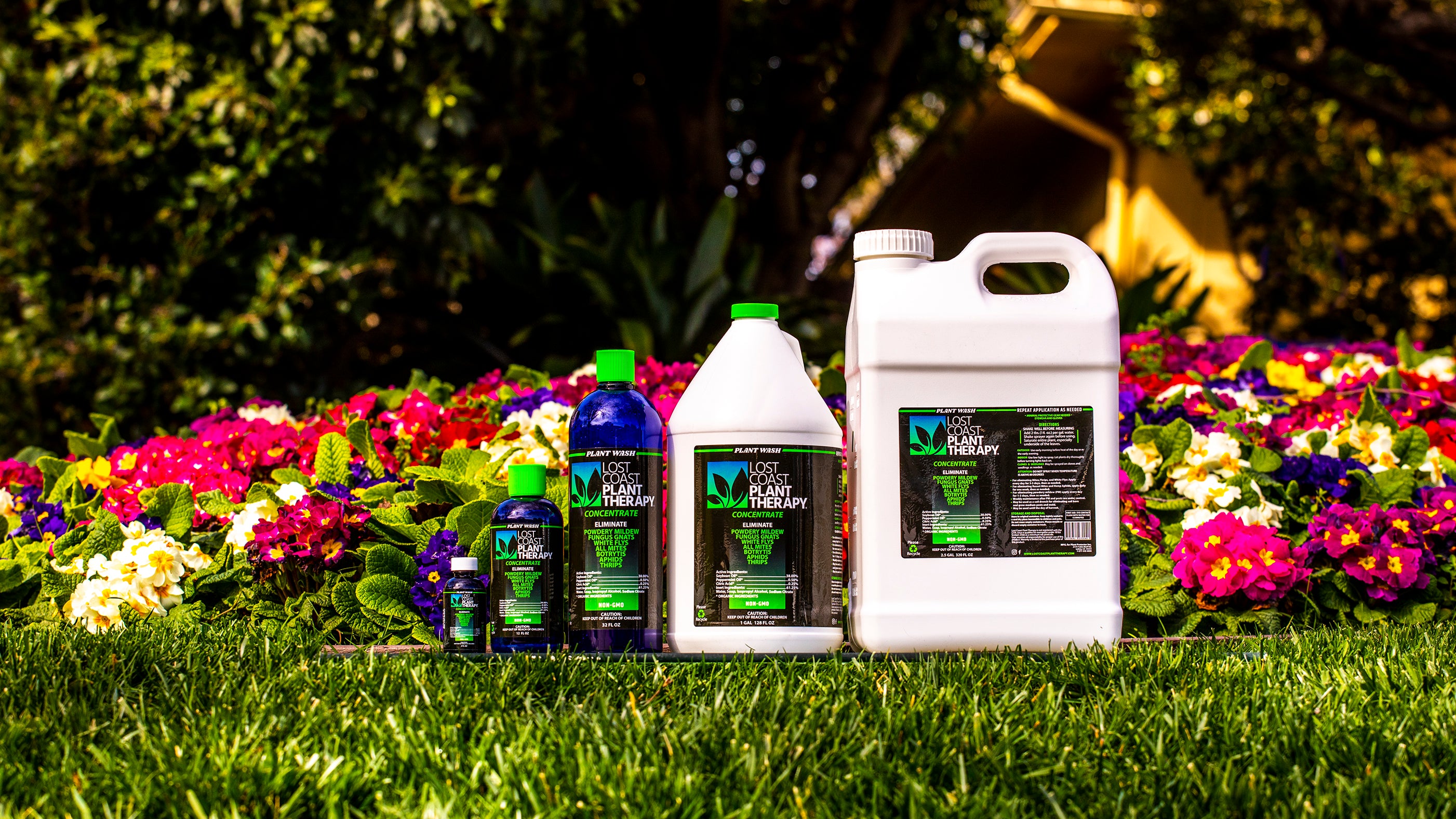
Lost Coast Plant Therapy is a Natural Plant Protector made with natural and organic ingredients. It is sold as a concentrate that is mixed with water and works as a contact insecticide, miticide, and fungicide for supported soft-bodied pests and plant diseases.
For a cut flower grower, the most important part of that description is contact.
If an aphid, thrips, spider mite, whitefly stage, or disease-affected plant surface is not reached, the treatment cannot control what it never contacted.

Thorough Coverage Means More Than Misting the Flowers
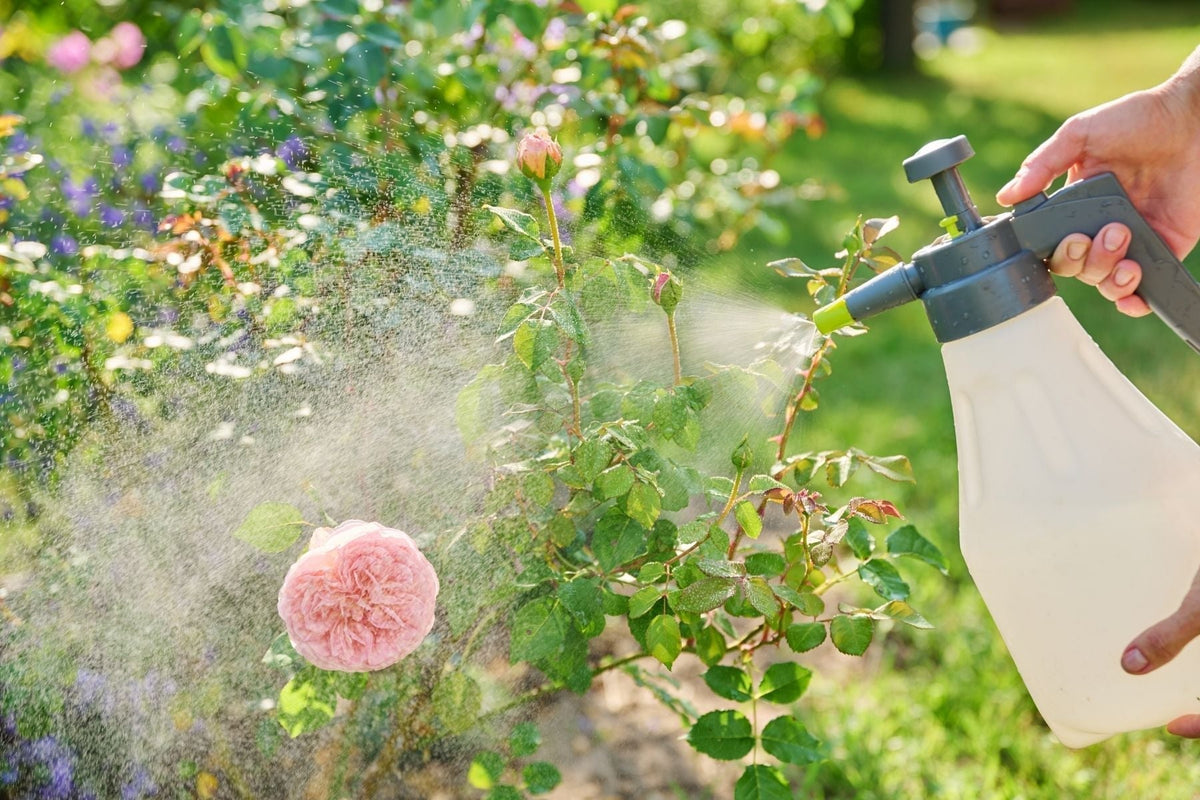
Tall flower rows can be deceptive. From the path, it is easy to mist across the top of a dahlia or zinnia row and feel as though the crop has been treated. Meanwhile, the lower leaves are dry, the underside of the foliage was barely touched, and the interior of the plant never saw the spray.
One of the most repeated pieces of advice in our grower conversations is to slow down and truly saturate the plant. The hardest part for many gardeners is not deciding to spray. It is resisting the urge to hurry through the application and only cover the upper leaf surfaces.
For cut flowers, translate that into the actual structure of the crop. Get underneath broad leaves. Work around the plant rather than from one side. Reach the stems and nodes. Part interior foliage. Pay attention to new growth.
Flowers and buds deserve additional care because varieties can differ in sensitivity and because the flower itself is the crop. Make sure to apply outdoor early in the morning before the heat of the day or at dusk, with air temperatures at 80°F or below. Indoor plants should be treated under low light and allowed to dry thoroughly before stronger lighting returns.
You can read more about how Lost Coast Plant Therapy works here.

Where to Look on Popular Cut Flowers
Dahlias
Dahlias deserve a full inspection because almost every part of the plant can tell us something different. Check buds and open blooms for thrips and damage that appeared before the flower opened. Look at new growth for aphids and honeydew. Turn leaves over for spider mites and whiteflies. Watch foliage for powdery mildew. Look at aging or browning flowers for signs of Botrytis.
Large missing areas of leaves or petals point toward a different group of garden pests such as slugs, earwigs, caterpillars, or beetles.
Our full dahlia pest guide is here.

Zinnias
Zinnias are generous flowers, which is one reason so many of us love them. Once they start, they can keep giving bouquets for weeks.
Watch the foliage for powdery mildew as plants mature and fill the bed. Check new growth and leaf undersides for soft-bodied pests, and inspect flowers when petals are scarred, streaked, or distorted.
Good spacing matters more as the zinnia patch becomes dense because the plants that looked comfortably separated when young may eventually create one continuous canopy.

Snapdragons
Snapdragons give us plenty of tender growth, tightly arranged flower buds, and developing blooms to inspect.
Pay attention to new shoots and the flower spike as it develops. Aphids can gather around soft tissue, while thrips and other tiny pests may take advantage of flowers and protected spaces.
Because the flower spike is what we plan to harvest, damage that happens early can follow the stem all the way to cutting time.

Ranunculus and Anemones
Ranunculus and anemones can feel especially precious because we wait so eagerly for their relatively short flowering season. Look closely at developing buds, stems, flowers, and foliage. Keep an eye out for distortion, insects tucked into protected areas, and disease symptoms developing under cool or humid conditions.

Cosmos
Cosmos look airy from a distance, but their fine foliage can still hide insects and damage. Check fresh growth, developing buds, and the interior of the plant. As stems begin leaning into neighboring plants, make sure you can still inspect the planting rather than only looking at the flowers floating above it.

Frequently Asked Questions About Cut Flower Pests and Powdery Mildew
What Are the Tiny Bugs Inside My Flower Buds?
Thrips are one common possibility, particularly when buds or flowers also show streaking, scarring, browning, or distortion. Aphids may also gather around developing buds and tender stems. Open an affected flower carefully and look for live insects, larvae, dark specks, honeydew, and the pattern of feeding damage before deciding what the pest is.
Why Are My Flower Petals Scarred or Distorted?
Thrips feeding is one possible cause, especially when tiny insects or dark specks are found within flowers and buds. Weather can create similar symptoms, though. Rain, heat, sun, wind, handling, and simple flower age can all brown or scar petals, so compare fresh blooms with older ones and look for live pest clues.

Why Are My Flower Leaves Sticky?
Sticky flowers and leaves often point to honeydew produced by sap-feeding pests such as aphids or whiteflies. Check new growth, stems, buds, and leaf undersides for live insects. Repeated ant traffic can also be a clue because ants are attracted to honeydew.

Where Do Spider Mites Hide on Flowers?
Spider mites commonly feed on leaf undersides, often along the veins and in protected areas of the plant. Early damage may appear as fine pale stippling on the upper leaf surface. Turn affected leaves over and use a hand lens or tap the foliage over white paper to look for tiny moving mites.
How Do I Keep Bugs Off Cut Flowers?
There is no way to prevent every insect from entering a flower garden. The practical goal is to scout regularly, identify damaging pests early, maintain a healthy growing environment, and treat supported problems before populations become severe. When using a contact product, thorough coverage is especially important because pests sitting in untreated hiding places remain part of the infestation.
How Often Should I Inspect a Cut Flower Garden?
During active growth and bloom, a quick walk through the garden every few days is a useful habit. You do not need to inspect every leaf every time. Rotate your attention through new growth, buds, flowers, leaf undersides, lower foliage, and any crop with a history of trouble so small changes are easier to notice.

How Do I Prevent Powdery Mildew on Dahlias and Zinnias?
Start with conditions you can control. Give plants appropriate spacing, maintain airflow, avoid excessive fertilization, remove badly affected or dead plant material when appropriate, and scout lower and interior foliage regularly. If your garden has a history of recurring powdery mildew, preventative treatment according to current product directions may also fit into the routine.

Conclusion
There is so much work tucked into one vase of homegrown flowers. We start seeds, plant tubers, transplant seedlings, weed, water, fertilize, stake, pinch, deadhead, and wait. Then one morning the dahlias finally open, the zinnias are producing faster than we can cut them, the snapdragons are tall enough for the vase, and there are enough different colors in the garden to make an arrangement without buying a thing.
That is the part of flower growing that makes all of the earlier work feel worth it.
Pests and powdery mildew do not have to take that away.
The best protection starts with knowing the garden well enough to notice when something changes. Look at new growth before aphids cover it. Check buds before damaged flowers open. Turn over leaves before spider mite webbing becomes obvious. Pay attention to lower foliage before powdery mildew has moved through the entire bed.
When treatment is needed, be thorough. Lost Coast Plant Therapy controls supported soft-bodied pests and plant diseases on contact, so complete coverage matters. Follow the current Instructions, keep the mixture agitated, work into the places pests actually hide, and use repeat applications when the current directions and pest situation call for them.
Most of all, do not look at one damaged leaf or one imperfect bloom and assume the season is gone.
Sometimes the plant still has a lot of beautiful flowers left to give. One dahlia grower learned that in the best possible way when a plant that had been heavily affected by powdery mildew later produced a competition-winning flower.
Keep scouting, keep learning the patterns of your own flower garden, and protect the growth that comes next. There are still bouquets to cut.

Additional Resources
Powdery Mildew in the Flower Garden - University of Minnesota Extension
Gray Mold in the Flower Garden - University of Minnesota Extension
Flower Insects - University of Minnesota Extension
Aphids in Home Yards and Gardens - University of Minnesota Extension
Twospotted Spider Mites in Home Gardens - University of Minnesota Extension
Powdery Mildew - Utah State University Extension
Powdery Mildew on Flowers - Utah State University Extension
Thrips - University of Georgia Extension
2024 Cut Flower Updates - Penn State Extension
Dahlias: Why September Can Change the Crop - Penn State Extension
Delphinium and Larkspur Pests - Utah State University Extension