
If you found pests on your plant. Now is the time to act.
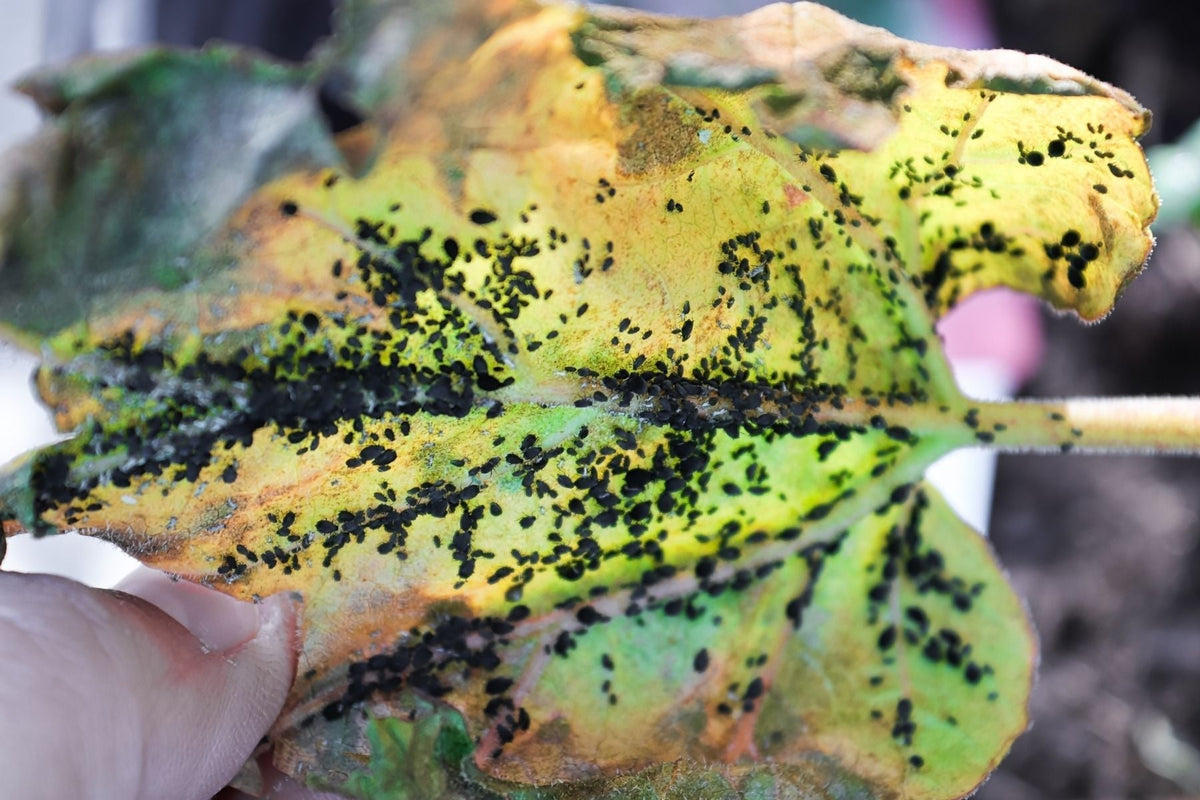
One of the biggest mistakes we can make in the garden is waiting to see if a pest problem gets worse. Aphids, spider mites, whiteflies, mealybugs, and other common plant pests can multiply quickly, and what starts on one leaf can become a much larger infestation before we realize it.
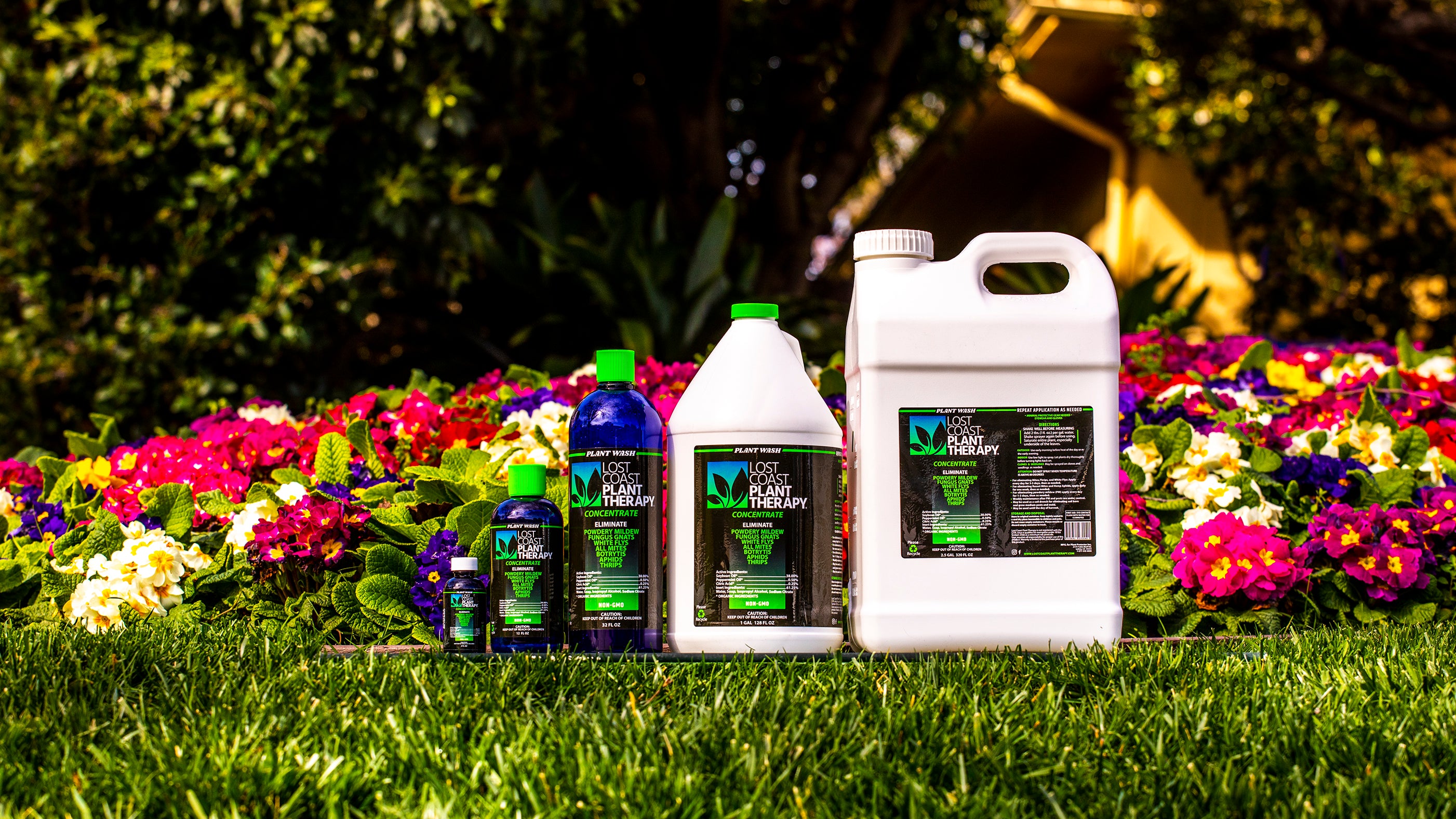
So when you notice the first signs of pests, grab your Lost Coast Plant Therapy and start addressing the problem right away. Acting early gives us a much better chance of getting the situation under control before pests spread throughout the plant or move onto the plants growing nearby.
Check the tops and undersides of the leaves, stems, new growth, and the surrounding plants. Lost Coast Plant Therapy works on contact, which means thorough coverage matters. The entire plant should be saturated, especially the undersides of leaves and stems where pests often hide.
The important thing is not to wait for the infestation to become obvious from across the garden. If you see pests, respond early, cover the plant thoroughly, and keep checking it over the following days.
In this guide, we’ll walk through what to do as soon as you discover pests, how to inspect the plant while you are treating it, what different pest clues can tell you, how to apply Lost Coast Plant Therapy thoroughly, and what to watch for afterward so you can stay ahead of the problem.

What to Do First When You Find Pests on a Plant
The moment you notice a pest or fresh pest damage, take a closer look.
Bright shade or soft morning light makes small pests easier to see outdoors. Indoors, a phone flashlight can help you look beneath leaves, around stems, and into the center of dense plants. A hand lens or your phone camera zoom can also help with mites, thrips, eggs, and tiny immature pests that are difficult to see clearly with the naked eye.
Take a couple of photos before treatment if you can. Photograph the affected area close up, then take a picture of the whole plant.
Those photos give you something useful to compare against over the next several days. Old pest damage will not necessarily disappear after treatment, so having a record makes it much easier to tell whether the problem is still spreading or whether the plant is beginning to recover.
Most importantly, do not let the inspection become a reason to delay treatment when you already know you have an active pest problem.
If you can see aphids clustered on new growth, spider mites moving beneath the leaves, mealybugs tucked into the stems, or whiteflies lifting off the foliage, you have enough information to start addressing the problem while continuing to inspect the rest of the plant.

Check the Whole Plant
The first damaged leaf is often simply where you happened to notice the problem. Once you find pests, work through the plant deliberately.
Start with the newest growth because aphids and other sap-feeding pests often gather around tender tissue. Check buds and flowers. Follow the stems and look around the nodes where leaves and branches meet. Part dense foliage so you can see inside the canopy. Then turn the leaves over.
This step matters enormously. Spider mites, whiteflies, aphids, eggs, and immature pest stages can all be concentrated on leaf undersides even when the top of the plant looks relatively clean.
For potted plants, take a quick look at the growing medium too. Tiny flies hovering around moist soil may point toward fungus gnats, which require us to think about what is happening below the foliage as well.
The more you know about where the pests are hiding, the better your application can be. Lost Coast Plant Therapy controls supported pests on contact, so those hidden areas are exactly where coverage matters most.

Check the Plants Around It
Once you find pests on one plant, check its neighbors. Start with plants that are touching it, then look at anything growing on the same indoor shelf, greenhouse bench, raised bed, or nearby section of the garden.
The goal is to find early movement before a small pest problem becomes a larger one.
If the same pest is beginning to show up on neighboring plants, expand your inspection and treatment plan accordingly. When several plants are growing close together, it is easy for insects to move between them while remaining unnoticed.
For portable houseplants, separating the affected plant from the rest of the collection can also be helpful while you treat and monitor it.

Make Sure the Insect Is Actually a Pest
Not every insect on a plant is there to damage it. Ladybug larvae, lacewing larvae, small spiders, hoverfly larvae, parasitic wasps, and other beneficial organisms spend their time hunting the pests we are trying to control. Bees and other pollinators may simply be visiting flowers.
If the insect is unfamiliar, spend a minute watching it before treating.
Learn more about Lost Coast Plant Therapy and how it's safe for bees, ladybugs and praying mantis on our Bees page.

Is the Pest Still Active or Are You Looking at Old Damage?
Damaged leaves usually do not return to their original appearance after the pest is gone. Spider mite stippling can remain. Thrips scars stay silver or pale. A leaf that developed while aphids were feeding on it may remain twisted.
Those marks tell us what happened to the leaf. They do not necessarily tell us what is happening today. Look for current activity instead.
Live insects are the clearest evidence. Fresh sticky honeydew suggests sap-feeding pests are still active. New webbing can indicate continuing mite pressure. Damage appearing on leaves that were previously clean is more meaningful than marks that have looked the same for two weeks.
New growth is particularly useful.
If the leaves developing after treatment are clean and healthy while older foliage still carries scars, the plant may be improving. If fresh growth is already curling, stippling, or becoming sticky, there is still active pressure to address.
This is one reason those first photos are so useful. They help separate old damage from something that is genuinely spreading.

Identify the Problem Before You Decide What to Spray
You do not need to memorize hundreds of pest species. Most gardeners can narrow down a problem considerably by combining the appearance of the damage with the part of the plant where it occurs.
Sticky Leaves and Honeydew
Sticky leaves are an excellent clue.
Aphids, whiteflies, mealybugs, and several other sap-feeding pests excrete a sugary substance called honeydew. It may coat the leaf itself or drip onto surfaces below the plant.
Ant activity can be another clue because ants are often attracted to that sugary residue.
If you see sticky new growth, inspect it closely for aphids. They are often clustered around young leaves, stems, and buds.
Learn more about identifying types of aphids and how to get rid of them here.

Fine Speckling and Webbing
Tiny pale dots scattered across a leaf are often described as stippling.
When that fine stippling is paired with tiny moving specks beneath the leaves or very fine webbing around leaf joints, spider mites should move high on your list.
A simple white-paper test can help. Hold a sheet of white paper under an affected branch, give the branch a gentle tap, and watch the specks that fall. Tiny dots that begin moving are worth a closer look.
Spider mites can become established before webbing is obvious, so early stippling matters.
See our guide to the early signs of spider mites.

Silvery or Scraped-Looking Damage
Thrips damage often looks different from the fine pinpricks associated with mites.
Leaves or petals may develop silvery patches, streaks, or areas that appear lightly scraped. Tiny dark specks may accompany the damage. Flowers and tender new growth can also become distorted.
Because thrips can hide deep inside flowers, buds, and folded plant tissue, it helps to look beyond the obvious leaf surface.
See more about thrips here.

Tiny White Insects That Fly Up When the Plant Is Touched
A little cloud of white insects lifting off the plant is one of the easier pest clues to recognize.
Whiteflies often gather on leaf undersides. Adults fly when disturbed, while eggs and flattened immature stages remain attached beneath the foliage.
If you only watch the flying adults, you are seeing just one part of the population, so always turn leaves over.
For tomato growers, see our whitefly guide.

Cottony Clusters or Small Attached Bumps
White cottony material around stems, leaf joints, and protected crevices often points toward mealybugs.
Scale insects can be much harder to recognize because some look like small bumps attached to stems or veins rather than obvious insects.
Both can be associated with honeydew, which is why sticky foliage sometimes leads us to pests we might otherwise overlook.
See our mealybug guide here

Tiny Flies Around Indoor Pots
Small dark flies hovering around moist potting mix are commonly fungus gnats.
The adults are the part we notice, but the developing larvae live in the growing medium. That is why fungus gnat management is different from treating a pest living entirely on foliage.
Persistent moisture also matters. Potting mix that remains consistently wet can create favorable conditions for fungus gnat development.
If the potting surface itself looks fuzzy or unusual, our guide to mold on houseplant soil can help you tell the difference.

White Powder on the Leaves
Not every plant problem is an insect.
Powdery mildew commonly appears as white or pale powdery growth on foliage. It can begin in small areas and become much more noticeable as conditions favor its spread.
Because residue, dust, mineral deposits, and other plant issues can sometimes look similar at first glance, make sure the white material is actually powdery mildew before treating it as a disease.
Read our powdery mildew treatment guide.

Large Holes, Missing Edges, and Chewed Leaves
Large missing sections of foliage point toward a different group of garden pests.
Caterpillars, beetles, slugs, snails, and other chewing pests leave holes, ragged edges, missing tissue, or sometimes visible droppings.
That is important because a product designed around soft-bodied pests is not automatically the answer to every insect that damages a plant.
Identify the chewer first. If the clues still do not add up, use our Issue Identifier to narrow down the problem.

How Serious Is the Pest Problem?
Identification tells us what we are dealing with. Severity tells us how urgently and broadly we need to respond.
A Few Pests in One Area
If you have found a small number of confirmed pests on one or two leaves and nearby plants appear clean, you have caught the problem at an excellent time. The goal now is to keep it that way.
Continue inspecting the rest of the plant so you know those first few insects really are isolated. Early action is much easier than waiting until the population becomes obvious from across the garden.

Active Pest Pressure on One Plant
If live pests are appearing in several parts of one plant and fresh damage continues to develop, the infestation is established enough to need deliberate treatment.
At this stage, you should know where the pests are concentrating because those areas will require especially careful coverage.
Keep checking the plants nearby too. The point is not to assume they are infested, but to catch movement early if the problem begins spreading.

Several Plants Are Affected
Once the same pest appears on multiple plants, stop thinking of each plant as a separate problem. You are now managing the growing area.
That does not mean every plant automatically needs identical treatment. It means inspection and pest management should account for the group. Plants touching each other, sharing a bench, or growing closely together make movement easier and can hide pockets of activity.

When the Insects Do Not Explain the Plant's Condition
Sometimes you find a few bugs on a plant that is clearly struggling and assume the bugs caused everything. They may not have.
Severe wilting, rotting stems, damaged roots, widespread yellowing, heat injury, watering problems, or transplant stress can exist alongside a relatively minor pest population.
If the number of pests does not match the severity of the plant's decline, widen the diagnosis rather than simply spraying more.
Our guide to yellow plant leaves can help when discoloration is part of the problem.

Should You Isolate an Infested Plant?
For houseplants and portable container plants, isolation can be useful.
Moving an affected plant away from the rest of a collection creates physical space while you treat and monitor it. That does not mean the surrounding plants can be ignored. Small pests may have moved before you noticed the infestation, so inspect the whole collection.
Think about how you move the plant too. Carrying a heavily infested plant through a room of healthy plants can shake mobile pests loose. When possible, treat it where it sits or move it carefully without brushing against the rest of the collection.
Outdoors, isolation usually is not realistic. An established tomato plant, rose, or flowering perennial cannot simply be quarantined in another room. Instead, inspect its neighbors and reduce unnecessary plant-to-plant contact where practical.

Should You Remove Leaves With Pests on Them?
Sometimes removing a leaf is useful. Sometimes it creates more stress than it solves.
If nearly all the visible pests are concentrated on a small number of badly damaged leaves, removing those leaves can reduce the population and make treatment easier. Avoid stripping healthy foliage simply because it carries old damage.
Leaves are still producing energy for the plant, and removing large amounts of foliage from a plant that is already under stress can slow recovery.
A useful question is whether the pruning removes a meaningful part of the active problem. If it does, it may help. If pests are already scattered throughout the plant, removing half the foliage is not a substitute for treatment.

Can Pest Spray Damage a Plant?
Any foliar product can cause problems when application conditions are wrong. The first thing to check is the current directions for the product you are using.
With Lost Coast Plant Therapy, never spray when temperatures are above 80°F. Outdoors, application is recommended early in the morning before the heat of the day or at dusk. Indoor plants should be treated under low light and allowed to dry thoroughly before lights are turned back on.
Applying too strong a mixture, failing to keep a separated mixture agitated, using a contaminated sprayer, combining products without testing them, or spraying an already stressed plant can all increase the likelihood of a poor plant response.
Stronger is not automatically better. If an infestation looks alarming, it can be tempting to increase the amount of product beyond the directions. That is not a replacement for good coverage or correct timing.

What to Spray on Plants for Bugs
Lost Coast Plant Therapy is intended for supported soft-bodied pests including spider mites, aphids, thrips, whiteflies, fungus gnats, and other listed targets, as well as powdery mildew, mold, fungus, and Botrytis. It is not the answer to large chewing insects.

What is Lost Coast Plant Therapy?
Lost Coast Plant Therapy is a 3-in-1 insecticide, miticide, and fungicide made with natural and organic ingredients and classified as a minimum risk pesticide under FIFRA 25(b). It's also CCOF approved, Clean Green certified, and approved for use on Demeter Biodynamic Certified farms.

How Lost Coast Plant Therapy Works
The most important thing to understand about Lost Coast Plant Therapy is that it works through contact. That changes the way we spray.
A systemic product moves through plant tissue. Lost Coast Plant Therapy does not work that way. The target needs to be reached directly.
For soft-bodied pests, the formulation acts through physical contact, including suffocation and dehydration. Complete saturation improves treatment success because an insect on a surface that remains dry has not been contacted.
See more about how Lost Coast Plant Therapy works.

It Is Made With Natural and Organic Ingredients
The formula includes food-grade organic soy oil, organic peppermint oil, plant-derived citric acid, plant-based soap, cosmetic-grade isopropyl alcohol, sodium citrate, and purified water.
You can see the ingredients here.
The term minimum risk pesticide describes its regulatory category. It does not mean application directions can be ignored. Proper mixing, handling, storage, and application still matter.

It Can Be Used Up to the Day of Harvest When Used as Directed
You can apply Lost Coast Plant Therapy up to the day of harvest when used as directed. We also recommend preventative management earlier in growth where practical so treatment may be less necessary in later flowering and fruiting stages.
That flexibility is particularly useful in vegetable and food gardens where pest pressure does not always wait for a convenient point in the season.

How to Apply Lost Coast Plant Therapy Thoroughly
Always check the bottle label for instructions before mixing.
Add 2 to 6 tablespoons, or 1 to 3 fluid ounces, of Concentrate per gallon of water, beginning at the lowest amount.
Shake the Concentrate well before measuring, add purified water to the sprayer, clear the sprayer lines, add the Concentrate, and agitate the mixture before application.
The difference between lightly wetting a plant and thoroughly treating it is larger than many gardeners realize. This is one of the application lessons we hear again and again from experienced growers. It is easy to stand above a plant, spray until the visible foliage looks wet, and feel finished.
The pests are rarely arranged for our convenience.
Aphids may be underneath curled growth. Mites can be concentrated beneath leaves. Whitefly immature stages stay attached to leaf undersides. Mealybugs tuck into protected joints. Thrips can disappear into flowers and tender folds. A good application is built around where the target lives.

Keep the Mixture Agitated
The ingredients can separate while the sprayer sits. Continued agitation during application, approximately every five minutes. That may seem like a small detail, but it keeps the mixture more consistent from the beginning of the application to the end.
Saturate the Places Where Pests Hide
Do not treat the plant only from above. Work around it. Aim upward beneath the foliage. Reach stems and leaf joints. Part dense growth. Pay attention to tender tips and other areas where you found active pests during your inspection.
If you found mites beneath the lower leaves, make sure those lower leaves are reached. If aphids were concentrated around new growth, work carefully around the growing tips. If whiteflies were underneath the foliage, spraying only the upper leaf surface misses the most important area.
Coverage is not about using more product than directed. It is about placing the correctly mixed product where it needs to go.

What Should You Look for After Treatment?
Do not expect old damage to disappear. Instead, ask whether the active problem is shrinking.
Are you finding fewer live insects? Are colonies getting smaller? Is fresh webbing appearing less often? Has sticky honeydew stopped accumulating? Are new leaves developing without fresh stippling or distortion?
The direction of change matters more than one imperfect leaf.
For flying pests, sticky monitoring cards can also help you follow the trend. Fewer whiteflies, thrips, or fungus gnats appearing on fresh cards over time can support what you are seeing on the plant itself. Keep checking neighboring plants as well.

Keeping the Next Pest Problem Small
We cannot keep every insect from entering a garden, and that is not the goal. What we can do is become very good at noticing change.
Look beneath leaves while you water. Check fresh growth. Notice whether something feels sticky. Pay attention to a small patch of stippling before it becomes an entire plant. Look into flowers and buds instead of waiting for obvious distortion.
New plants deserve special attention before joining an established collection, particularly indoors.
Clean up dead plant material when it begins accumulating, maintain sensible watering practices, and give plants enough room that you can actually reach and inspect them.
Those small habits make integrated pest management feel much less complicated. We are simply combining observation, accurate identification, good growing practices, appropriate treatment, and continued monitoring.

Once active pests and powdery mildew are under control, we recommend applying Lost Coast Plant Therapy at 1 ounce per gallon once a week as needed for ongoing maintenance.
Preventative applications do not create a barrier that keeps insects from entering your garden. Because Lost Coast Plant Therapy works on contact, regular applications can help control small pest or disease pressure that may already be present but is still difficult to see.
The goal is to stay ahead of the problem. Once you have things under control, consistent inspection and weekly maintenance can help keep a small issue from becoming a larger infestation.

Frequently Asked Questions
Should I Spray a Plant as Soon as I See One Bug?
Yes. Do not wait for one aphid to become a colony or for a few spider mites to turn into visible webbing across the plant. Take a quick look around the rest of the foliage, check nearby plants, then begin treatment according to the current directions. If the insect is a ladybug, bee, lacewing, or another beneficial organism, leave it to do its job.
What Is the Best Thing to Spray on Plants for Bugs?
That depends on the pest. Lost Coast Plant Therapy controls supported soft-bodied pests such as spider mites, aphids, thrips, whiteflies, and fungus gnats on contact when used as directed. Large chewing insects and other pest groups may require a different management approach, so identification comes first.
Should I Spray the Tops or Undersides of Leaves?
Both, but pay special attention to the undersides of the leaves. Many common plant pests hide and feed beneath the foliage, so we recommend saturating the entire plant, especially the undersides of leaves and stems. Lost Coast Plant Therapy works on contact, which means thorough coverage is an important part of getting the most from each treatment.

Can Lost Coast Plant Therapy Be Used as a Soil Drench?
Yes. Lost Coast Plant Therapy can be used as a soil drench.
We recommend applying 1 ounce per gallon every other day for three to five days through the growing medium, then as needed. Do not apply a soil drench to completely dried-out growing media, and test on a single plant first because some plant varieties can be more sensitive than others.
Can I Use Lost Coast Plant Therapy on Indoor Plants?
Yes. Lost Coast Plant Therapy can be used on indoor plants. We recommend applying it under low light and allowing the plant to dry thoroughly before normal lighting returns.

Can I Spray Seedlings and Clones?
Yes. Lost Coast Plant Therapy can be used on clones, seedlings, and new starts. For young plants or varieties you have not treated before, we recommend following our application directions carefully and testing first when appropriate.
Can I Spray During Flowering?
Yes. Lost Coast Plant Therapy can be used during flowering when an active pest or plant disease requires treatment.
Whenever possible, we recommend staying ahead of pest and disease pressure with preventative maintenance earlier in the plant's growth. If treatment is needed during flowering, follow our directions and test your plant variety for sensitivity when appropriate.

Can I Use Lost Coast Plant Therapy on the Day of Harvest?
Yes. Lost Coast Plant Therapy can be used up to the day of harvest when used as directed.
Can I Make the Mixture Stronger for a Bad Infestation?
Yes, but follow our directions rather than guessing.
We recommend starting with the lowest suggested amount and increasing only when needed. Our directions provide a range of 1 to 3 fluid ounces of Concentrate per gallon depending on the level of pest pressure.
Remember, using more Concentrate is not a substitute for thorough coverage. Lost Coast Plant Therapy works on contact, so complete saturation, correct timing, proper agitation, and repeat applications when needed are all important parts of getting the best results.
How Do I Know When the Infestation Is Under Control?
Look for the problem to steadily move in the right direction.
You should begin seeing fewer live pests, less fresh damage, cleaner new growth, and less pest activity on nearby plants. Old scars and damaged leaves may remain visible even after the active infestation is under control, so focus on what is happening now.
Keep inspecting the plant after treatment. If new growth stays clean and pest numbers continue to decline, that is a good sign that you are getting the problem under control.

Conclusion
Finding pests does not mean the garden has suddenly become a disaster. It means we have something specific to figure out.
Identify what is there. Find out how far it has spread. Look in the places the pest actually lives. Then choose a treatment that matches the problem and apply it carefully enough to reach the target.
With Lost Coast Plant Therapy, thorough contact is especially important. The goal is not a quick mist over the top of the plant. It is deliberate coverage of the leaves, stems, undersides, protected growth, and other areas where supported soft-bodied pests are actually present, followed by the current treatment schedule when repeat applications are needed.
Then keep watching the new growth. The longer you garden, the easier those clues become to read. A sticky leaf means something. A patch of stippling means something. Tiny white insects lifting off the foliage mean something. Once you learn what those signals are telling you, deciding what to spray on plants for bugs becomes much less overwhelming.
If you need help identifying a problem, start with our Issue Identifier.
You can also explore our Guide Hub for pest-specific and plant-specific help.

Additional Resources
Aphids in Home Yards and Gardens - University of Minnesota Extension
Twospotted Spider Mites in Home Gardens - University of Minnesota Extension
Managing Insects on Indoor Plants - University of Minnesota Extension
Fungus Gnats as Houseplant and Indoor Pests - Colorado State University Extension
Thrips in Home Gardens - University of Maryland Extension
Whiteflies on Indoor Plants - University of Maryland Extension
Mealybugs on Indoor Plants - University of Maryland Extension
Scale Insects on Indoor Plants - University of Maryland Extension
Introduction to Scale Insects - University of Maryland Extension
Diagnose Indoor Plant Problems - University of Maryland Extension
Pest and Disease Problems of Indoor Plants - Penn State Extension
Powdery Mildew in the Flower Garden - University of Minnesota Extension