

Heirloom Seeds vs Hybrid Seeds: What Is the Difference?
Heirloom seeds vs hybrid seeds. Learn about open-pollinated varieties, non-GMO heirloom seed, vegetable, herb, and flower seeds for your garden.
Learn more
Botrytis Blight: How to Identify and Control Gray Mold
Identify and control botrytis blight. Learn to spot grey mold, a pathogenic fungus that affects many plant species, and control botrytis rot effectively.
Learn more
What Is Regenerative Agriculture? Why Gardeners Are Switching
Regenerative agriculture enhances biodiversity and healthy soil. Gardeners and farmers are switching from conventional methods to grow healthier food and fight climate change.
Learn more
Powdery Mildew Treatment That Actually Works
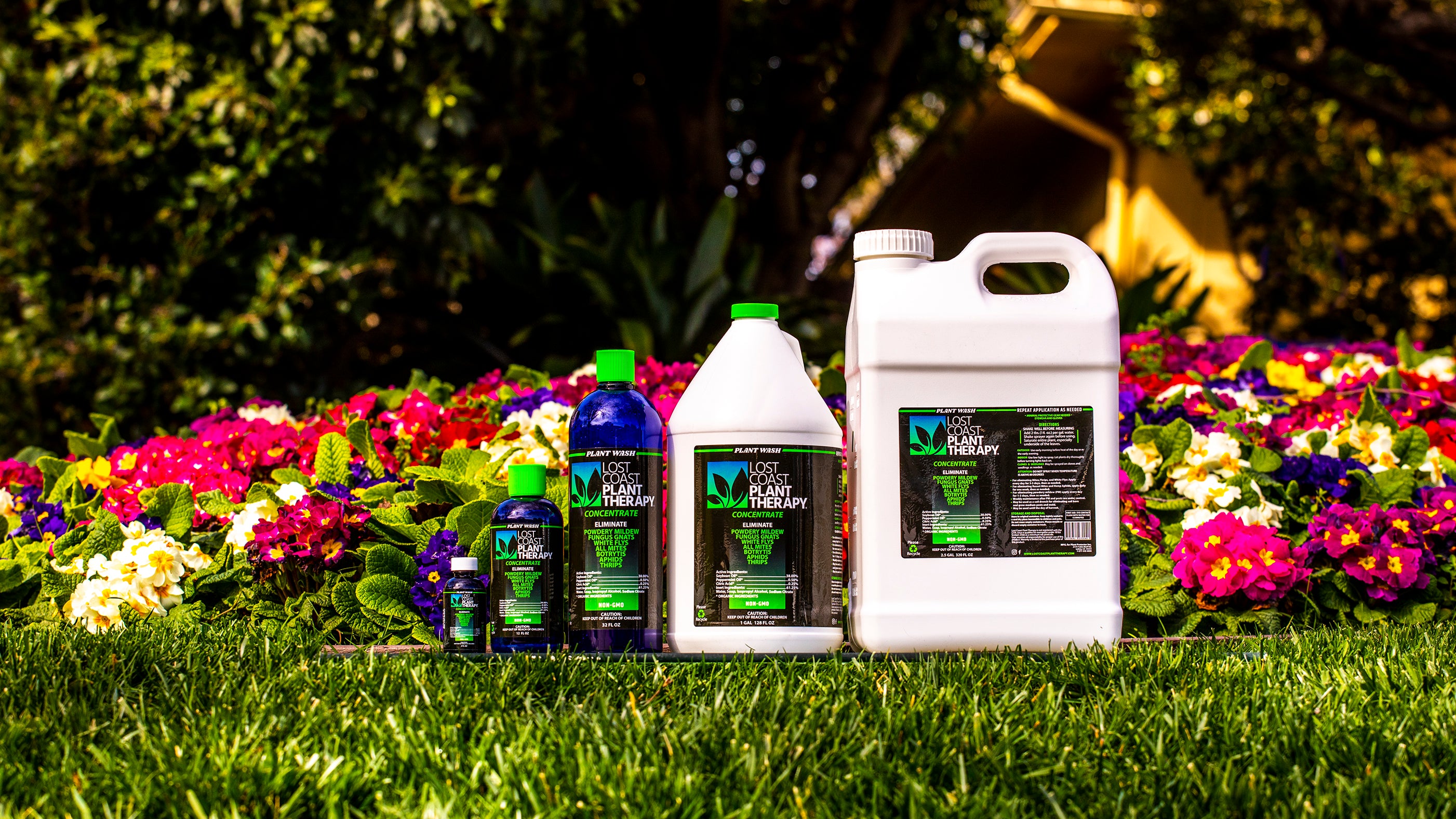
Looking for a powdery mildew treatment that actually works? Learn how to treat powdery mildew on plants with Lost Coast Plant Therapy and what Cornell CALS greenhouse trials found.
Learn more
What Does It Really Mean to Be Bee Friendly?
There's a moment that stops you. You're outside, maybe reaching for the hose or walking past the hedge, and you notice a bee moving slowly across the ground. Not flying. Not foraging. Just... struggling. It's a small thing. Easy to walk past. But if you've ever paused and wondered why it was there, whether your garden was part of the problem or part of the solution, whether anything you do actually makes a difference, then you already understand something important. You're already thinking about what it means to be bee friendly. Being bee-friendly means thinking about how the spaces we create, the products we buy, and the choices we make connect to creatures that carry enormous weight in the world’s ecosystems. It's about seeing the fuller picture, from your back porch to your grocery cart to the conversation you have with your neighbor about their lawn. Bee Friendly Is More Than a Garden Label The term bee friendly emerged from ecological research and conservation work as a way to describe habitats, products, and practices that actively supported bee health rather than undermining it. Early uses focused on agricultural practices, specifically which bee friendly farming methods reduced bee mortality and which helped populations recover. Over time, as awareness grew and consumer interest followed, the phrase drifted into garden retail. It became shorthand for saying that it has flowers bees like, which isn't wrong, but it's incomplete. A garden full of beautiful flowering plants can still be deeply unfriendly to bees if it's sprayed at the wrong time, lit with the wrong lights, or surrounded by conditions that make nesting impossible. That narrowing matters because it's shaped how millions of people think about their role. When bee friendly just means to plant these few species of flowers, the scope of action feels small and the responsibility feels contained. When it means something bigger, the possibilities expand. What a Truly Bee Friendly Life Actually Looks Like A genuinely bee friendly approach asks a different set of questions. Not just what to plant, but what to stop doing. Not just what products to avoid, but what systems to support. It considers the full arc of a bee's life, how it finds food, where it nests, how it navigates, what threatens it, and what helps it recover. A bee-friendly life looks like checking product labels at the garden store the same way you'd check a food label. It looks like leaving a corner of the yard a little wilder, and understanding that the choices made across a neighborhood, a street, a school, or a business, accumulate into something meaningful. None of this requires perfection. It requires attention. Your Garden Design and Its Hidden Impact on Bees The areas that often matter most are the ones we pay the least attention to, the strip of ground between the sidewalk and the street, the edge of the driveway, the slope behind the fence, the patch underneath a shrub or hedge. These marginal spaces are often among the most productive for native bees. They're disturbed less frequently. They often develop small flowering plants on their own. They sometimes have bare or loosely packed soil, which many ground-nesting bees need to raise their young. Wild bees, including sweat bees and carpenter bees, often nest in holes in the ground or in the soft wood of old logs, and these overlooked edges are exactly where they look. When we pave, mulch, cover, or spray these edges without thinking, we can eliminate habitat that was doing a lot of work. Noticing your outdoor space with fresh eyes, specifically asking where bees might be nesting, where they might be finding food, and where human activity is disrupting that, changes what you choose to leave alone. Light Pollution and Bees This is one of the most underappreciated threats to bee health, and it happens entirely after dark. Many species of bees, and the insects they share ecosystems with, are disrupted by artificial light at night. Research has shown that nocturnal pollination visits dropped by about 62% in illuminated areas compared with dark areas. This disruption reduced plant reproductive success and altered pollination networks. Read more here. Artificial lighting interferes with the behavior of nocturnal pollinators, alters plant-pollinator relationships, and can affect the timing of flowering plants themselves. Even bees that are active during the day can be indirectly affected when light pollution disrupts the broader ecological web they depend on. Outdoor lighting choices are a bee friendly issue. Motion-activated lights instead of always-on fixtures, warmer color temperatures instead of bright blue-white LEDs, and simply turning off lights that don't need to be on at night all make a difference. Sound, Vibration, and What Bees Actually Feel Bees are exquisitely sensitive to vibration. It's built into how they communicate, how they forage, and how they navigate. Buzz pollination, where certain bees vibrate their bodies at precise frequencies to release pollen from specific flowers, is a striking example of how central vibration is to their world. This means that the vibrational environment around a garden, the noise from machinery, the hum of equipment, the frequency of disturbances, can affect bee behavior in ways that aren't visible to us. Bees experiencing high levels of environmental stress are less effective pollinators and more vulnerable to other threats. This doesn't mean you can't mow your lawn. It means that being mindful of when and how often significant disturbances happen near actively used bee habitat. See more on how to attract bees to your garden here. Bee Friendly Choices at the Grocery Store and Beyond When you buy food, you're participating in agricultural systems that either harm bees or support them. That's not an exaggeration. It's one of the most direct connections between everyday consumer choices and pollinator health. What Organic and Regenerative Labels Actually Mean for Bees Conventional agriculture relies heavily on synthetic pesticides, including systemic chemicals that are absorbed into plant tissues and persist in pollen and nectar. Bees that forage in these systems carry those substances back to their colonies, where the effects can be slow and cumulative but genuinely damaging. Chronic exposure affects navigation, memory, immune function, and reproductive success. Habitat loss compounds the problem further, as bee-friendly farming land gives way to monocultures that offer almost nothing as a food source for bees. Organic certification, while imperfect, prohibits the use of the most harmful synthetic pesticides. This matters enormously for bee health at the farm level. Regenerative agriculture goes further, actively rebuilding soil health and ecological diversity in ways that create better habitat for pollinators across entire landscapes. Choosing organic when possible, supporting farms that prioritize ecological health, and understanding what labels actually mean gives consumer choices weight. A bee friendly philosophy includes being a bee friendly shopper. Learn more about the types of pesticides and their impact here. Honey, Honeybees, and Buying Bee Products Honey and beeswax are products of managed honeybee colonies, and the way those colonies are kept varies enormously. Beekeeping practices that prioritize colony health, allow honey bees to overwinter naturally on their own honey stores, avoid routine use of chemical treatments, and maintain strong genetic diversity are genuinely different from industrial honey production focused on maximum yield. Buying honey from small-scale, local, or treatment-free beekeepers supports practices that are better for bee health and local ecosystems. It's also an opportunity to have a direct conversation with a producer, to ask questions, to understand where your food comes from. Beeswax similarly comes from managed colonies, and appears in everything from lip balm and candles to wood polish and food wraps. Choosing beeswax products from responsible sources, or understanding what you're buying when you choose alternatives, is also part of a bee friendly approach. Bee-Friendly Plants No honest discussion of being bee friendly would be complete without acknowledging the role that plants and flowers play. The most important thing to understand about bee-friendly plants is that accessibility matters as much as species. A plant that bees can reach, land on, and forage from efficiently will always be more valuable than a visually impressive ornamental cultivar that's been bred into a shape bees can't navigate. Flowers with easily accessible nectar, open flower structures, single-petaled blooms, and plants that offer food consistently across their bloom period are the foundation. Beyond that, diversity and timing are everything. A space with many different types of plants that attract bees blooming across a long season creates conditions that support more species of bees, more reliably, than a monoculture of any single plant however attractive. Mixing herbs, native wildflowers, perennials, and even flowering vegetables creates a layered, productive environment that bees learn quickly and return to consistently. When choosing bee-friendly plants, native species always deserve priority. They've co-evolved with local bee populations and tend to offer the most nutritionally valuable nectar and pollen for the species that live nearby. That said, even non-native plants can contribute meaningfully when they're well-chosen and planted alongside native ones. Here are a few plants that bees love and that belong in any pollinator-friendly garden: Sunflower There's something almost magnetic about a sunflower, for people and bees alike. Their wide, open faces are packed with pollen and easy for bees to navigate. They thrive in full sun and well-drained soil, and their long bloom period keeps them producing right through summer. Bees love sunflowers not just for the abundance of food they offer but for how efficiently they can forage across the broad face of a single bloom. Bee Balm Bee balm's bold, aromatic blooms are a dependable food source for bees, and its long bloom period makes it one of the most valuable plants in a pollinator-friendly garden. It thrives in full sun and is a reliable favorite for honey bees, bumblebees, and native bees as well. Native Wildflowers Native wildflowers are some of the most important plants you can grow for bees and other pollinators. Native flowers have co-evolved with local bee species over thousands of years, which means bees recognize them, trust them, and use them efficiently. Dandelion Often overlooked or pulled before it blooms, dandelion is one of the earliest and most important food sources for bees emerging in spring. It's one of the most undervalued examples of plants that attract bees, and allowing it to flower, even briefly, can meaningfully support bee populations when other options are scarce. For a full deep-dive into the best flowers that attract bees and how to build a garden that supports pollinators across every season, check out our complete gardeners guide with 26 best flowers for bees here. What Happens When Neighborhoods Go Bee Friendly Together Individual gardens matter. But there's a threshold effect in ecology, when multiple connected spaces become habitable, they function as corridors, allowing bees and other pollinators to move between foraging areas, find mates, and establish more resilient populations. A single bee-friendly garden in an otherwise hostile landscape is a refuge. A cluster of bee-friendly gardens becomes something more, a network. Pollinators that once had to cross long distances of inhospitable territory suddenly have stepping stones. That changes the math of survival dramatically. This is why community matters in bee friendliness. When neighbors talk, when blocks coordinate, when communities make collective choices about the spaces they share, the impact multiplies. A pollinator corridor through a suburban neighborhood can support dozens of bee species that no individual garden could sustain alone. What Bees Need in Each Season Being bee friendly means thinking in annual cycles, and it means understanding that bees have needs in every season, not just when the garden is in bloom. In spring, emerging queens and newly active workers need immediate access to protein and energy. But they also need nesting sites. Ground that's been compacted over winter, or thoroughly cleaned up in early spring preparation, can eliminate the places where bees would naturally begin establishing new colonies. Giving bees access to loose soil, plant debris, and undisturbed areas during this critical window is as important as any flower. In summer, the needs shift. Colony populations peak, foraging demand is at its highest, and competition for resources intensifies. Water becomes critically important, especially during heat waves. Bees managing temperature inside their nests depend on water for evaporative cooling, making a reliable, safe water source as essential as any food source for bees. In fall, the priority is energy storage. Bees are preparing for periods of reduced or no foraging. A bee friendly approach in autumn means ensuring food sources continue into the season, that unnecessary disturbances are minimized near nesting sites, and that the spaces bees have been using are left as intact as possible heading into the quiet months. How to Keep Your Garden Bee Friendly Through Winter Winter is the season when most people stop thinking about bees at all. The garden is dormant. Nothing is flying. It feels like a break. For bees, winter is anything but. Managed honeybee colonies are still alive, still consuming stored energy, still vulnerable to temperature extremes, patchy nutrition from the previous year, and the buildup of disease or mites that wasn't addressed earlier. Being bee friendly in winter means resisting the urge to clean everything up at once. It means leaving hollow stems standing until late spring, when the insects that overwintered inside them have emerged. It also means supporting the beekeepers and conservation organizations working year-round on bee health. Winter is when many organizations run fundraising campaigns, publish their research, and make the case for the following year's work. Engagement during the off-season helps sustain the people whose work makes the on-season more successful. Bee Friendly Pest Management Strategies If you're trying to protect your garden from pests without putting bees and other pollinators at risk, the product you choose matters, but so does what it's made of, how it works, and what it leaves behind. Lost Coast Plant Therapy Is A Bee Friendly Pesticide Lost Coast Plant Therapy is a minimum-risk pesticide formulated with natural and organic ingredients, designed specifically for gardeners who care about being safe for pollinators while still managing real pest problems. It controls soft-bodied pests like spider mites, aphids, and whiteflies through direct contact, without being absorbed into the plant itself. That means it stays on the surface, does its job, and doesn't end up in the nectar and pollen that bees and other pollinators are collecting. See our dedicated bees page here and how it works here. Why It's a Genuinely Bee Friendly Pesticide Choice What sets Lost Coast Plant Therapy apart from conventional pest control products is what it doesn't do. It doesn't leave toxic residues in the soil or on plant tissue. It doesn't absorb systemically into leaves, stems, or flowers. It doesn't persist in the environment after it has dried. That combination of qualities is what makes a product truly safe for pollinators, when applied as directed. Gardeners have reported seeing bees, beneficial insects, ladybugs, and even frogs continuing to visit plants where Lost Coast Plant Therapy has been used, which speaks to how carefully the formula was designed. See our ingredients here. We Show Up for Bees Beyond the Garden Being bee friendly is something we try to live as a company. At the 2026 World Ag Expo in Tulare, California, one of the largest agricultural trade shows in the world, we put together seed packets filled with pollinator mixes, including native wildflowers specifically chosen to feed bees and support local pollinator populations, and handed them out to farmers, growers, and gardeners that walked by. Thousands of people come come our booth. Thousands of seeds went home with them. We believe that if you care about bees, you don't wait for someone else to act. You bring the seeds. You start the conversation. Most garden centers and nurseries carry pollinator seed mixes, and we'd encourage every gardener reading this to pick one up the next time they're there. Look for mixes labeled for your region, whether that's a Pacific Northwest Pollinator Mix, a California Native Blend, or a Prairie Wildflower selection suited to your climate. These mixes are usually inexpensive, take very little effort to scatter, and can transform a bare patch of ground into a buzzing, productive habitat within a single season. We're based in Humboldt County, California, and our support for local beekeepers is something we take seriously. Bees are not background characters in the story of a healthy garden. They are the story. Every bloom that sets fruit, every seed that forms, every harvest that makes it to a table, there's a bee in that story somewhere. Learn more about protecting your plants without chemicals by using a natural garden pest control solution here. Teaching the Next Generation to Be Bee Friendly One of the most powerful things that happens in a bee friendly space is a shift in how children understand bees. For many kids, their first introduction to bees is through fear, warnings not to disturb them, reactions to stings, the general message that bees are something to be careful around. A bee friendly environment rewrites that story. When children grow up in spaces where bees are present and treated with calm curiosity, they learn to observe rather than avoid. They notice which flowers the bees prefer. They watch foraging patterns. They begin to see bees as fascinating creatures rather than threats. This matters for reasons that extend far beyond childhood enjoyment. Children who develop genuine curiosity about pollinators are far more likely to become adults who support bee friendly policies, make bee friendly choices, and pass that orientation on to their own children. The cycle of awareness and care perpetuates itself. Creating bee friendly spaces that include children, that invite observation and gentle engagement rather than exclusion, is one of the highest-leverage things any household can do for long-term pollinator health. How to Know If Your Efforts Are Actually Working There's a temptation to measure bee friendliness by effort expended or intentions held. But the actual measure is what's happening in the space. Signs Your Space Is Genuinely Bee Friendly A genuinely bee-friendly environment has visible activity. Not just honey bees on the most obvious flowers, but smaller native species working the lower-profile plants. Bumblebees moving through the garden at different times of day. Solitary bees investigating the same corners of bare soil repeatedly. Bees arriving early in the morning and continuing to forage through midday heat. You start to notice that certain plants get visited consistently and that the activity has a pattern to it. Bees learn spaces quickly, and when a space is reliably productive, they return on a schedule you can almost set your watch by. That regularity is one of the clearest signs the system is working. The absence of activity is equally informative. If flowers are open and healthy and no bees arrive, something in the environment is off. It might be a recent application of something harmful to bees. It might be a noise or disturbance pattern. It might be a habitat gap that hasn't been identified yet. Living Bee Friendly Is a Practice, Not a Project There's a quiet satisfaction that comes from stepping outside and hearing things. Not just birds, not just wind, but that low, purposeful hum that means something is working. Bee friendly is a practice. It asks you to keep paying attention, to notice the small things and take them seriously. To make choices not because they're dramatic or visible but because they accumulate into something that matters. It means thinking about light and water and seasonal cycles. It means shopping and beekeeping ethics and community organizing. It means teaching children to be curious instead of afraid. It means understanding that the bees moving through your space exist within an ecosystem that extends far beyond your property line, and that your choices are one thread in a fabric that's being woven by millions of people making small decisions every day. When you put all of that together, being bee friendly becomes one of the most practical, immediate, and meaningful ways any person can participate in the health of the living world. FAQ's What does bee friendly actually mean? Bee friendly refers to any habit, product, space, or practice that actively supports the health and survival of bees rather than harming or disrupting them. It applies to gardens, but also to purchasing decisions, pest control choices, integrated pest management strategies, community spaces, and the way we engage with the broader ecosystems bees depend on. What are the most important bee-friendly plants to grow? Native wildflowers are always the strongest choice because they've co-evolved with local bee species and provide the most accessible nectar and pollen. Beyond that, plants like sunflowers, bee balm, and dandelion are reliable favorites. The most important qualities in any bee-friendly plant are open flower structures, long bloom periods, and flowers with easily accessible nectar. For a full list, see our guide to the 26 best flowers for bees. Are honey bees and wild bees the same thing? No. Honey bees are a single managed species, while wild bees include thousands of native species, among them bumblebees, sweat bees, carpenter bees, mason bees, and many more. Wild bees and honey bees often have different nesting habits, foraging preferences, and habitat needs. A truly bee friendly garden supports bees and other pollinators across all of these species, not just the most familiar ones. What does habitat loss mean for bees? Habitat loss means the removal of the plants, nesting sites, and undisturbed spaces that bees depend on for survival. It happens through development, intensive agriculture, over-landscaping, and the replacement of native plants with ornamental species that offer little food supply for bees. Even small individual actions, like paving over a patch of bare soil or removing a flowering shrub, can contribute to habitat loss at a local level. How do I know if a pesticide is safe for pollinators? Look beyond the label claim. A truly bee friendly pesticide should not be systemic, should not leave residues in nectar or pollen, should break down after application, and should have documented safety for beneficial insects. Lost Coast Plant Therapy meets these criteria as a minimum-risk pesticide made with natural and organic ingredients that works on contact without being absorbed into plant tissue. Learn more about eco-friendly pest control here. What's the easiest way to save the bees? There's no single action, but some of the most impactful steps are planting native wildflowers, avoiding synthetic pesticides, leaving parts of your garden undisturbed for nesting, providing a safe water source, and supporting bee-friendly farming through your food choices. Do carpenter bees and sweat bees need different habitats than honey bees? Yes. Unlike honey bees, which live in managed hives, carpenter bees nest in holes in wood and sweat bees often nest in the ground. Supporting these species means leaving old logs, bare soil patches, and undisturbed corners in your garden, things that a tidy garden often eliminates. A pollinator-friendly space accounts for the full range of nesting needs across species, not just the most visible ones. See more FAQ's here. Additional Resources Planting Pollinator-Friendly Gardens – Penn State Extension Native Plants & Pollinators – Cornell Cooperative Extension Some Cultivars of Annual Plants Are Pollinator-Friendly - Michigan State University Extension Pollinator diversity benefits natural and agricultural systems - National Library of Medicine Pollinators – Cornell University College of Agriculture & Life Sciences Pollinators: Importance – University of Wisconsin–Madison Extension (Wisconsin Horticulture) Pollinator Garden Articles – NC State Extension
Learn more
Foliar Spray For Fruit Trees: How To Control Pests Naturally
Natural pest control for fruit trees made simple. Learn inspection, mixing, timing, and foliar spray techniques for healthier harvests.
Learn more
Eco-Friendly Pest Control for Healthier Home Gardens
Discover eco-friendly pest control methods made with natural and organic ingredients to support healthier home gardens and thriving plants.
Learn more
The 26 Best Flowers for Bees: A Gardener’s Guide
Create a bee friendly garden with flowers that bloom all season. Learn what bees need, which plants they prefer, and how to support pollinators at home.
Learn more
How to Start a Family Farm (A Beginner’s Guide)
Learn how to start a family farm with this beginner’s guide to organic growing, reconnecting generations, building skills, and growing food together.
Learn more
Winter Gardening Made Easy: 10 Tips for a Winter Vegetable Garden
10 tips for winter gardening to help you plan your winter vegetable garden today! Learn about seed starting, hardy vegetables, and how to harvest.
Learn more
How to Attract Bees to Your Garden
There is something unmistakably alive about a garden once bees begin to claim it. Before the blooms catch your eye, you hear that gentle hum, a quiet signal that the space is working as it should. Bees are not just visitors in the garden, they are vital partners. Without them, the plants that feed us and the blooms that brighten our days would struggle to thrive. 1 in every 3 bites of food we eat relies on pollinators like bees, including everyday favorites like apples, berries, melons, squash, and tomatoes. When bees do well, the garden and everything in it benefits too. Today, as wild bee populations remain 25 to 45 percent lower than they were a decade ago, home gardens have become some of the most important refuges they have left. The choices we make in our own backyards matter more than ever, and even small shifts can have an outsized impact. The encouraging part is that supporting bees is simple. A bloom sequence that lasts 12 or more weeks, a shallow water source with safe landing spots, small areas of undisturbed soil, and pest control that does not harm pollinators can transform an ordinary yard within a single season. Minimum-risk products like Lost Coast Plant Therapy give gardeners a way to manage soft-bodied pests without leaving residues or harming bees, which keeps the garden safe for the very creatures that help it thrive. Supporting bees is not complicated. It is intentional. And it is one of the most rewarding transformations any gardener can make, because once bees settle in, the garden finds a rhythm it cannot create on its own. To attract bees to your garden, start by thinking about what they actually need. Bees, like people, rely on basic essentials, and when your garden provides them, you create a space that welcomes not just bees but other pollinators too. First, bees depend on nectar and pollen. Nectar fuels their energy, and pollen gives them protein. Both are crucial for feeding themselves. If the garden lacks flowers that offer these essentials, bees will simply move on. That’s why planting a variety of blooms, including different shaped flowers like trumpet-shaped flowers, star-shaped flowers, and single-petaled blossoms, especially native types of flowers that bees naturally recognize as food, is key to keeping them around. These flowers provide food from spring through fall, supporting bees across the whole season. Clean water is also important. Bees do drink from birdbaths, but they prefer shallow dishes where they can safely land. Deep basins without landing spots pose a risk of drowning. What helps most is making that birdbath or dish bee-friendly by adding small stones, marbles, or corks for footing. Bees don’t just drink the water, they use it to regulate the temperature inside their nests, especially in summer, making it an essential part of a healthy habitat. Shelter matters too. Not all bees live in hives. In fact, most bees are solitary, nesting in places like hollow stems, cracks in wood, or tunnels in bare soil. You can support these bees by leaving a few areas of your garden undisturbed. Let part of the soil go bare, leave some dried flower stalks standing over winter, or keep a log or two in a quiet corner. These simple steps help native and solitary bees find a secure place to nest and return to. Lastly, there’s safety. Bees are incredibly sensitive to chemical pesticides, herbicides, and fungicides. This doesn’t mean you can’t care for your garden, it just means choosing pest control methods like our minimum-risk pesticide that are safe for pollinators when used as directed. See tips for healthy plants with our natural and organic pesticide here, and our ingredients here. Plant Bee-Friendly Plants If you want to attract bees to your garden, the plants you choose make all the difference. Every flower can be a food source, a landing pad, and a reason for a bee to return. The more thoughtfully you plan your garden, the more it becomes a haven for honey bees, wild bees, bumblebees, and other helpful pollinators. Choosing plants to attract bees is one of the easiest ways to ensure your flowers provide food and support the fact that bees play a crucial role in every thriving landscape. Native Wildflowers Native wildflowers are some of the best plants you can grow for pollinators. These plants evolved alongside local bee species, which means they’re often rich in nectar and pollen and easy for bees to recognize and use. Whether you live in the mountains, near the coast, or in a desert climate, there’s a selection of native plants suited to your area. Some reliable choices include daisies, poppies, zinnias, alyssum, cosmos, sunflowers, borage, and lavender. These flowers attract a wide variety of bees with their scent, color, and accessible structure. Many of these are easy to grow, thrive in low water conditions, and also attract butterflies and other pollinators. Wildflowers also tend to reseed naturally, making them a great low-maintenance option for gardeners who want lasting impact with less work year after year. Heirloom vs. Hybrid Blooms Heirloom plants are often superior when it comes to feeding pollinators. These traditional varieties usually offer more pollen and nectar compared to modern hybrids, which are often bred for looks over function. While some hybrids are beautiful, they may not provide the nutritional value bees depend on, and in some cases, the blooms are too tightly packed for bees to reach the nectar inside. Choosing heirloom marigolds, sunflowers, zinnias, cosmos, and herbs can make a noticeable difference. These flowers tend to be easier for bees to access and more rewarding for their efforts. You don’t need to fill your entire garden with heirlooms, but mixing them in creates a richer food supply that encourages bees to stay longer and visit more often. Seasonal Bloom Planning Bees need a food source from early spring through fall. If you only plant summer flowers, you leave big gaps in the calendar when bees may go hungry. That’s why planning for a succession of blooms is so important when creating a bee-friendly garden. In early spring, crocuses, snowdrops, and hellebores are among the first flowers to offer nectar when bees are just waking up from winter. As summer arrives, fill your garden with workhorse flowers like black-eyed Susans, echinacea, bee balm, lavender, and white flowers such as yarrow. These plants are reliable nectar and pollen producers. When fall comes, asters, goldenrod, and sedum can carry your garden through the season, keeping bees fed until the first frost. These choices include different shaped flowers and flower shapes that appeal to many kinds of pollinators, from honey bees to bumblebees. Keep in mind that some hybrid double blooms, like certain petunias or roses, may look full but offer little to no benefit to bees because the inner parts are not accessible. When in doubt, choose single-petaled flowers that bees can easily land on and forage from. A good tip for encouraging more blooms is to regularly deadhead spent flowers, which encourages plants to produce fresh blossoms and keeps nectar available. See our complete guide to growing a cut flower garden here. Tips for Building a Bee Habitat To attract bees to your garden and keep them coming back, it’s not enough to just plant a few flowers. Bees need more than just food, they need a true habitat, a place that feels safe and familiar. Building a bee habitat is about creating those little comforts that support bees through every part of their life cycle, from nesting to drinking to resting in between foraging flights. Avoid Over-Mulching Mulch has its place in the garden, but when it comes to attracting bees, too much of it can be a problem. Many native bees nest directly in the soil, and when thick mulch covers every inch of the ground, it creates a barrier they can’t get through. If you want to support ground-nesting bees, leave some areas of your garden mulch-free. Bare patches of soil tucked between flower beds or under shrubs can give bees access to the ground they need to create their nests. Even a space as small as a shoebox can become a nesting site for a solitary bee if it’s left undisturbed. Bee-Safe Zones Bees need quiet, low-traffic places where they won’t be disturbed. If you can, create pockets in your garden where people and pets don’t walk or dig. These safe zones give bees a place to forage, rest, and build without interruption. It also helps to group plants in clusters. Bees forage more efficiently when similar flowers are planted close together rather than scattered randomly. A patch of lavender, a grouping of cosmos, or a border of clover is easier for bees to spot and navigate than isolated blooms. When your garden layout supports their natural behavior, you’ll start to see more visits from both honey bees and native bees like bumblebees and solitary species. A Note on Ground Nests Many gardeners unknowingly destroy bee nests during routine weeding, digging, or tilling. If you notice a small hole in the soil or a patch that bees seem to return to again and again, try not to disturb it. That could be an active nest. Observing where bees land and where they disappear into the ground helps you identify these spaces. Leave them undisturbed whenever possible. Common Gardening Mistakes That Hurt Bees Even the most well-meaning gardeners can accidentally make choices that drive bees away or even put them in danger. If you’ve been wondering what actually harms bees or why some gardens don’t seem to attract pollinators, it often comes down to a handful of avoidable habits. Using Products That Contain Neonicotinoids One of the biggest threats to bees is the use of synthetic pesticides, fungicides, and herbicides, especially systemic chemicals and those containing neonicotinoids. These substances don’t just disappear after application. Systemic treatments get absorbed into the plant itself, including the nectar and pollen. That means bees ingest toxins even when they’re just feeding on flowers. Avoiding neonicotinoids entirely is one of the most impactful steps a gardener can take. The term is becoming more familiar, and for good reason. These chemicals persist in the environment and are particularly dangerous to honeybees, bumble bees, and solitary bees alike. Another common mistake is spraying any kind of treatment while flowers are open and bees are actively foraging. This increases the chance that a bee will be exposed to wet residues, which can cling to their bodies and be carried back to their nest or hive. When that happens, the exposure does not stay with a single bee. It travels with them, affecting the young they are feeding and the other adults they interact with. See more on the types of pesticides and their impact here. Too Much Tidying Can Remove Shelter Clean gardens can sometimes be too clean. When we remove all leaf litter, hollow stems, and spent stalks, we also remove valuable shelter for solitary bees and other pollinators. Instead of cutting everything back at once, consider leaving a few areas undisturbed through the winter and into early spring. This creates nesting habitat and ensures that beneficial insects have a place to rest and reproduce. Not All Flowers Are Equal Ornamental flowers are lovely, but many highly bred hybrids often produce little or no nectar or pollen. Relying only on these types of blooms won’t provide bees with the nutrition they depend on. Incorporating heirloom varieties and native plants ensures your garden stays full of flowers that attract and feed pollinators. Landscaping Choices Can Disrupt Habitat Over-landscaping with artificial turf, decorative gravel, or hardscape features replaces living habitat with barren ground. Bees need soil they can nest in and real plants they can forage from. Similarly, cutting flowers too early in their bloom can reduce the available food for bees. Adding trees and shrubs to your landscape also makes a difference. Many people forget that blooming shrubs and early-flowering trees are some of the first and most important food sources in spring, an essential support when natural resources are scarce. Mowing Too Often Can Starve Bees And don’t forget your lawn. Mowing too often can wipe out food sources like dandelions and clover. These early and mid-season blooms are especially valuable for hungry bees when other plants haven’t yet opened. Letting them flower before you mow can turn a plain patch of grass into a surprise buffet for native bees and honeybees alike. Bee-Safe Pest Control: Opt for Garden Pesticides Safe for Bees Bees are incredibly sensitive to most conventional garden treatments. A bee-safe product is not simply one that avoids outright poisoning. It is one that does not linger in the environment, does not absorb into plant tissues, and does not harm bees through residues left on leaves or flowers. It should not be systemic, toxic to non-target insects, or capable of leaving chemical traces once it has dried. A truly safe pest control solution protects your plants without putting pollinators at risk. Lost Coast Plant Therapy is a minimum-risk pesticide designed for gardeners who want effective results without harming bees. It relies on natural and organic ingredients and works through direct contact, meaning it only affects soft-bodied pests like mites and aphids and only when it touches them. The formula leaves no toxic residues behind, doesn’t absorb into the plant, and is completely safe for bees, ladybugs, praying mantises, and even frogs. In fact, gardeners have reported seeing frogs and native pollinators continue visiting plants while Lost Coast Plant Therapy was being used. Choosing a natural garden pest control that's safe for bees is not only about switching products. It is about creating balance. You get healthier, more resilient plants, and you support the pollinators that keep your garden productive. It is a simple, practical way to protect your space without harming the bees that help it bloom. Bee-Friendly Garden Layouts When it comes to learning how to attract bees to your garden, sometimes it helps to see how it all comes together. These layout ideas are designed for real-life spaces, whether you’ve got a balcony, a backyard, or just a little time to give. Each one supports bees, butterflies, and other pollinators by providing consistent nectar, pollen, water, and shelter, no matter the size. Small Patio Bee Garden Even the tiniest space can become a haven for pollinators. Focus on container-friendly plants like zinnias, marigolds, calendula, and herbs such as thyme, mint, and sage. Lavender is another star performer, bees love it, and it thrives in pots with good drainage. Add a small dish of clean water with pebbles so bees can safely land and drink. Cluster pots together to create a dense, flower-rich foraging area, and place it in a sunny spot. This setup is ideal for balconies and patios. Beginner Backyard Pollinator Strip If you’ve got a bit more room, a pollinator strip is one of the easiest ways to transform a garden edge into a powerful food corridor for bees. Choose a spot that gets at least six hours of sun a day. Fill it with a mix of native wildflowers and flowering herbs, arranged by height from back to front, think echinacea, rudbeckia, bee balm, and yarrow in the back, with lower-growing options like alyssum, coreopsis, and clover near the front. Layering bloom times is key here. Plan for early spring, mid-summer, and fall flowers so there’s always something in bloom. This is a perfect place to sow your wildflower seed packs and let nature do some of the work. Low-Maintenance Reseeding Garden For families, first-time gardeners, or anyone short on time, this design focuses on perennial flowers and self-seeding annuals. Think borage, cosmos, calendula, and poppies paired with hardy herbs like oregano, chives, and lemon balm. Choose a sunny, well-draining location and prep the soil once, after that, the plants will often return on their own year after year. Skip the fussy pruning and heavy watering. Just deadhead some blooms, leave others to seed, and enjoy watching how the garden evolves over time. Kid-Friendly Garden Ideas If you are gardening with children or encouraging a young gardener, the experience becomes even more magical. Kids are naturally drawn to bright, fast growing flowers like sunflowers, snapdragons, and nasturtiums. These plants respond quickly to care, which makes the process feel rewarding and accessible. Give kids simple roles, such as checking the water dish each morning, counting how many flowers opened that week, or choosing a new plant to add each season. These small responsibilities help them understand how living things depend on one another. Even a few pots on a porch or balcony can spark curiosity and create early memories of planting, observing, and caring for the natural world. Surprising Facts About Bees 🐝 20,000+ speciesMost bees don’t make honey. Native bee powerMason and leafcutter bees are often even more efficient pollinators than honeybees. Five eyes & UV visionBees see ultraviolet patterns on flower petals. Busy foragersA single bee may visit 50–100 flowers on one trip. Sleepy beesBees take many tiny naps and can sleep up to 8 hours a day. Super strengthOne bee can carry up to 35% of her body weight in pollen. Waggle danceBees share directions to the best flowers with a special dance. Buzz in the key of CTheir wingbeats create nature’s background music. Buzz pollinationSome bees vibrate their bodies to shake pollen from flowers like tomatoes and blueberries. Conclusion Bees are responsible for pollinating more than 150 food crops in the United States alone, including many of the fruits, vegetables, and nuts that we rely on every day. Without them, 1 in every 3 bites of food we eat would simply not exist. Their quiet work supports global agriculture, wild ecosystems, and backyard gardens alike. But despite their importance, bee populations continue to face serious threats, from habitat loss and climate change to widespread pesticide use. This is where individual gardeners can make a meaningful difference. A single garden, intentionally planted and thoughtfully cared for, becomes a safe haven for dozens of bee species. Native wildflowers, clean water, and shelter in simple soil or stems offer what pollinators need most. Natural choices, such as avoiding synthetic pesticides and using a minimum-risk, bee-safe pest control like Lost Coast Plant Therapy, help protect them while keeping your plants healthy. When you plant with bees in mind, you’re not just growing a garden. You’re supporting the future of food, biodiversity, and the health of the planet itself. See more about why Lost Coast Plant Therapy does not harm bees and how we support them on our Bees page here. Additional Resources Pollinator diversity benefits natural and agricultural systems - National Library of Medicine How can residents protect and promote pollinators? The role of urban land-use practices - ScienceDirect 155 Amazing Bee Facts: History, Anatomy, Legends, And More - Best Bees Mitigating the effects of habitat loss on solitary bees in agriculture - MDPI Agriculture Solitary bees: the intricacies of our most prolific pollinators - Current Biology Flower richness is key to pollinator abundance: The role of urban green spaces - ScienceDirect Aspects of Landscape and Pollinators - What is important for pollinator conservation? – MDPI Biodiversity
Learn more
How to Get Rid of Common Houseplant Pests
Learn how to identify and get rid of common houseplant pests. Control aphids, mealybugs, thrips and other soft bodied insect infestations with these tips.
Learn more